The Story of Barton Fink
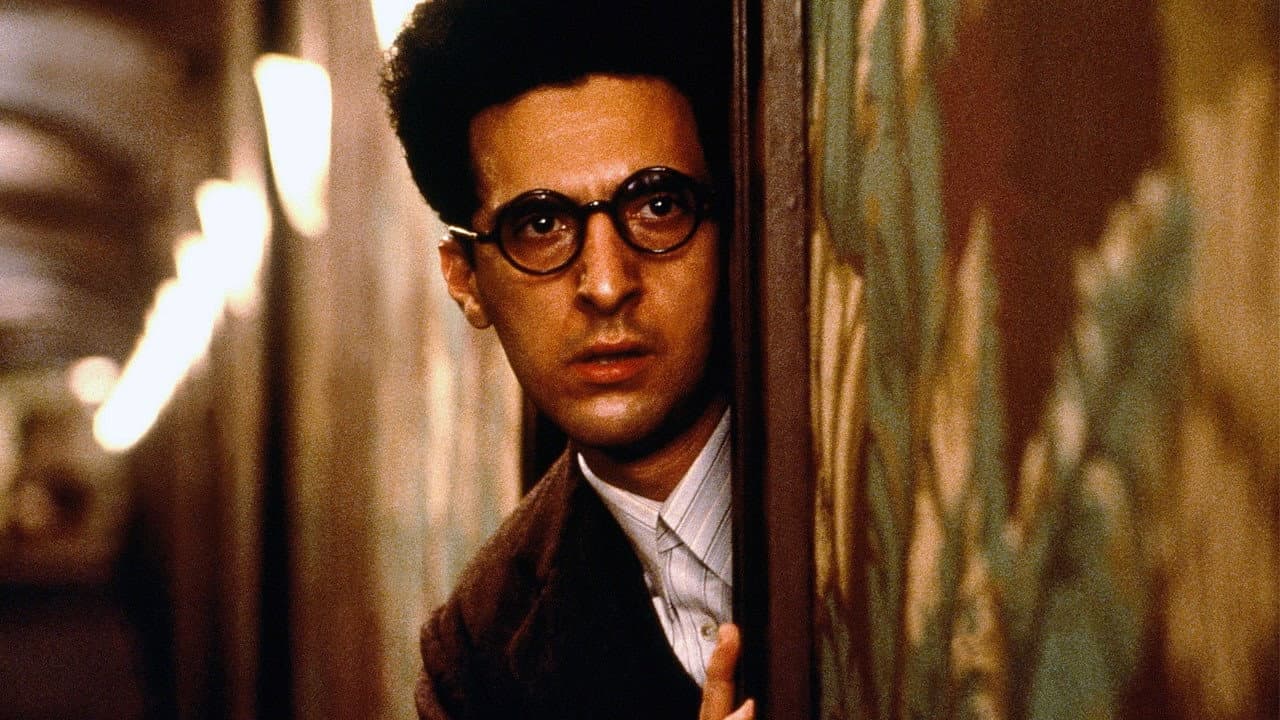
Barton Fink tells the story of a celebrated New York playwright who's riding high after a Broadway success. He's confident, idealistic, and convinced he understands the common man — the working stiff, the everyman whose struggles he channels into his art. When a studio executive comes calling with a lucrative offer to write for the movies, Barton can't resist. California, the promise of a larger audience, the chance to bring serious drama to the masses. What could go wrong? Everything, as it turns out. Set in 1941, the film follows Barton's descent into creative paralysis and psychological torment as he checks into the decrepit Hotel Earle and finds himself trapped in a nightmare of his own making. The studio wants a wrestling picture. Barton can't write it. His typewriter sits blank. And the walls — literally and figuratively — start closing in.
Behind the Making of Barton Fink
Barton Fink arrived in 1991 as the Coen Brothers' fourth feature film, made after their breakthrough with Blood Simple and the cult success of Raising Arizona. Written, produced, edited, and directed by Joel and Ethan Coen, the film starred John Turturro in the title role, with John Goodman delivering a career-defining performance as Charlie Meadows, Barton's unsettling neighbor at the Hotel Earle. The supporting cast included Judy Davis as a studio secretary and Michael Lerner as the tyrannical studio head Jack Lipnick — a role that earned Lerner a Golden Globe nomination. The production itself was controlled and meticulous; the Coens shot primarily on soundstages, creating an artificially claustrophobic world that mirrors Barton's psychological state. The film earned $5.9 million at the domestic box office against its $9 million budget, a modest return that didn't immediately signal its later critical reappraisal. However, Barton Fink found its true audience through festival circuits and home video. It won the Palme d'Or at the 1991 Cannes Film Festival — one of the Coens' three wins at that festival — along with Best Director. The film received an R rating for some violence and language. Over three decades later, it maintains a 7.464 rating on IMDb and remains a fixture on critics' lists of the greatest films of the 1990s.
What Makes Barton Fink Stand Out
What's striking about Barton Fink is how it functions on multiple levels simultaneously — as a Hollywood satire, a psychological thriller, and a portrait of artistic paralysis that feels almost claustrophobic in its precision. Turturro's performance is the anchor here; he plays Barton as simultaneously pompous and vulnerable, a man whose intellectual confidence masks deep insecurity. There's a scene early on where Barton gives a speech about the common man to a room of studio executives, and you can feel the phoniness radiating off him even as he believes every word. That's the genius of what Turturro does — he makes you understand Barton's delusion without ever letting you fully dismiss him. John Goodman's Charlie Meadows is something else entirely. He's jovial, friendly, almost aggressively normal on the surface, but there's something fundamentally wrong lurking beneath. You can't quite put your finger on it, and that's the point. The film's visual language — Roger Deakins' cinematography paired with the production design — creates a world that's simultaneously realistic and dreamlike. The Hotel Earle feels like a purgatory. The studio lot feels like a bureaucratic hell. I keep coming back to the film's final act, which I won't spoil, but it's where the Coens stop playing with ambiguity and just let the nightmare fully consume the screen. It's audacious, unsettling, and absolutely unforgettable.
What's remarkable is how the film captures a specific historical moment — the Golden Age of Hollywood, 1941 — while making it feel timeless and universal. Any artist who's ever compromised their vision, or been asked to, will recognize something true in Barton's struggle. The studio system is brutal and absurd in equal measure. The executives speak in jargon and contradictions. The work itself becomes impossible because the demands are fundamentally incoherent. The Coens understood something essential about creative institutions: they don't just reject your ideas, they gaslight you into thinking your ideas were never yours to begin with. Movie OTT tracks current streaming availability across multiple platforms, making it easy to revisit this masterpiece whenever you need a reminder of what happens when ambition meets delusion.
How to Watch Barton Fink Online
Barton Fink is currently available on major OTT services, and finding it is straightforward thanks to Movie OTT's streaming aggregator — the site compiles real-time availability across platforms so you don't have to hunt. The film's 117-minute runtime makes it perfect for a single sitting, though you'll likely want to watch it again immediately after finishing. The Coen Brothers' meticulous framing and dark humor reward repeated viewing. Whether you're streaming it in 1080p or catching it on a smaller screen, the claustrophobic production design and Deakins' precise cinematography translate well. This isn't a film that demands a theatrical experience (though it's stunning on the big screen if you get the chance). You can find current streaming options and availability windows through the Where to Watch widget at the top of this page.
Frequently asked questions
Q: Who directed Barton Fink?
Barton Fink was written, produced, edited, and directed by Joel and Ethan Coen — their fourth feature film together. It won the Palme d'Or at the 1991 Cannes Film Festival.
Q: Is Barton Fink based on a true story?
No, Barton Fink is an original screenplay by the Coen Brothers. However, it's deeply rooted in the real history of Hollywood's studio system and the experiences of writers in that era, even though the specific characters and plot are fictional.
Q: What's the runtime of Barton Fink?
Barton Fink runs 117 minutes, making it a brisk but dense viewing experience that packs considerable psychological weight into just under two hours.
Q: Who stars in Barton Fink?
John Turturro plays the title character, with John Goodman delivering a memorable supporting performance as Charlie Meadows. Judy Davis and Michael Lerner round out the principal cast.
Q: What genre is Barton Fink?
Barton Fink blends comedy, drama, and thriller elements. It's darkly comic in its Hollywood satire, genuinely tense in its psychological unraveling, and genuinely unsettling by its conclusion.
Final Thoughts on Barton Fink
Barton Fink deserves your attention if you care about filmmaking craft, psychological horror disguised as social commentary, or just want to watch two of cinema's greatest directors operating at peak creative confidence. It's not a comfortable film — it's designed to make you squirm — but that discomfort is the point. The Coen Brothers wanted you to feel trapped, confused, and complicit in Barton's delusions, and they succeeded entirely. Three decades on, it remains one of the finest films about the creative process ever made.