



The story of Calling Dr. Gillespie
Calling Dr. Gillespie opens with a premise that's deceptively simple: a young man suffering from severe mental disturbance has vanished, and in his wake, a string of murders begins to unfold—each one marked by an eerie calling card: the sound of a trainwhistle. Dr. Gillespie, the seasoned mentor figure audiences knew from the earlier Dr. Kildare films, finds himself pulled into the investigation not as a sideline advisor but as the central detective. What unfolds is a tense cat-and-mouse game between medicine and criminality, between understanding the human mind and stopping a killer before the next victim falls. The film doesn't traffic in cheap jump scares or melodrama. Instead, it builds its tension through character and circumstance—a man's fractured psychology becomes the puzzle Gillespie must solve to save lives. It's a clever pivot for a franchise that had been built around a young doctor's education; now it's about an old one's hard-won wisdom.
Behind the making of Calling Dr. Gillespie
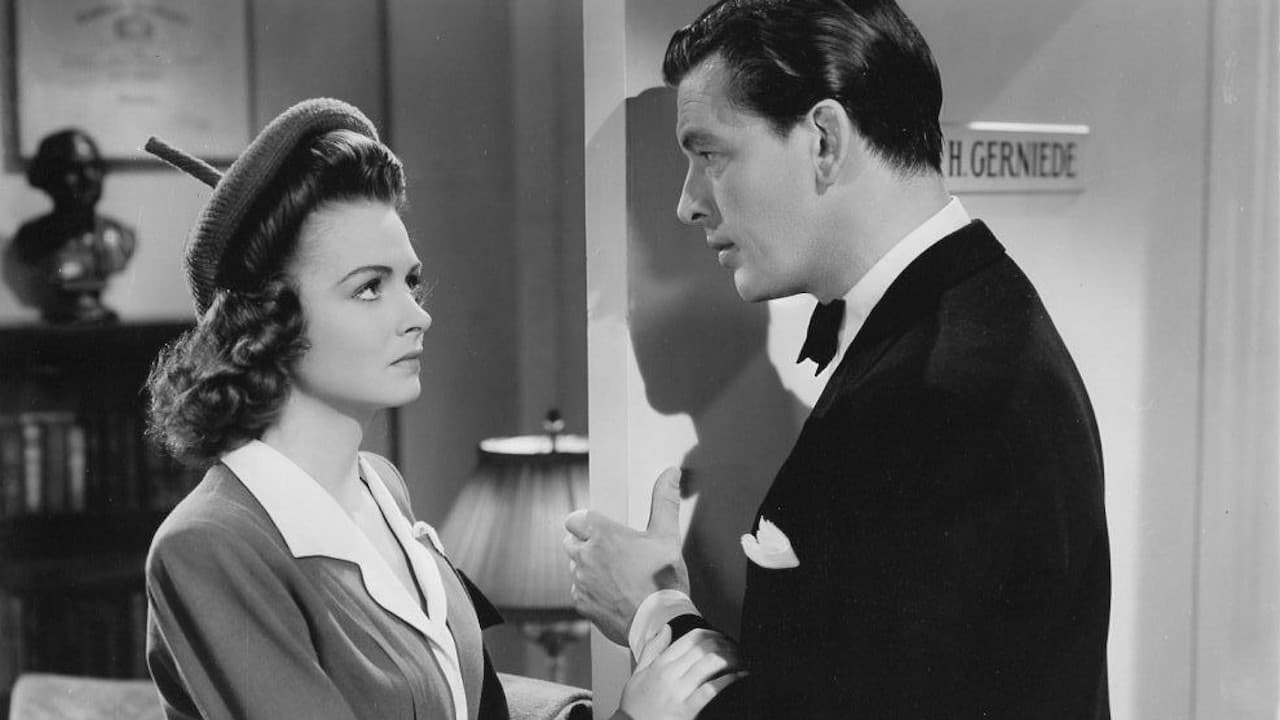
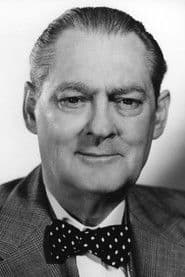
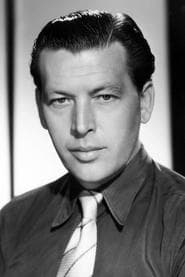
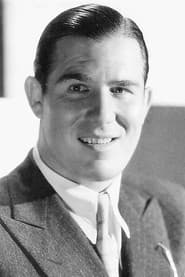
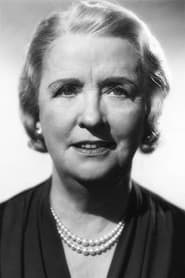
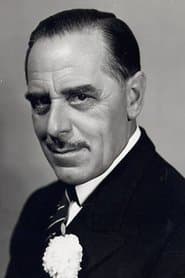
The production history of this film is inseparable from one of Hollywood's most contentious wartime decisions. Lew Ayres, the original Dr. Kildare, had declared conscientious objector status in response to World War II, refusing to take up arms. The backlash was swift and severe—studios blacklisted him, audiences turned against him, and MGM faced a choice: kill the franchise or reinvent it. Enter Lionel Barrymore, who'd played Dr. Gillespie since the series' inception in 1938. Barrymore was 63 when Calling Dr. Gillespie went into production, and he brought a gravitas to the role that younger actors simply couldn't match. Director Harold S. Bucquet, who'd helmed several Kildare entries, took the reins for this new direction. The supporting cast included Donna Reed as a nurse and Philip Dorn as Dr. John Hunter Gerniede, a Dutch refugee surgeon who becomes Gillespie's new assistant—a character choice that added contemporary wartime resonance to the narrative. MGM released the film in 1942, banking on audiences' appetite for medical mysteries even without their original lead. The 89-minute runtime keeps the pacing brisk, and the production values—solid MGM craftsmanship—don't feel cheap or rushed. While specific box office figures are harder to pin down for a 1942 release, the film's success was enough to spawn several sequels, proving that Barrymore could carry the franchise on his own.
What makes Calling Dr. Gillespie stand out
What's striking is how the film manages to be three things at once: a police procedural, a character study, and—believe it or not—a dark comedy. Barrymore's performance is the anchor here. He plays Gillespie not as a brilliant eccentric but as a tired, sharp, slightly sardonic professional who's seen too much and trusts too little. There's a moment early on where he dismisses a young detective's enthusiasm with a wry comment that gets a laugh, but it's the kind of laugh that makes you uncomfortable because it's true. The writing gives him room to breathe, to be skeptical, to admit when he doesn't know something. That vulnerability—coming from a 63-year-old actor in what could've been a vanity role—is what keeps the film from feeling like a cash grab. The mystery itself, while not groundbreaking, is constructed with care. The trainwhistle motif is genuinely unsettling, and the film doesn't overexplain it until the moment demands revelation. Donna Reed, though in a smaller role than the title might suggest, brings a quiet competence to her scenes; she's not the prize to be won but a professional doing her job. The film also benefits from its wartime context without being crushed by it. Dorn's character as a Dutch refugee isn't played for sentiment—he's simply there, a capable surgeon, and that's enough. For Movie OTT subscribers exploring the Dr. Kildare Collection, this entry is worth watching precisely because it refuses to rest on the franchise's laurels. It's a working film, not a relic.
How to watch Calling Dr. Gillespie online
Calling Dr. Gillespie is available on major OTT services, and the best way to find it is through the Where to Watch widget at the top of this page—it'll show you exactly which streaming platforms currently have it in your region. Since streaming rights shift frequently, checking that widget before you settle in is your safest bet. The film's 89-minute runtime makes it perfect for a weeknight watch, and the print quality on most platforms is respectable for a 1942 release. If you're working through the Dr. Kildare Collection chronologically, this is the natural pivot point—the moment the series acknowledged its lead actor's absence and doubled down on Barrymore's character instead. Movie OTT tracks current streaming availability across major platforms, so you won't waste time hunting for where it's actually available.
Frequently asked questions
Q: Why wasn't Lew Ayres in Calling Dr. Gillespie?
Lew Ayres, the original Dr. Kildare, had declared conscientious objector status during World War II and refused military service. This triggered significant backlash in Hollywood, leading MGM to recast the lead role around Lionel Barrymore's Dr. Gillespie character instead.
Q: Who directed Calling Dr. Gillespie?
Harold S. Bucquet directed the film. He'd already helmed several entries in the Dr. Kildare series and brought consistency and competence to this new direction for the franchise.
Q: Is Calling Dr. Gillespie based on a true story?
No, it's an original mystery written for the screen. The plot about a disturbed young man and a series of murders marked by a trainwhistle is fictional, though it was inspired by the kinds of crime stories that were popular in 1942.
Q: What's the runtime of Calling Dr. Gillespie?
The film runs 89 minutes, making it a tight, efficiently paced thriller that doesn't overstay its welcome.
Q: Is this the first Dr. Kildare film without Lew Ayres?
Yes. Calling Dr. Gillespie was the first entry in the series to center on Barrymore's character as the lead after Ayres' departure, and it proved successful enough to launch a new phase of the franchise.
Final thoughts on Calling Dr. Gillespie
Calling Dr. Gillespie works because it doesn't apologize for what it is—a solid, workmanlike thriller built around a character actor who'd earned the right to carry a film. Lionel Barrymore isn't trying to be a leading man in the traditional sense; he's simply a professional doing his job, and that authenticity is what makes the film hold up. It's not a masterpiece, and it doesn't pretend to be one. But it's honest work, well-executed, and it proves that sometimes a franchise's greatest strength isn't its original premise but its willingness to adapt. If you're a fan of classic Hollywood mysteries or the Dr. Kildare series, this is essential viewing. Even if you're not, it's a brisk, entertaining 89 minutes that respects your time.