


The story of Beverly Hills Cop III
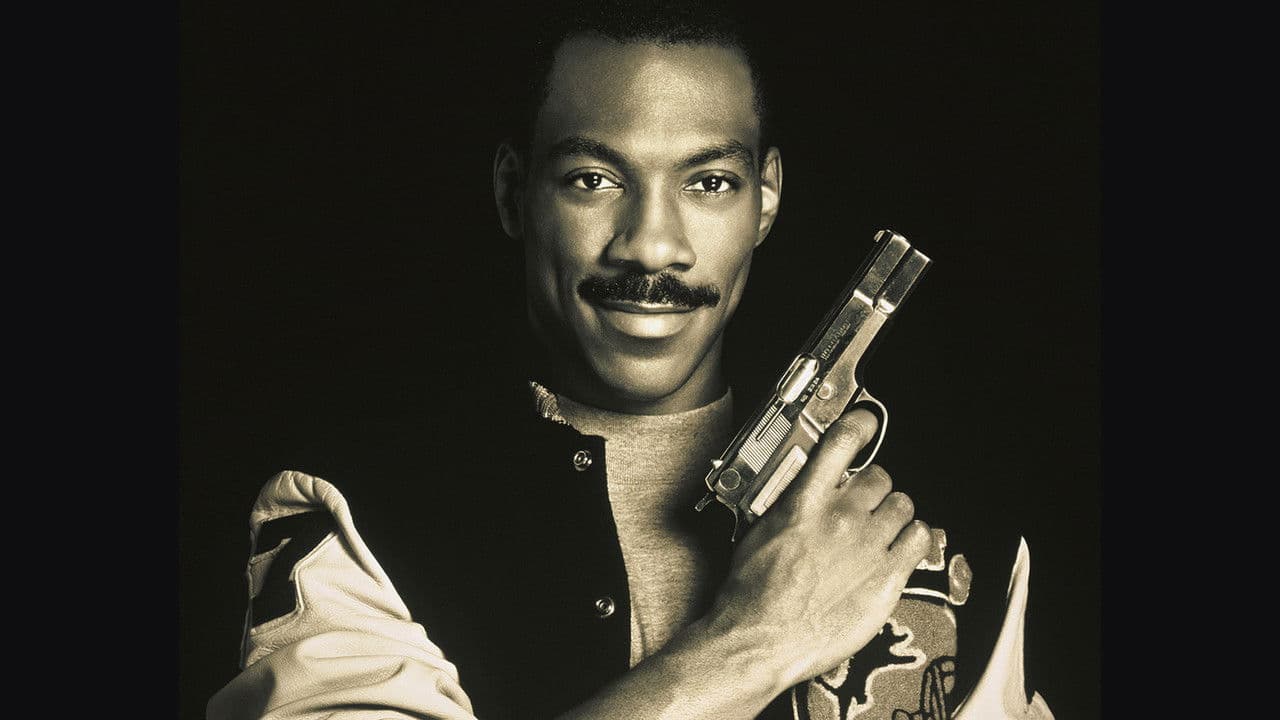
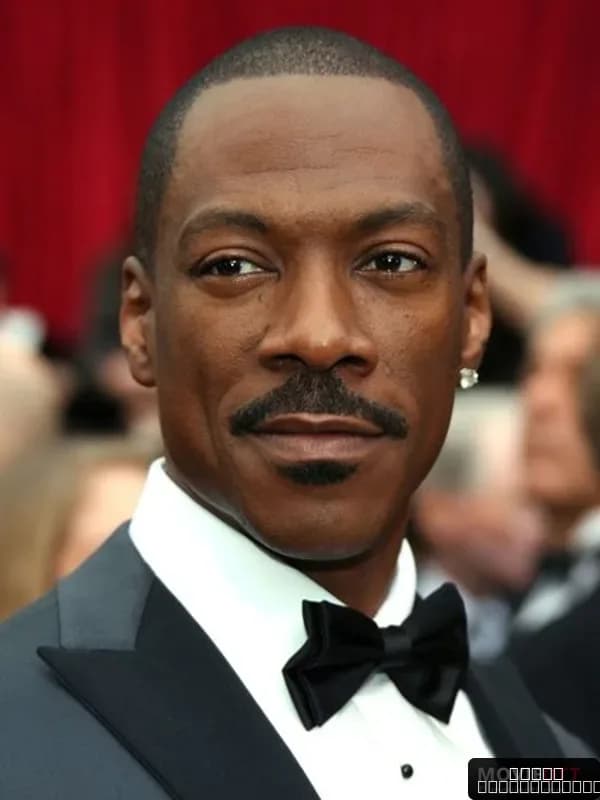
Beverly Hills Cop III picks up the familiar thread of Detroit detective Axel Foley's adventures in sunny California, this time with a personal stake that cuts deeper than usual. When Foley's boss is murdered, the investigation leads him to a shocking discovery: the killer had connections to WonderWorld, a sprawling amusement park in the Los Angeles area. Back in Beverly Hills once more—and you'd think he'd have learned his lesson by now—Foley reunites with his old partner Detective Billy Rosewood to crack the case. What they uncover is far larger than a simple homicide: WonderWorld itself is a front for an elaborate counterfeiting operation. Alongside Billy's new partner, Detective Jon Flint, the trio must navigate the park's attractions while dismantling a criminal enterprise operating right under everyone's noses. It's the kind of high-concept premise that sounds like it should work, even if the execution doesn't always land.
Behind the making of Beverly Hills Cop III
Released in 1994, Beverly Hills Cop III came ten years after the original film that made Eddie Murphy a superstar. Director John Landis, known for his work on Trading Places and Coming to America, took the helm for this third installment, while Steven E. de Souza handled writing duties. The film was produced through Eddie Murphy Productions alongside Mace Neufeld Productions, Robert Rehme Productions, and Paramount Pictures—a powerhouse lineup on paper. Murphy was at the height of his commercial power, and the studio clearly believed a third outing would capitalize on the franchise's established audience. The film runs 105 minutes and carries an action-comedy-crime genre blend that promised the same formula fans had enjoyed before. What's worth noting is that this was a transitional moment for Murphy's career; he'd already begun experimenting with more dramatic roles, and some of that tonal shift bleeds into Foley's characterization here. The supporting cast underwent significant changes from the previous films—a creative decision that, according to audience reception, cost the picture much of its chemistry and charm.
What makes Beverly Hills Cop III stand out (and where it stumbles)
Honestly, what's striking about Beverly Hills Cop III is how it tries to thread an impossible needle: keeping the franchise formula intact while shifting Murphy's comedic energy in a more grounded direction. The thing nobody mentions is that Murphy's performance here feels subdued compared to his earlier work as Foley—less of the rapid-fire wisecracks, more of a cop who's genuinely weary and angry about his boss's death. Some viewers found this refreshing, a sign that Murphy was growing as an actor. Others felt it betrayed the character entirely, draining the electric comedy that made the first two films so infectious. The amusement park setting, while visually distinctive, doesn't quite compensate for the loss of established supporting characters and the chemistry they'd built over two films. Reviews on Movie OTT's tracking database reflect this split opinion: one viewer called it "a passable time-waster" despite feeling it was a weak entry, while another lamented the absence of the original cast and noted how the supporting players felt like "B-list" replacements. The action sequences themselves—car chases, gunfights, the usual machinery of a '90s action-comedy—are competent but lack the spark of innovation. What you're left with is a film that hits the genre beats without making you feel anything in particular when it does.
Where to stream Beverly Hills Cop III online
Beverly Hills Cop III is available on major OTT services, and the easiest way to check current availability on your preferred platform is through the "Where to Watch" widget at the top of this page. Movie OTT aggregates real-time streaming data across the major platforms, so you'll know instantly whether it's on Netflix, Prime Video, or other services in your region. Availability shifts regularly—a film might disappear from one service and pop up on another within weeks—so it's worth checking before you settle in for the evening. The 105-minute runtime makes it a manageable watch on a weeknight, even if you're not sure you'll love it.
Frequently asked questions
Q: Who directed Beverly Hills Cop III?
John Landis directed the film. Landis was known for his comedic sensibility from films like Trading Places and Coming to America, though Beverly Hills Cop III represents a shift toward more action-heavy material.
Q: Is Beverly Hills Cop III based on a true story?
No, it's not based on true events. The plot about a counterfeiting ring operating inside an amusement park is entirely fictional, created by screenwriter Steven E. de Souza as a continuation of the Axel Foley franchise.
Q: How does Beverly Hills Cop III compare to the first two films?
Most fans and critics regard it as a significant step down from the original 1984 film and its 1987 sequel. The absence of key supporting characters and Murphy's more subdued comedic approach are frequently cited reasons for the drop-off in quality and audience connection.
Q: What's the runtime of Beverly Hills Cop III?
The film runs 105 minutes, making it a fairly standard length for an action-comedy of that era.
Q: Does Beverly Hills Cop III have a post-credits scene?
No, it doesn't. The film ends with a traditional closing, which was standard practice for action-comedies in 1994 before the Marvel Cinematic Universe made post-credits scenes a franchise staple.
Final thoughts on Beverly Hills Cop III
Beverly Hills Cop III isn't a film you'll hear people passionately defend, but it's also not quite the disaster some make it out to be. It's caught in an awkward middle ground—competent enough to watch without actively regretting the time, yet forgettable enough that you won't think about it much afterward. If you're a completist working through the entire franchise, it's worth the 105-minute investment. If you're looking for the magic that made the original so memorable, you'll probably want to revisit that film instead. The real lesson here might be that not every successful franchise needs a third chapter, no matter how much star power you throw at it.