








The Story of Birth: Grief, Reincarnation, and Dangerous Belief
Birth follows Anna, a woman who's spent the last decade rebuilding her life after the devastating death of her husband, Sean. She's finally ready to move forward—engaged to Joseph, surrounded by family and friends who've watched her slowly return to the world. On the night of her engagement party, everything fractures. A young boy shows up at her door claiming something impossible: he's Sean, reincarnated, returned to her after all these years. At first Anna dismisses him as delusional or cruel. But he knows things—intimate details about her former husband's life, their relationship, moments no stranger could possibly know. What begins as skepticism curdles into something far more dangerous: the possibility that he might be telling the truth. The film's central tension isn't whether reincarnation is real; it's what Anna is willing to believe when grief and longing collide with a second chance she never expected.
Behind the Making of Birth: Production, Cast, and Awards Recognition
Birth arrived in 2004 as the second feature from British director Jonathan Glazer, a filmmaker known for his meticulous visual control and willingness to unsettle audiences. The film brought together an impressive ensemble cast anchored by Nicole Kidman in one of her most vulnerable and complex roles. Supporting performances came from seasoned actors including Lauren Bacall, Danny Huston, and a breakthrough turn from young Cameron Bright as the mysterious boy Sean. The production itself was handled by Academy Films, New Line Cinema, and March Entertainment, positioning it as a prestige project with genuine studio backing.
The film premiered at Cannes and generated considerable awards buzz, though it ultimately proved too divisive for major recognition—a 6.0 IMDb rating reflects the audience split that's defined its legacy. What's striking is how much conversation the film generated around a single scene: a bathtub sequence that became infamous for its audacity and the visceral discomfort it provoked. Some critics praised Glazer's refusal to look away; others found it gratuitous or, worse, confusing about what it was trying to say. The MPAA rated it PG-13, which only amplified the controversy—how could such unsettling material carry that rating? Movie OTT tracks where you can currently stream this polarizing drama, and it's worth noting that availability varies by region and platform.
What Makes Birth Stand Out: Performance, Atmosphere, and Deliberate Pacing
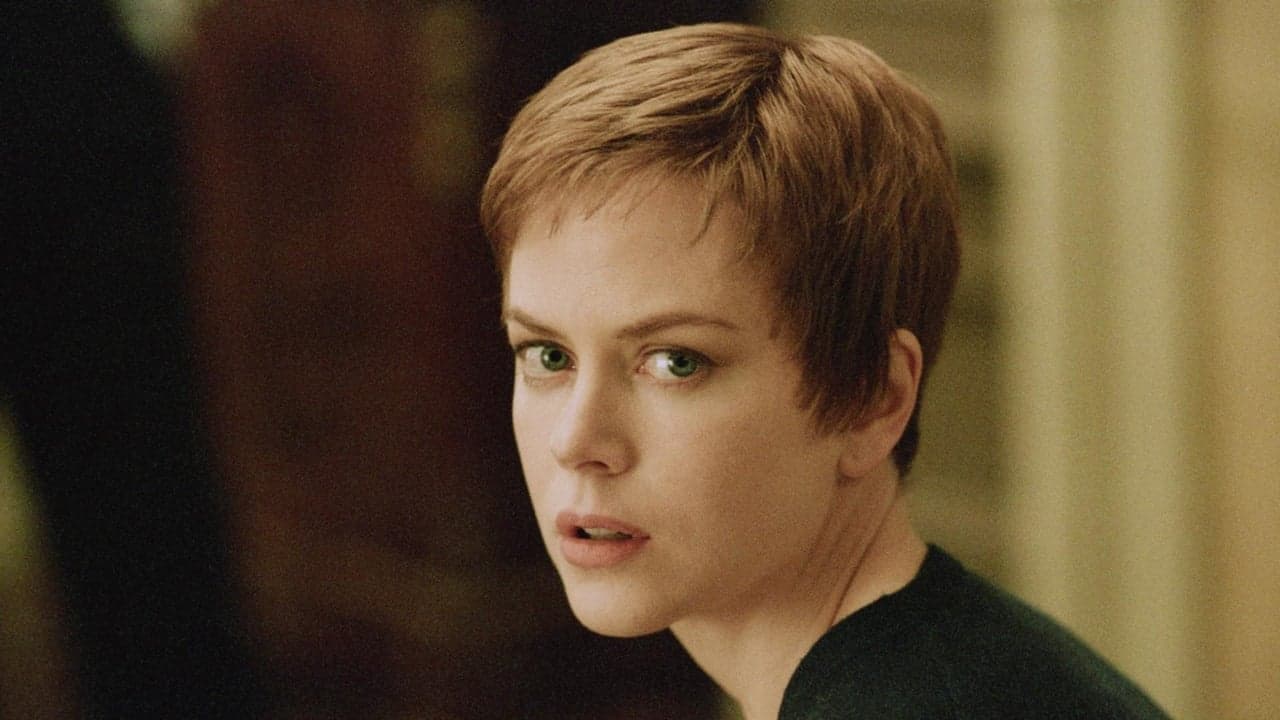
Nicole Kidman's performance is the film's backbone. She doesn't play Anna as a grieving widow anymore—that's behind her. Instead, Kidman captures something more psychologically intricate: a woman caught between rational skepticism and emotional hunger, between the life she's built and the ghost of the life she lost. Watch her face in scenes with the boy; there's no melodrama, just the subtle registers of doubt, longing, and creeping dread. Cameron Bright, meanwhile, delivers an unsettling performance precisely because he doesn't oversell the supernatural element. He's calm, matter-of-fact, almost bored—which makes him far more credible and disturbing than any hammy child actor could manage.
What's striking is that Birth doesn't work as a conventional thriller or ghost story. It's deliberately slow, almost glacial in its pacing—something many viewers found frustrating when it premiered. Glazer refuses to provide easy answers or genre satisfaction. Instead, he builds an atmosphere of creeping psychological unease through long takes, minimal music, and the way he photographs New York's Upper West Side as both beautiful and suffocating. The film asks uncomfortable questions about how much we're willing to distort reality when it serves our emotional needs. That ambiguity—refusing to confirm whether reincarnation is real or whether Anna is experiencing a kind of shared delusion—is precisely what makes it linger. It's not a film that wants to comfort you. It wants to make you complicit in Anna's choices, and that's deeply unsettling.
Where to Stream Birth Online
Birth is currently available on major OTT streaming services, and Movie OTT maintains a comprehensive widget at the top of this page showing exactly which platforms carry it in your region. Since streaming catalogs shift regularly, checking that widget before you start watching is your best bet for avoiding the frustration of a title disappearing mid-way through. The film's 100-minute runtime makes it accessible for a single sitting, though you'll likely want time to process what you've watched. The slow-burn nature of Birth means it's best experienced without interruption—give yourself the space to sit with its discomfort.
Frequently asked questions
Q: Is Birth based on a true story?
No, Birth is an original screenplay written by Jonathan Glazer and Jean-Claude Carrière. While reincarnation narratives exist across cultures and religions, this film's specific story about a widow and her dead husband's reincarnation is fictional, though it engages seriously with the philosophical and emotional implications of such a belief.
Q: Who directed Birth?
Jonathan Glazer directed and co-wrote Birth in 2004. Glazer is a British filmmaker known for his visual precision and willingness to explore unsettling psychological territory. His other work includes Sexy Beast (2000) and Under the Skin (2013).
Q: What's the famous bathtub scene everyone talks about?
Without spoiling specifics, there's a scene in a bathtub involving Anna and the boy that became notorious for its provocative nature and ambiguous intent. It's become the film's most discussed and debated moment—some see it as essential to understanding Anna's psychological state, while others found it exploitative. It's the kind of scene that defines whether you'll appreciate or reject the film entirely.
Q: Why is Birth so slow-paced?
Glazer deliberately uses long takes, minimal dialogue, and extended silences to build psychological tension rather than plot momentum. The pacing mirrors Anna's internal state—she's waiting, observing, trying to make sense of something that defies logic. It's a stylistic choice that rewards patience but frustrates viewers looking for conventional thriller beats.
Q: What does the ending of Birth mean?
The film's conclusion is deliberately ambiguous, leaving open whether the boy was genuinely Sean reincarnated or whether Anna experienced an elaborate shared delusion with him. Glazer refuses to provide certainty, forcing viewers to sit with the same uncertainty Anna lives with. It's the kind of ending that spawns endless debate.
Final Thoughts on Birth: A Film That Demands Your Attention
Birth isn't for everyone—that much is clear from its mixed reception. It's slow, unsettling, and philosophically murky in ways that can feel frustrating rather than profound. But there's something genuinely rare about a film that refuses to comfort its audience, that insists on exploring grief and desire and the dangerous territory where they overlap. Nicole Kidman's performance alone justifies watching it, and if you can surrender to Glazer's deliberately paced vision, you'll find a film that haunts you long after it ends. Don't expect answers. Expect questions that linger.