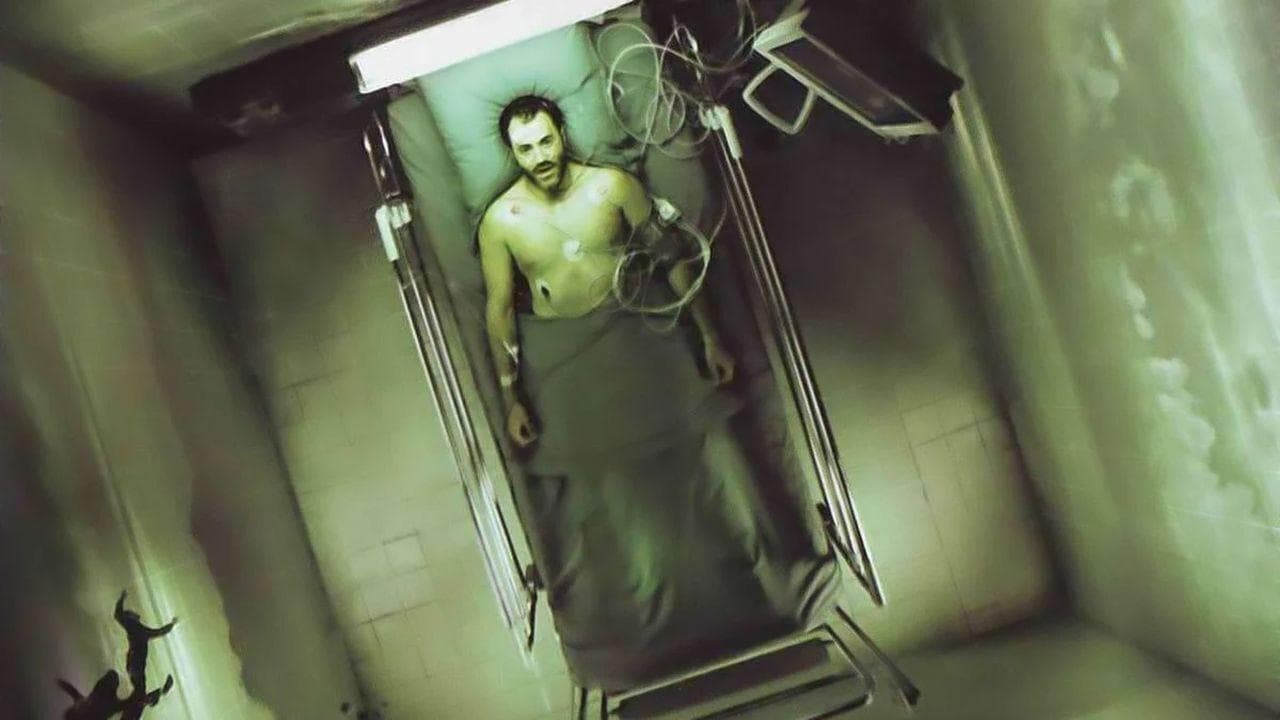










The story of Black Box unfolds in a hospital room
When a woman regains consciousness after a serious accident, she's technically alive — but something's wrong. The memories that should feel familiar instead feel hostile, fragmented, unreliable. Black Box (2005) takes that disorienting premise and runs with it, building a 90-minute mystery around what happens when the mind refuses to cooperate with recovery. The film doesn't hand you answers. Instead, it forces you to sit in the same confusion as its protagonist, watching her piece together a past that keeps shifting shape. It's a premise that sounds simple on paper but plays out as genuinely unsettling cinema.
Behind the making of Black Box and its European roots
Black Box emerged from the French production landscape through EuropaCorp and TF1 Films Production, two heavyweight players in European cinema. The film arrived in 2005 at a moment when psychological thrillers were beginning to explore more fragmented, unreliable narrative structures — Memento had hit five years earlier and changed how audiences thought about memory-based storytelling. While Black Box didn't achieve mainstream international recognition, it carved out space in festival circuits and European distribution networks where character-driven mysteries still found audiences willing to sit with ambiguity. The runtime of 90 minutes is deliberately lean; there's no fat here, no subplot detours. Every scene exists to either deepen confusion or offer a fragment of clarity. The production design works quietly — hospital corridors, dimly lit apartments, the kinds of spaces where trauma lives — without calling attention to itself. On IMDb, the film sits at 5.5/10, a rating that reflects the polarized reaction typical of films that refuse easy resolution. Some viewers found the ending frustrating; others recognized it as the whole point.
What makes Black Box stand out as psychological storytelling
Honestly, what's striking about Black Box is how it trusts its audience to stay uncomfortable. Most thrillers — especially in the 2000s — felt obligated to explain themselves by the final act, to make sure viewers left the theater confident they'd understood what they'd witnessed. This film doesn't do that. Instead, it builds its power through ambiguity, through the slow realization that memory itself might be the unreliable narrator. The performances anchor the uncertainty; without an actor willing to show confusion and doubt rather than manufactured certainty, the whole structure collapses. The film's strength lies in its refusal to sentimentalize trauma or wrap it in a bow. When the protagonist starts remembering fragments, we don't get triumphant music or a neat resolution. We get the dawning horror of recognizing that some truths might be worse than not knowing at all. It's the kind of thriller that works better the more you think about it afterward — and worse the more you try to explain it to someone else, which is probably exactly what the filmmakers intended.
Where to stream Black Box online
If you're hunting for Black Box, the film is available across major OTT services, and Movie OTT tracks current streaming availability so you don't have to hunt across platforms yourself. The "Where to Watch" widget at the top of this page shows exactly which services are carrying it right now — availability shifts seasonally, so checking there saves the frustration of signing into three different apps only to find it's been rotated off. Since it's a European production that didn't get massive theatrical distribution in North America, streaming has actually become the primary way English-language audiences discover it. That's not a knock against the film; it's just how international cinema works in 2024.
Frequently asked questions
Q: What happens to the woman in Black Box?
She wakes from a coma and begins recovering fragmented memories of her accident and her past. As she pieces things together, she realizes that her memories might not align with what others tell her happened — and that some truths might be deliberately hidden.
Q: Who directed Black Box?
The film was directed by Richard Berry, a French filmmaker working within the European thriller tradition. Berry's approach emphasizes psychological tension over plot mechanics.
Q: Is Black Box based on a true story?
No, it's an original screenplay. The premise is fictional, though it explores the very real psychological phenomenon of memory distortion following trauma.
Q: How long is Black Box?
The film runs 90 minutes, a tight runtime that keeps the narrative focused and claustrophobic without unnecessary subplots.
Q: Why is the IMDb rating so low?
The 5.5/10 rating reflects the film's refusal to provide clear answers or a traditionally satisfying ending. Viewers seeking conventional thriller resolution often found it frustrating, while others appreciated its commitment to ambiguity.
Final thoughts on Black Box
Black Box isn't a crowd-pleaser, and it doesn't pretend to be. It's a film for viewers who can sit with uncertainty, who don't need every thread tied up before the credits roll. If you're tired of thrillers that explain themselves to death, that treat audiences like they can't handle nuance — this one's worth your time. It's the kind of movie that sticks with you, not because it's perfectly executed, but because it refuses to let you look away from its central question: how well do we really know our own memories? That's unsettling territory, and Black Box plants itself right there and doesn't budge.