






The story of Body Rock: ambition, betrayal, and the cost of fame
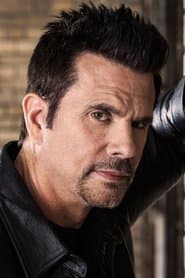
Body Rock tells the story of Chilly D, a gifted breakdancer navigating the gritty streets of New York in the early 1980s. Played by Lorenzo Lamas, Chilly D finds himself at a crossroads when a disco owner spots his talent and offers him a chance at the big time — a shot at real money, real fame, real escape from the streets. But that opportunity comes with a price: abandoning his crew, his friends, the community that made him who he is. The premise is straightforward, almost timeless in its setup (the talented kid seduced by the allure of commercial success), yet the film wraps it in the vibrant, chaotic energy of early-80s New York breakdancing culture. Director Marcelo Epstein clearly wanted to capture something authentic about that world — the graffiti, the crews, the battles, the raw physicality of it all. Whether he succeeded is another question entirely.
Behind the making of Body Rock: Epstein's love letter to street culture
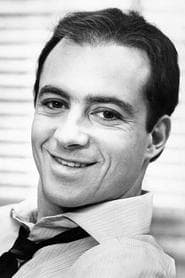
Marcel Epstein directed Body Rock as a passion project, a genuine attempt to document and celebrate the breakdancing scene that was exploding across New York at the time. Written by Desmond Nakano and Kimberly Lynn White, the film assembled a respectable ensemble: Lorenzo Lamas in the lead role, with supporting performances from Vicki Frederick, Cameron Dye, Michelle Nicastro, and Ray Sharkey. The 93-minute runtime suggests Epstein was working with a tighter budget than a major studio production, yet he packed the film with location shooting and dance sequences meant to feel authentic to the culture. The film arrived in 1984, right in the sweet spot of breakdancing's mainstream crossover moment — after Flashdance and before the trend began to fade from multiplexes. Body Rock didn't set the box office on fire, and it certainly didn't pick up major awards recognition, but it exists as a fascinating artifact of how Hollywood tried to capitalize on (and sometimes genuinely celebrate) urban youth culture at that particular moment. The MPAA rated it PG, making it accessible to younger audiences who were actually living this lifestyle.
What makes Body Rock stand out: ambition that outpaces execution
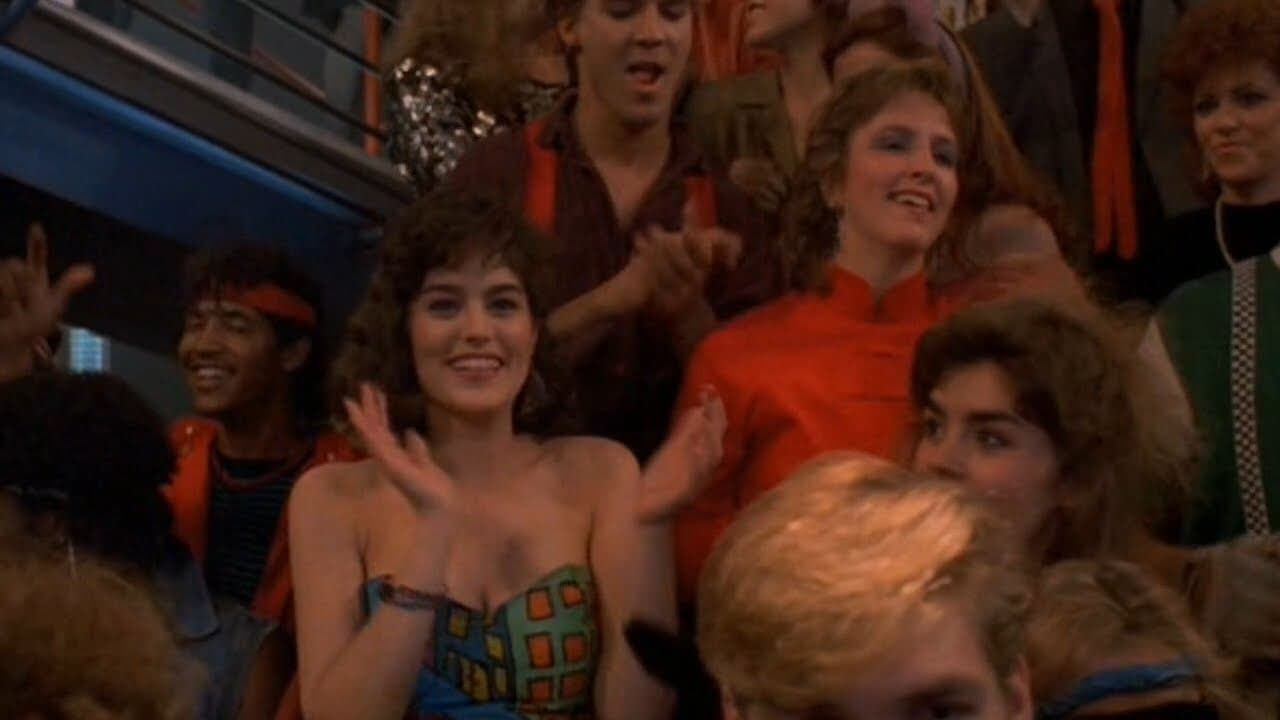
What's striking about Body Rock is how earnestly it tries to do something real. Epstein wasn't making a cynical cash-grab — he was making a love letter to the street culture of New York, complete with extensive segments celebrating graffiti art, crew battles, and the competitive spirit of the b-boy scene. The dance sequences themselves are genuinely impressive; these aren't Hollywood dancers pretending to break, they're the real thing. The problem, as more than one critic has noted, is that the film doesn't always know what to do with what it's got. The cast is capable, the energy is there, the cultural material is rich — but the narrative structure struggles. Tone shifts happen abruptly. Character motivations aren't always clear. It's colorful and chaotic in ways that feel both authentic and frustratingly unfocused. Lamas brings a certain charisma to Chilly D, and there's real chemistry between him and his crew, but the film's attempts to balance street authenticity with mainstream drama don't always land smoothly. You can feel Epstein's passion for the subject matter; you just can't always feel the hand of a director fully in control of his own vision. That contradiction — sincere affection for the culture clashing with uneven storytelling — is what makes Body Rock endlessly interesting to revisit, even if it doesn't always work.
Where to stream Body Rock online
Body Rock is currently available on major OTT services, and Movie OTT tracks its streaming availability across platforms in real time. The "Where to Watch" widget at the top of this page shows you exactly which service has it right now, whether that's your primary subscription or something you'd need to add. Since streaming rights shift frequently, checking that widget before you click play is always smart — it'll save you the frustration of hunting through your apps only to find it's moved to a different platform. Movie OTT keeps that information current so you don't have to.
Frequently asked questions
Q: Who directed Body Rock?
Marcelo Epstein directed the film, with the screenplay written by Desmond Nakano and Kimberly Lynn White. It was Epstein's attempt to create an authentic celebration of early-1980s New York breakdancing culture.
Q: Is Body Rock based on a true story?
No, Body Rock is a fictional drama, though it was inspired by and deeply embedded in the real breakdancing scene of 1980s New York. The film uses authentic dancers and locations to capture the era's genuine culture.
Q: What's the runtime of Body Rock?
Body Rock runs 93 minutes, making it a relatively tight film that packs a lot of dance sequences and street culture into its length.
Q: Who stars in Body Rock?
Lorenzo Lamas plays the lead role of Chilly D, with supporting performances from Vicki Frederick, Cameron Dye, Michelle Nicastro, and Ray Sharkey. The cast brings both professional actors and real dancers to the production.
Q: What's the plot of Body Rock in one sentence?
A talented New York breakdancer is lured away from his crew by a disco owner's promise of fame and fortune, forcing him to choose between street loyalty and commercial success.
Final thoughts on Body Rock
Body Rock isn't a perfect film. Its IMDb rating of 4.2/10 reflects the real frustration viewers feel watching its uneven execution. But it's the kind of imperfect artifact that rewards curiosity. It's a snapshot of a specific moment in American culture, made with genuine affection for its subject, even when the filmmaking itself falters. If you're interested in 1980s dance cinema, street culture, or just want to see what Hollywood was doing with breakdancing before the trend cooled, it's worth your time. Don't expect a masterpiece. Expect something messier, more human, and ultimately more interesting than polish alone could ever be.