


Borat: Cultural Learnings of America for Make Benefit Glorious Nation of Kazakhstan
The setup: A Kazakh journalist goes to America and breaks everything
Sacha Baron Cohen's Borat Sagdiyev arrives in the United States in 2006 with a simple mission — document American culture for his home country. What actually happens is messier, funnier, and far more unsettling than any straightforward travelogue could be. The film doesn't rely on scripted scenes or willing participants. Instead, Cohen walks into real situations with real, unsuspecting people and says the things no actual journalist would dare ask. A naive foreigner holding up a mirror to America. Except the mirror's got cracks in it.
Director Larry Charles — a television writer who'd cut his teeth on Seinfeld — turned this premise into something that sits uneasily between comedy and social experiment. The movie's 83 minutes long. Rated R. And it cost just $15 million to make, then went on to gross $128.5 million worldwide — a number that still surprises people when you consider what it actually is: a mockumentary about a fake Kazakh reporter asking real Americans uncomfortable questions.
What's striking is how the film doesn't need to trick anyone into being awful. Borat just creates a space where normal social guardrails drop away. He doesn't edit people's words or manufacture moments. He just shows up and asks questions that expose what was already there.
Why it worked: The performance, the precision, the discomfort
Cohen's commitment to the character is the whole operation. He never breaks — not once across the film. The deadpan delivery, the physical comedy (that hotel room scene with Ken Davitian is genuinely one of the most uncomfortable and hilarious things ever committed to film), the willingness to completely humiliate himself. It all adds up to a performance that's both hilarious and kind of exhausting to watch.
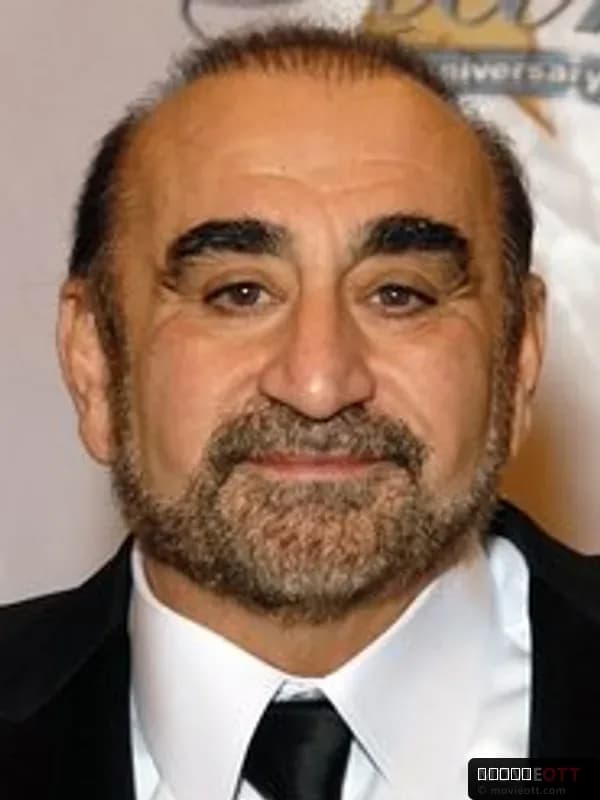
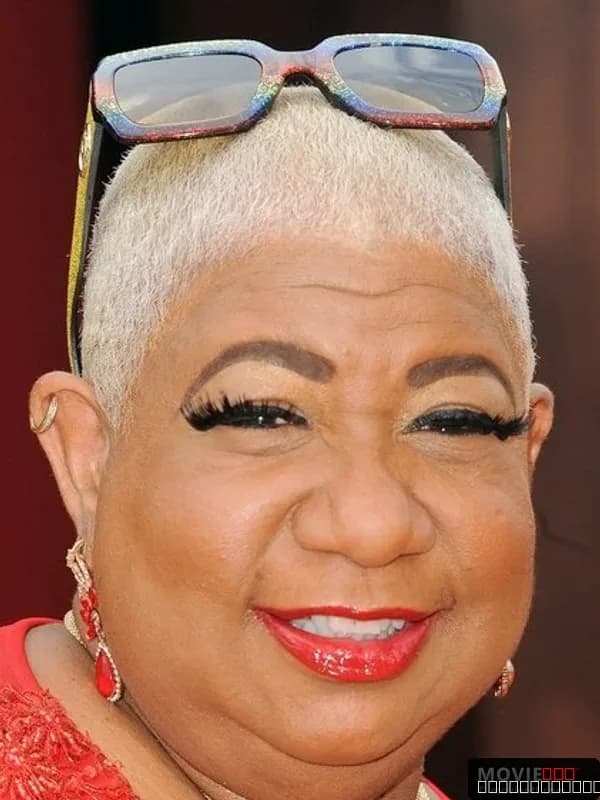
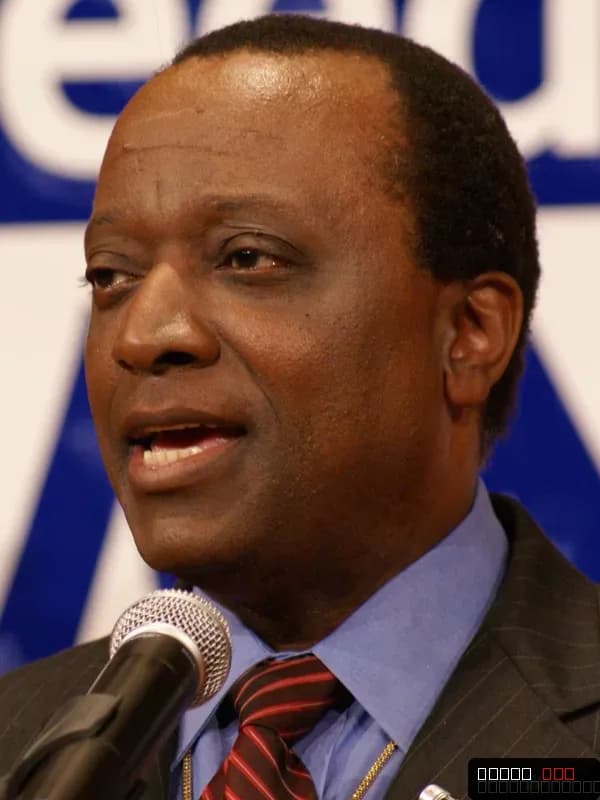
Ken Davitian plays Borat's rotund producer Azamat, and he's the counterweight that keeps the whole thing from floating into pure surrealism. Luenell appears as a sex worker Borat becomes infatuated with. Pamela Anderson, Bob Barr, and Alan Keyes all appear as themselves — presumably none of them quite expecting what they got into. The real-world participants, whether they're rodeo organizers or dinner party hosts, give the film a texture no fully scripted comedy could manufacture.
Charles keeps the pacing tight. The film never overstays its welcome. What I keep coming back to is a dinner party scene where Borat's increasingly outrageous behavior is met with patient Southern hospitality — right up until it isn't. That sequence is one of the sharpest pieces of comedy filmmaking from the 2000s. Not because it's cruel, but because it's so precisely observed. You can see the exact moment the room's tolerance breaks.
The critical and commercial reaction
Borat was a phenomenon. 90% on Rotten Tomatoes, 89 on Metacritic — scores that put it in genuinely rarefied company for a broad comedy. It earned one Academy Award nomination and picked up 20 wins across 34 nominations at the awards circuit. Variety reported that the film "turned the mockumentary form into something closer to performance art," which feels right. The film became quotable, meme-able, and endlessly referenced. That rarely happens to R-rated comedies about a fictional Kazakh reporter.
Box office performance was remarkable for something so uncommercial on its surface. Most studios wouldn't greenlight this film today. The fact that it made $128.5 million in 2006 speaks to something about the cultural moment — and about Cohen's willingness to actually commit to the bit, no matter how uncomfortable things got.
Where to actually watch it
You can find Borat on major streaming services, but availability shifts by region and season. Movie OTT tracks real-time streaming data across platforms — rental, purchase, and subscription options — so you can check what's available right now without jumping between five different apps. The film's 18 years old at this point, but it maintains a presence on most major services because it's still talked about, still quoted, still genuinely popular. The 7.2 rating on IMDb from over 472,000 votes is the kind of number that doesn't fade.
If you're outside the US, Movie OTT's international listings will show you where it's streaming in your region. Worth checking before you start hunting through your apps.
Should you actually watch this?
If comedy that makes you laugh and squirm in equal measure sounds appealing, yes. This is one of the few films that genuinely earns its reputation. It's not for everyone — the R rating exists for good reason, and some of what happens on screen is designed to make you uncomfortable. But for audiences who want comedy with actual teeth, who don't need every joke explained or softened, it's essential viewing.
The thing nobody mentions is how much discipline it takes to maintain a character this committed under real-world pressure. Cohen's in almost every frame. There's no safety net, no scripted dialogue to fall back on. He's just... Borat. For 83 minutes.
Even if you've seen it before, it's worth revisiting. The social commentary holds up. The humor lands harder than you'd expect. And there's something almost admirable about a major studio film that refuses to make anything easy — not for the audience, not for the real people in it, not for itself.