



What Bordello of Blood is really about
Bordello of Blood opens with private investigator Rafe Guttman—a wisecracking, perpetually exhausted gumshoe played by Dennis Miller—taking on what looks like a routine missing-person case. A deeply religious woman named Katherine Verdoux hires him to track down her wayward brother Caleb, who's vanished without a trace. But here's where the film pivots: the trail doesn't lead to a seedy motel or a loan shark's basement. Instead, Rafe stumbles into a gothic funeral home that's actually a front for something far more sinister—a high-class bordello run by Lilith, a vampire queen who's been walking the earth for a thousand years. As Rafe digs deeper, he uncovers that Katherine's own boss, a televangelist named Jimmy Current, is secretly bankrolling the whole operation. What starts as a straightforward noir setup becomes a collision between the sacred and the profane, between repression and desire, wrapped in enough horror-comedy gore to make you squirm and laugh simultaneously.
Behind the making of Bordello of Blood
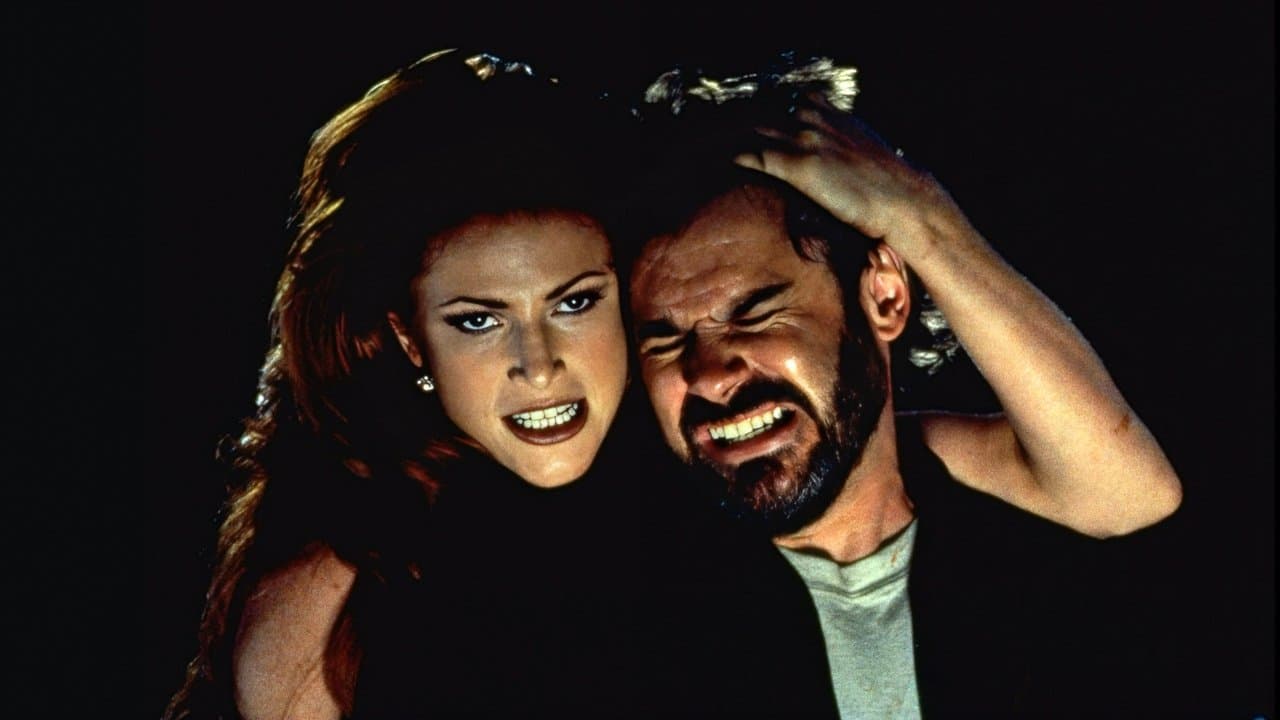
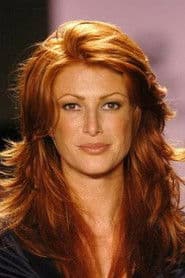
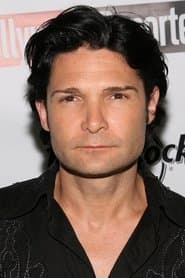
Bordello of Blood emerged in 1996 as part of the Tales from the Crypt franchise—not a direct adaptation of the HBO series, but a theatrical spin-off that took the brand's dark humor and ran with it in a different direction. Director Gilbert Adler, working from a screenplay he co-wrote with A.L. Katz (based on a story by Bob Gale and Robert Zemeckis), assembled a cast that blended established comedic talent with horror-film veterans. Dennis Miller, already known for his acerbic stand-up and television presence, carried the film as Rafe; his deadpan delivery became the film's comedic backbone. Erika Eleniak played Katherine with a kind of repressed intensity, while Corey Feldman rounded out the core trio as her missing brother. But the real draw was Angie Everhart as Lilith—a vampire queen who commands the screen with a combination of sensuality and menace that's hard to forget.
Universal Pictures and Tales From The Crypt Holdings produced the film with a reported budget that allowed for practical effects, elaborate sets, and genuine production value—you can see it in the bordello's gothic production design and the creature work. The 87-minute runtime keeps things lean and mean; there's no bloat here, no scenes that feel padded. The film landed with a mixed critical reception, though it's accumulated a respectable 5.958 rating on IMDb over the decades. It wasn't a massive box-office juggernaut, but it found its audience among horror fans and comedy enthusiasts willing to embrace its particular brand of campy audacity.
Why Bordello of Blood doesn't quite work, but almost does
What's striking is how hard the film commits to its tonal whiplash. Miller's Rafe is fundamentally a stand-up comedian doing noir—he's not really a detective so much as a guy in a fedora cracking wise at every turn. That works for maybe forty minutes, but around the midpoint, you start to feel the strain. The film wants to be scary, funny, sexy, and satirical all at once, and it doesn't always nail the balance. There's a scene where Rafe has to navigate the bordello's rules and clientele, and the comedy lands, but then the film cuts to genuinely unsettling vampire violence, and the tonal shift feels abrupt rather than earned.
That said, the film's commitment to its own strangeness is kind of admirable. It doesn't wink at the audience—it doesn't apologize for being weird. Miller's chemistry with Eleniak crackles in an odd way; their scenes together have a genuine spark despite the absurdity surrounding them. Everhart's Lilith is played with a kind of aristocratic menace that elevates what could've been a one-note villainess into something more complex. And honestly, the film's willingness to make fun of televangelists and religious hypocrisy—even while being a Tales from the Crypt product, which itself trafficked in moral ambiguity—gives it a satirical edge that holds up better than you'd expect. The thing nobody mentions is that this film's got a real point of view about American excess and corruption hiding beneath the surface comedy.
Where to stream Bordello of Blood online
Bordello of Blood is available on major OTT services, and Movie OTT tracks current streaming availability so you don't have to hunt across five different apps. The film's 1996 vintage and Tales from the Crypt pedigree mean it rotates between platforms fairly regularly. Check the "Where to Watch" widget at the top of this page for the most up-to-date listings—availability varies by region and subscription tier, but if you're looking to revisit this particular slice of mid-90s horror-comedy weirdness, you'll likely find it on at least one of the major services. Movie OTT keeps those listings fresh, so you'll know exactly where to catch it right now rather than wasting time searching.
Frequently asked questions
Q: Is Bordello of Blood connected to the Tales from the Crypt TV series?
Bordello of Blood exists in the Tales from the Crypt universe but isn't a direct continuation of the HBO series. It's a theatrical spin-off that uses the brand's tone and sensibility—dark, campy, morally murky—but tells its own standalone story with original characters.
Q: Who directed Bordello of Blood and what else have they done?
Gilbert Adler directed the film and co-wrote it with A.L. Katz. The story came from Bob Gale and Robert Zemeckis, which gives you a sense of the pedigree involved. Adler's work tends to skew toward horror and genre material with a comedic edge.
Q: How long is Bordello of Blood?
The film runs 87 minutes, which is lean for a feature—it moves fast and doesn't overstay its welcome, which is probably for the best given how much tonal territory it's trying to cover.
Q: What's the deal with Dennis Miller's character Rafe Guttman?
Rafe is a private investigator who talks like he's doing stand-up comedy. Miller essentially plays himself—wisecracking, sardonic, perpetually unimpressed—which is either the film's greatest strength or its biggest liability depending on your tolerance for his particular brand of humor.
Q: Is Bordello of Blood actually scary or is it just a comedy?
It's genuinely both, though the balance tips more toward horror-comedy than straight horror. There are moments of real menace and some pretty gnarly vampire violence, but the comedic sensibility never fully retreats, which creates this weird, unsettling tone that's hard to categorize.
Final thoughts on Bordello of Blood
Bordello of Blood is a film that knows exactly what it is and commits fully to that vision—for better or worse. It's not a masterpiece. It's not even a particularly successful blend of its constituent parts. But there's something genuinely admirable about a mid-90s horror-comedy that refuses to play it safe, that's willing to be strange and uneven and dark in ways that don't always land. If you're the kind of viewer who appreciates horror that doesn't take itself too seriously, or comedy that's willing to get genuinely creepy, it's worth a look. Just go in knowing you're signing up for a film that's messier than it is polished—and that's kind of the point.