


The story of Boycott
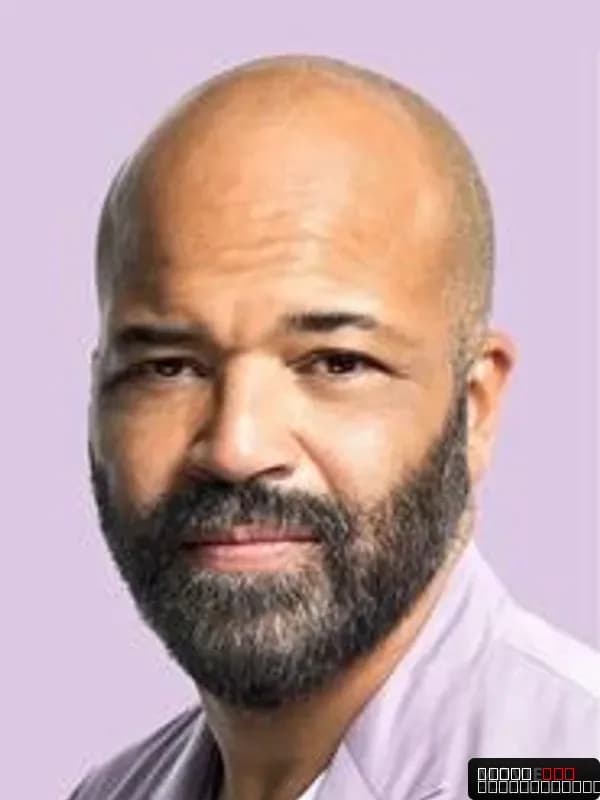
'Boycott' centers around the 1955 Montgomery bus boycott, a significant event that ignited the Civil Rights Movement in the United States. Directed by Clark Johnson, the film features an impassioned performance by Jeffrey Wright as Dr. Martin Luther King Jr., who emerges as a leader advocating for equality and justice. The boycott, lasting 381 days, is depicted as a collective struggle against systemic racism and segregation, showcasing the resilience and determination of the African American community in Montgomery, Alabama. With a runtime of 112 minutes, this historical drama immerses viewers in the emotional weight of this pivotal moment in American history.
Behind the making of Boycott
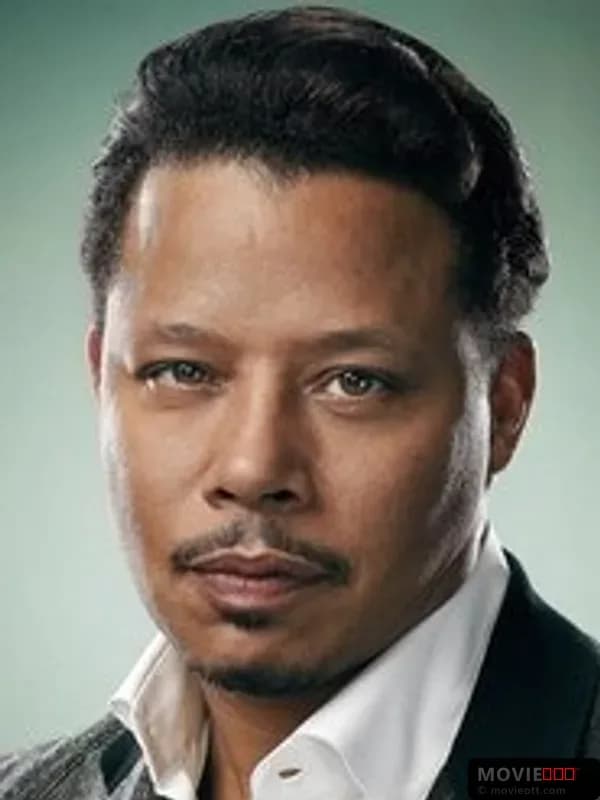
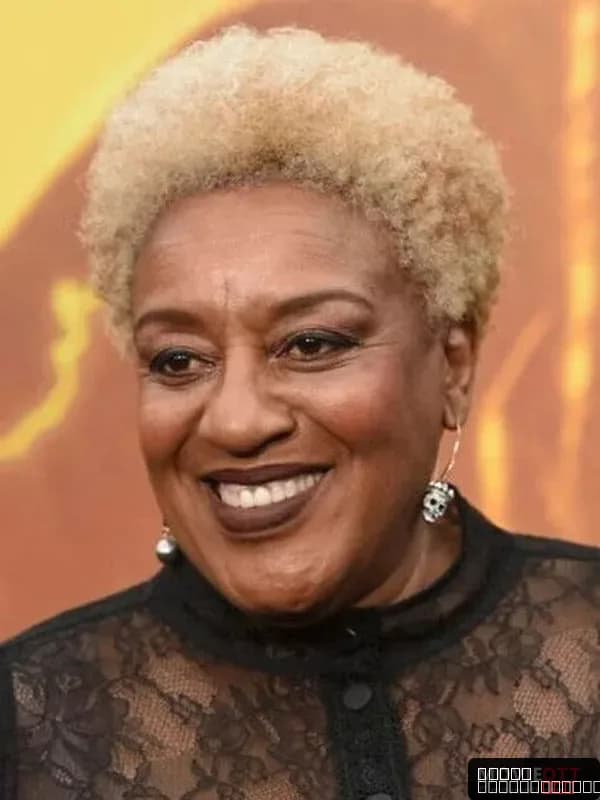
Clark Johnson's direction brings a compelling narrative to life, supported by a talented cast that includes Terrence Howard, CCH Pounder, and Carmen Ejogo. Released in 2001, 'Boycott' has garnered recognition for its authentic portrayal of historical events, earning five wins and ten nominations, including accolades at various film festivals. The film, rated PG, is not just a cinematic experience but also a historical document that captures the essence of a crucial time in America. Its IMDb rating of 6.6 reflects the film's impact on audiences, as it highlights the personal sacrifices and collective effort required to challenge injustice. The production emphasizes the importance of community and cooperation, which resonates throughout the film as it chronicles the struggle for civil rights.
Why Boycott resonates
The strength of 'Boycott' lies in its powerful performances, particularly by Jeffrey Wright, whose portrayal of Dr. King is both poignant and uplifting. Critics have praised the film for its emotional depth and commitment to authenticity. The narrative not only focuses on the events of the boycott but also delves into the personal lives of its key figures, showcasing their vulnerabilities and strengths. The film's ability to humanize historical icons makes it relatable to contemporary audiences. The cinematography and score enhance the storytelling, immersing viewers in the atmosphere of 1950s Montgomery. Themes of courage, resilience, and the pursuit of justice are intricately woven throughout, making 'Boycott' a timeless piece that echoes the ongoing fight for equality and civil rights.
Where to stream Boycott
You can watch 'Boycott' on major OTT services, allowing audiences to access this important film from the comfort of their homes. The film's availability on various platforms ensures that it reaches a broad audience, enabling viewers to engage with its historical narrative. Be sure to check the 'Where to Watch' widget at the top of this page for a complete list of streaming options.
Frequently asked questions
Q: What is the main theme of Boycott?
The primary theme of 'Boycott' revolves around the struggle for civil rights and the power of collective action. It explores how a community came together to challenge systemic racism and fight for equality.
Q: Who directed Boycott?
'Boycott' was directed by Clark Johnson, known for his work on various acclaimed films and television series. His direction in this film has been praised for its authenticity and emotional depth.
Q: What awards has Boycott won?
The film has received five wins and ten nominations, showcasing its critical acclaim and recognition within the film community. It reflects the film's impact on audiences and its importance in retelling a vital part of American history.
Q: Who stars in Boycott?
The film features a talented cast including Jeffrey Wright as Dr. Martin Luther King Jr., Terrence Howard, CCH Pounder, and Carmen Ejogo, all of whom deliver powerful performances that bring historical figures to life.
Q: When was Boycott released?
'Boycott' was released in 2001, providing a cinematic exploration of the Montgomery bus boycott and its significance in the Civil Rights Movement.
Final thoughts on Boycott
'Boycott' is a must-watch for anyone interested in the history of civil rights in America. Its powerful storytelling and exceptional performances make it a compelling film that encourages reflection on the ongoing fight for justice and equality. We recommend this film to those who appreciate history, drama, and the importance of collective action in the face of adversity.