
The Story of Bride of Frankenstein
Bride of Frankenstein opens with a jolt: the monster survived the windmill fire that supposedly ended the original film. Dr. Frankenstein, too, lived through that mob attack — scarred but breathing. What follows isn't a simple retread. Instead, the narrative pivots toward something stranger and more ambitious: a former mentor, the brilliant and sinister Doctor Pretorius, approaches the reluctant Baron with a proposition that'll force his hand. Create a companion for the monster, Pretorius insists. Domesticate the creature through companionship. It's a premise that sounds clinical on paper but becomes something far more complicated — a meditation on loneliness, obligation, and the price of playing God twice over. The 75-minute runtime moves with remarkable efficiency, building dread and dark comedy in equal measure as the characters hurtle toward an ending that refuses easy sentiment.
Behind the Making of Bride of Frankenstein
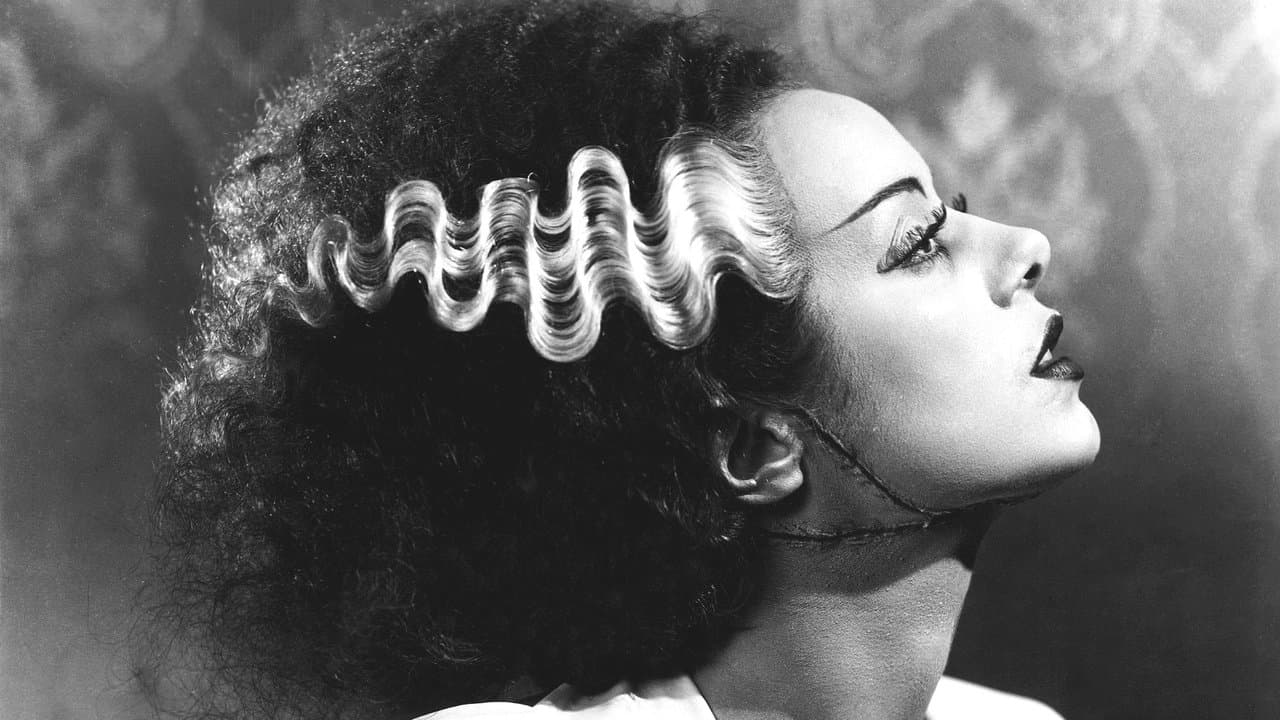
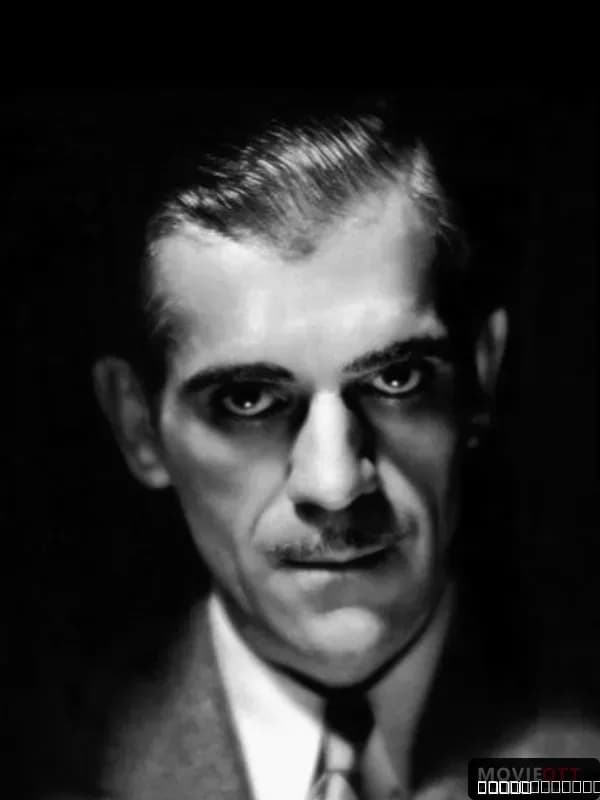
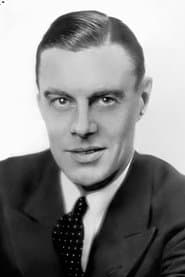
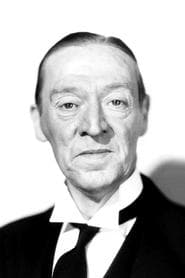
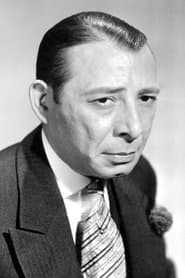
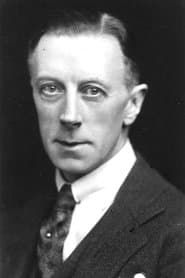
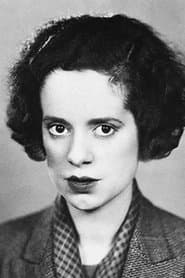
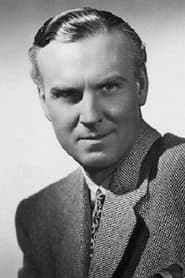
Director James Whale returned to helm the sequel just four years after the original's success, bringing back Boris Karloff as the Monster and Colin Clive as Dr. Frankenstein. The production was a major undertaking for Universal Pictures, which had already cemented its dominance in the horror market — this wasn't a cash-grab sequel but a genuine creative commitment. Elsa Lanchester took on the dual role of Mary Shelley (in the film's framing device) and the bride herself, a choice that gave the production unexpected literary weight. Ernest Thesiger, playing Doctor Pretorius, became the film's secret weapon; his performance as the cadaverous, theatrical villain steals scenes with unsettling ease. The film was shot in black and white, naturally, but the cinematography by John J. Mescall uses shadow and composition to create a visual language that's held up remarkably well. There's no data on massive box office returns in the modern sense, but the film's cultural staying power speaks volumes — it became the template for monster-movie sequels for decades. The IMDb rating of 7.5/10 reflects both its era and its genuine craft; audiences and critics have consistently recognized it as something special, a rare sequel that doesn't apologize for existing.
What Makes Bride of Frankenstein Stand Out
Honestly, what's most striking about rewatching this film is how much emotional weight Whale manages to pack into those 75 minutes. The monster — Karloff's performance remains genuinely moving, a creature capable of tenderness and rage in the same scene. When the blind hermit befriends him, offering companionship and music, there's a moment of grace that undercuts all the horror machinery. That's not an accident. Thesiger's Pretorius is the real monster here, manipulative and amoral, treating human creation like a parlor trick. The thing nobody mentions is how funny parts of this film are — not in a campy way, but in the dry, unsettling humor of Whale's direction. He doesn't wink at the audience; he trusts us to find the absurdity in the situation ourselves. The bride's creation sequence is genuinely unsettling, not least because Lanchester's performance — all jerks and hisses and animal confusion — refuses to be sympathetic or easily categorized. She's not a victim. She's not a monster either. She's something the film doesn't quite know what to do with, which is exactly why she works. The pacing never lets you settle, the performances stay grounded even as the plot spirals toward tragedy, and Whale's direction proves he understood something about horror that many filmmakers still don't: constraint is scarier than spectacle.
Where to Stream Bride of Frankenstein Online
Bride of Frankenstein is available on major OTT services — check the Where to Watch widget at the top of this page for current streaming availability in your region. Since this is a 1935 Universal production, it rotates across different platforms depending on licensing agreements, but you'll typically find it on services that specialize in classic horror or have deep back-catalog rights. Movie OTT tracks these shifts in real time, so if you're planning a Universal monster marathon, you can verify where each film is currently streaming before you settle in. The 75-minute runtime makes it perfect for a weeknight watch, and the black-and-white cinematography actually benefits from a quality streaming setup — the shadow work and composition are worth seeing clearly.
Frequently Asked Questions
Q: Is Bride of Frankenstein a direct sequel to the 1931 Frankenstein?
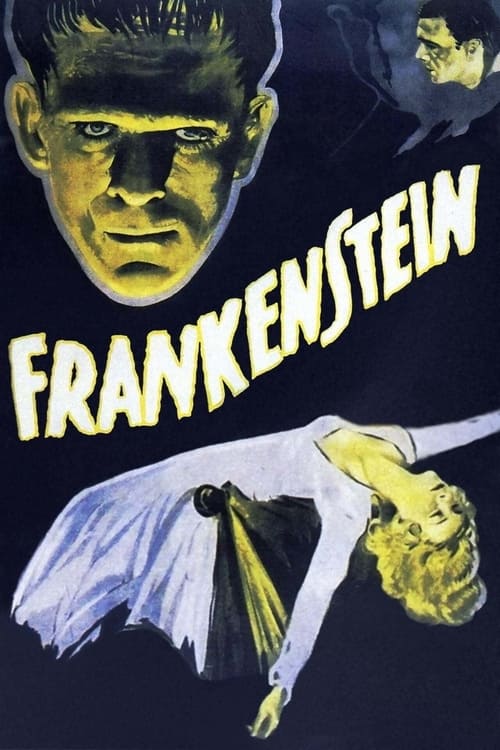
Yes, it's the first official sequel to Universal's 1931 film, directed by the same filmmaker, James Whale. Both the monster and Dr. Frankenstein survive the events of the first film, and the story picks up from there.
Q: Who directed Bride of Frankenstein?
James Whale directed both Bride of Frankenstein and the original 1931 Frankenstein. His visual style and dark humor are central to what makes the sequel work so well.
Q: What's the runtime of Bride of Frankenstein?
The film runs 75 minutes, making it a lean, efficient horror experience that doesn't overstay its welcome despite its ambitious plot.
Q: Why is Ernest Thesiger's performance in Bride of Frankenstein so memorable?
Thesier plays Doctor Pretorius with theatrical menace and genuine creepiness. He's the true villain of the film — manipulative, amoral, and utterly committed to his twisted vision of scientific creation.
Q: Is Bride of Frankenstein part of the Universal Monsters franchise?
Absolutely. It's part of the Universal Frankenstein Collection, which includes the 1931 original and several other monster films that share a universe and creative DNA.
Final Thoughts on Bride of Frankenstein
What makes Bride of Frankenstein endure isn't nostalgia or historical significance alone — it's that Whale made a genuinely unsettling, darkly funny, emotionally complex film that happens to be 89 years old. The monster's loneliness, Pretorius's casual evil, the bride's refusal to be tamed — these aren't quaint period pieces. They're human problems dressed in horror-movie clothes. If you haven't seen it, don't skip it thinking it's a relic. If you have seen it, it's worth revisiting. Either way, it's the kind of film that reminds you why horror, when done right, can say things about the human condition that other genres can't touch.