




What The Invisible Man (1933) Is Really About
The Invisible Man opens on a snow-choked English village called Iping, where a heavily bandaged stranger arrives at the Lions Head Inn demanding solitude and silence. He's Dr. Jack Griffin, a brilliant chemist who's conducted an experiment on himself that's left him with a secret he can barely contain—he's become invisible. But here's the thing: the invisibility serum hasn't just stripped away his physical form. It's altered him fundamentally, poisoning his mind with a drug-fueled aggression that transforms him from a desperate man seeking a cure into something far more dangerous. As the villagers grow suspicious and Griffin's cover begins to crack, he abandons any pretense of restraint, turning his newfound power into an instrument of terror.
Behind the Making of The Invisible Man and Universal's Golden Age
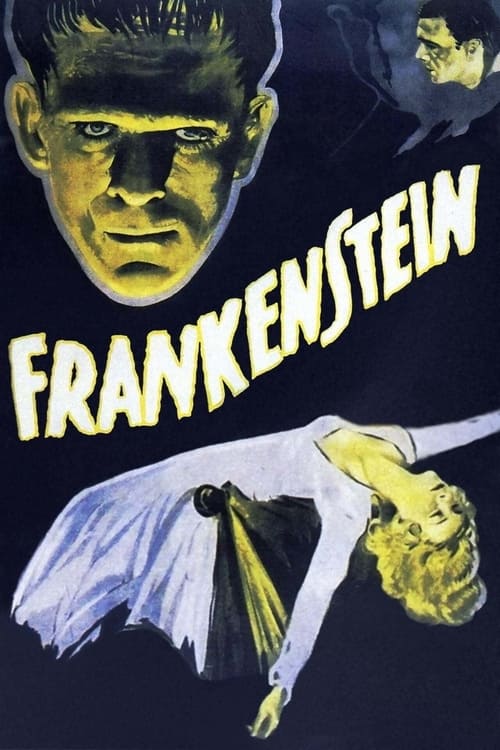
Directed by James Whale—who'd already established himself as one of horror's finest craftsmen with Frankenstein the year before—The Invisible Man arrived in 1933 as a pre-Code production, which meant it could push boundaries that would've been impossible just a few years later. Universal Pictures, riding high on the success of their monster cycle, gave Whale the resources and creative freedom to bring H.G. Wells' 1897 novel to the screen, though the adaptation moved the action from Victorian England to the contemporary 1930s. The film runs just 71 minutes, yet it never feels rushed—Whale's pacing is surgical, each scene building dread with economical precision.
Claude Rains, cast in his first major Hollywood role, carries the entire film without ever appearing on screen in his true form (we only see him as bandages, or not at all). That's a remarkable feat of acting—he's forced to convey menace, desperation, and madness entirely through his voice and the reactions of those around him. Gloria Stuart, who'd go on to a legendary career spanning decades, plays his fiancée Flora Cranley with genuine warmth, making Griffin's descent all the more tragic. The supporting cast, including William Harrigan as Dr. Kemp and Henry Travers as the bumbling police chief, grounds the fantastical premise in everyday reality. The film's technical achievements—the special effects that show Griffin's invisible form manipulating objects, his bandaged head moving through space—were cutting-edge for 1933, and they still hold up remarkably well. It earned a 7.5 rating on IMDb, a testament to its enduring craft.
Why The Invisible Man Endures as a Masterpiece of Horror-Science Fiction
What makes The Invisible Man so effective is that it's not really about invisibility at all—it's about power and what happens when someone obtains it unchecked. Whale understands that the real horror isn't the special effects; it's the corruption of the human soul. Griffin starts as sympathetic, almost pitiable: a man trapped in bandages, desperate for solitude to reverse an experiment that's gone wrong. But as the film progresses, you watch him abandon that desperation for something uglier. He's no longer trying to fix himself. He's reveling in domination. The pranks he plays on the village—turning over cars, causing chaos—seem almost playful at first, but they escalate into genuine violence, and by the film's end, he's committed to establishing what he calls a "reign of terror."
What's striking is how Whale uses sound design and negative space to create dread. You hear footsteps where there's no one visible. Objects move of their own accord. The camera lingers on empty doorways and empty rooms, and that emptiness becomes claustrophobic. I keep coming back to the scene where Griffin removes his bandages in front of a mirror—we never see his invisible face, but we see the reaction of those who do, and their horror is our horror. Rains' voice work is equally masterful; he shifts from pleading to manic to coldly rational, often within the same monologue. The thing nobody mentions is how funny some of it is—there's genuine dark comedy in the chaos he causes, which makes the transition to genuine menace all the more unsettling. It's a film that understands tone can't be one-note.
Where to Stream The Invisible Man Online
The Invisible Man is available on major OTT services, and you can check the Where to Watch widget at the top of this page to see exactly which platforms are currently carrying it in your region. Streaming availability shifts frequently—what's on one service today might move tomorrow—so Movie OTT tracks real-time availability across all the major platforms to save you the hunt. Since the film is 91 years old and in the public domain in some territories, you might find it on multiple services simultaneously, from classic film archives to mainstream streamers. That said, the quality of the transfer matters when watching something this old, so checking which platform offers the best restoration is worth a moment of your time.
Frequently asked questions
Q: Who directed The Invisible Man and what else has he made?
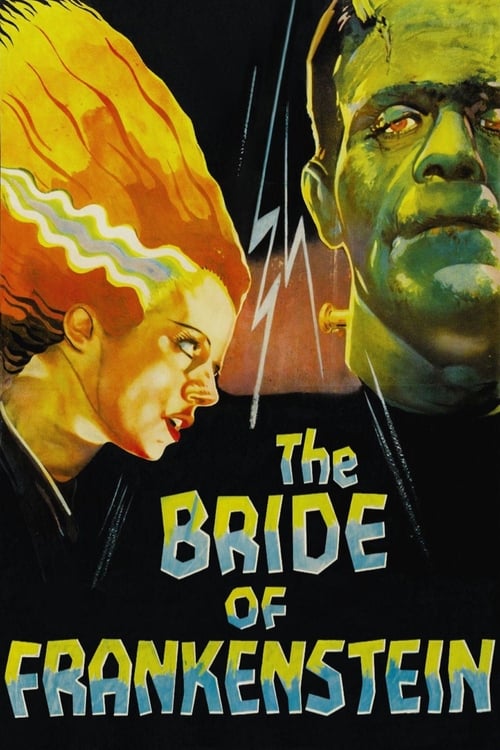
James Whale directed The Invisible Man in 1933. He's best known for Frankenstein (1931) and Bride of Frankenstein (1935), making him one of the architects of Universal's monster cycle. Whale's visual style—expressionist lighting, innovative camera work, and a dark sense of humor—defined horror cinema in the 1930s.
Q: Is The Invisible Man based on a true story?
No, it's based on H.G. Wells' 1897 science fiction novel of the same name. Whale's 1933 film adaptation loosely follows the novel but updates the setting to the 1930s and emphasizes the psychological horror of Griffin's madness more than Wells did.
Q: How long is the movie, and is it slow-paced?
The Invisible Man runs 71 minutes, making it lean and taut by any standard. Despite its age, it doesn't feel slow—Whale's direction is economical and purposeful, building tension without wasting a single scene.
Q: Why can't we see the invisible man's face?
That's the brilliance of the filmmaking. Showing an invisible character is technically impossible, so Whale uses bandages, shadows, and negative space to suggest his presence. When Griffin removes his bandages, we never see his invisible face—only the horrified reactions of those who do, which is far more effective than any visual effect could be.
Q: Is The Invisible Man part of a series?
Yes, it's part of The Invisible Man Collection, Universal's franchise of films based on Wells' concept. However, this 1933 film stands completely on its own and doesn't require knowledge of any other entries.
Final Thoughts on The Invisible Man
If you haven't seen The Invisible Man, you're missing one of cinema's foundational horror films—not because it's historically important (though it is), but because it's genuinely thrilling. Whale's direction, Rains' performance, and the film's exploration of how power corrupts make it feel urgent even now. It's the rare classic that doesn't feel like homework. Watch it.