




The story of Brothers Till We Die: Betrayal in the Underworld
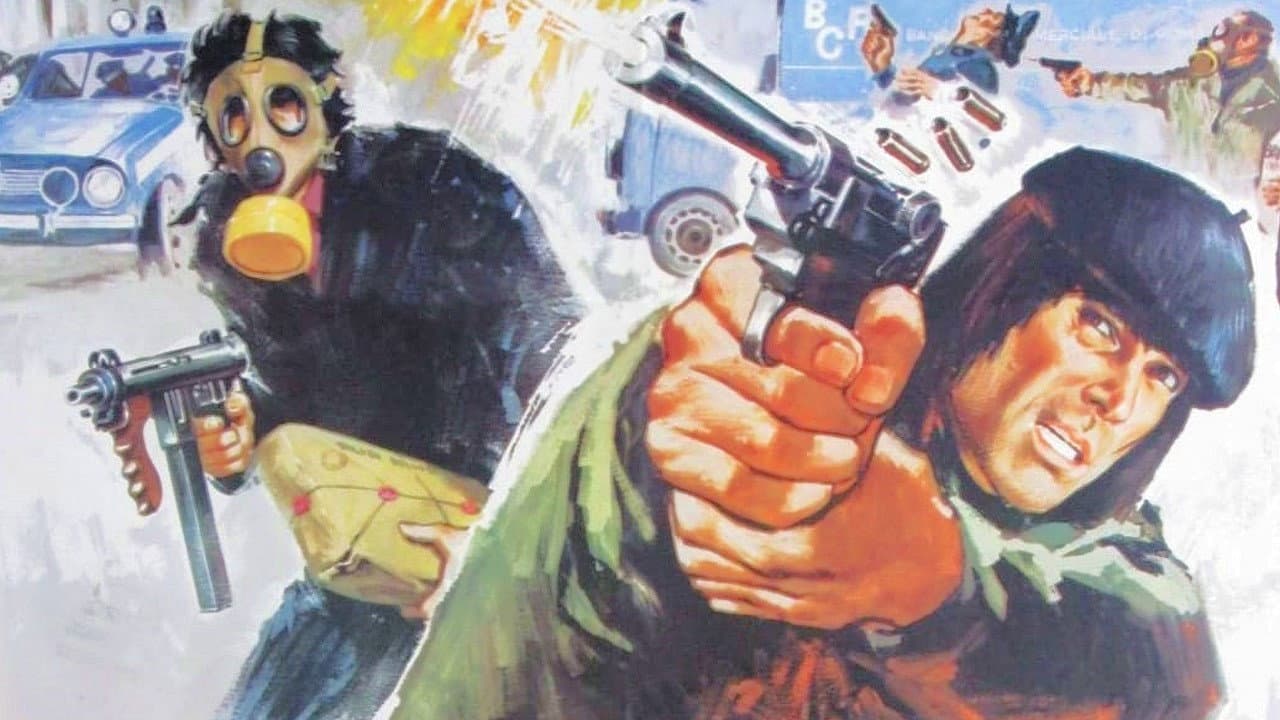
Brothers Till We Die is a 1977 Italian crime thriller that centers on a deceptively simple premise: a heist goes wrong, loyalty evaporates, and one man decides to settle the score. Vincenzo Marazzi—known as "The Hunchback"—orchestrates a robbery of an armored police van with his gang, but the job's success becomes his curse. His crew turns on him, murders hanging in the air like cigarette smoke, and vanishes with the loot. Forced into the city's sewers to hide, Vincenzo resurfaces with a single purpose: methodical, brutal revenge. He hunts down each gang member one by one, dispatching them in increasingly savage ways. What starts as a straightforward heist narrative becomes something far darker—a meditation on trust shattered and the violent arithmetic of retribution.
The film doesn't shy away from its pulpy premise. Instead, it leans into the grit and moral murk that defined Italian poliziottesco cinema of the 1970s, where good guys weren't always good and survival trumped ethics. The sewers become a character themselves, a liminal space where Vincenzo plots and waits, neither fully alive nor dead—just patient, calculating, waiting for his moment.
Behind the making of Brothers Till We Die: Lenzi's Final Monnezza Entry
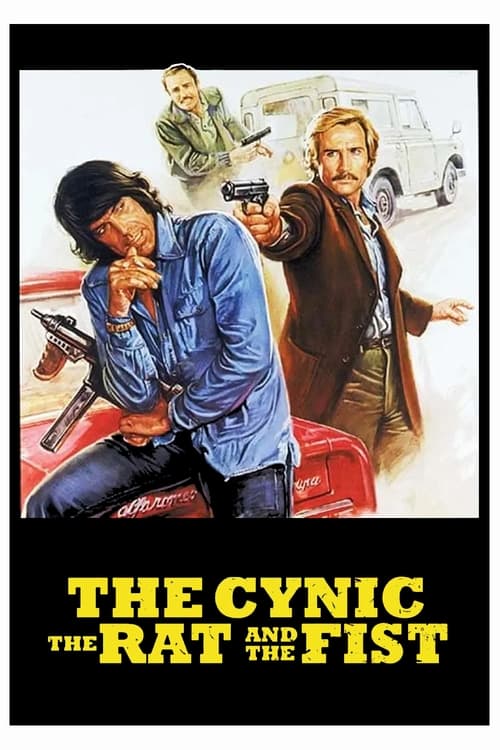
Director Umberto Lenzi helmed Brothers Till We Die as the fifth and final entry in what's known as the Monnezza Collection, a shared-universe saga within Italian crime cinema that also included The Tough Ones, Free Hand for a Tough Cop, and Destruction Force. Lenzi was a prolific craftsman of the poliziottesco genre—a filmmaker who understood how to build tension from urban decay and moral compromise. The film was produced by Dania Film and Medusa Distribuzione, two significant Italian production houses of the era.
What makes this film particularly noteworthy is its casting: Tomas Milian, who'd become a fixture of the genre, plays not one but two characters—Vincenzo "The Hunchback" Marazzi, a role he'd originated for Lenzi in The Tough Ones, and his twin brother Sergio Marazzi, also known as "Er Monnezza." Milian had played the Monnezza character before in Free Hand for a Tough Cop and again in Stelvio Massi's Destruction Force, making this dual role a kind of culmination of his work across these interconnected films. It was the last collaboration between Lenzi and Milian, lending the project a valedictory weight. The 95-minute runtime is lean and efficient—no fat, all muscle—typical of how Italian genre cinema operated: get in, tell the story, get out. The film carries a 6.9 IMDb rating, reflecting its status as a solid, if not universally beloved, entry in a niche but devoted subgenre.
What makes Brothers Till We Die stand out in 1970s Italian crime cinema
Honestly, what's striking about Brothers Till We Die isn't flashy technique or star power—it's the film's commitment to its own brutality. Lenzi doesn't soften the revenge narrative with sentimentality or redemptive arcs. Vincenzo is methodical, almost robotic in his killings, and the film treats each murder as a logical consequence rather than a moral reckoning. There's no hand-wringing, no moment where he questions whether vengeance is worth it. He's decided. He acts. That's the whole film.
Tomas Milian's dual performance works because he doesn't try to make the twins mirror images. They're distinct—different postures, different rhythms of speech, different moral textures (though both are compromised in their own ways). The thing nobody mentions about Italian poliziottesco is how it thrived on moral ambiguity. The cops aren't heroes. The criminals aren't sympathetic. Everyone's just trying to survive and profit in a city that doesn't care about anyone. Brothers Till We Die operates entirely in that gray zone. When you're watching Vincenzo methodically eliminate his betrayers, you're not rooting for justice—you're rooting for competence, for someone following through on a promise, however dark that promise is.
The film also benefits from the visual language Lenzi brought to the genre: grimy Roman locations, harsh lighting, a sense of the city as a labyrinth where violence erupts without warning. The sewers become a visual metaphor for the underworld itself—literal and figurative at once—and Vincenzo's emergence from them is less a resurrection than a haunting.
Where to stream Brothers Till We Die online
Brothers Till We Die is available on major OTT services, and Movie OTT tracks current streaming availability across platforms to help you find exactly where it's playing right now. Availability shifts regularly depending on your region and licensing agreements, so checking the Where to Watch widget at the top of this page will show you the most up-to-date list of services carrying the film. Whether you're a devoted fan of Italian genre cinema or a newcomer curious about the poliziottesco tradition, knowing where to catch it is half the battle—and that's what our streaming aggregator is built to solve.
Frequently asked questions
Q: Is Brothers Till We Die part of a series? Yes, it's the fifth and final entry in the Monnezza Collection, a shared-universe saga of Italian crime films. You don't need to watch the others to follow this one, but they add context to Tomas Milian's character arcs across the films.
Q: Who directed Brothers Till We Die? Umberto Lenzi directed the film. It was his last collaboration with star Tomas Milian and represents a capstone to their work together in Italian poliziottesco cinema.
Q: Does Brothers Till We Die require subtitles? Yes—this is an Italian film. It was originally shot and released in Italian, so you'll be reading subtitles unless your streaming service offers a dubbed version, which varies by platform.
Q: How long is Brothers Till We Die? The film runs 95 minutes, making it a lean, efficient thriller with no wasted narrative space.
Q: What's the genre of Brothers Till We Die? Brothers Till We Die is classified as a thriller, action, and crime film. It's a poliziottesco—the Italian crime-thriller subgenre that flourished in the 1970s and '80s.
Final thoughts on Brothers Till We Die
If you're drawn to 1970s European crime cinema—the kind that doesn't apologize for its moral ambiguity or its violence—Brothers Till We Die is worth your time. It's not a masterpiece, but it's a solid, purposeful thriller that understands its genre and executes it without flinching. Milian's dual role gives the film an extra layer of intrigue, and Lenzi's direction keeps things moving at a pace that doesn't allow for much reflection. Sometimes that's exactly what you want from a film: clarity of purpose, competent execution, and a willingness to let the story be what it is. Dark, grimy, and uncompromising—just like the city it inhabits.