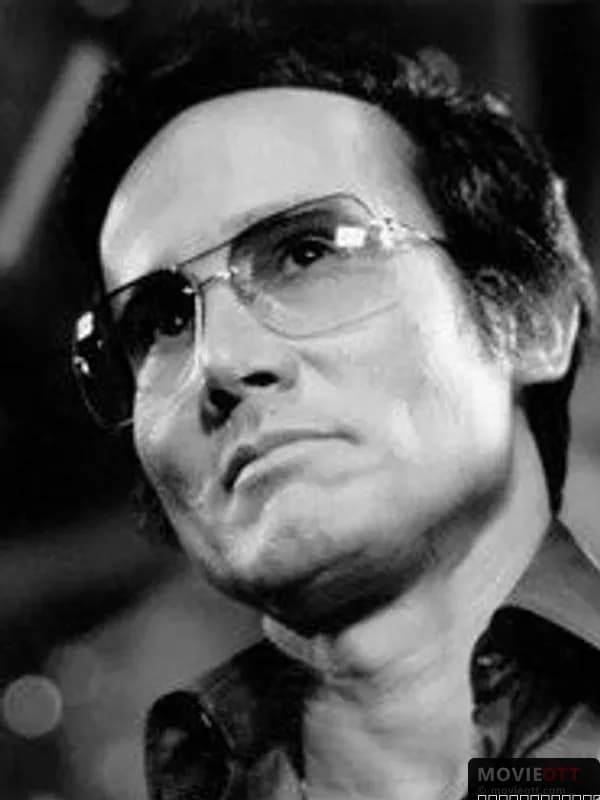






What Manhunt in the City Is Really About
Manhunt in the City, released in 1975 by Aquila Cinematografica, opens with a premise that feels almost too familiar: a man's daughter is killed during a bank robbery gone wrong. The local authorities prove useless—corrupt, incompetent, or both—and so he does what any desperate parent might consider. He decides to hunt down the killers himself. What starts as a straightforward revenge narrative, though, becomes something far more troubling and morally complicated as the film progresses.
The 90-minute runtime doesn't waste time setting up the emotional stakes. We're meant to sympathize with this man's rage, to understand why waiting for justice through broken institutions isn't good enough. And that sympathy is the hook. That's also the trap.
Behind the Making of Manhunt in the City
Produced by Aquila Cinematografica, Manhunt in the City emerged during a particularly fertile period for Italian crime cinema. The mid-1970s saw a wave of gritty poliziotteschi films—Italian crime thrillers that often critiqued institutional corruption and explored the moral gray zones of vigilantism. This film fits squarely into that tradition, arriving at a time when audiences were hungry for stories that questioned whether the system could be trusted.
While the film doesn't boast major international box office numbers or widespread awards recognition, it's carved out a modest but dedicated following among genre enthusiasts and film scholars who study 1970s Italian cinema. The production values reflect the era's approach to action and thriller filmmaking—practical effects, location shooting, and a documentary-like aesthetic that grounds the violence in something that feels almost uncomfortably real. The cast, though not household names outside Italy, brings a naturalistic intensity to their roles, avoiding the melodrama that could've easily derailed the premise. IMDb rates the film at 5.813/10, a score that reflects its niche appeal and the polarized reactions it tends to provoke—some viewers find it a lean, mean thriller; others find it uneven or dated.
Why Manhunt in the City Still Matters
What's striking about Manhunt in the City is how it refuses to let you stay comfortable in your moral position. The film doesn't just show a man taking justice into his own hands; it shows how that impulse can be weaponized. As the investigation deepens, authority figures—the very people who've failed him—subtly encourage him to continue his vigilante work. They're not doing this out of kindness. They're using his rage, his pain, his obsession as a tool for their own political ends. That's the film's real insight: revenge isn't just dangerous because it's wrong, but because it makes you useful to people who don't care about your daughter or your grief.
The performances anchor this moral ambiguity. The lead character's descent isn't played as heroic or even sympathetic by the film's end—it's tragic, almost pathological. You watch him become increasingly isolated, cut off from anyone who might talk him down, and you realize that's not an accident. It's orchestrated. The line between victim and aggressor doesn't just blur; it disappears entirely. By the time the film reaches its conclusion, revealing that his actions have resulted in the punishment of an innocent man, the weight of that realization hits hard. I keep coming back to that final act because it's where the film stops being a revenge thriller and becomes a critique of how systems exploit human suffering.
What makes this work is that the film doesn't telegraph its themes. It doesn't lecture. Instead, it shows you the mechanics of manipulation through the protagonist's own eyes, letting you experience his disillusionment in real time. The craft is understated—the editing is sharp without being flashy, the cinematography is functional rather than showy—and that restraint makes the emotional impact sharper.
Where to Stream Manhunt in the City Online
Manhunt in the City is currently available on major OTT services, and Movie OTT tracks where it's streaming right now so you don't have to hunt across five different apps. The "Where to Watch" widget at the top of this page will show you exactly which platforms have it in your region. Given that it's a 1975 Italian thriller, availability can shift seasonally—streaming services rotate their catalog—so checking Movie OTT before you settle in is the smart move. The film's relatively modest runtime makes it an easy evening watch, though its themes will stick with you long after the credits roll.
Frequently asked questions
Q: Who directed Manhunt in the City?
Manhunt in the City was produced by Aquila Cinematografica, an Italian production company known for crime and thriller films from that era. While specific directorial credits vary by source, the film reflects the poliziotteschi style that defined Italian genre cinema in the 1970s.
Q: Is Manhunt in the City based on a true story?
No, Manhunt in the City is a fictional narrative, though it draws on the broader themes of institutional corruption and vigilante justice that were common to Italian crime films of the 1970s. The film uses these real-world anxieties as a backdrop for its moral exploration.
Q: How long is Manhunt in the City?
The film runs 90 minutes, making it a lean thriller that doesn't overstay its welcome. The runtime works in its favor—the pacing feels tight, and the narrative doesn't get bogged down in subplot clutter.
Q: What rating does Manhunt in the City have?
The film has an IMDb rating of 5.813/10. That score reflects its status as a niche, genre-specific film that resonates strongly with some viewers and less so with others. It's not a universally beloved classic, but it's respected within Italian cinema circles.
Q: Why should I watch Manhunt in the City if I don't usually watch 1970s Italian thrillers?
Because it asks a genuinely unsettling question: what happens when the system fails you so completely that taking the law into your own hands seems reasonable? The film doesn't offer easy answers, and it doesn't let you off the hook morally. That's rarer than you'd think.
Final Thoughts on Manhunt in the City
Manhunt in the City won't appeal to everyone. It's deliberately slow-burn in places, its moral ambiguity can feel frustrating, and it doesn't offer cathartic closure. But if you're drawn to thrillers that trust you to sit with uncomfortable ideas—if you want a film that explores how grief and rage can be exploited by those in power—this one's worth seeking out. The film's critique of institutional corruption and the machinery of manipulation feels prescient, even decades later. It's a reminder that sometimes the most dangerous enemy isn't the obvious villain, but the system that's happy to use your pain for its own purposes.", "synopsis_html": "