





The Story of Brubaker and a Warden's Mission
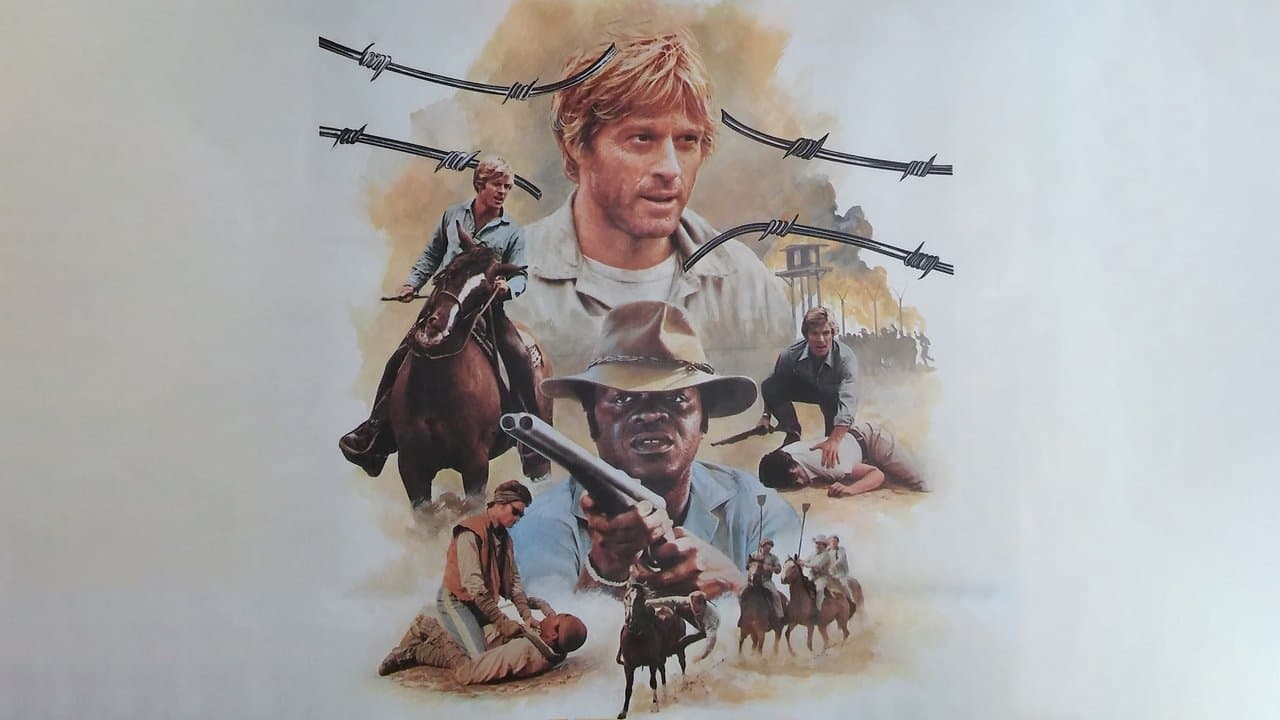
Brubaker follows Henry Brubaker, a newly appointed warden tasked with cleaning up a deeply troubled state penal farm in Arkansas. Rather than announce himself immediately, Brubaker enters the system as an inmate—a calculated move that lets him witness firsthand the casual brutality, sexual abuse, and systematic corruption that runs through the prison's veins. What he discovers is staggering: inmates serving as armed "trusty" guards, severe beatings, electrical torture, and extortion schemes that the administration has either condoned or ignored. Once he reveals his true identity and assumes full control, Brubaker faces an impossible choice: work within a broken system or risk everything to tear it down and rebuild it from scratch.
Behind the Making of Brubaker and Its Real-World Origins
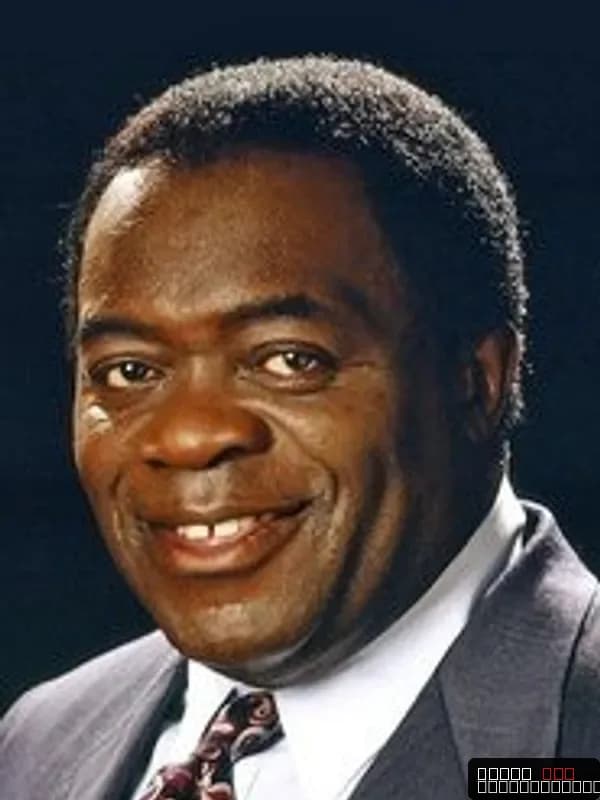
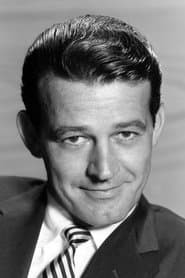
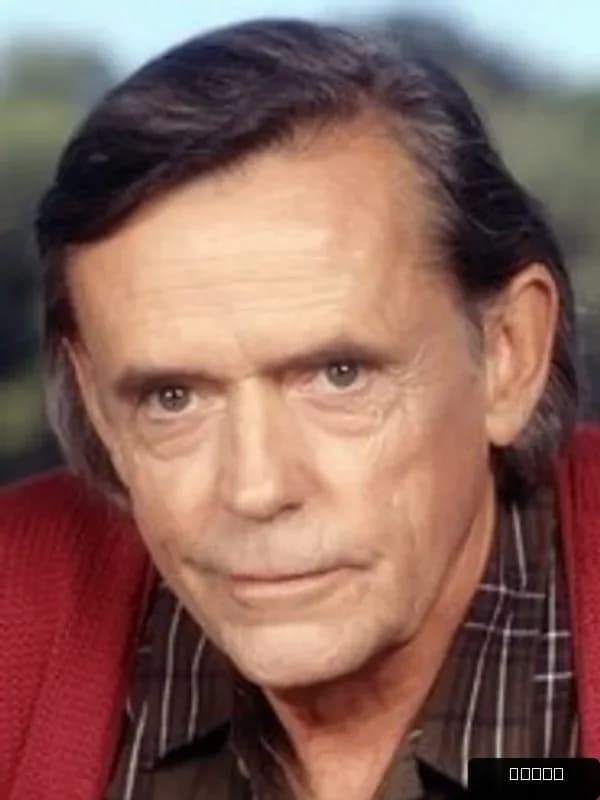
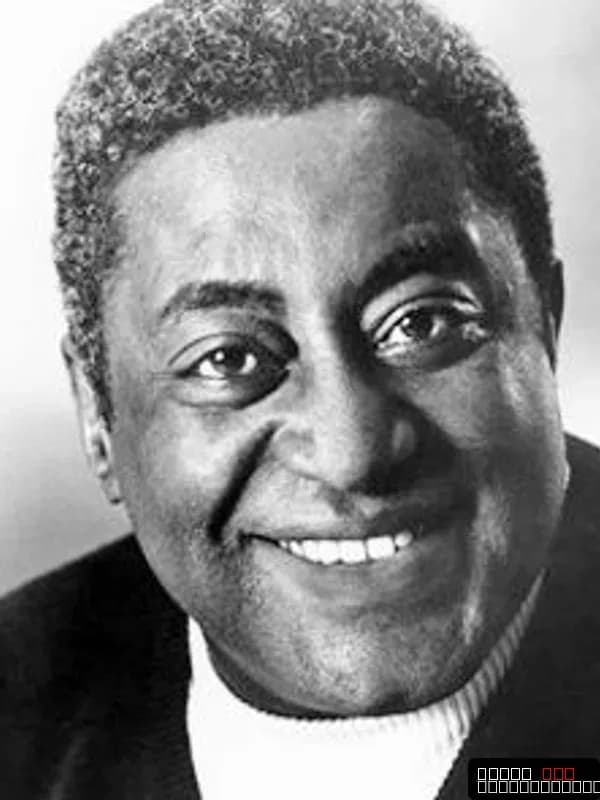
Director Stuart Rosenberg brought Brubaker to the screen in 1980, adapting W. D. Richter's screenplay from Tom Murton and Joe Hyams' 1969 book, Accomplices to the Crime: The Arkansas Prison Scandal. Murton was himself a real prison reform warden who uncovered the 1967 scandal at Cummins Prison Farm, and his firsthand account gave the film a foundation of genuine institutional horror. The production assembled an impressive ensemble: Robert Redford anchors the film with his characteristic moral intensity, while supporting roles featured Yaphet Kotto, Jane Alexander, Murray Hamilton, and a young Morgan Freeman in an early film appearance that showcased his growing talent. The film earned a nomination for Best Original Screenplay at the 1981 Academy Awards, recognition that acknowledged Richter's sharp, unflinching script. At 125 minutes, Brubaker takes its time—it doesn't rush the moral complexity or the slow burn of institutional change, which is exactly why it works.
What Makes Brubaker Stand Out Among Prison Films
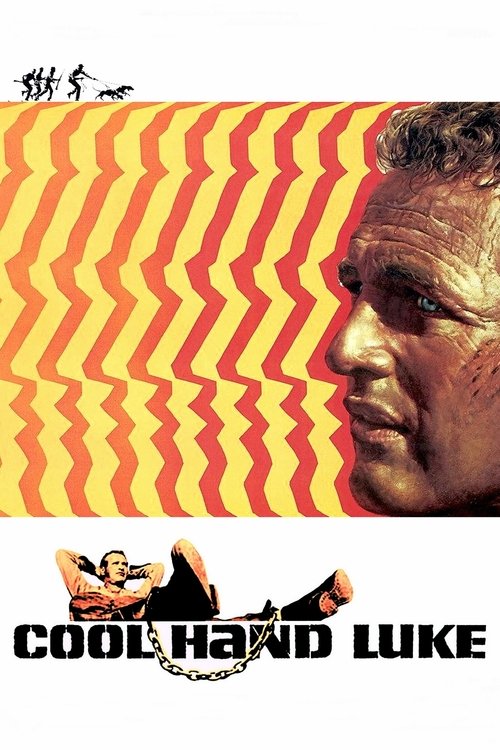
Here's the thing that strikes me about Brubaker: it's rarely mentioned in the same breath as Shawshank Redemption or Cool Hand Luke, yet it deserves to be. One of the most compelling aspects is how the film refuses easy answers. Brubaker isn't a lone hero who single-handedly fixes everything—he's a man running up against bureaucratic indifference, political pressure, and the sheer inertia of a system that's been rotten for decades. The performances ground every moment in uncomfortable reality. Redford doesn't play a savior; he plays someone exhausted, frustrated, and increasingly aware that good intentions collide with bad politics. Yaphet Kotto brings a quiet menace to his role, while Jane Alexander—as a sympathetic outsider—provides a counterpoint to the masculine world of the prison itself. What's striking is how the film captures the small, human costs of reform: a guard who's been doing things a certain way for years and can't imagine change, inmates who've internalized their own powerlessness, administrators who see the prison farm as a budget line item rather than a place where people suffer. The violence isn't gratuitous; it's matter-of-fact, which somehow makes it worse.
Where to Stream Brubaker Online
Brubaker is currently available across major streaming platforms, and Movie OTT tracks its availability in real time so you can find it wherever you subscribe. Rather than hunting through multiple services yourself, the Where to Watch widget at the top of this page shows you exactly which platform has it right now—whether that's a subscription service, rental option, or free tier. Since streaming rights shift regularly, checking that widget is the fastest way to confirm where you can watch without wasting time.
Frequently Asked Questions
Q: Is Brubaker based on a true story?
Yes. The film is a fictionalized adaptation of Tom Murton's 1969 book about the 1967 Arkansas prison scandal at Cummins Prison Farm, where Murton served as a reform-minded warden. The core events—the abuse, corruption, and attempts at systemic change—are rooted in real events, though the screenplay takes creative liberties with specific characters and timelines.
Q: Who directed Brubaker and what was his other work?
Stuart Rosenberg directed the film. He was known for his work on prison and crime dramas, including the earlier classic Cool Hand Luke (1967), which gave him credibility in handling this sensitive material with both authenticity and dramatic weight.
Q: What awards did Brubaker win or get nominated for?
Brubaker received a nomination for Best Original Screenplay at the 1981 Academy Awards for W. D. Richter's script. While it didn't win the Oscar, the nomination reflected critical respect for how the screenplay balanced political critique with character-driven storytelling.
Q: How long is Brubaker and what's its rating?
The film runs 125 minutes, giving it time to develop its themes without feeling rushed. It carries an R rating for language and depictions of prison violence, though the violence serves the story rather than exploiting it.
Q: Why isn't Brubaker talked about more often?
That's a fair question. The film came out in 1980 and was well-received, but it seems to have been overshadowed by other prison dramas over the decades. Audiences often cite Cool Hand Luke or The Shawshank Redemption as definitive prison films, which is understandable—but Brubaker's focus on institutional reform and its grounded, political approach deserves recognition alongside those classics.
Final Thoughts on Why Brubaker Matters Now
Brubaker isn't comfortable viewing, and it doesn't offer the cathartic escape some viewers want from their entertainment. What it does offer is a clear-eyed examination of how systems protect themselves, how good intentions collide with institutional resistance, and how real change requires sacrifice. The film's themes—corruption, accountability, the cost of reform—feel as relevant today as they did in 1980. If you're looking for a prison drama that goes beyond individual escape narratives to examine the machinery itself, Brubaker is essential viewing. It's a film that respects your intelligence and doesn't apologize for its moral seriousness.