








The story of Burn After Reading
Burn After Reading opens with a simple premise that spirals into beautiful, catastrophic chaos. When a disc containing the memoirs of Osborne Cox, a recently unemployed CIA analyst, falls into the hands of Linda Litzke and Chad Feldheimer—two gym employees with more enthusiasm than sense—they make a fateful decision: they'll sell the documents back to someone important and pocket the money. Linda's got cosmetic surgery on her mind. Chad's just excited to finally matter. What could go wrong? Everything, as it turns out. The film doesn't so much have a plot as it has a series of escalating misunderstandings, blackmail attempts, and collateral damage that spreads outward like ripples from a stone dropped in very murky water.
What's striking is how the Coen brothers use this simple setup to explore something deeper about American ambition, incompetence, and the gap between how people see themselves and how the world actually sees them. Nobody here is evil, exactly. They're just myopic, self-serving, and catastrophically bad at reading a room. The memoirs themselves? They're not even classified. That's the joke that keeps giving.
Behind the making of Burn After Reading
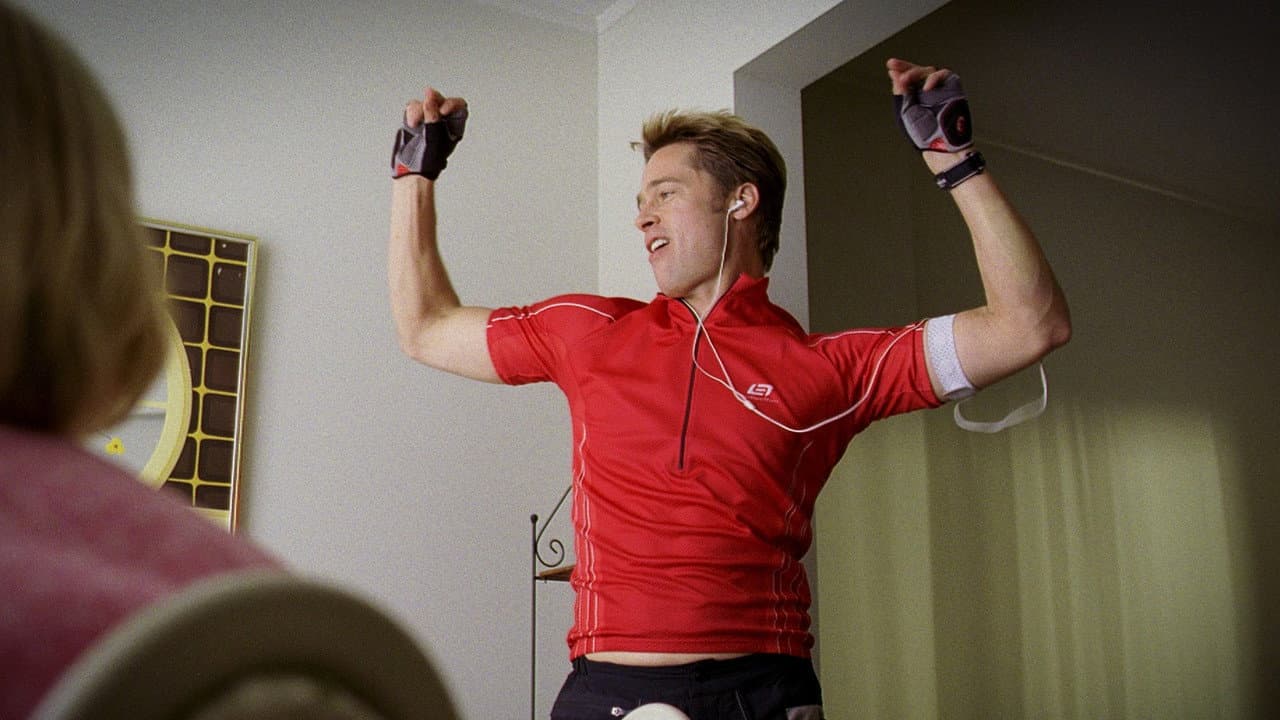
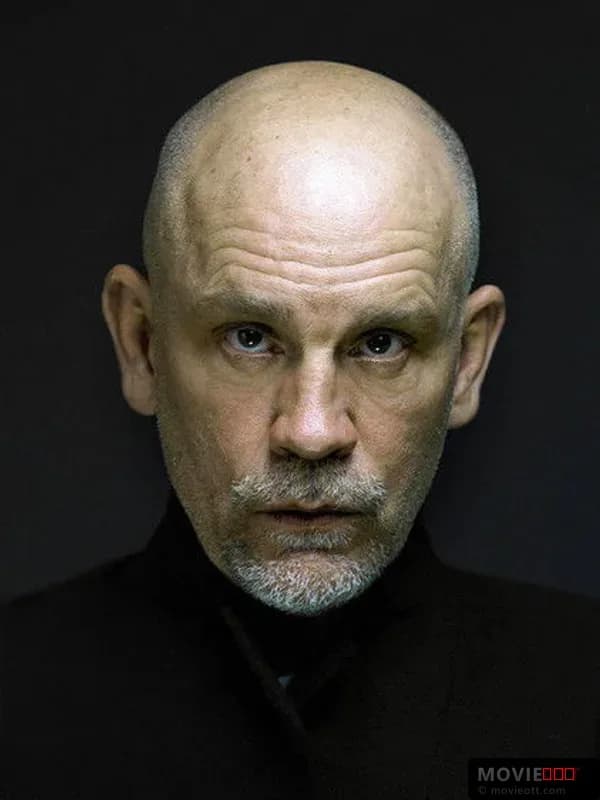
Burn After Reading arrived in 2008 as the Coen brothers' follow-up to their Oscar-winning No Country for Old Men, and it's a deliberate tonal shift—lighter, broader, more willing to let audiences laugh at the absurdity of it all. Written, produced, edited, and directed by Joel and Ethan Coen, the film brought together an ensemble cast that reads like a who's who of mid-2000s prestige cinema. George Clooney plays Harry Funk, a womanizing U.S. Marshal caught up in the chaos; Tilda Swinton is Katie Cox, the icy ex-wife of the CIA analyst, delivering one of her most perfectly controlled performances; John Malkovich embodies Osborne Cox with wounded ego and volatile rage; Brad Pitt plays Chad Feldheimer with infectious, earnest stupidity; and Frances McDormand rounds out the cast as Linda, driven by vanity and desperation in equal measure.
Richard Jenkins, as the gym manager Ted Treffon, and J.K. Simmons, as a CIA supervisor named Peck, anchor the supporting cast with their own shades of bewilderment. The film was a co-production between Focus Features, StudioCanal, Relativity Media, and Working Title Films, and it hit theaters with an R rating for language and some sexual content. At 96 minutes, it's tight and purposeful—not a frame wasted. While it didn't dominate the box office, it found its audience among critics and viewers who appreciated the Coens' willingness to make a comedy that doesn't feel the need to explain its own jokes or soften its cynicism.
What makes Burn After Reading stand out
The film works because it's genuinely funny—not in a way that announces itself with a laugh track or a wink to the audience, but in the way real, uncomfortable situations can be hilarious when you're watching them happen to someone else. There's a scene where Chad, trying to blackmail someone, keeps getting interrupted by increasingly absurd circumstances. It's a masterclass in comedic timing and the power of letting awkwardness breathe. The Coen brothers understand that sometimes the funniest thing isn't a joke—it's watching a character's entire plan collapse in real time while they're still convinced it's working.
What's less often discussed is the film's genuine sadness underneath the comedy. Linda wants cosmetic surgery because she's convinced it'll change her life, and there's something melancholy about watching someone pin all their hopes on a physical transformation. Osborne Cox is furious because he's been pushed out of the only identity he's ever had. These aren't deep character studies, but they're there if you're paying attention—little moments of vulnerability that make the characters feel real rather than cartoonish. The performances nail this balance. Pitt in particular is revelatory; he could've played Chad as an outright idiot, but instead he finds something almost tender in the character's desperate need to be important. McDormand, meanwhile, brings a weary pragmatism to Linda that makes her both sympathetic and ridiculous.
The craft here is also worth noting. Roger Deakins' cinematography gives the film a slightly sterile, corporate quality that mirrors the world these characters inhabit—gyms, government offices, suburban homes. It's not glamorous. It's mundane. And that mundanity is what makes the chaos so darkly funny. The editing is sharp, the score by Carter Burwell is understated, and the dialogue crackles with the kind of specificity that rewards repeat viewings. There's a reason audiences keep coming back to this one—it's funny, it's smart, and it doesn't condescend to its viewers.
Where to stream Burn After Reading online
Burn After Reading is available on major OTT services, and Movie OTT maintains a current guide to exactly where you can watch it right now—the streaming landscape shifts constantly, and the "Where to Watch" widget at the top of this page will show you every platform currently carrying the film. Whether you're a subscriber to the usual suspects or you're hunting for a specific service, you'll find the information you need in one place. No more bouncing between five different apps wondering if you've already got access. Movie OTT does the legwork so you don't have to.
Frequently asked questions
Q: Who directed Burn After Reading?
Burn After Reading was written, produced, edited, and directed by Joel and Ethan Coen. It's a full Coen brothers production in every sense, arriving in 2008 as a deliberate pivot toward dark comedy after their success with No Country for Old Men.
Q: What's the runtime of Burn After Reading?
The film runs 96 minutes, making it a tight, economical comedy that doesn't overstay its welcome. There's not a lot of fat here—the Coens know exactly what they want to say and how long it should take to say it.
Q: Is Burn After Reading based on a true story?
No, Burn After Reading is an original screenplay written by the Coen brothers. While it plays with espionage tropes and government bureaucracy, it's entirely fictional—a dark comedy premise born from the brothers' imaginations rather than real events.
Q: What's the plot of Burn After Reading?
When a disc containing a CIA analyst's memoirs is found by two gym employees, they mistake it for classified material and attempt to blackmail their way to profit. The scheme spirals into chaos involving a U.S. Marshal, a scorned ex-wife, and a lot of people making terrible decisions.
Q: Where can I watch Burn After Reading right now?
Check the "Where to Watch" widget at the top of this page for current availability across all major streaming platforms. Streaming rights shift regularly, so that widget will always show you the most up-to-date information about where you can access the film.
Final thoughts on Burn After Reading
Burn After Reading doesn't get the same reverence as some of the Coen brothers' other work, and honestly, that's a shame. It's a film that rewards attention and repeat viewings—the kind of movie that gets better the more you watch it because you catch new layers of absurdity each time. It's cynical without being mean-spirited, funny without being silly, and smart without being smug. If you're looking for a dark comedy that trusts its audience to keep up, or if you just want to watch Brad Pitt be genuinely hilarious, this one's worth your time.