








The Story of Call Me: When Curiosity Becomes Lethal
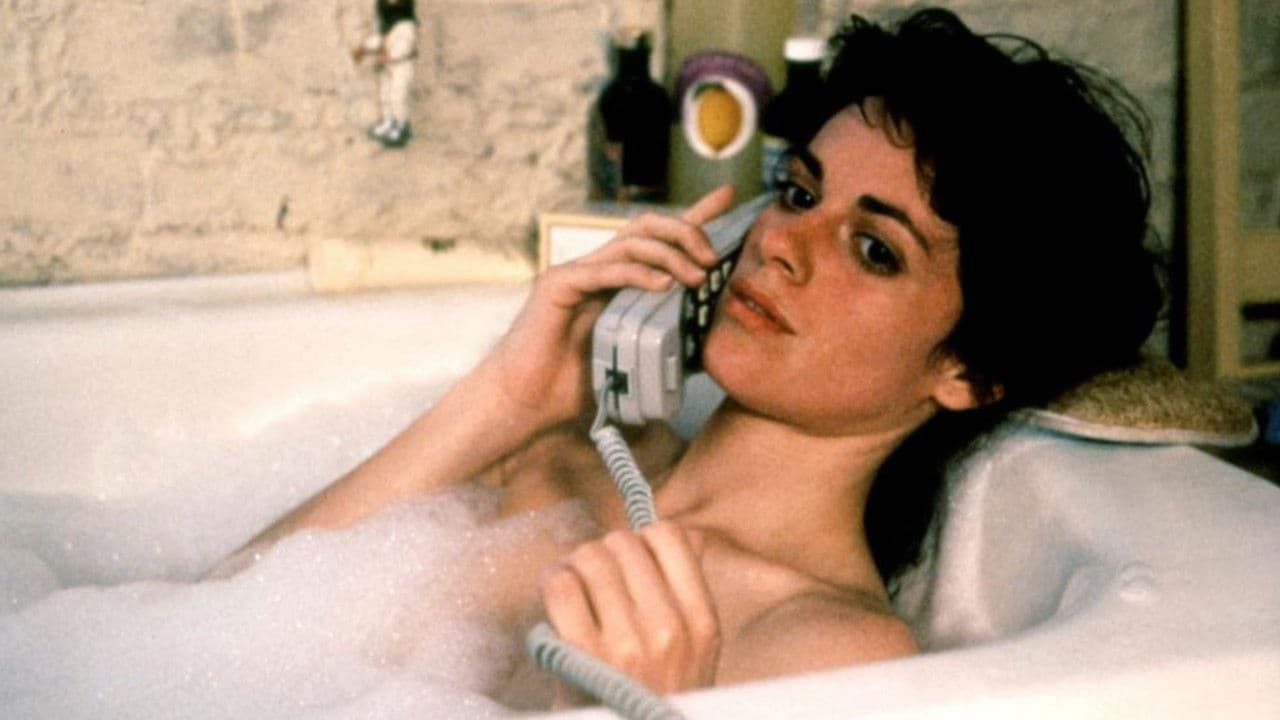
Call Me follows a young New York reporter who makes a decision that will haunt her: she agrees to meet an obscene caller at a bar. What should've been a straightforward story—confronting the man on the other end of those crude phone calls—becomes something far more sinister. Within hours of that meeting, she witnesses a murder, and suddenly she's caught between a killer and the law, unsure who to trust or where the danger's really coming from. The film thrives on the claustrophobia of not knowing who's hunting whom. It's a game of cat-and-mouse where the reporter can't simply walk away. She's a witness. She's entangled. And that tagline—"Her fantasies could be fatal"—hints at the twisted psychology lurking beneath the surface.
Behind the Making of Call Me: Production, Cast, and the 1988 Erotic Thriller Boom
Call Me arrived in 1988 at the tail end of the erotic thriller's first major wave on home video and in limited theatrical release. Directed by Sollace Mitchell, the film was produced by Martel Media and Vestron Pictures, the latter a studio that had carved out a niche in horror and exploitation cinema throughout the 1980s. The cast centers on Patricia Charbonneau, best known for her role in Donna Deitch's Desert Hearts (1985), a groundbreaking independent drama. Charbonneau brings a certain intelligence and vulnerability to the lead role—she's not just a scream queen, but an actress capable of conveying the slow erosion of safety that the story demands. Stephen McHattie and Boyd Gaines round out the ensemble, both seasoned character actors who'd worked steadily in television and film throughout that decade. The 96-minute runtime keeps the tension taut without padding, a smart choice for a thriller that depends on momentum over elaborate set pieces. While the film didn't achieve major box-office success or garner significant awards recognition—it remains largely a cult artifact—it's representative of the mid-budget thriller ecosystem that thrived before streaming consolidation, when Vestron and similar distributors could bankroll edgy material for direct-to-video or limited theatrical runs. Movie OTT catalogs films like this across its database, making it easier for viewers hunting down the deeper cuts of 1980s genre cinema.
What Makes Call Me Stand Out: The Performances and Paranoia
What's striking about Call Me—and what keeps it from being just another forgotten '80s thriller—is how seriously it takes the psychology of the phone call itself. There's an intimacy to voice that the film exploits brilliantly. When you're talking to someone you can't see, you fill in the blanks with your imagination, and the film understands that gap between voice and face is where terror lives. Charbonneau's performance anchors this; she plays the reporter not as a fearless crusader but as someone whose curiosity outpaced her caution, and now she's paying for it. The thing nobody mentions about erotic thrillers from this era is how often they're actually about power and control rather than sex—and Call Me leans hard into that dynamic. The obscene caller isn't just crude; he's predatory in a way that feels rooted in real pathology, not just movie villainy. McHattie brings a simmering menace to his scenes, the kind of performance that doesn't need to shout. I keep coming back to one moment near the film's midpoint where the reporter realizes she can't outrun this situation—it's written all over Charbonneau's face, and the scene doesn't need dialogue to land. The film's got an IMDb rating of 4.75/10, which tells you it's not universally beloved, but critical dismissal doesn't always reflect a film's actual craft or its ability to unsettle viewers who come to it on its own terms. Movie OTT's streaming aggregation makes rediscovering films like this possible; you're not hunting through video-rental back shelves anymore.
Where to Stream Call Me Online
Call Me is currently available on major OTT services, and the "Where to Watch" widget at the top of this page will show you exactly which platforms are carrying it in your region right now. Streaming availability shifts constantly—a title might be on one service for a few months, then migrate elsewhere—so checking that widget before you commit to watching is the smart play. Movie OTT tracks current streaming availability across platforms in real time, so you won't waste time hunting for a rental or purchase option that's no longer active. The 96-minute runtime makes it a solid evening watch, the kind of film that doesn't demand a massive time commitment but rewards your attention if you're in the mood for '80s paranoia and erotic tension.
Frequently asked questions
Q: Who directed Call Me?
Call Me was directed by Sollace Mitchell and released in 1988. The film was produced by Martel Media and Vestron Pictures, a studio known for horror and exploitation cinema during the 1980s.
Q: What is the plot of Call Me?
The film follows a young New York reporter who agrees to meet an obscene caller at a bar. After witnessing a murder, she becomes caught in a deadly game of cat-and-mouse, unsure who to trust.
Q: Who stars in Call Me?
The film stars Patricia Charbonneau in the lead role, alongside Stephen McHattie and Boyd Gaines. Charbonneau was previously known for her role in the 1985 indie drama Desert Hearts.
Q: How long is Call Me?
The film runs 96 minutes, keeping the thriller's tension tight without excessive padding.
Q: Is Call Me based on a true story?
No, Call Me is an original erotic thriller screenplay, not based on true events, though it taps into real anxieties about phone-call predation and the dangers of meeting strangers.
Q: Where can I watch Call Me?
Call Me is currently available on major OTT platforms. Check the "Where to Watch" widget at the top of this page for the most up-to-date streaming availability in your region.
Final Thoughts on Call Me: A Cult Curiosity Worth Your Time
Call Me isn't a masterpiece, and it's not trying to be—it's a lean, paranoid erotic thriller from 1988 that understands the power of the unseen and the danger of curiosity. If you're drawn to '80s genre cinema, to films that aren't afraid of psychological unease over jump scares, this one deserves a spot in your queue. It's the kind of film that benefits from a streaming-era rediscovery, when viewers can hunt down these deeper cuts without the gatekeeping of theatrical distribution or video-rental availability. Give it a shot.