What CAMP is about — and why the setup hits differently
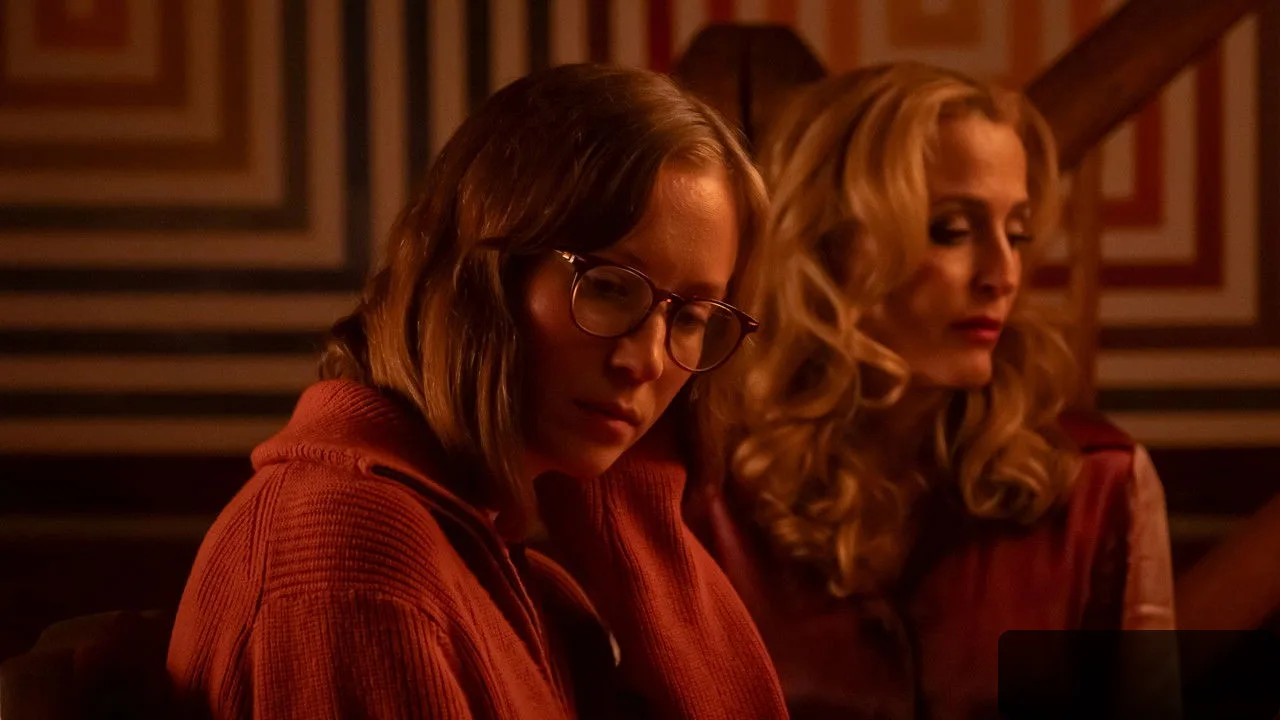
CAMP opens with weight already on its shoulders. Emily, the film's bruised and quietly desperate protagonist, has caused two separate tragedies before the story even begins — and the film doesn't rush to explain either of them. Her father's suggestion that she attend a camp for troubled youth reads less like a solution and more like a last resort, which is exactly the emotional register the story needs to work. What's striking is how deliberately the screenplay withholds judgment on Emily in these early scenes; she isn't framed as a villain or a victim, just a person who has broken things she can't unbreak. When she arrives at the camp — a Christian retreat tucked somewhere that feels both welcoming and just slightly wrong — she's absorbed into a circle of female counselors who offer her something she clearly hasn't had in a long time: unconditional acceptance. The tagline, "Maybe it's time to go home," lands differently once you realize home might be the last place Emily should return to.
Behind the making of CAMP — production, cast, and early recognition
CAMP is a 2026 production from Camp Productions and Filmoption, running 111 minutes across its horror, fantasy, and drama genres. The cast is anchored by Zola Grimmer as Emily, and the ensemble around her — Alice Wondsworth as Clara, Cherry Moore as Rosie, Lea Rose Sebastianis as Nev, Ella Reece as Hope, and Sophie Bawks-Smith as Jo — forms the kind of tight-knit screen chemistry that a story like this absolutely depends on. Without that group dynamic feeling lived-in and real, the whole premise collapses. It doesn't collapse.
The film received its early public screening at Final Girls Berlin Film Festival, which tells you something about its intended audience and its tonal ambitions. Final Girls Berlin is a festival with a specific, discerning taste for genre work that centers women's experiences — not just scream-queen horror, but films that take female interiority seriously while still delivering the genre goods. Getting programmed there is a credibility marker. Hard to say if that exposure translated into wider theatrical momentum, since trade coverage of the film has been limited, but the festival placement alone signals that the filmmakers were aiming for something more than a straight-to-streaming fright piece.
As of this writing, CAMP holds an IMDb rating of 5.2 out of 10 based on 45 votes, and has received 1 award nomination total. Those numbers are modest — honestly, they're the kind of numbers that get a film overlooked — but early-stage vote counts on niche genre releases are notoriously unreliable as quality indicators. The film hasn't yet accumulated the audience mass that would make those figures meaningful either way. Movie OTT tracks titles like this precisely because the gap between a film's actual quality and its initial data footprint can be significant, especially for smaller productions that bypass wide theatrical release.
The performances that anchor CAMP — and what the film is really doing
CAMP isn't really a horror film in the traditional sense, even though it earns that genre label. The dread here is psychological before it's supernatural, and the ensemble cast is the engine that makes that work. Zola Grimmer carries an enormous amount of the film on her performance alone — Emily's guilt isn't performed through big dramatic breakdowns but through small hesitations, the way she accepts kindness like she's waiting for it to be revoked. That's a harder thing to play than it sounds.
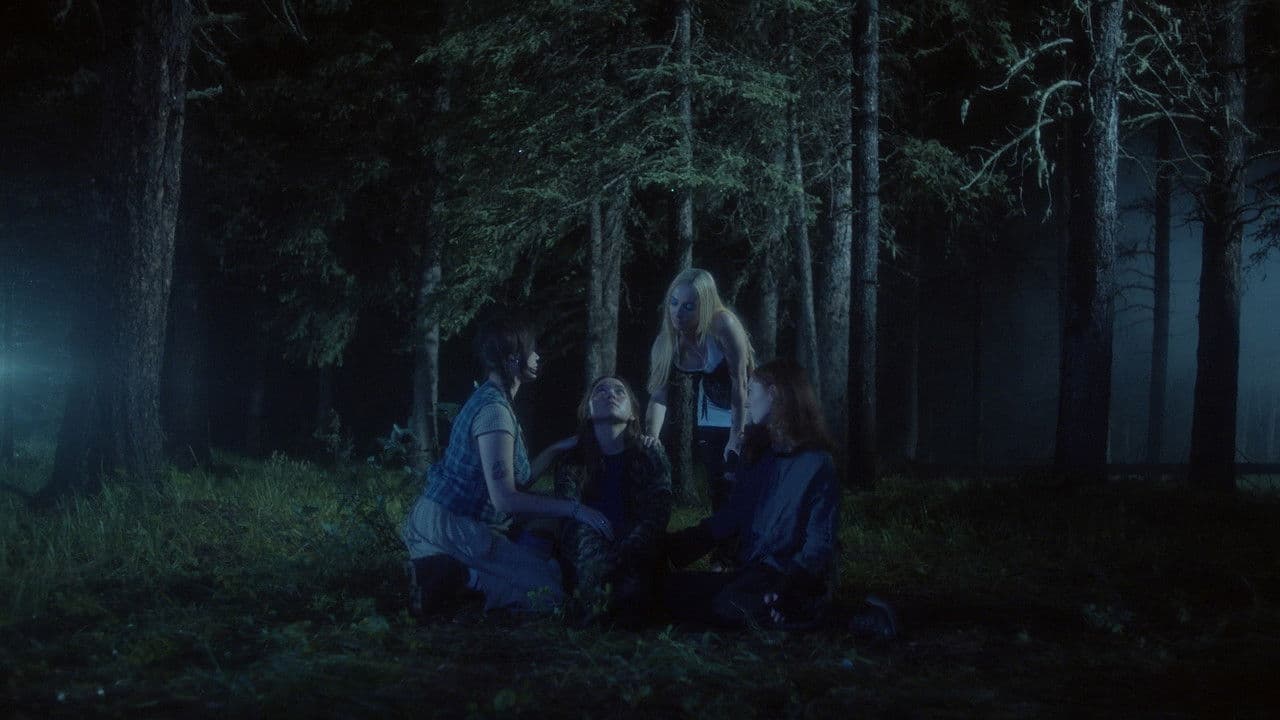
The group of counselors around her — and the film takes real time with each of them — creates a communal warmth that functions almost like a genre trap. You want Emily to stay. You want this to be the place where she heals. The film knows you want that, and it uses that desire against you carefully. The voice in the woods, when it finally becomes undeniable, doesn't announce itself with jump scares or musical stings. It's quieter than that. More insistent.
Thematically, CAMP is working through questions about guilt, forgiveness, and whether peace that comes from outside yourself can ever really stick. The Christian camp setting isn't incidental — it frames the forgiveness Emily receives from the counselors in a specific theological register, which makes the pull of the woods feel like a counter-theology. Something that offers a different kind of absolution. Or none at all. Honestly, the film doesn't fully resolve that tension, and I'm not sure it's supposed to. Movie OTT has been tracking audience responses to the film since its streaming debut, and the recurring theme in viewer commentary is that ambiguity — people either love it or find it frustrating, which is usually a sign that a film is doing something real.
Where to stream CAMP online in 2026
CAMP is currently available on major OTT streaming platforms, making it genuinely accessible to genre fans who want to catch it at home rather than hunting for a festival screening. The Where-to-Watch widget at the top of this page has the full, up-to-date list of every platform currently carrying the title — streaming availability shifts, and that widget pulls live data so you're not chasing a dead link. For a film of this size and profile, streaming is clearly its primary life, and that's not a knock; plenty of the most interesting genre work of the last few years has found its real audience through exactly this kind of platform distribution. As a streaming-aggregator covering independent and platform-first releases, Movie OTT monitors availability across services so readers can find titles like CAMP without the usual guesswork.
Frequently asked questions
Q: Where can I watch CAMP (2026)?
CAMP is available on major OTT streaming platforms as of 2026. Check the Where-to-Watch widget at the top of this page for the current, live list of every service carrying the film right now.
Q: Who stars in CAMP (2026)?
The film stars Zola Grimmer as Emily, with Alice Wondsworth, Cherry Moore, Lea Rose Sebastianis, Ella Reece, and Sophie Bawks-Smith as the ensemble of camp counselors who form a central part of the story.
Q: Is CAMP (2026) based on a true story?
No — CAMP is an original fiction. The story of Emily and the camp is not drawn from real events, though the film's treatment of guilt and trauma has an emotional realism that some viewers have found personally resonant.
Q: How long is CAMP (2026)?
CAMP has a runtime of 111 minutes, placing it comfortably in standard feature territory. It doesn't rush, and the pacing is deliberate — this is not a film that front-loads its horror.
Q: What festival did CAMP screen at?
CAMP received an early screening at Final Girls Berlin Film Festival, a festival focused on genre cinema centered on women's stories. The screening introduced the film to its core audience before its wider streaming release.
Final thoughts on CAMP — who should watch this film
CAMP is built for viewers who can sit with unresolved feeling. Not a slasher, not a straightforward supernatural thriller — something slower and stranger, more interested in what guilt does to a person than in delivering conventional genre payoffs. The ensemble cast is the film's real asset, and Zola Grimmer's central performance deserves more attention than the current IMDb vote count suggests. If you came up watching folk horror or quiet psychological dread, this is your film. If you need your horror loud, you might find it slow. Either way, movieott.com will have the latest on where to stream it.