

The Story of Capote's Descent into Kansas Darkness
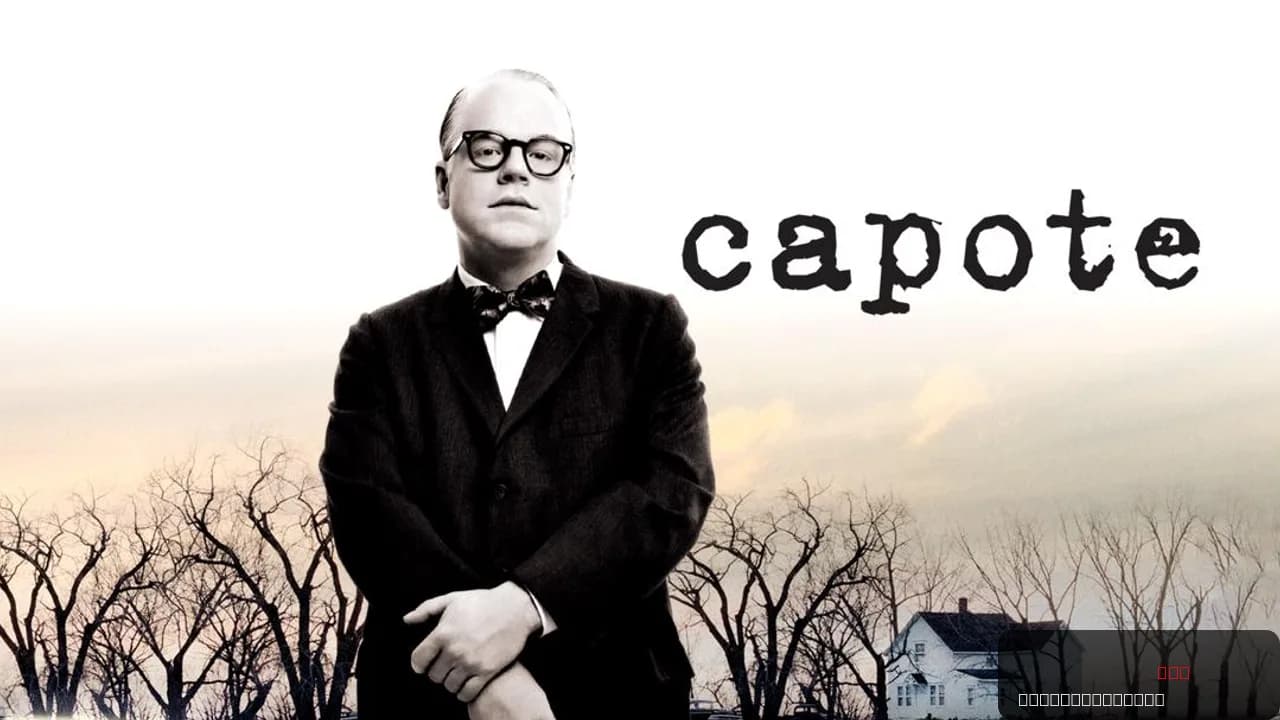
Capote tracks the true story of American novelist Truman Capote as he pursues what he believes will be his greatest literary achievement. In the late 1950s, Capote stumbles upon news coverage of a brutal murder in Kansas—a family slaughtered in their home—and sees it as the perfect subject for a nonfiction novel. What begins as calculated ambition, however, spirals into something far more complicated. As Capote immerses himself in the investigation, conducting interviews and building relationships with the accused murderers, he finds himself crossing ethical and emotional boundaries he never anticipated. The film doesn't shy away from the contradictions at its core: a writer chasing a masterpiece while becoming disturbingly close to one of the killers. It's a story about obsession masquerading as art, and what happens when the line between subject and self becomes impossible to distinguish.
Behind the Making of Capote and Its Critical Success
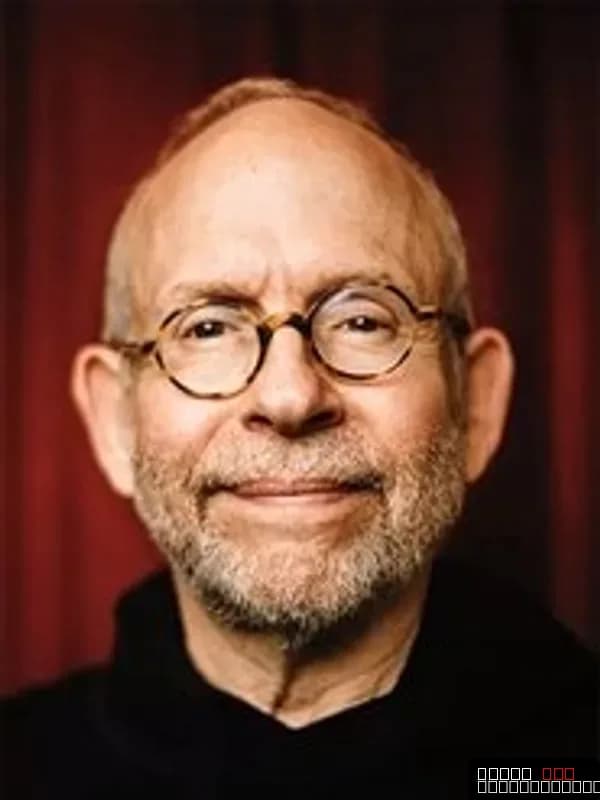
Director Bennett Miller brought Capote to life based on Gerald Clarke's 1988 biography, with a screenplay by Dan Futterman that focuses specifically on the period surrounding the research and writing of In Cold Blood. Sony Pictures Classics released the film on September 30, 2005—Capote's would-have-been 81st birthday, a detail that speaks to the film's meticulous attention to its subject. The film's ensemble cast includes Catherine Keener as Harper Lee, Clifton Collins Jr. as Perry Smith, Bruce Greenwood, Bob Balaban, and Mark Pellegrino, each bringing nuance to their roles. At 114 minutes, Miller allows the narrative room to breathe without ever feeling indulgent. Commercially, Capote earned $28.75 million at the box office—respectable for a character-driven drama—but its real impact came through critical and awards recognition. The film won an Academy Award and accumulated 59 wins and 89 nominations across major ceremonies. It holds an 89% Fresh rating on Rotten Tomatoes, an 88 Metascore, and a 7.3 rating on IMDb from nearly 150,000 voters. The R rating reflects the film's unflinching examination of murder and its psychological aftermath.
Why Capote's Performance Transcends Imitation
What's striking is that Philip Seymour Hoffman doesn't simply mimic Capote's famous mannerisms—the affected voice, the theatrical gestures, the calculated charm. Instead, he inhabits the man's fractured psychology. Hoffman captures something both pathetic and tragic: a writer so desperate for literary immortality that he's willing to exploit tragedy, befriend murderers, and sacrifice genuine human connection in pursuit of the perfect story. The supporting performances anchor this brilliantly. Catherine Keener, as Harper Lee (Capote's friend and fellow author), embodies the moral compass Capote himself lacks—she watches his descent with growing horror. Clifton Collins Jr., as Perry Smith, one of the murderers, brings haunting vulnerability to a man Capote both uses and genuinely connects with in ways that unsettle both of them. Critics across Movie OTT and major publications praised the film's refusal to sentimentalize its protagonist. Variety reported that the film "presents a portrait of artistic ambition at its most corrosive," and that's exactly what makes it work. It doesn't ask you to like Capote; it asks you to understand him, which is far more unsettling. The cinematography mirrors this psychological unease—Kansas feels grey and claustrophobic despite its wide open spaces, and the murder scenes themselves are rendered with restrained, haunting power.
Where to Stream Capote Online
Capote is currently available to stream on Prime Video. If you're looking for where to watch this acclaimed drama, the Where-to-Watch widget at the top of this page will show you current availability and any subscription requirements. Streaming rights can shift, so it's worth checking Movie OTT's real-time platform tracking if you don't see it on your preferred service. The film's pacing and psychological intensity make it ideal for focused viewing—this isn't something that benefits from half-attention, so a dedicated streaming session will serve it better than casual browsing.
Frequently asked questions
Q: Is Capote based on a true story?
Yes. The film follows the actual events surrounding novelist Truman Capote's research and writing of In Cold Blood, his 1965 nonfiction book about the real 1959 Kansas murders of the Clutter family. The screenplay draws from Gerald Clarke's 1988 biography.
Q: Who directed Capote and what else has he made?
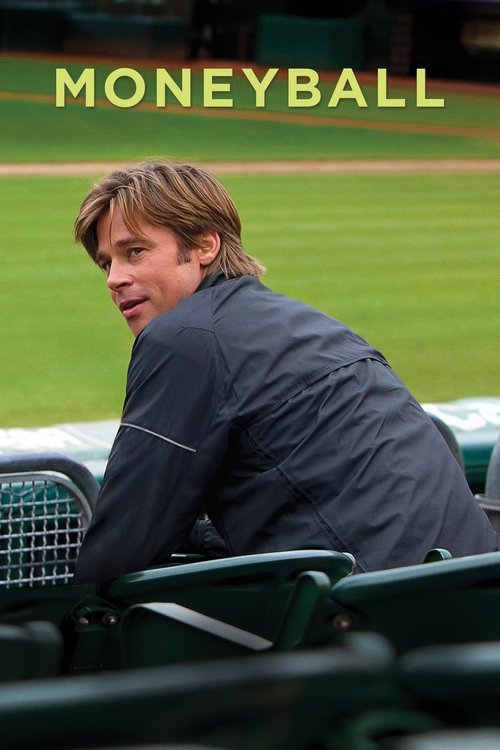
Bennett Miller directed Capote. He later went on to direct Moneyball (2011) and Foxcatcher (2014), establishing himself as a director drawn to complex, morally ambiguous characters and true stories.
Q: Did Capote win any awards?
Yes. The film won an Academy Award and received 59 wins and 89 nominations across major awards ceremonies. It was nominated for five Oscars total, with Philip Seymour Hoffman winning Best Actor.
Q: What's the runtime and rating?
Capote runs 114 minutes and is rated R for language and some violent images related to the murder investigation.
Q: Why does Capote become close to one of the murderers?
As Capote conducts interviews for his book, he develops a genuine connection with Perry Smith, one of the convicted killers. The film suggests this relationship is both exploitative—Capote needs Smith's story—and authentic, creating a moral ambiguity that haunts the narrative.
Final Thoughts on Capote
Capote remains one of the finest biographical dramas of the 2000s because it refuses easy answers. It's not a redemption story, nor is it a simple cautionary tale. Instead, it's a portrait of an artist willing to sacrifice his humanity for his art—and the quiet horror of realizing that trade-off might not have been worth it. Hoffman's performance is the engine that drives this, but Miller's direction ensures the film never becomes a one-man show. If you're interested in character studies that wrestle with ambition, ethics, and the cost of creation, Capote demands your attention.