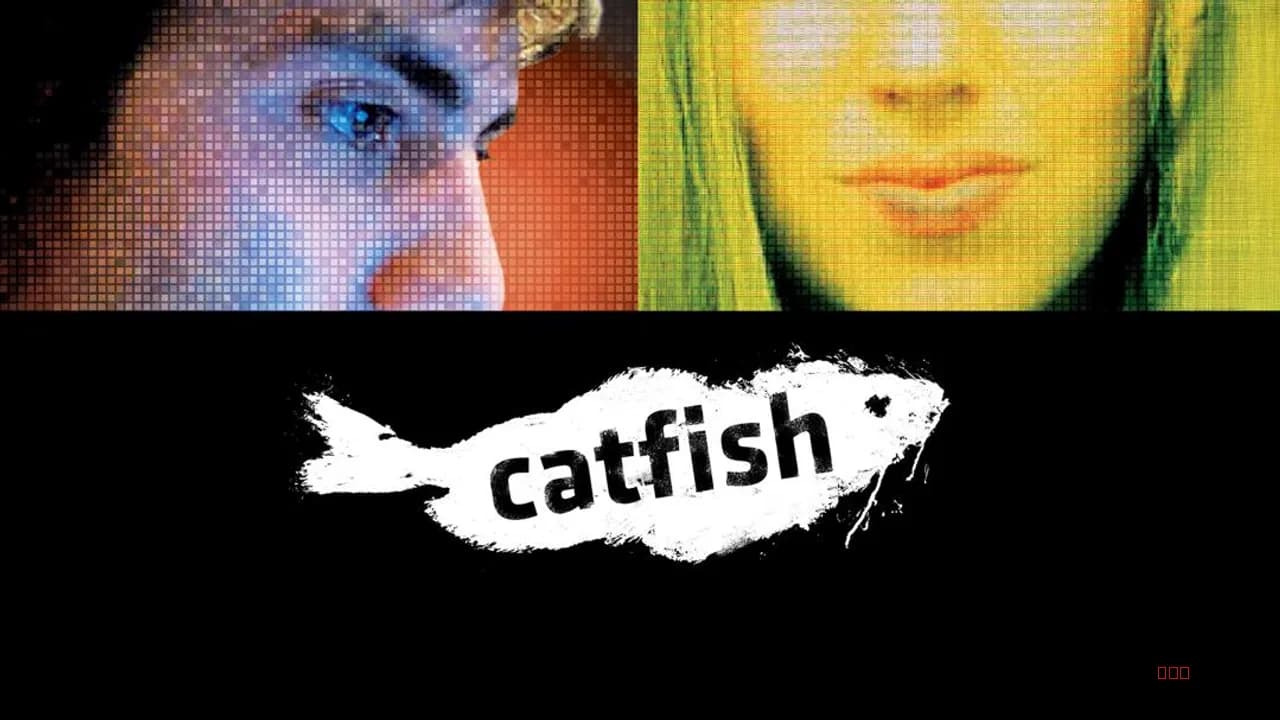
The story of Catfish: When romance meets reality
Catfish follows Nev Schulman, a young photographer living in New York, as he develops an online relationship with a woman named Megan through Facebook. What starts as an innocent connection—she's a talented painter in Michigan—gradually deepens into something that feels genuinely romantic. But over the course of several months, small inconsistencies begin to pile up. Her story doesn't quite add up. Her details shift. And then comes the moment when Nev decides he has to know the truth, driving eight hours into the Michigan winter to confront whatever—or whoever—is really on the other end of these messages. The film, shot in 87 minutes of found-footage style by his brother Ariel Schulman and friend Henry Joost, captures that unraveling in real time. It's not a twist ending manufactured in post-production. It's the raw, unscripted collision between digital fantasy and messy human reality.
Behind the making of Catfish and its unexpected cultural impact
Henry Joost and Ariel Schulman directed this documentary in 2010 with no idea they were about to launch a cultural phenomenon. The film was shot almost entirely on consumer cameras and phones—a guerrilla approach that gave it an intimacy that slicker production would've lost. What's remarkable is that Catfish became both a critical and commercial success despite (or maybe because of) its low-budget aesthetic. It premiered at Sundance and went on to earn millions worldwide, tapping into an anxiety about online dating that was just beginning to enter mainstream consciousness. The IMDb rating of 7/10 reflects its broad appeal—critics and general audiences alike recognized something important was happening on screen. The cast is small and real: just Nev, his brother Ariel, their friend Henry, and the people they encounter along the way. There's no dramatic score, no talking heads, no expert commentary. Just people, cameras, and the creeping realization that the internet isn't always what it seems. The film's success didn't go unnoticed by networks, either. MTV greenlit Catfish: The TV Show, which ran for multiple seasons and turned the documentary's central mystery into a format—though the original film remains the gold standard.
What makes Catfish resonate with audiences and critics
What's striking about Catfish is how it captures something we've all felt but rarely see articulated on screen: the vulnerability of believing in someone you've never met. There's no villain here, which is what makes it so unsettling. When the truth finally emerges, it's complicated and sad and human in ways that a simple scam narrative wouldn't be. The documentary doesn't mock Nev for his naïveté—it shows his genuine hurt, his struggle to understand why someone would construct an entire false identity just to have a relationship. That empathy, that refusal to turn the story into a cautionary tale about "stupid people who fall for online tricks," is what separates Catfish from so much true-crime content. Nev's journey is one of discovery, yes, but it's also about grace. He doesn't rage at his deceiver. He tries to understand. And in that understanding, there's something that speaks to how we actually connect—or fail to connect—in the digital age. The performances, if you can call them that, feel utterly authentic because they are. You're watching real confusion, real disappointment, real growth happening in front of you. That's harder to fake than any scripted drama.
Where to stream Catfish online right now
If you're ready to experience the film that changed how we talk about online dating, you've got several options. Catfish is currently available on Max, making it accessible if you're already subscribed to that platform. You can also rent or buy it through Apple TV Store, Prime Video, Google Play Movies, YouTube, Fandango At Home, and Rakuten TV—giving you flexibility whether you prefer to own it or stream it once. Movie OTT keeps a real-time tracker of where this title and thousands of others are currently streaming, so if your preferred service changes, you'll know where to find it next. The "Where to Watch" widget at the top of this page shows you all the platforms carrying Catfish right now, updated automatically so you don't have to hunt around.
Frequently asked questions
Q: Is Catfish based on a true story?
Yes. Catfish is a documentary, not a dramatization. Everything you see actually happened. Nev Schulman's relationship and the confrontation at the end are real events captured on camera.
Q: Who directed Catfish?
The film was directed by Henry Joost and Ariel Schulman. Ariel is Nev's brother, so the directors were directly involved in the story they were capturing.
Q: Did the term "catfishing" come from this movie?
The film is widely credited with popularizing the term "catfishing"—the practice of creating a fake online identity to deceive someone, usually romantically. While the term existed before 2010, Catfish brought it into mainstream awareness.
Q: How long is Catfish?
The documentary runs 87 minutes, making it a tight, focused viewing experience without unnecessary padding.
Q: What's the MPAA rating for Catfish?
Catfish isn't rated by the MPAA—it's a documentary that premiered at Sundance and was released independently, though it contains some adult language and themes.
Final thoughts on Catfish
What's remarkable is how well Catfish holds up more than a decade later. If anything, it feels more relevant now than it did in 2010. We're living in an age where online deception isn't the exception—it's part of the landscape. Dating apps, social media, the constant curation of identity—Catfish predicted all of this. It's not a film that answers questions so much as it asks them. Can you trust what you see online? Can you trust your own judgment? What do we owe people we've never met? There's no easy resolution, which is exactly why you should watch it.