What Fireball: Visitors from Darker Worlds is About
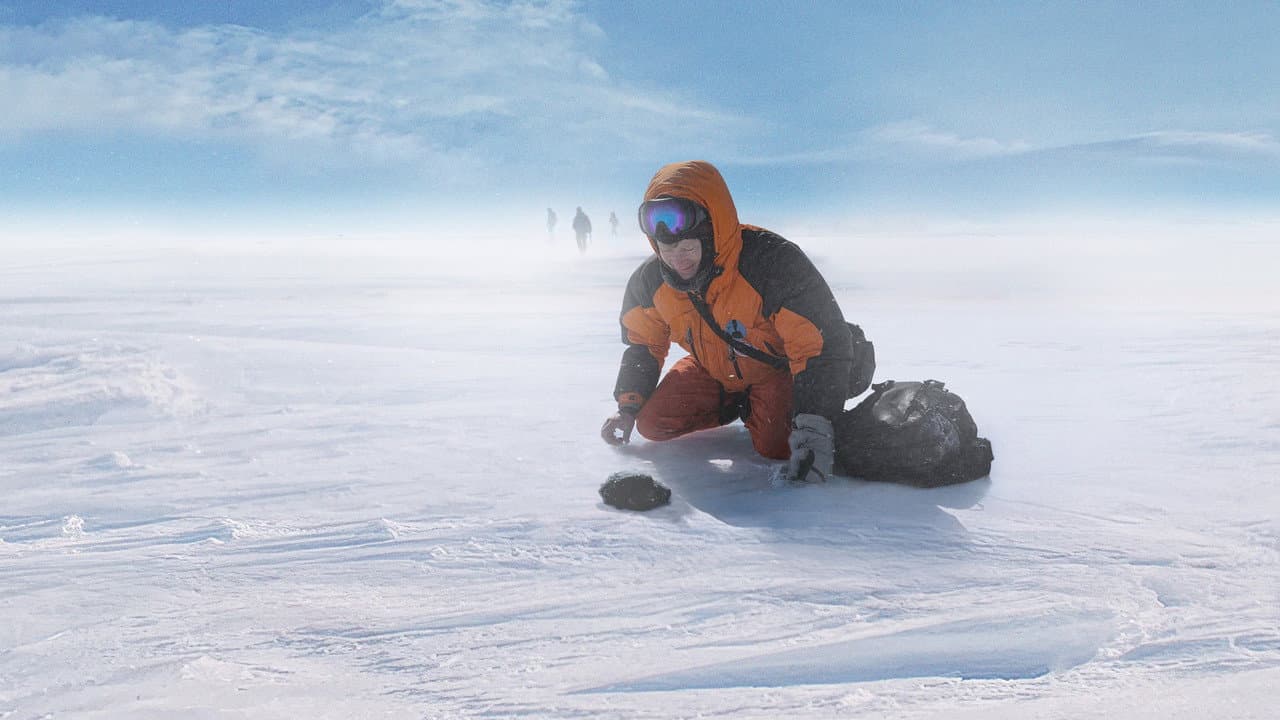
Fireball: Visitors from Darker Worlds doesn't announce itself as a typical space documentary. Instead, it's a wandering, meditative exploration of meteorites, shooting stars, and the craters they've left across our planet—and, by extension, across human consciousness. The 2020 film follows director Werner Herzog and volcanologist Clive Oppenheimer as they travel the globe investigating how these cosmic visitors have shaped not just our geology, but our mythology, spirituality, and sense of place in the universe. What makes this journey remarkable isn't just the scientific inquiry, but the almost spiritual reverence with which Herzog approaches each crater, each meteorite, each night sky full of possibility. The film asks a deceptively simple question: what do falling stars mean to us?
Behind the Making of Fireball: Visitors from Darker Worlds
Fireball is the product of a fascinating creative partnership between two distinct sensibilities. Werner Herzog, the legendary German filmmaker known for his philosophical documentaries and obsessive attention to human experience, teams with Clive Oppenheimer, a Cambridge volcanologist whose scientific expertise grounds the film's more poetic flights. The production involved Dogwoof, Spring Films, Werner Herzog Filmproduktion, and Sandbox Films—a constellation of indie and boutique studios willing to fund Herzog's decidedly unconventional approach to science documentary. Released in 2020 with a TV-PG rating, the film clocks in at 98 minutes, a lean runtime that somehow manages to circle the globe multiple times over. The critical reception was immediate and enthusiastic: the film earned a 98% Fresh rating on Rotten Tomatoes, a 72 Metascore, and an IMDb score of 6.9 from over 4,000 voters. While it didn't rack up major award nominations (two total), the film's reputation has only grown among viewers who appreciate Herzog's singular voice and willingness to treat space rocks as gateways to bigger existential questions.
Why Fireball: Visitors from Darker Worlds Stands Out
What's striking about Fireball is how Herzog refuses to make this a conventional "science explains everything" documentary. Yes, there's plenty of rigorous geology and astronomy woven throughout—impact craters, meteorite composition, the physics of atmospheric entry. But he's equally interested in the feeling of looking up at the night sky, the way a Namibian elder interprets a meteor shower, the almost mystical pull that these cosmic events exert on human imagination. The film doesn't choose between wonder and knowledge; it insists they're the same thing. Herzog's narration—that distinctive, slightly world-weary voice—treats each location and each interview subject with genuine curiosity rather than condescension. There's no talking down to the viewer here, no dumbing down of the science, but also no pretense that science alone can satisfy our hunger to understand what these visitors mean. One particularly memorable sequence involves Herzog standing in a Moroccan desert, examining meteorite fragments, and you can feel his genuine awe at holding something that traveled millions of miles through space to land in his hand. It's that balance—between rigorous inquiry and existential wonder—that makes the film work so well and explains why critics embraced it so warmly.
Where to Stream Fireball: Visitors from Darker Worlds Online
If you're ready to take this cosmic journey yourself, Movie OTT can help you find exactly where Fireball: Visitors from Darker Worlds is currently streaming. The film is available on major OTT services, and the platform's "Where to Watch" widget at the top of this page will show you all your current options—whether that's a subscription service you already have or a rental/purchase option. Since streaming availability shifts regularly depending on licensing agreements and regional differences, checking the widget ensures you're getting real-time accuracy rather than outdated information. Movie OTT tracks these changes across platforms, so you won't waste time hunting.
Frequently asked questions
Q: Who directed Fireball: Visitors from Darker Worlds?
The film was directed by Werner Herzog and Clive Oppenheimer. Herzog is the legendary filmmaker behind documentaries like Grizzly Man and Cave of Forgotten Dreams, while Oppenheimer is a volcanologist at Cambridge University, bringing both artistic vision and scientific expertise to the project.
Q: Is Fireball: Visitors from Darker Worlds based on a true story?
It's a documentary, so it's entirely grounded in real events, real science, and real locations. The film follows Herzog and Oppenheimer as they travel to actual crater sites and interview real experts and local communities about their experiences with meteorites and cosmic events.
Q: How long is Fireball: Visitors from Darker Worlds?
The film runs 98 minutes, making it a lean but comprehensive journey across multiple continents and centuries of human fascination with falling stars.
Q: What's the critical reception of Fireball: Visitors from Darker Worlds?
The film has been very well-received. It holds a 98% Fresh rating on Rotten Tomatoes, a Metascore of 72, and an IMDb rating of 6.9 from over 4,000 votes. Critics praised its blend of scientific rigor and philosophical wonder.
Q: Is Fireball: Visitors from Darker Worlds appropriate for kids?
Yes—the film is rated TV-PG, making it suitable for families. There's no violence or objectionable content; it's a thoughtful, visually beautiful exploration of space and science that can spark curiosity in younger viewers.
Final Thoughts on Fireball: Visitors from Darker Worlds
Honestly, Fireball is the kind of film that lingers with you long after the credits roll. It won't appeal to everyone—some viewers want their documentaries to march straightforwardly from question to answer, and Herzog's more poetic, digressive approach can feel indulgent if you're not in the mood for it. But if you're the type who's ever stood outside on a clear night and felt that strange vertigo of staring up at infinity, this film speaks directly to that feeling. It's rare to find a documentary that treats scientific curiosity and spiritual awe as partners rather than opponents. That's what Herzog and Oppenheimer have accomplished here.