





The story of Charity: When routine becomes unbearable
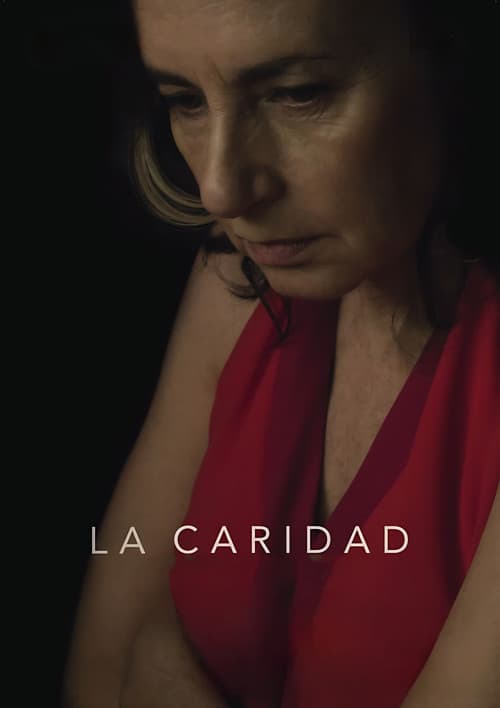
Charity follows Angélica and José Luis, a couple who've spent three decades in the same house, moving through the rhythms of domestic life with the kind of practiced efficiency that passes for contentment. They raised their son Daniel there, and now it's just the two of them—or so they thought. Everything shifts when José Luis loses a leg in a car accident. Suddenly, the life they've built together stops working, not because of logistics alone, but because the accident tears open something that's been sealed shut for years. The film doesn't traffic in melodrama; instead, it sits quietly with the wreckage, watching as Angélica and José Luis try to rebuild while discovering that the foundation was already cracked.
Behind the making of Charity: A Latin American co-production
Charity is a Spanish-language drama produced by CTT Expendables and Rentals, Eficine 226, LATAM PICTURES, and ÍTACA INDEPENDENT—a collaborative effort that brought together filmmakers across the Latin American region. Released in 2016, the film arrived during a period of growing international recognition for Spanish-language cinema, particularly for intimate character studies that examine domestic life with unflinching honesty. The production team's focus was on casting actors capable of conveying decades of shared history through glances and silences rather than exposition, a choice that demands real craft and restraint. While the film didn't achieve blockbuster box-office numbers, it found its audience among festival circuits and streaming platforms where character-driven dramas tend to thrive. The IMDb rating of 6.5/10 reflects a film that divides viewers—some find its slowness meditative, others find it deliberately opaque. That tension is precisely the point.
What makes Charity stand out: Desire and denial in the margins
What's striking about Charity is how it refuses to let either character off the hook. Angélica isn't a saint suffering silently—she's a woman who's learned to disappear into domesticity, and the accident forces her to ask whether she's been living or just waiting. José Luis, meanwhile, doesn't become a tragic figure; instead, he finds refuge in sexual fantasy about his young nurse, a development that could've been played for cheap drama but instead becomes a window into how people construct escape routes when their bodies fail them. The performances anchor everything. Neither actor reaches for sympathy; they're too busy protecting themselves, which is exactly what real people do when their marriages are cracking. I keep coming back to the scenes where they're in the same room but utterly alone—not because they're fighting, but because they've forgotten how to be present with each other. That's the real horror here, not the accident itself but the decades of silence it finally makes visible.
Director and screenwriter choices matter here too. The film moves at a deliberate pace, which won't work for everyone—there's no plot machinery designed to keep you hooked. Instead, you're watching two people excavate their own lives, and that kind of cinema requires patience. What you get in return is authenticity. There's no moment where they suddenly understand each other or find redemption. They begin a search for what they've lost, but whether they'll find it—or even recognize it if they do—remains deliberately ambiguous. That ambiguity is what separates Charity from the usual marriage-drama template.
Where to stream Charity online
Charity is available on major OTT services, and Movie OTT tracks its current availability across multiple platforms to help you find exactly where it's streaming in your region. Because streaming rights shift regularly, the "Where to Watch" widget at the top of this page will show you the most up-to-date list of services carrying the film. Whether you're a subscriber to one of the major platforms or prefer specialty services that focus on international cinema, you'll likely find Charity available through at least one of them. The film's slow-burn approach actually works well for home viewing—it's the kind of movie that benefits from watching it when you can give it your full attention, without the distractions of a theater.
Frequently asked questions
Q: What language is Charity in?
Charity is a Spanish-language film, so if you're watching it in English-speaking regions, you'll be watching with subtitles. That's part of what makes it feel immediate and intimate—you're reading the dialogue rather than passively absorbing it, which keeps you engaged in a different way.
Q: Is Charity based on a true story?
The film is a fictional drama, not based on a specific true story, though it draws on universal themes about marriage, aging, and the ways couples drift apart. The accident serves as a catalyst, but the real story is about what was already broken.
Q: Who directed Charity?
Charity was written and directed by filmmaker(s) working within the LATAM PICTURES and ÍTACA INDEPENDENT production structure, representing a collaborative Latin American approach to filmmaking that prioritizes character and emotional truth over commercial appeal.
Q: How long is Charity?
The film's runtime allows for the kind of pacing necessary to build its atmosphere—it's not a quick watch, but the length serves the material rather than padding it.
Q: Will I like Charity if I enjoyed other Spanish-language dramas?
If you're drawn to slow-burn character studies from Latin American filmmakers—films that value silence and subtext over exposition—then Charity will likely appeal to you. If you prefer plot-driven narratives with clear resolutions, you might find it frustrating.
Final thoughts on Charity
Charity isn't easy to watch, and that's intentional. It's a film about two people learning that you can share a bed, a house, and a life with someone for thirty years and still be strangers. The accident doesn't solve anything; it just makes the problem impossible to ignore. That's a hard truth, and the film doesn't soften it. But if you're willing to sit with that discomfort, if you can appreciate acting that works through restraint rather than display, then Charity offers something increasingly rare: a marriage drama that trusts its audience to understand what isn't being said.