




The story of City Hall unfolds from a single tragic moment
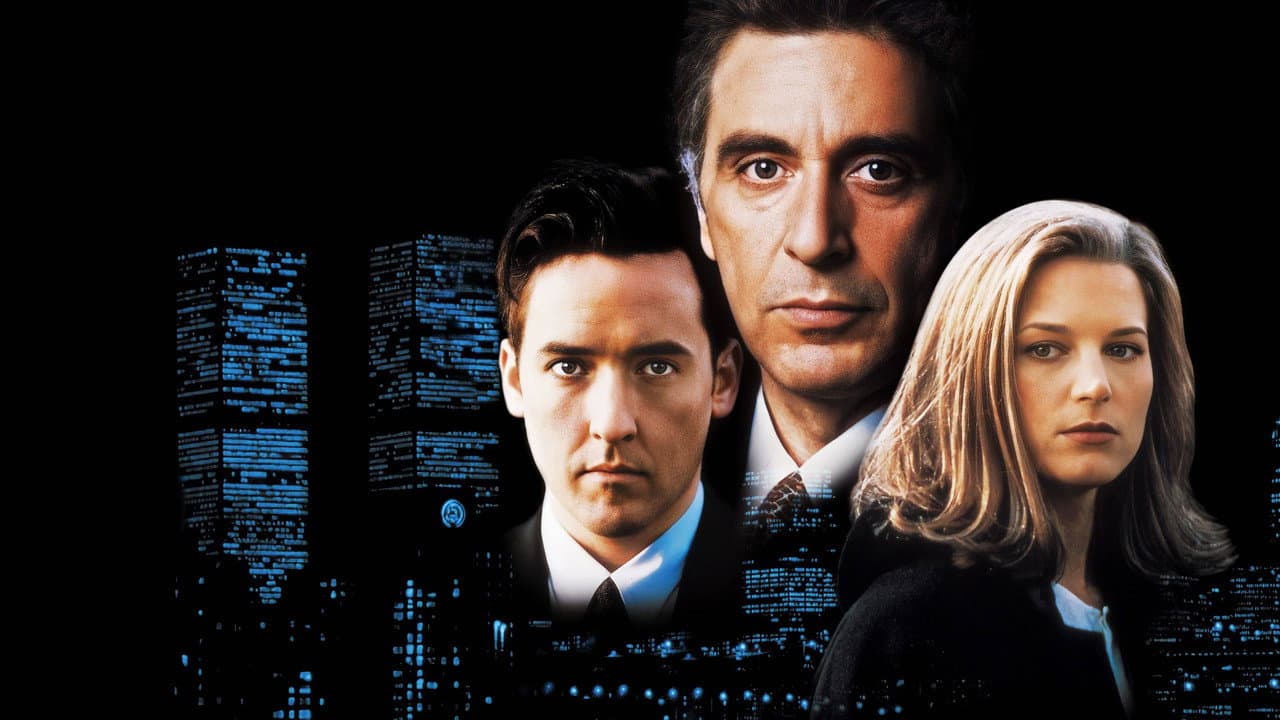
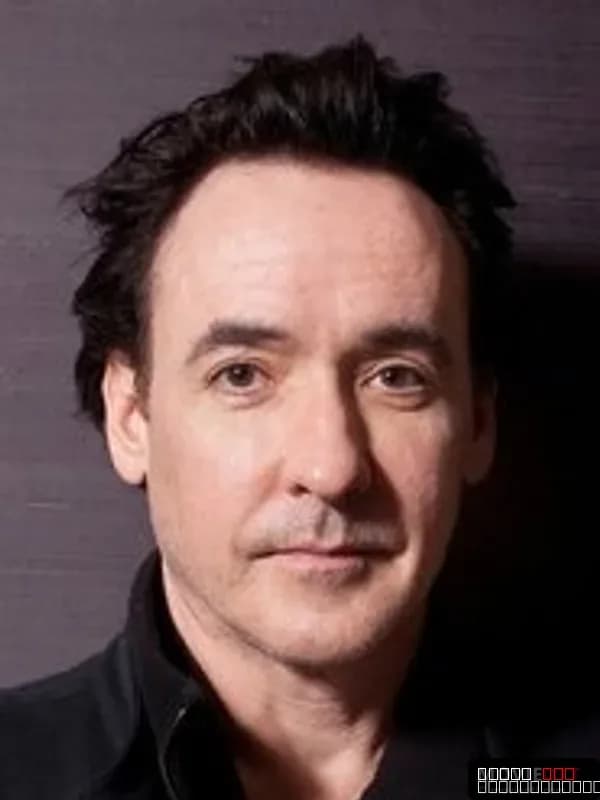
City Hall opens with a shootout on a rain-soaked New York street—the kind of moment that should stay contained, manageable, a regrettable accident. But it doesn't. When a young boy is struck by a stray bullet, the incident sets off a chain reaction that no one in City Hall anticipated. The Deputy Mayor, played by Al Pacino, and his ambitious young aide (John Cusack) launch an investigation into what seems like a straightforward case of mistaken identity and police procedure. What they uncover instead is a web of corruption, backroom deals, and moral compromises that winds through every level of city government. The film's genius—and its central tension—lies in how a small tragedy becomes the thread that unravels the entire fabric of institutional power.
Behind the making of City Hall: Pacino, Cusack, and a troubled production
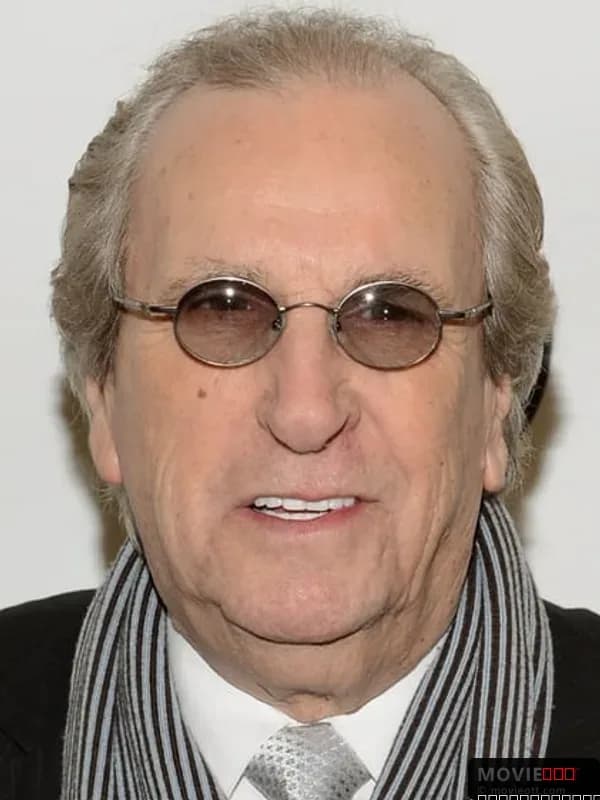
City Hall arrived in 1996 as the second collaboration between director Harold Becker and Al Pacino, following their work together on Sea of Love in 1989. The ensemble cast included John Cusack, Bridget Fonda, and Danny Aiello, lending substantial star power to what was positioned as a prestige drama. Castle Rock Entertainment produced the film, and Sony Pictures Releasing distributed it on February 16, 1996. The project was ambitious in scope and budget—a $40 million production designed to compete for awards attention and box office dollars. That ambition, however, didn't translate to commercial success. City Hall grossed $33.4 million domestically, falling short of its production budget and marking a significant box office disappointment. Critics were kinder than audiences; the film received generally positive reviews, though it never quite achieved the cultural footprint its talent and subject matter suggested it might. The 111-minute runtime allows the narrative room to breathe, but some viewers have noted that pacing occasionally works against the film's momentum. On IMDb, it holds a 6.0 rating—respectable but not the kind of score that drives streaming discovery on its own.
What makes City Hall stand out: Performance and the architecture of urban decay
What's striking is how much the film relies on the credibility of its two leads. Pacino brings his characteristic intensity to the Deputy Mayor role—a man who discovers that his idealism and the machinery of power are fundamentally incompatible. Cusack, then in the midst of a strong run of dramatic work, provides the moral compass, the younger conscience questioning everything his mentor believes. Their dynamic carries the film through stretches where the plot threatens to become overly schematic. The supporting cast, particularly Aiello and Fonda, grounds the corruption narrative in human consequence rather than abstract political theory. What's less discussed is how the film actually captures something true about institutional rot—the way a single incident can expose decades of accumulated compromise. One reviewer noted the historical accuracy in how the film is structured: a small murder builds and builds, unraveling layer upon layer until the ripples reach the highest levels of power. It's the same mechanism that brought down Nixon; it's the same mechanism that's repeated throughout history. That structural insight—that corruption isn't a sudden rupture but an accretion of small moral failures—gives City Hall a thematic weight that transcends its box office fate.
I keep coming back to the film's central question: at what point does a public servant stop serving the public? Pacino's character isn't a cartoon villain. He's a man who's convinced himself that the system requires compromise, that the greater good demands moral flexibility. The tragedy is that he's probably not wrong—and that's what makes the film genuinely unsettling. It doesn't offer easy answers. Instead, it suggests that power and integrity exist in perpetual tension, and that choosing one often means sacrificing the other.
Where to stream City Hall online
City Hall is available on major OTT services, and you can check the Where to Watch widget at the top of this page for current availability across platforms in your region. Streaming rights shift frequently, so Movie OTT tracks real-time updates to help you find where titles are currently streaming. If you're a subscriber to one of the major platforms, there's a good chance City Hall is already in your library—it's the kind of '90s prestige drama that catalog services rotate regularly. The 111-minute runtime makes it an easy fit for an evening watch, and it's the sort of film that rewards a second viewing once you know where the plot's heading.
Frequently asked questions
Q: Who directed City Hall?
Harold Becker directed City Hall, marking his second collaboration with Al Pacino after Sea of Love (1989). Becker's previous work in political and crime thrillers made him well-suited to the material.
Q: Is City Hall based on a true story?
City Hall is a fictional narrative, though it's structured like a true-crime investigation. The film draws thematic inspiration from real-world political corruption cases, particularly the way a single incident can expose systemic malfeasance, but the characters and specific plot are original.
Q: What's the IMDb rating for City Hall?
City Hall holds a 6.0 rating on IMDb, indicating mixed-to-positive audience reception. It's a respectable score that reflects the film's solid performances and ambitious themes, even if it didn't achieve blockbuster status.
Q: Why was City Hall a box office bomb despite its star power?
Despite starring Al Pacino and John Cusack, City Hall grossed only $33.4 million against a $40 million budget. The film arrived in a crowded marketplace, and political thrillers—even well-made ones—don't always command mainstream box office appeal. Critics were more receptive than general audiences.
Q: How long is City Hall?
The film runs 111 minutes, giving the narrative room to develop its investigation and expose the layers of corruption without feeling rushed.
Final thoughts on City Hall
City Hall isn't a perfect film—the pacing occasionally stutters, and it didn't find the audience it deserved in 1996. But it's a smart, well-acted political thriller that understands something essential about power and compromise. If you appreciate character-driven dramas with moral weight, or if you're a Pacino or Cusack completist, it's worth tracking down. The rain-soaked opening image lingers. A boy dies. Everything else follows. Sometimes the smallest tragedies expose the largest truths.