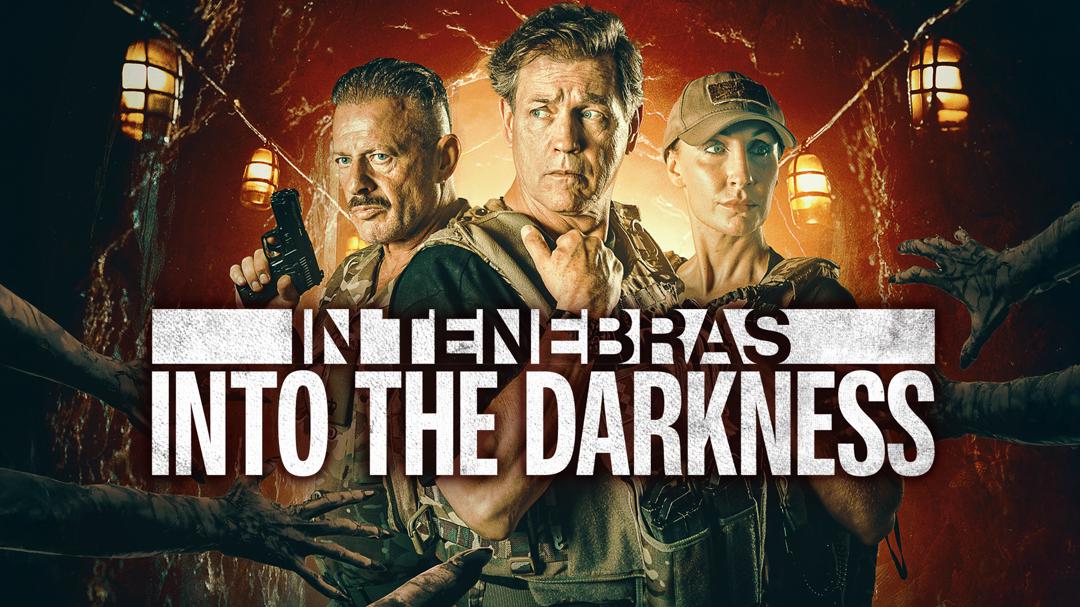

The Story of C.L.E.A.N. and Its Claustrophobic Setting
C.L.E.A.N. follows four newly arrived patients who find themselves confined in a remote rehab sanatorium—a place that promises healing but delivers something far darker. What unfolds is a survival story wrapped in institutional horror, where the walls themselves feel like a character, and the doctor running the facility isn't interested in recovery. The premise taps into a primal fear: being trapped in a place designed to help you, with no one on the outside knowing what's really happening. Director Aurelio Toni Agliata builds the tension slowly, letting the isolation seep into every frame before the vicious methods of the facility's treatments become impossible to ignore.
The film doesn't rely on jump scares or supernatural elements. Instead, it's grounded in a very human kind of horror—the kind that emerges from power imbalances, questionable medical authority, and the vulnerability of people at their lowest points. You're watching characters who came to get better, only to discover they've walked into something much worse. That contradiction—a hospital that harms instead of heals—is what drives the narrative forward.
Behind the Making of C.L.E.A.N.: Production and Cast Pedigree
Produced as a co-production between Croatia, Germany, and the United Kingdom, C.L.E.A.N. represents the kind of international horror collaboration that's become increasingly common in the streaming era. The film was published by Dream Team Pictures under its original title, Čistilište, and distributed through the Austrian cinema chain Cineplexx. It rolled out across Serbia, Montenegro, and Bosnia starting in October 2020—a regional release strategy that suggests the producers knew they had something with local resonance, even if it didn't achieve wide theatrical distribution.
The cast brings real credibility to the project. Costas Mandylor, who's spent decades working in action and thriller films, anchors the ensemble, while Tom Sizemore—an actor with a long track record in gritty, character-driven cinema—lends weight to the material. Fred Lobin, Jenny Paris, Maik van Epple, Vjekoslav Katušin, and Agnes Burger round out the ensemble, creating a believable group of desperate people. The film's 113-minute runtime gives Agliata enough space to develop his characters beyond simple archetypes, which is crucial when you're asking an audience to care about survival in a confined space. Awards recognition came through, with C.L.E.A.N. earning 31 wins and 4 nominations across various festival circuits—the kind of recognition that doesn't make headlines but speaks to dedicated genre audiences and festival programmers who recognized something worth celebrating.
What Makes C.L.E.A.N. Stand Out in the Horror-Thriller Landscape
Here's what's striking about C.L.E.A.N.: it doesn't try to be everything. The film commits fully to its premise—a locked-room scenario with a morally compromised authority figure—and doesn't get distracted by subplots or tonal shifts that might undermine the central tension. What works is the slow-burn approach to character revelation and the way Agliata uses the sanatorium's architecture to create a sense of inescapable dread. You can feel the walls closing in, which is exactly the point.
There's also something refreshingly unglamorous about the whole thing. This isn't a glossy thriller with a high-concept twist or a twist ending designed to make Reddit threads explode. It's a straightforward story about people in a bad situation trying to survive it—and that simplicity, combined with committed performances from the cast, creates something that lingers. The thing nobody mentions is how much restraint that takes. Many horror films would've added a supernatural element or a shocking revelation about the doctor's past. C.L.E.A.N. doesn't need those crutches. What's happening in that sanatorium, under the guise of treatment, is disturbing enough on its own. Mandylor and Sizemore don't overact; they inhabit their characters with the kind of weariness that comes from genuine desperation, and that grounds the film in a reality that makes the horror feel tangible rather than theatrical.
Where to Stream C.L.E.A.N. Right Now
If you're looking to watch C.L.E.A.N., you can find it on Prime Video—check the where-to-watch widget at the top of this page for current availability across all platforms. Prime Video's horror and thriller catalog has expanded significantly over the past few years, and Movie OTT tracks where titles like this one pop up across the major streaming services, so you don't have to hunt manually. The advantage of streaming this particular film is that you can watch it in your own space—and honestly, that might actually make the claustrophobic atmosphere hit harder. There's something about watching institutional horror in the comfort of your own home that creates an interesting cognitive dissonance. You're safe, but the characters on screen aren't, and that contrast can amplify the tension.
Frequently asked questions
Q: Who directed C.L.E.A.N.?
Aurelio Toni Agliata directed the film. He brings a deliberate, patient approach to the material, allowing tension to build through environment and character rather than relying on conventional horror tropes.
Q: Is C.L.E.A.N. based on a true story?
No, C.L.E.A.N. is a fictional narrative. However, the premise—institutional abuse disguised as treatment—draws on real-world concerns about power dynamics in medical settings, which gives the story an unsettling plausibility.
Q: What's the runtime of C.L.E.A.N.?
The film runs 113 minutes, which gives director Agliata sufficient time to develop his characters and atmosphere without unnecessary padding.
Q: Where was C.L.E.A.N. filmed?
C.L.E.A.N. is a co-production between Croatia, Germany, and the United Kingdom, reflecting the international nature of modern independent horror production.
Q: How was C.L.E.A.N. received by critics and audiences?
The film earned 31 wins and 4 nominations across festival circuits, indicating strong recognition within the horror community. It has an IMDb rating of 4.6 out of 10 based on 431 votes, reflecting mixed audience reactions—which isn't uncommon for slow-burn institutional horror that won't appeal to everyone.
Final Thoughts on C.L.E.A.N.
C.L.E.A.N. won't be for everyone. If you're looking for fast-paced thrills or clear-cut answers, you might find it too deliberately paced. But if you appreciate horror that trusts its premise and its audience, that understands how to use confinement and atmosphere to create genuine unease, then this is worth your time. The film respects the intelligence of viewers who can sit with discomfort without needing resolution or catharsis. Mandylor and Sizemore deliver solid performances, and Agliata's direction is assured. It's a reminder that some of the most effective horror doesn't come from what you see—it comes from what you're forced to imagine about what happens next. Movie OTT's streaming guides can help you find where this and similar genre films are currently available.