Unpacking the True Story of Cocaine Cowboys
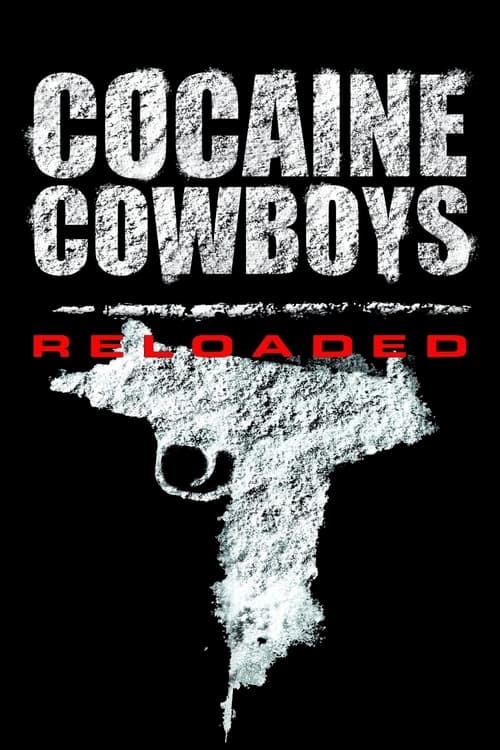
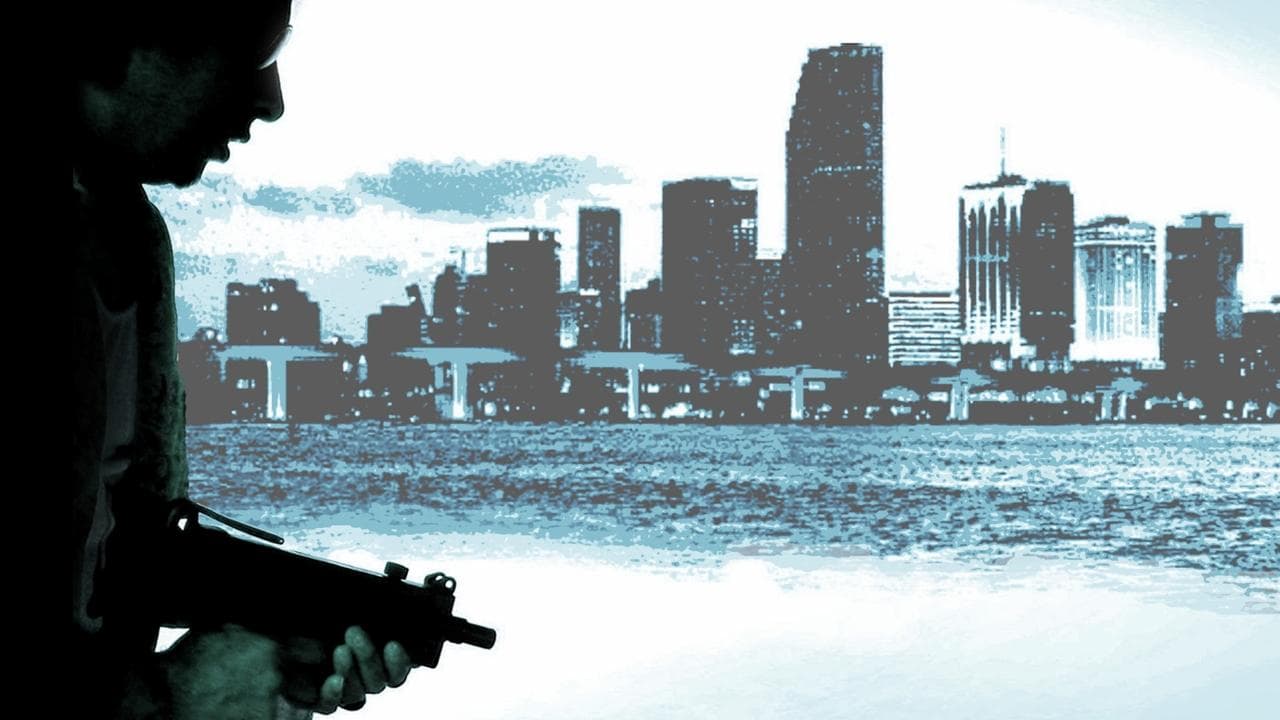
Cocaine Cowboys plunges viewers headfirst into the tumultuous 1980s, a decade when Miami wasn't just a sunny vacation spot but the undisputed cocaine capital of the United States. On Movie OTT, we're dedicated to bringing you comprehensive insights into films like Cocaine Cowboys, exploring their impact and enduring relevance. This 2006 documentary doesn't just tell a story; it unravels a raw, visceral account of how ruthless Colombian cocaine barons — agents of the infamous Medellín Cartel — unleashed an unprecedented wave of violence upon the city. It’s a stark look at the brand of brutality unseen in this country since Prohibition-era Chicago, irrevocably changing Miami's landscape. The film's official tagline, "How Miami became the cocaine capital of the United States!", perfectly encapsulates its central premise: the true story of a city awash in drugs, murder, and unimaginable cash, narrated by the very individuals who orchestrated it all.
Behind the Scenes: The Rakontur Vision for Cocaine Cowboys
The creation of Cocaine Cowboys was a significant undertaking for Miami-based media studio Rakontur, spearheaded by director Billy Corben and producer Alfred Spellman. Released in 2006, this 118-minute documentary isn't just a standalone film; it's a foundational piece of the larger Cocaine Cowboys Collection franchise, establishing a definitive narrative around the era. Corben and Spellman meticulously crafted a film that pulls no punches, relying heavily on first-hand accounts to build its compelling story. They secured interviews with a diverse array of individuals — law enforcement officials who fought the drug war, journalists who reported on it, lawyers who defended the accused, and, most crucially, former drug smugglers and gang members themselves. This approach provides an unparalleled, intimate perspective on the Miami drug war, particularly through the lens of figures like Jon Roberts, whom prosecutors famously described as "The Medellín Cartel's American representative." The film's unflinching commitment to showing, not just telling, earned it an IMDb rating of 7.278 out of 10, a testament to its impact and the effectiveness of Rakontur's investigative storytelling.
Why Cocaine Cowboys Remains a Definitive Miami Crime Documentary
What makes Cocaine Cowboys resonate so deeply, even years after its release, is its sheer authenticity. The documentary isn't just about drugs; it's about the intoxicating allure of power, the brutal cost of ambition, and the complete moral decay that can engulf a city. Honestly, it's a masterclass in oral history. The raw, unvarnished interviews with figures like Jon Roberts, or even the hitman Jorge "Rivi" Ayala (whose chilling nonchalance is a standout), aren't simply talking heads — they're windows into a psyche driven by greed and survival. One particular moment I keep coming back to is when one of the former mules describes flying planes full of cash back to Colombia, the sheer volume of money almost incomprehensible. It's that kind of detail, that visceral recollection, that separates Cocaine Cowboys from other crime documentaries.
The film's strength lies in its ability to humanize (or, perhaps, de-humanize) the figures involved, letting them tell their own stories, often without remorse. This creates a fascinating — and often disturbing — tension. As one critic observed in a retrospective, "The film doesn't preach; it simply lays bare the mechanics of a criminal empire, allowing the audience to grapple with the implications." No easy answers here. Just the facts, delivered with a brutal candor that sticks with you. It’s a testament to Corben's direction that he managed to weave so many disparate, often contradictory, narratives into such a coherent and utterly gripping whole. The film captures an entire era.
Where to Stream Cocaine Cowboys Today
For those eager to witness this pivotal piece of documentary filmmaking, Cocaine Cowboys is readily available across major OTT services. Movie OTT helps you track down exactly where you can stream it right now, from subscription platforms to rental and purchase options. You'll find the full, up-to-date list displayed clearly in the "Where to Watch" widget at the top of this page. Whether you prefer to subscribe to a service that includes it in its library or opt for a one-time rental, accessing this compelling look at Miami's dark past couldn't be easier. We're constantly updating our listings, so you can always rely on Movie OTT to provide accurate information on Cocaine Cowboys' current streaming availability. Don't miss out on this essential documentary.
Frequently asked questions
Q: Is Cocaine Cowboys a true story?
Yes, Cocaine Cowboys is a true story, a documentary released in 2006 that chronicles the real events of the Miami drug war in the 1980s. It features first-hand accounts from individuals involved in or affected by the era.
Q: Who directed the documentary Cocaine Cowboys?
The documentary Cocaine Cowboys was directed by Billy Corben. He also produced the film alongside Alfred Spellman through their studio, Rakontur.
Q: What is the IMDb rating for Cocaine Cowboys?
Cocaine Cowboys holds a strong IMDb rating of 7.278 out of 10. This rating reflects its critical reception and enduring popularity among viewers.
Q: Is Cocaine Cowboys part of a larger series?
Yes, Cocaine Cowboys is part of an established series known as the "Cocaine Cowboys Collection." It serves as a foundational film within this acclaimed franchise.
Q: How long is Cocaine Cowboys?
The runtime for the documentary Cocaine Cowboys is 118 minutes. It's a substantial watch that covers a complex and violent period in American history.
Final Thoughts on Cocaine Cowboys
If you're fascinated by true crime, American history, or the darker side of ambition, Cocaine Cowboys is an absolute must-watch. It’s more than just a documentary about drug trafficking; it’s a socio-cultural exploration of how an entire city was reshaped by an influx of illicit wealth and unprecedented violence. The film offers a stark, often disturbing, look at the consequences when the lines between law and lawlessness blur. For anyone wanting to understand the real story behind Miami's infamous 1980s reputation, this film isn't just recommended; it's essential viewing. It'll leave you thinking long after the credits roll.