





The Story of Complicated Women and Pre-Code Hollywood
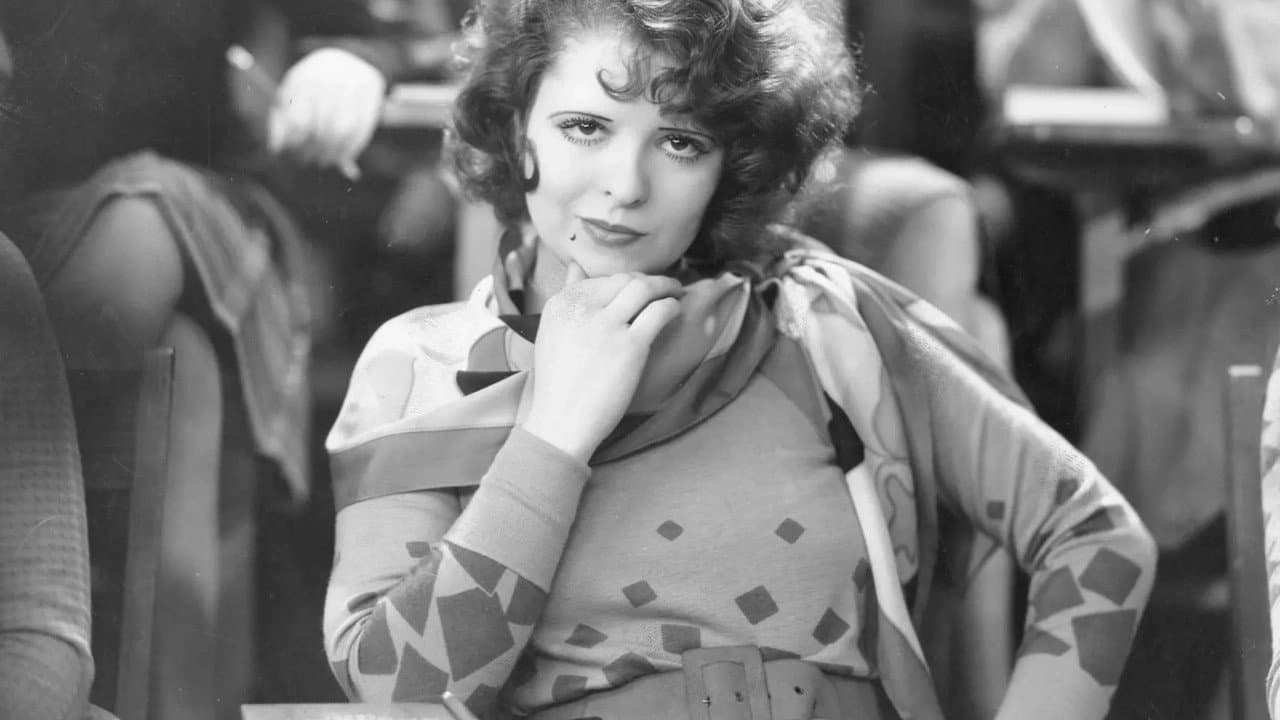
Complicated Women is a 56-minute documentary that reexamines one of cinema's most electric and often overlooked periods: the five years between the arrival of sound in 1929 and the enforcement of the Hays Code in 1934. During this narrow window, Hollywood studios made films about women who didn't fit into neat categories. These weren't the simpering heroines of silent era melodrama, nor were they the sanitized, domesticated women who'd come to dominate screens after 1934. Instead, they were characters with contradictions—women who worked, who had lovers, who made mistakes, who weren't sorry about any of it. The documentary traces how filmmakers and studios, unburdened by strict moral censorship, created space for female characters to be genuinely complicated: good girls with sexual agency, bad girls portrayed with sympathy and depth, working women who didn't need rescuing. It's a snapshot of a Hollywood that was younger, wilder, and far less afraid to offend.
Behind the Making of Complicated Women
Produced by Timeline Films and released in 2003, Complicated Women arrived as part of a broader critical reassessment of pre-code cinema that had been building for decades. The documentary doesn't rely on talking-head experts droning on about film history—instead, it lets the films themselves do the talking. Clips from movies like Baby Face (1933) and Red-Headed Woman (1932) carry the narrative, showing audiences exactly why these stories were so transgressive for their moment. The IMDb rating of 6.917/10 reflects a film that appeals most strongly to cinema historians, classic film enthusiasts, and anyone curious about how Hollywood once operated before the industry imposed its own moral guardrails. What's striking is that this documentary doesn't position pre-code cinema as some golden age we should want back—it's more interested in understanding what those five years reveal about how power, censorship, and storytelling intersect. Timeline Films crafted something lean and focused, a TV movie that works precisely because it doesn't waste time on tangents. The 56-minute runtime is actually generous for this kind of archival documentary; it's long enough to build an argument without overstaying its welcome.
What Makes Complicated Women Stand Out in Film Criticism
The real power of Complicated Women lies in what it reveals about how film reflects—and shapes—cultural anxieties about female independence. When you watch clips from these pre-code films back-to-back, you start to see patterns that the documentary itself doesn't have to spell out. Women initiate conversations about sex. They leave men. They choose careers over marriage. They're broke, they're ambitious, they're morally gray. And the films don't punish them for it—or at least, not in the heavy-handed way that became standard after 1934. There's a scene in Baby Face where Barbara Stanwyck's character uses her sexuality to climb a corporate ladder, and the film frames it not as a moral failing but as survival. That kind of complexity, that refusal to judge, became nearly impossible once the Hays Code took hold. What's fascinating—and what the documentary captures really well—is that this wasn't some artistic choice made by enlightened filmmakers. It was simply what the market allowed before the industry decided to police itself. Once you understand that, you start seeing the Hays Code not as a natural correction but as a choice, one that studios made under pressure from religious groups and conservative politicians. The documentary doesn't beat you over the head with this argument, but the evidence is there in every clip, every female character who won't apologize.
Where to Stream Complicated Women Online
Finding Complicated Women is easier than it used to be. The documentary is currently available across major OTT services, which means you don't have to hunt through specialty archives or wait for a Turner Classic Movies broadcast to catch it. Movie OTT tracks current streaming availability in real time, so you can check the "Where to Watch" widget at the top of this page to see exactly which platforms have it in your region. Since it's a documentary rather than a narrative feature, it works equally well whether you're settling in for a focused 56-minute viewing session or using it as a jumping-off point for deeper dives into pre-code cinema. Many of the films it references—Baby Face, Red-Headed Woman, Platinum Blonde—are also available on various platforms, so you can watch the documentary and then follow up by actually seeing these films yourself.
Frequently Asked Questions
Q: What is the Hays Code and why did it matter?
The Hays Code was Hollywood's self-imposed censorship system that took effect in 1934, imposing strict moral guidelines on film content. It essentially banned depictions of sexual activity, adultery, and other "immoral" behavior—which meant that the kinds of complex, sexually independent female characters shown in pre-code films became impossible to portray.
Q: Is Complicated Women based on a true story?
No, it's a documentary composed of clips from actual pre-code films, along with archival material and analysis. It's not a narrative film—it's a historical essay told through cinema itself.
Q: Who directed Complicated Women?
The documentary was produced by Timeline Films in 2003. It's a focused, archival-driven piece that lets the films themselves tell the story rather than centering a single directorial voice.
Q: Can I watch the actual pre-code films that Complicated Women references?
Yes. Many of the films featured in the documentary—including Baby Face, Red-Headed Woman, and others—are available on streaming services and home video. Movie OTT can help you find where they're currently available.
Q: How long is Complicated Women?
The documentary runs 56 minutes, making it a tight, focused viewing experience that doesn't overstay its welcome.
Final Thoughts on Complicated Women
If you're interested in film history, feminist film criticism, or just the question of how censorship shapes storytelling, Complicated Women is worth your time. It's the kind of documentary that doesn't just inform—it makes you rethink how you watch older films. Once you understand what pre-code cinema allowed, you can't help but notice what came after. And that gap, that sudden absence of female complexity, tells you everything you need to know about how power operates in Hollywood. Stream it, then go find Baby Face. You'll understand why those five years mattered so much.