Actor
Bette Davis
12 films on Movie OTT · Active 1932–2003
Bette Davis was born Ruth Elizabeth Davis on April 5, 1908, in Lowell, Massachusetts, and over the course of a screen career that stretched from the early sound era into the late 1980s, she built a body of work that remains one of the most studied in American film history. She came up through the Universal and then Warner Bros. systems in the early 1930s, a period when studios treated contract players like inventory — and she pushed back against that harder than almost anyone else did.
About Bette Davis
Bette Davis was born Ruth Elizabeth Davis on April 5, 1908, in Lowell, Massachusetts, and over the course of a screen career that stretched from the early sound era into the late 1980s, she built a body of work that remains one of the most studied in American film history. She came up through the Universal and then Warner Bros. systems in the early 1930s, a period when studios treated contract players like inventory — and she pushed back against that harder than almost anyone else did.
The roles that defined her came in a concentrated run through the mid-1930s and 1940s. Of Human Bondage in 1934 showed what she could do when given material with real teeth: a performance so raw that her exclusion from that year's Academy Award nominations prompted a write-in campaign from industry voters. She won the Oscar for Dangerous in 1935 and again for Jezebel in 1938, but the film that probably still holds up best — the one I keep coming back to when thinking about what she was actually capable of — is All About Eve from 1950. Playing Margo Channing, an aging Broadway star watching a younger woman systematically dismantle her life, Davis didn't soften the character's vanity or her cruelty. She just played it true. That's a harder thing to do than it sounds.
Her collaborations with director William Wyler (Jezebel, The Letter, The Little Foxes) produced some of her most controlled and technically precise work, which is interesting given that her reputation was partly built on a kind of theatrical excess — the clipped diction, the wide eyes, the physical mannerisms that became so recognizable they were essentially their own language. What's striking is how those same mannerisms that could tip into self-parody in weaker material became expressive instruments in the right hands. She also worked repeatedly with Joseph L. Mankiewicz and with the Warner Bros. house directors who understood how to frame her face. The genres shifted over the decades — melodrama gave way to psychological thriller (What Ever Happened to Baby Jane?, 1962, with Joan Crawford, a production that generated enough behind-the-scenes tension to fuel a dozen documentaries) — but the intensity of engagement with character didn't.
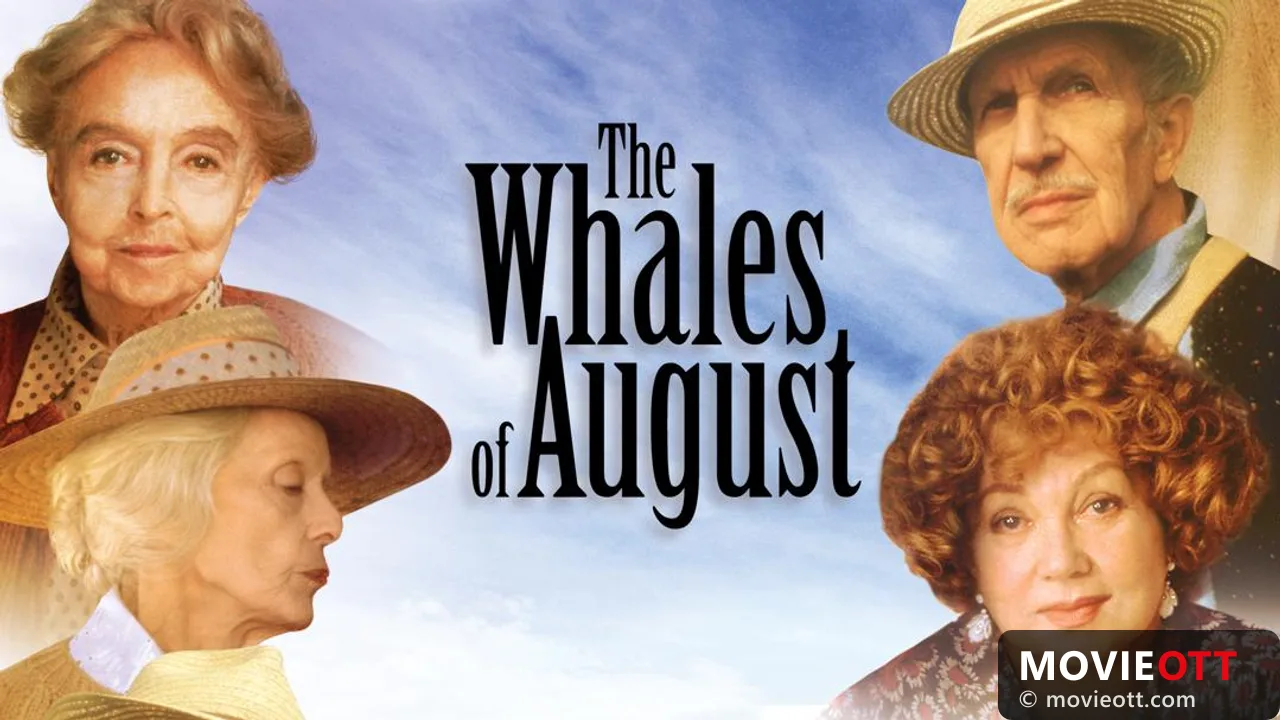
By the 1980s Davis was working selectively, and The Whales of August (1987) stands as one of her final significant screen appearances. Directed by Lindsay Anderson and co-starring Lillian Gish, the film is quiet in a way that suits both actresses — two elderly sisters on the Maine coast, negotiating memory, dependency, and the particular friction that can exist between people who have known each other too long and too well. Davis plays Libby, the difficult one, the one who won't make peace with her circumstances, and there's something almost uncomfortable about watching her in it, because you can't entirely separate the character's stubbornness from what you know about Davis herself. The Whales of August didn't perform strongly at the box office, but it received genuine critical attention and gave Davis a role that didn't ask her to be a monument to herself.
Hard to say if there's a tidy way to place a career that long in any single frame. She received ten Academy Award nominations in total, a record that stood for decades. She worked in television extensively from the 1970s onward, and won an Emmy for Strangers: The Story of a Mother and Daughter in 1979. She didn't stop — that much is clear from the filmography. The Whales of August came out when she was 79 years old, and she was still finding something in the work worth showing up for.
Currently streaming
3 of 12 on platformsFilmography

Complicated Women
2003 · Self (archive footage)
The Whales of August
1987 · Cast
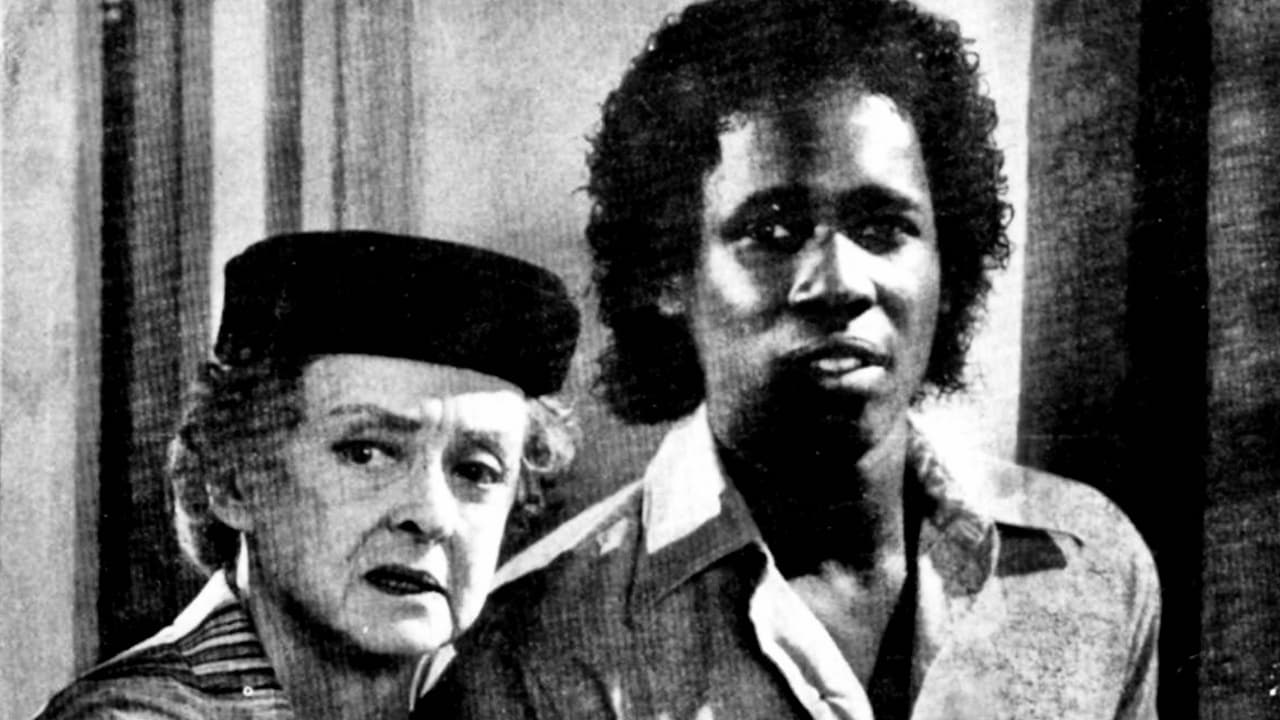
White Mama
1980 · Estelle Malone
Burnt Offerings
1976 · Aunt Elizabeth
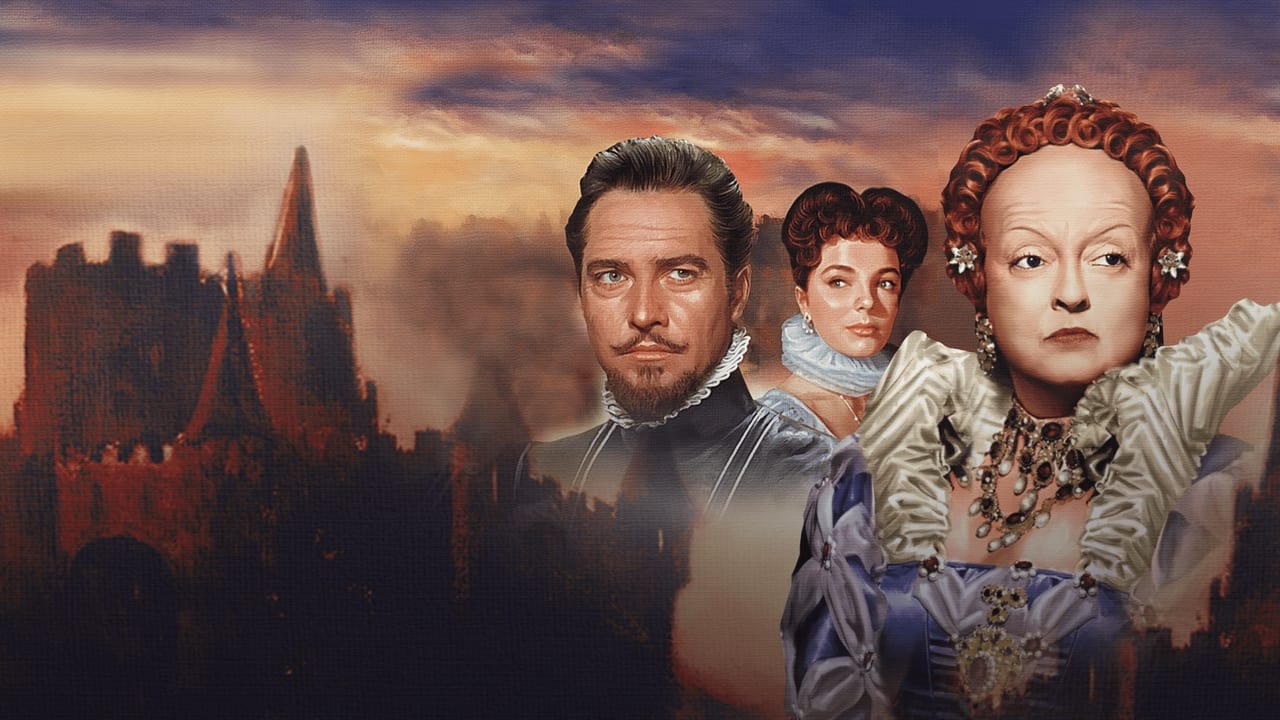
The Virgin Queen
1955 · Queen Elizabeth I
Mr. Skeffington
1944 · Fanny Trellis

Thank Your Lucky Stars
1943 · Cast
The Bride Came C.O.D.
1941 · Joan Winfield
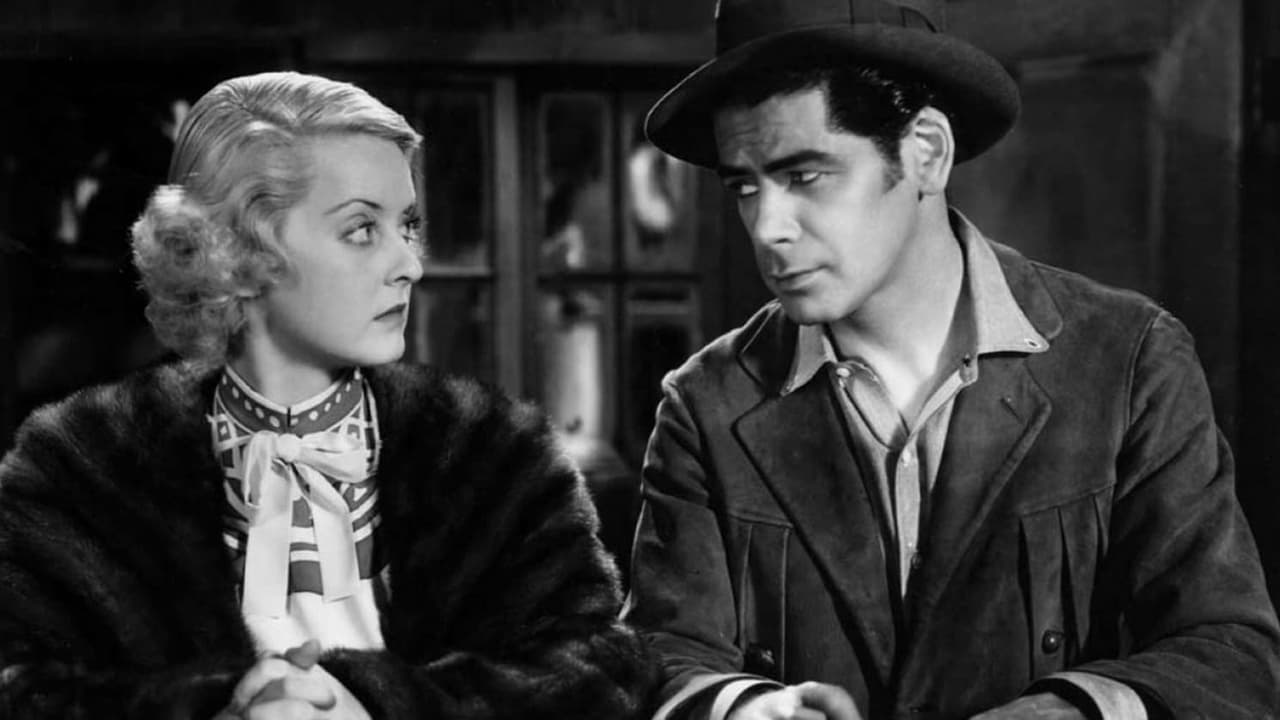
Bordertown
1935 · Mrs. Marie Roark
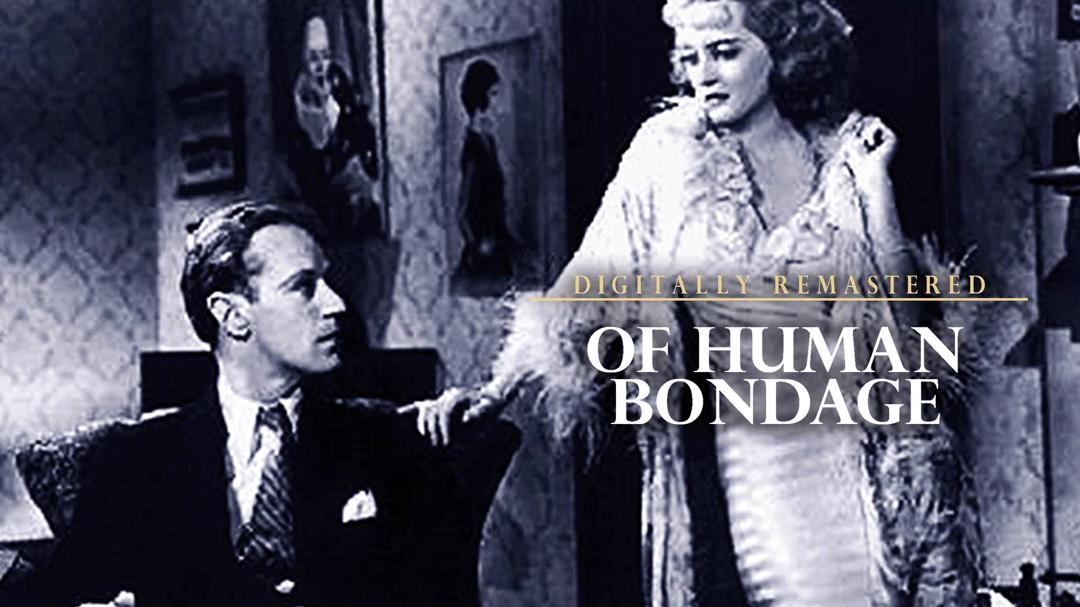
Of Human Bondage
1934 · Cast
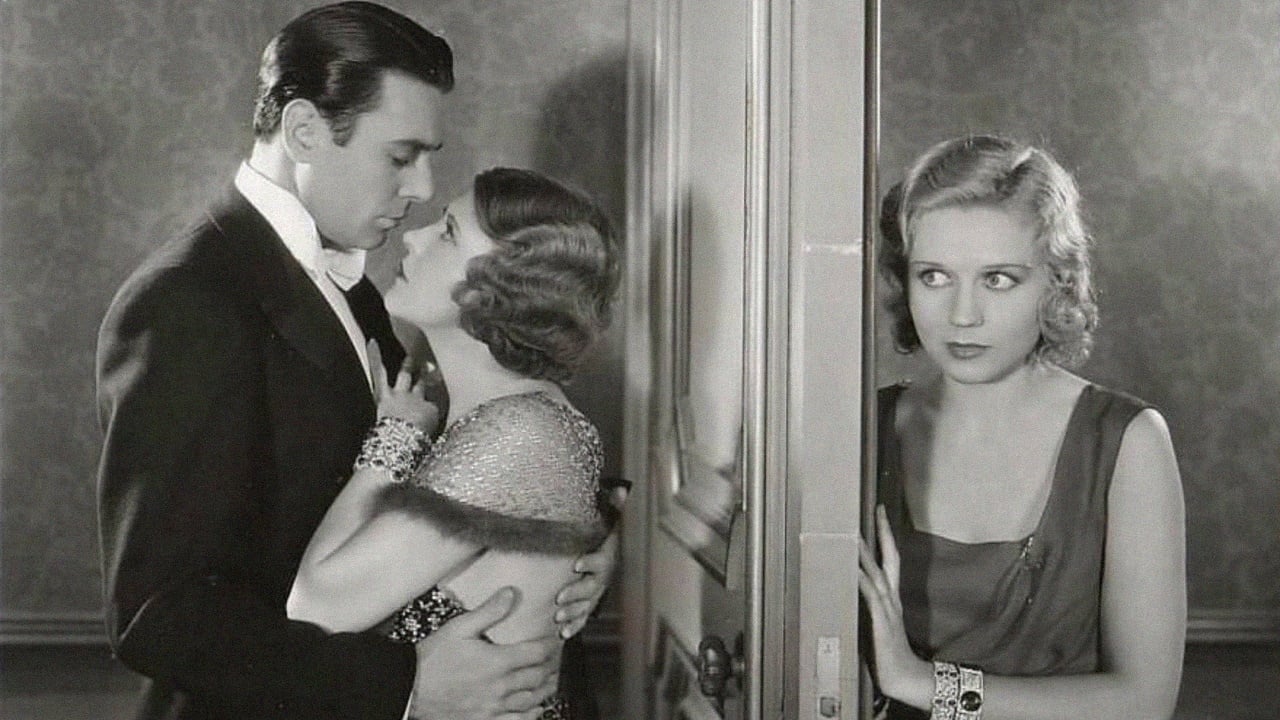
The Rich Are Always with Us
1932 · Malbro
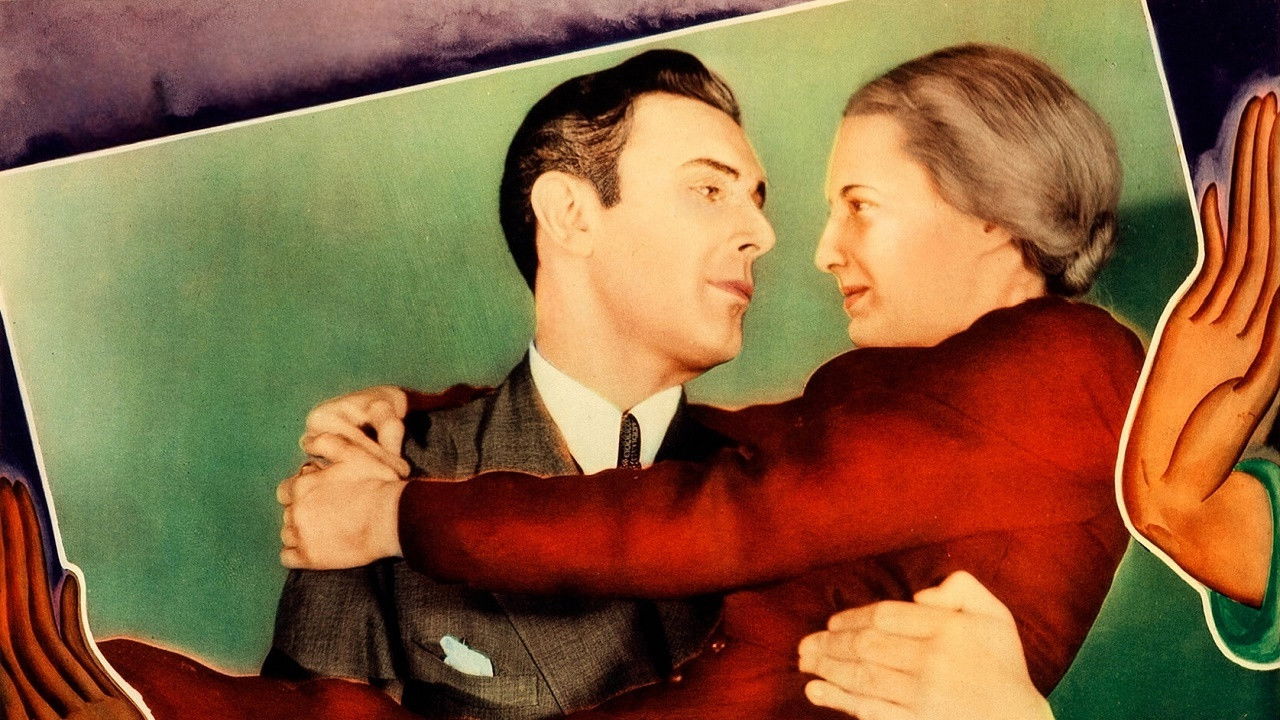
So Big!
1932 · Miss Dallas O'Mara
Frequently asked questions
When and where was Bette Davis born?
Bette Davis was born 1908-04-05 in Lowell, Massachusetts, USA.
What films is Bette Davis known for?
Bette Davis has 12 titles indexed on Movie OTT, including Complicated Women, The Whales of August, White Mama.
Where can I watch Bette Davis's films?
3 of Bette Davis's films are currently streaming, available on Amazon Prime Video with Ads, fuboTV, MGM Plus, MGM Plus Roku Premium Channel.
How long has Bette Davis been active?
Bette Davis's film career on Movie OTT spans from 1932 to 2003 — 71 years of work.