
The Story of Thank Your Lucky Stars
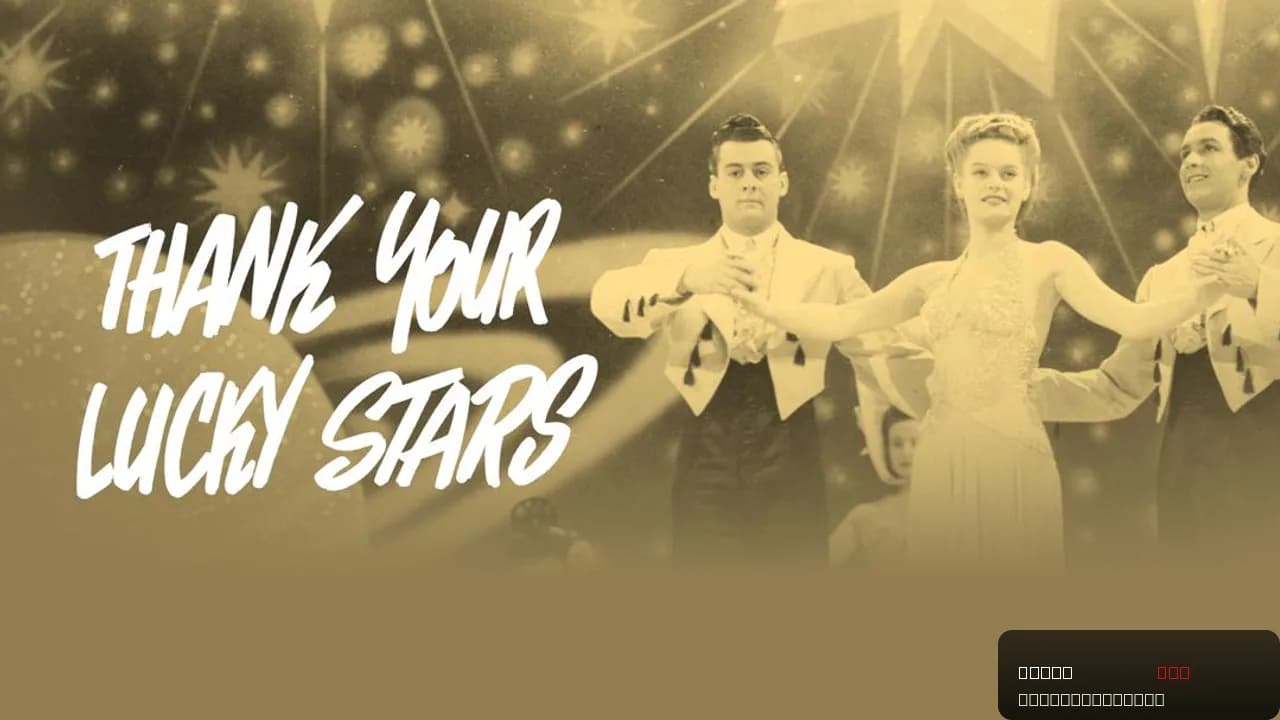
Thank Your Lucky Stars isn't really about plot in the traditional sense. The 1943 film opens with a deceptively simple premise: an Eddie Cantor look-alike dreams of organizing a big show, and he's determined to wrest control from a stuffy theater producer named Farnsworth. That's the skeleton. What actually matters — what keeps you watching — is the excuse to cram nearly every major Hollywood name of the era into a musical revue that's nominally meant to help the war effort. You get Humphrey Bogart, Bette Davis, Olivia de Havilland, Errol Flynn, and John Garfield, all playing themselves or loose variations thereof, performing songs written by Frank Loesser and Johnny Mercer. Some of the numbers land, some are purely of-their-moment curiosities (rhyming nylon with pylon, as one critic noted), but the whole enterprise hums with a kind of infectious goodwill that's hard to resist.
Behind the Making of Thank Your Lucky Stars
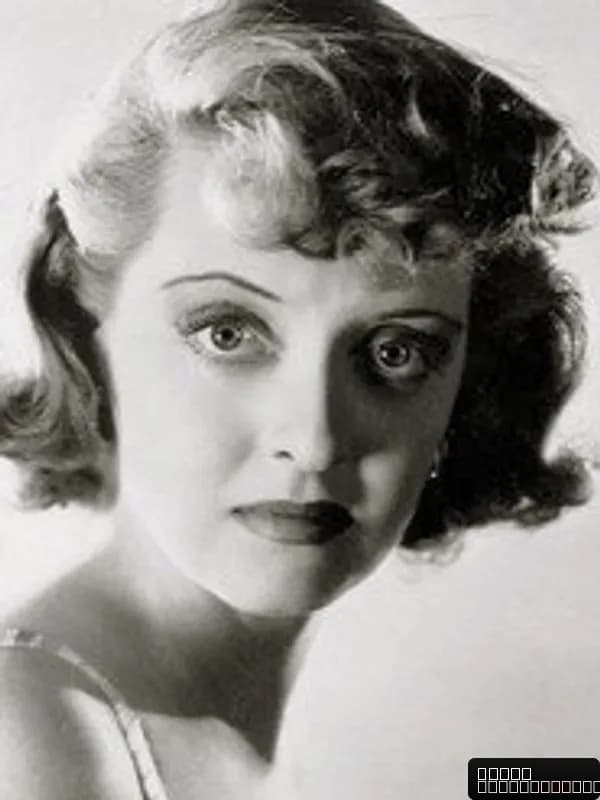
Here's what makes Thank Your Lucky Stars historically significant: it wasn't just a movie, it was a statement of purpose. Warner Bros. made this film as a direct World War II fundraiser, and the stars involved — including Bette Davis and John Garfield, who'd co-founded the Hollywood Canteen — donated their salaries to the cause. That's not a throwaway detail. When you're watching Bogart or Davis onscreen, you're watching people who literally worked for free because they believed in supporting troops and the war effort. Director David Butler, who knew how to keep a musical moving, assembled this carnival of talent without letting any single performance derail the whole enterprise.
The cast list reads like a who's who of 1940s Hollywood at its peak. Eddie Cantor carries the nominal lead role, but the film's real engine is how it pivots between these guest appearances — some are full musical numbers, others are quick comedic bits. Edward Everett Horton plays the antagonist producer with the kind of prissy energy that was his specialty. Joan Leslie, who'd worked with James Cagney on Yankee Doodle Dandy just the year before, brings a straightforward charm to her role. The film clocks in at 127 minutes, which is substantial for a musical comedy of this era, and that runtime gives room for the show-within-a-show concept to breathe. It's not a tight, lean production — it's sprawling, deliberately so, because the point wasn't efficiency. The point was spectacle and generosity.
What Makes Thank Your Lucky Stars Stand Out
What's striking about Thank Your Lucky Stars, even now, is how it captures a particular moment in American culture — one where Hollywood didn't just make entertainment, it made propaganda in the service of a cause most people believed in. The film doesn't pretend to be anything other than what it is: a revue, a variety show, a chance to see your favorite stars doing something a little different. That honesty is refreshing. You won't find psychological complexity here or a narrative that demands your full attention. What you will find is craftsmanship in the musical numbers themselves — Loesser and Mercer were serious songwriters, even when they were writing silly material — and genuine star power on display.
I keep coming back to how the film manages its tonal shifts. One moment you're watching a romantic duet, the next it's a comedy bit that relies entirely on physical humor or wordplay. It shouldn't work, but it does, largely because the energy never flags and the performers seem genuinely invested in entertaining you rather than protecting some precious character. Bogart, in particular, shows up for a musical number that's completely against type, and that willingness to look foolish for the cause is part of the film's charm. The 6.5/10 IMDb rating reflects that this isn't a masterpiece — it's entertainment, sometimes uneven, sometimes dated — but it's entertainment made with a purpose beyond profit.
Where to Stream Thank Your Lucky Stars Online
If you're looking to catch Thank Your Lucky Stars, you can find it on HBO Max Amazon Channel and Max. Both platforms currently carry the title, so you've got options depending on your existing subscriptions. The film's restoration for streaming has cleaned up the print nicely — those Technicolor musical numbers pop in a way they might not have in a degraded 16mm print. For current availability and to confirm where it's streaming in your region, check the Where to Watch widget at the top of this page. Movie OTT tracks streaming availability across platforms, so you can see instantly which service has what you want to watch.
Frequently Asked Questions
Q: Who directed Thank Your Lucky Stars?
David Butler directed the film. He was a skilled comedy and musical director who kept the sprawling cast and multiple musical numbers organized and moving at a brisk pace.
Q: Did the cast actually donate their salaries to charity?
Yes. The stars involved donated their salaries to the Hollywood Canteen, a real organization founded by Bette Davis and John Garfield to support troops during World War II. It wasn't just a marketing angle — it was the whole reason the project existed.
Q: How long is Thank Your Lucky Stars?
The film runs 127 minutes, which is substantial for a 1943 musical comedy. That runtime allows room for the revue format and multiple musical numbers without feeling rushed.
Q: Is Thank Your Lucky Stars based on a true story?
No, it's a fictional musical comedy with a slim plot designed to hang musical numbers and star appearances on. The charity fundraising aspect was real, but the narrative about an Eddie Cantor look-alike and a theater producer is pure invention.
Q: Why would Humphrey Bogart appear in a musical comedy?
Because the film was a wartime fundraiser and Bogart, like the other stars, supported the cause. His willingness to participate in a lighthearted, non-typical role demonstrates how seriously Hollywood took the war effort at the time.
Final Thoughts on Thank Your Lucky Stars
Thank Your Lucky Stars won't blow your mind as a narrative achievement, but it's worth watching for what it represents: a moment when Hollywood's biggest stars put aside their usual concerns and made something purely in service of a cause larger than themselves. It's a time capsule of 1943, a musical time capsule, and a reminder that sometimes entertainment's greatest value isn't in how perfectly it's crafted — it's in the generosity behind it. If you love classic Hollywood or want to see Bogart singing, it's absolutely worth your time.