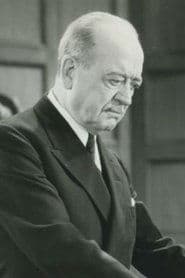
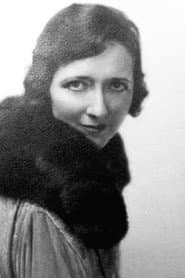
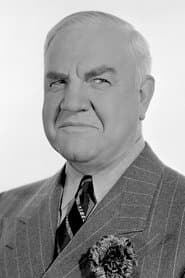
The story of The Rich Are Always with Us
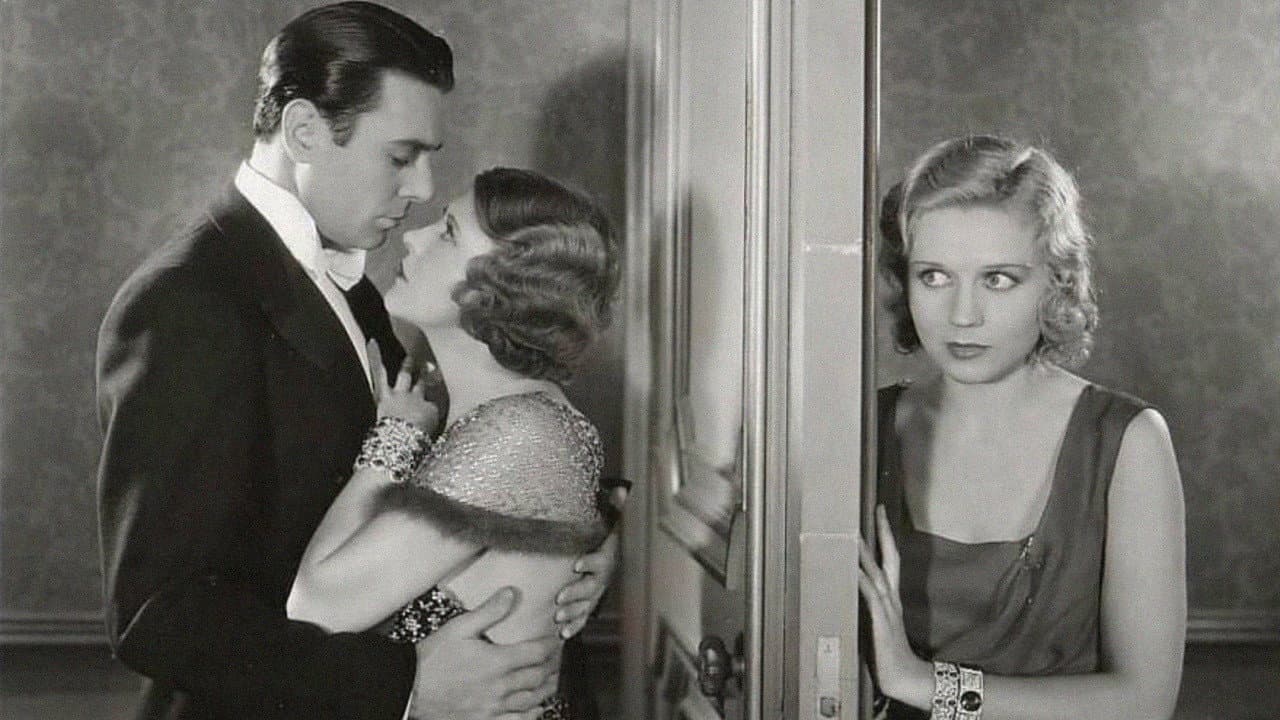
The Rich Are Always with Us unfolds in the rarefied world of Manhattan wealth and European luxury, where appearances matter far more than truth. At its heart sits a marriage in free fall — a wealthy couple whose bond has fractured under the strain of the husband's wandering eye. The wife, dignified and composed, faces an uncomfortable choice: endure the humiliation or walk away. But there's a third option, one that's been waiting patiently in the wings. A devoted male friend, someone who's harbored deep feelings for years, suddenly sees an opening. What follows is a delicate dance of desire, loyalty, and the question of whether real love can bloom from the wreckage of someone else's failed commitment. It's a story about people with money who can't buy their way out of heartbreak.
Behind the making of The Rich Are Always with Us
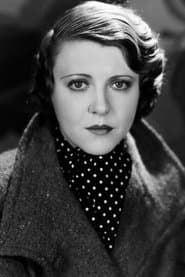
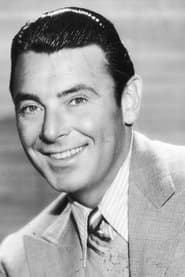
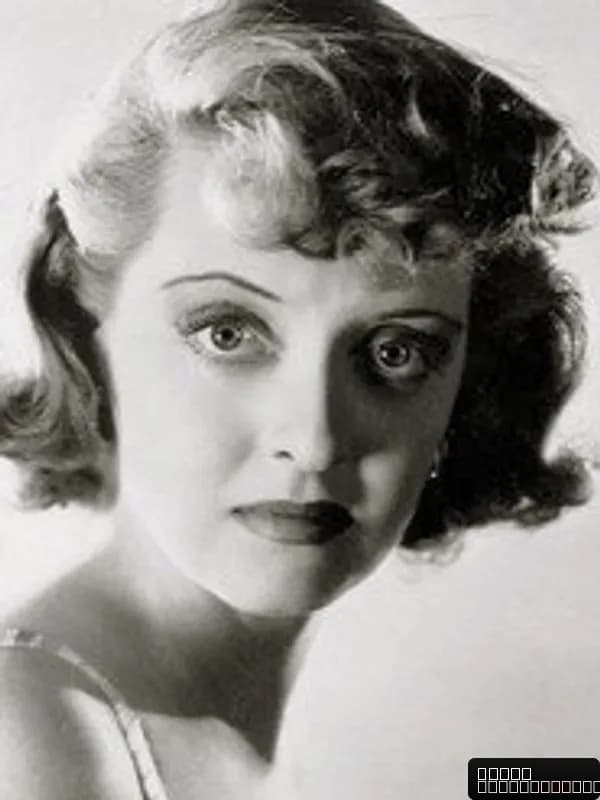
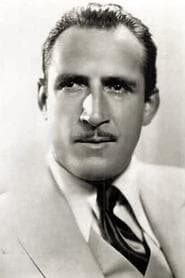
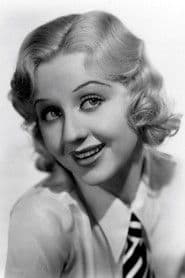
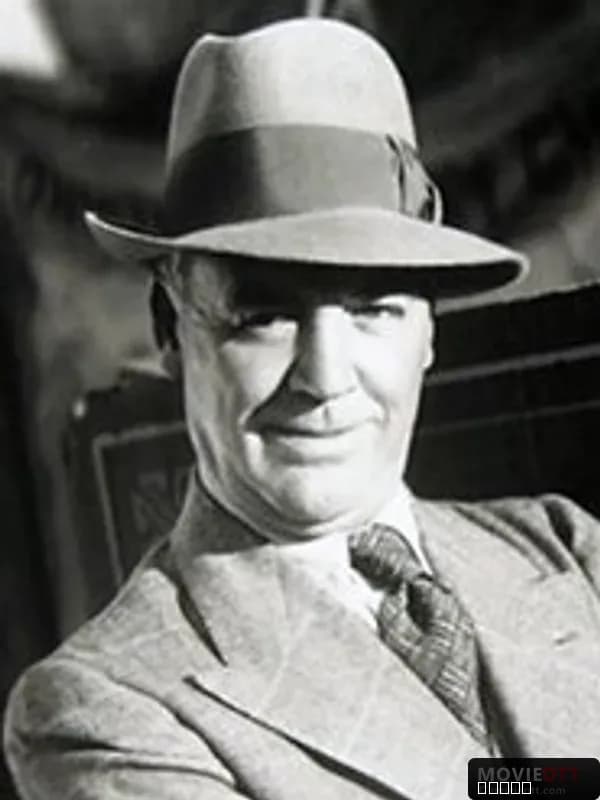
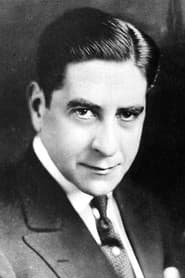
Director Alfred E. Green helmed this adaptation of Ethel Pettit's novel, bringing Austin Parker's screenplay to the screen with the glossy sophistication that defined early 1930s Warner Bros. drama. The film emerged during Hollywood's pre-Code era, that brief window before the Motion Picture Production Code tightened its grip on what could be shown on screen — which meant The Rich Are Always with Us could explore marital infidelity and romantic complications with a frankness that would soon become impossible. Ruth Chatterton anchored the cast as the wronged wife, a seasoned performer who'd already made her mark in talkies. George Brent played her husband, the charming philanderer, while a young Bette Davis took on a supporting role that would become one of many stepping stones to her legendary career. The Vitaphone Corporation, First National Pictures, and Warner Bros. Pictures pooled resources to produce what was clearly positioned as a prestige picture — the kind of sumptuous portrayal of sensuous society that the official tagline promised, set against the perfumed fragrance of Park Avenue and Paris boudoirs. At 71 minutes, it moves with the brisk efficiency typical of early sound cinema, never overstaying its welcome.
Why The Rich Are Always with Us still matters
What's striking about revisiting this film now is how it treats infidelity not as a moral failing to be punished, but as a symptom of something deeper — a marriage that's already hollow before the betrayal happens. The performances don't rely on melodramatic hand-wringing; instead, there's a restraint that feels almost modern. Chatterton brings a quiet dignity to her role, refusing to become a victim even as her world fractures. Brent's husband isn't written as a villain, just a man who wants something his marriage can't give him. And Davis, even in a smaller part, carries an intensity that suggests she'd soon be demanding meatier roles. The film doesn't shy away from the uncomfortable truth that sometimes the person who loves you most isn't the person you're married to — and that recognizing this fact doesn't automatically make things simple or clean. The pacing and dialogue crackle with a sophistication that feels almost like a stage play adapted for cinema, which makes sense given how many of these early 1930s dramas were. There's no manufactured melodrama here, just people navigating desires and obligations that can't always coexist, and the camera lingers on faces rather than scenery to tell you what matters.
How to watch The Rich Are Always with Us online
The Rich Are Always with Us is available across major OTT services — you can check the Where to Watch widget at the top of this page to see exactly which platforms are currently streaming it in your region. If you're hunting for pre-Code Hollywood on Movie OTT, you'll find that this era of cinema offers some of the most uninhibited storytelling the studio system ever produced, before the censorship machinery really kicked into high gear. The 71-minute runtime makes it easy to fit into an evening, and it's the kind of film that rewards a second watch once you know where the emotional beats land. Many classic film enthusiasts return to it specifically for the performances and the window it opens onto early 1930s attitudes about marriage and desire.
Frequently asked questions
Q: Who directed The Rich Are Always with Us?
Alfred E. Green directed the film, bringing a sophisticated touch to the material that emphasized character and dialogue over spectacle.
Q: Is The Rich Are Always with Us based on a true story?
No — it's an adaptation of Ethel Pettit's novel of the same name, with a screenplay by Austin Parker. The story is fictional, though it draws on themes that were very much part of real 1930s high society.
Q: What year was The Rich Are Always with Us released?
The film came out in 1932, during Hollywood's pre-Code period when filmmakers had more freedom to explore controversial subjects like infidelity and marital breakdown.
Q: How long is The Rich Are Always with Us?
At 71 minutes, it's a brisk drama that moves efficiently through its plot without padding or unnecessary subplots.
Q: Where can I watch The Rich Are Always with Us?
Check the Where to Watch widget on this page for current availability across streaming services. Major OTT platforms regularly rotate classic films, so availability can shift — Movie OTT tracks these changes to help you find what you're looking for.
Final thoughts on The Rich Are Always with Us
The Rich Are Always with Us deserves a place in any survey of early 1930s cinema, not because it's a masterpiece, but because it's an honest film. It doesn't apologize for its characters' desires or judge them harshly for their failures. That's a rare thing in any era. If you're drawn to pre-Code Hollywood, to period drama that feels lived-in rather than performed, or simply to watching Ruth Chatterton and Bette Davis do their thing — this one's worth your time. It won't change your life, but it might change how you think about what early cinema could do.