Actor
John Wray
4 films on Movie OTT · Active 1932–1940
John Wray, born on February 12, 1887, in Philadelphia, Pennsylvania, was an American actor whose career spanned the silent film era into the golden age of Hollywood. Wray began his career in the theater, where he honed his craft before transitioning to the silver screen. He became best known for his roles in pre-Code Hollywood films, a period marked by a lack of strict enforcement of censorship guidelines, which allowed for more mature and sometimes controversial content. Wray's commanding presence and versatile acting skills made him a fixture in the film industry during this dynamic era.
About John Wray
John Wray, born on February 12, 1887, in Philadelphia, Pennsylvania, was an American actor whose career spanned the silent film era into the golden age of Hollywood. Wray began his career in the theater, where he honed his craft before transitioning to the silver screen. He became best known for his roles in pre-Code Hollywood films, a period marked by a lack of strict enforcement of censorship guidelines, which allowed for more mature and sometimes controversial content. Wray's commanding presence and versatile acting skills made him a fixture in the film industry during this dynamic era.
Wray's breakthrough came with his role in "The Mouthpiece: A Haunting Pre-Code Drama," released in 1932. This film exemplified his ability to convey complex characters with depth and nuance, a skill that became a hallmark of his performances. In "The Mouthpiece," Wray portrayed a character caught in moral dilemmas, showcasing his range and ability to embody the intricate psychological landscapes of his roles. This film not only solidified his reputation as a formidable actor but also highlighted his talent for tackling challenging narratives that resonated with audiences and critics alike.
Over the years, John Wray collaborated with various directors and actors, contributing to a range of films that explored different genres and themes. While he often found himself cast in dramatic roles, Wray was not limited to a single genre. His work spanned crime dramas, comedies, and even occasional forays into the burgeoning science fiction and horror genres of the time. This versatility allowed him to continually evolve as an actor, adapting to the shifting trends in the film industry. His collaborations with notable filmmakers and actors of the era further enriched his filmography and underscored his ability to seamlessly integrate into diverse cinematic projects.
In more recent years, John Wray's legacy continues through the enduring appeal of his films, including "The Mouthpiece: A Haunting Pre-Code Drama." This film remains a significant part of his oeuvre, demonstrating the enduring power of pre-Code cinema and its influence on contemporary filmmaking. Although Wray's later career is less documented, his performances from the early 20th century remain a testament to his skill and dedication to the craft of acting. His portrayal in "The Mouthpiece" continues to be referenced in discussions about pre-Code Hollywood and its impact on storytelling.
Today, John Wray's place in the film industry is recognized among enthusiasts of classic cinema. His contributions to the film world during a transformative period in Hollywood history are celebrated for their authenticity and emotional depth. While specific details of his ongoing projects or later life remain scant, Wray's work continues to inspire those who appreciate the rich tapestry of early American cinema. His dedication to portraying multifaceted characters ensures that his legacy endures, offering valuable insights into a pivotal era of film history.
Currently streaming
1 of 4 on platforms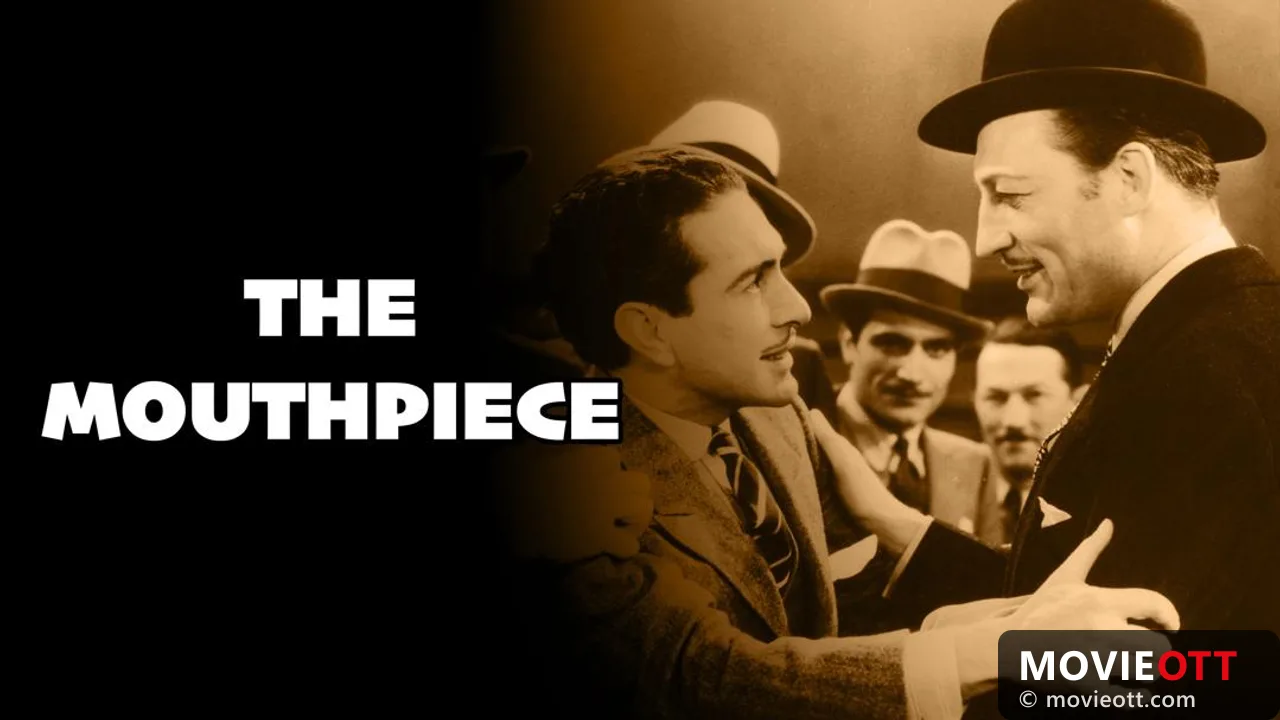
Filmography
Frequently asked questions
When and where was John Wray born?
John Wray was born 1887-02-12 in Philadelphia, Pennsylvania, USA.
What films is John Wray known for?
John Wray has 4 titles indexed on Movie OTT, including Remember the Night, Miss Pinkerton, The Mouthpiece: A Haunting Pre-Code Drama.
Where can I watch John Wray's films?
1 of John Wray's films are currently streaming, available on Max.
How long has John Wray been active?
John Wray's film career on Movie OTT spans from 1932 to 1940 — 8 years of work.