


The story of Union Depot: A night at the station
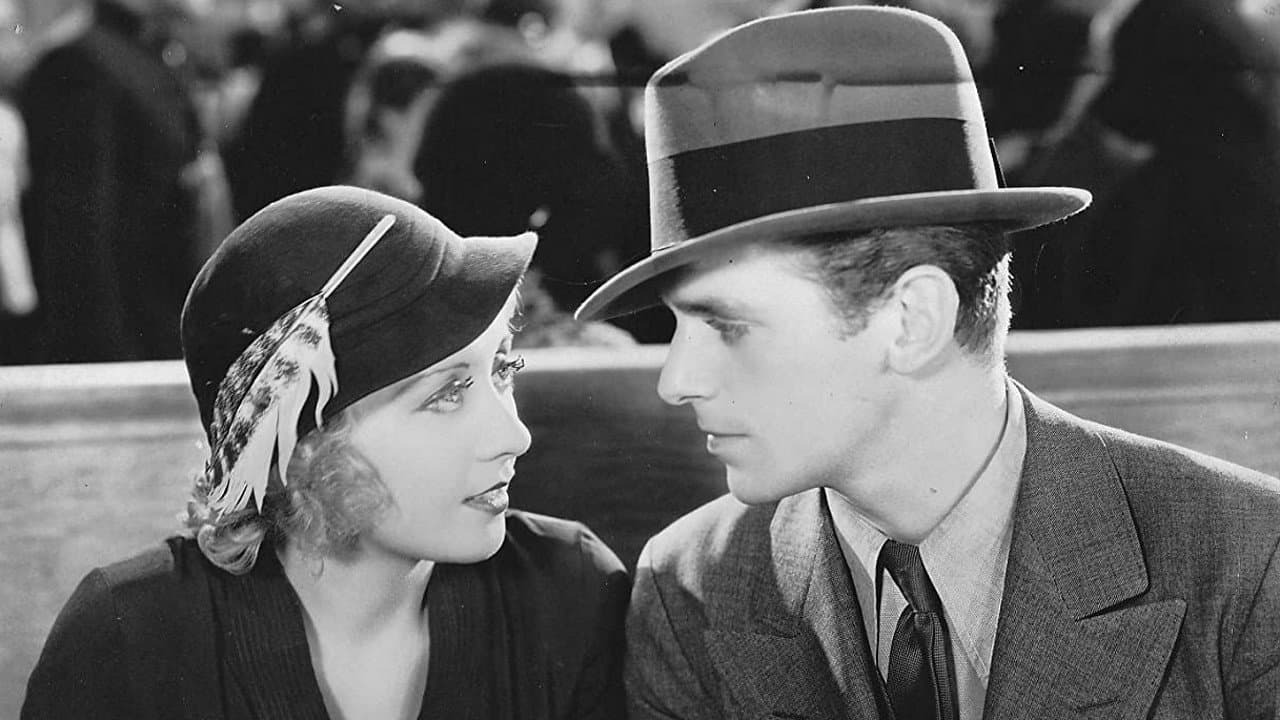
Union Depot unfolds entirely within the confines of a single metropolitan train station across one frenetic evening — a pressure cooker of human desperation, hope, and petty schemes. The film opens with Chick and his friend Scrap Iron, two men freshly released from prison after serving time for vagrancy, stepping into a world that hasn't gotten any kinder in their absence. Hungry, broke, and facing the indifference of a Depression-weary city, Chick stumbles upon an abandoned valise left behind by a drunken traveler. Inside: a shaving kit, a suit of clothes, and a bankroll. It's the kind of lucky break that feels like destiny — or at least like a fighting chance. He transforms himself into something resembling a gentleman, buys a decent meal, and ventures into the station's floating population of hustlers and stranded travelers seeking connection. Among them is Ruth Collins, an out-of-work showgirl with her own story of bad luck and compromises. What begins as a transactional proposition between two strangers becomes something messier, more human, and ultimately more interesting than either of them anticipated.
Behind the making of Union Depot: Production, cast, and box office
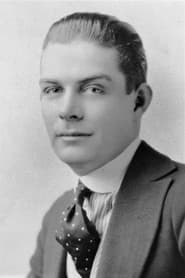
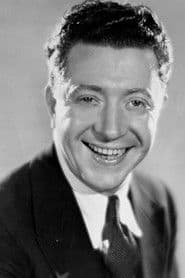
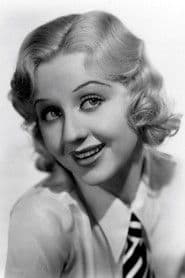
Director Alfred E. Green helmed this ensemble piece for Warner Bros. in 1932, drawing from an unpublished stage play by Joe Laurie Jr., Gene Fowler, and Douglas Durkin — a script that captured something essential about the mobility and anonymity of Depression-era America. The studio loaded the cast with contract players: Douglas Fairbanks Jr. carried the romantic lead as Chick, while Joan Blondell brought sharp, knowing energy to Ruth Collins. The supporting ensemble — Guy Kibbee, Alan Hale, Frank McHugh, David Landau, and George Rosener — created a dense social microcosm that reflected Warner Bros.' house style of gritty, character-driven storytelling. This was pre-Code filmmaking, which meant the studio could traffic in moral ambiguity, sexual frankness, and cynicism that would become impossible just two years later when the Production Code enforcement tightened. The film's copyright was registered in 1932 and renewed in 1959, and it'll enter the American public domain on January 1, 2028. In the United Kingdom, the picture was released under the title Gentleman for a Day — a title that hints at the film's central fantasy of reinvention and borrowed identity. While box office records from 1932 are fragmentary, the film found enough audience traction to justify its modest 67-minute runtime and the studio's investment in an ensemble approach rather than a star vehicle.
What makes Union Depot stand out: Performance and pre-Code authenticity
What's striking is how the film doesn't sentimentalize its characters' circumstances. Chick isn't a noble hobo with a heart of gold — he's a con artist, a drifter, someone willing to manipulate a lonely woman for companionship and maybe a few dollars. Ruth isn't a damsel waiting for rescue; she's a hustler too, just operating in a different economy. The thing nobody mentions is that the real pleasure of Union Depot comes from watching these two people negotiate their mutual self-interest with genuine affection — they're both performing, both trying on identities, and yet something real emerges from the performance. Fairbanks Jr. brings a wry, almost apologetic charm to Chick; he's not asking us to like him so much as to understand him. Blondell, meanwhile, carries the film's emotional weight with a kind of weary intelligence — she's seen every angle, knows how the game works, and yet remains capable of surprise. The supporting cast moves through the station like a repertory company, each character a sketch of urban desperation: the drunk with the valise, the petty criminals eyeing each other, the ticket clerk watching it all with resignation. The dialogue crackles with period slang and the kind of rapid-fire banter that Warner Bros. perfected in the early '30s. You can feel the influence of the stage play in the theatrical pacing, the way scenes build and collide, the sense that we're watching a machine of human interaction wind itself tighter and tighter across a single night. It's not a perfect film — the plot meanders, some scenes outstay their welcome, and the romantic resolution feels a bit convenient — but it captures something real about how people survive and connect when the normal structures of society have let them down.
Where to stream Union Depot online
Union Depot is currently available on major OTT services, and Movie OTT maintains a live "Where to Watch" widget at the top of this page that tracks its availability across platforms in real time. Rather than listing services that may shift month to month, the widget gives you the most current streaming options — just look to the top of the page to see where you can access the film right now. Since this is a pre-Code classic from 1932, it's often part of deeper Warner Bros. catalogs on subscription services, sometimes bundled with other Golden Age films. If you're hunting for it, Movie OTT's aggregator approach saves you the hassle of checking five different apps yourself.
Frequently asked questions
Q: Who directed Union Depot?
Alfred E. Green directed Union Depot for Warner Bros. Green was a prolific studio director known for his work across multiple genres in the 1930s and '40s. The film showcases his talent for managing ensemble casts and extracting naturalistic performances from studio contract players.
Q: Is Union Depot based on a true story?
No, Union Depot is based on an unpublished stage play written by Joe Laurie Jr., Gene Fowler, and Douglas Durkin. While the film captures the texture and social reality of Depression-era urban life authentically, the characters and plot are fictional creations designed to explore themes of reinvention and survival.
Q: Who starred in Union Depot?
Douglas Fairbanks Jr. and Joan Blondell carried the leads, with strong supporting performances from Guy Kibbee, Alan Hale, Frank McHugh, David Landau, and George Rosener. The ensemble cast was drawn from Warner Bros.' stable of contract players.
Q: What does the tagline "A Lifetime Crowded Into a Few Mad Hours" mean?
The original tagline captures the film's central conceit: everything happens in one night at the station. Multiple storylines, romantic encounters, criminal schemes, and emotional arcs compress into a single compressed timeframe, creating a sense of heightened intensity and collision.
Q: Will Union Depot enter the public domain?
Yes. The film's copyright was renewed in 1959, and it will enter the American public domain on January 1, 2028. This means the film will become freely available for distribution and adaptation without rights restrictions.
Final thoughts on Union Depot
Honestly, Union Depot rewards viewers willing to sit with its particular rhythms and pre-Code sensibilities. It's not trying to be grand or profound — it's a modest, energetic sketch of urban survival that happens to capture something true about how people perform their lives and find connection despite the odds. If you're interested in early '30s Warner Bros. style, ensemble storytelling, or just want to see how cinema handled moral ambiguity before the Production Code clamped down, this film's worth seeking out. At 67 minutes, it doesn't overstay its welcome, and the performances have a lived-in quality that still registers nearly a century later.