









The story of Confessions: grief and a system that fails
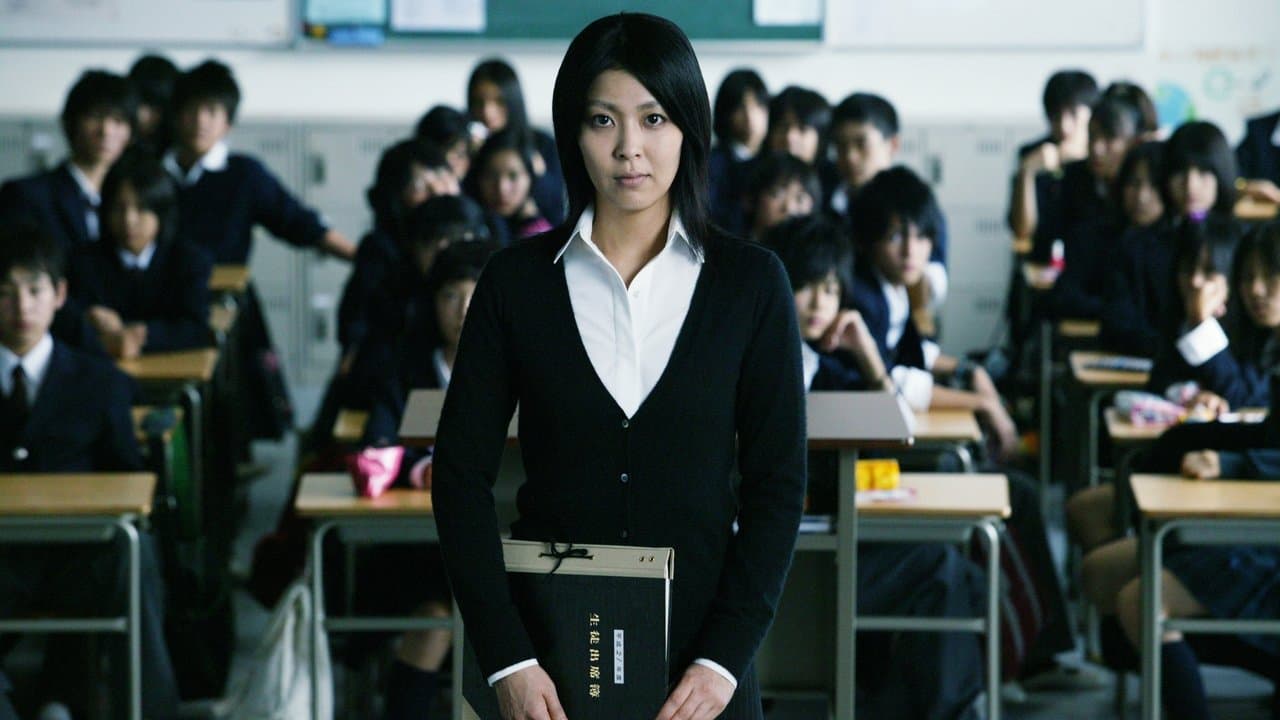
Confessions opens with a confession—but not the kind you'd expect. A middle school teacher stands before her class and calmly announces that her four-year-old daughter is dead. She doesn't cry. She doesn't rage. Instead, she tells her students exactly what she knows: two of them are responsible. What follows is a 107-minute descent into psychological territory where grief curdles into something far colder, and the line between justice and vengeance dissolves entirely. The film, based on Kanae Minato's 2008 novel, doesn't follow a traditional revenge narrative. There's no dramatic confrontation, no cathartic violence. Instead, Nakashima crafts something far more unsettling—a story about how a broken legal system designed to protect minors can become a weapon in the hands of someone with nothing left to lose.
Behind the making of Confessions: Tetsuya Nakashima's adaptation
Tetsuya Nakashima directed and wrote this adaptation with surgical precision, transforming Minato's source material into a visual and narrative experience that feels almost like a fever dream. The production involved major Japanese studios—TOHO, Sony Music Entertainment (Japan), and others—bringing considerable resources to what could've been a straightforward revenge thriller. Instead, what emerged was something far more ambitious. The film stars Takako Matsu as the grieving teacher, and her performance carries the entire film; she's required to convey volumes through stillness, through a slight tilt of the head, through the absence of emotion where emotion should logically explode. Matsu's work here is the backbone of everything that works. The film arrived in 2010 to significant acclaim, earning a 7.588/10 rating on IMDb and finding an audience that appreciated its refusal to provide easy answers. It's the kind of film that doesn't play well with those seeking traditional narrative satisfaction—but for viewers willing to sit with discomfort, it's unforgettable. The runtime of 107 minutes never feels long; Nakashima trusts his audience to follow increasingly unreliable narration and shifting perspectives without spelling out every moral implication.
What makes Confessions stand out: unreliable narration and moral ambiguity
The real genius of Confessions isn't just its plot—it's how the film refuses to let you settle into a comfortable position. As each character gets their moment to explain themselves, their justifications are revealed to be layers of self-deception, rationalization, and quiet cruelty. What's striking is how the film uses its structure to implicate the audience itself. We want the teacher to succeed. We want justice for her daughter. And yet, as her plan unfolds and we see the collateral damage—the way her revenge metastasizes, touching people who had nothing to do with the original crime—we're forced to confront something deeply uncomfortable: our own complicity in wanting vengeance. Reviewers noted the film's cold, controlled aesthetic; it's beautiful in a way that's almost sterile, which makes the violence of what's happening feel even more disturbing. The audio-visual craft is meticulous—there's a lingering sense of dread that builds not through jump scares or dramatic music, but through the quiet certainty that everyone in this story is lying, including (and especially) themselves. The performances layer deception upon deception. Nobody here is a straightforward villain or hero. That moral void—the space where the juvenile justice system fails to punish, where guilt metastasizes into something collective and poisonous—is where the film lives, and it's deeply uncomfortable terrain.
Where to stream Confessions online
Confessions is available on major OTT streaming services, and Movie OTT tracks its current availability across platforms so you can find exactly where to watch it right now. The film's psychological intensity makes it the kind of movie worth seeking out on a platform where you can give it your full attention—no distractions, no pausing to check your phone. It's a film that demands to be watched in one sitting if possible, which is why knowing where it's currently streaming matters. Check the Where to Watch widget at the top of this page for real-time availability in your region.
Frequently asked questions
Q: Who directed Confessions and what's it based on?
Tetsuya Nakashima wrote and directed this 2010 adaptation of Kanae Minato's 2008 novel of the same name. Nakashima's approach transforms the source material into a visually precise psychological thriller that's far more about moral ambiguity than traditional revenge storytelling.
Q: Is Confessions based on a true story?
No, Confessions is a fictional work—though it engages with very real issues around juvenile justice systems and how they fail victims' families. The film's power comes from how plausibly it explores these systemic failures through a fictional narrative.
Q: What's the runtime and rating of Confessions?
The film runs 107 minutes and is rated for mature audiences due to its psychological intensity and themes involving child death and revenge. It's not a film for everyone, but it's essential viewing for those interested in complex, morally ambiguous cinema.
Q: Why is Confessions so hard to predict?
The film uses unreliable narration and shifting perspectives to constantly reframe what you think you know. Each character's monologue reveals new information that contradicts or complicates what came before, making traditional plot prediction nearly impossible.
Q: What makes Takako Matsu's performance so effective?
Matsu conveys grief and rage through restraint rather than explosion. Her stillness, her quiet delivery, and the way she controls every gesture make her character far more terrifying than any screaming or crying could achieve.
Final thoughts on Confessions
Confessions isn't a feel-good film, and it won't leave you satisfied in the traditional sense. What it will do is burrow into your head and stay there, forcing you to reconsider what you believe about justice, motherhood, and the cost of revenge. It's a film that respects your intelligence enough to withhold easy answers. If you're the kind of viewer who appreciates cinema that challenges rather than comforts, that explores moral complexity rather than settling for good-versus-evil simplicity, then Confessions deserves your time. It's one of the most thoughtfully constructed psychological thrillers of the 2010s.