



The story of Happy-Go-Lucky: Takashi and the pullover challenge
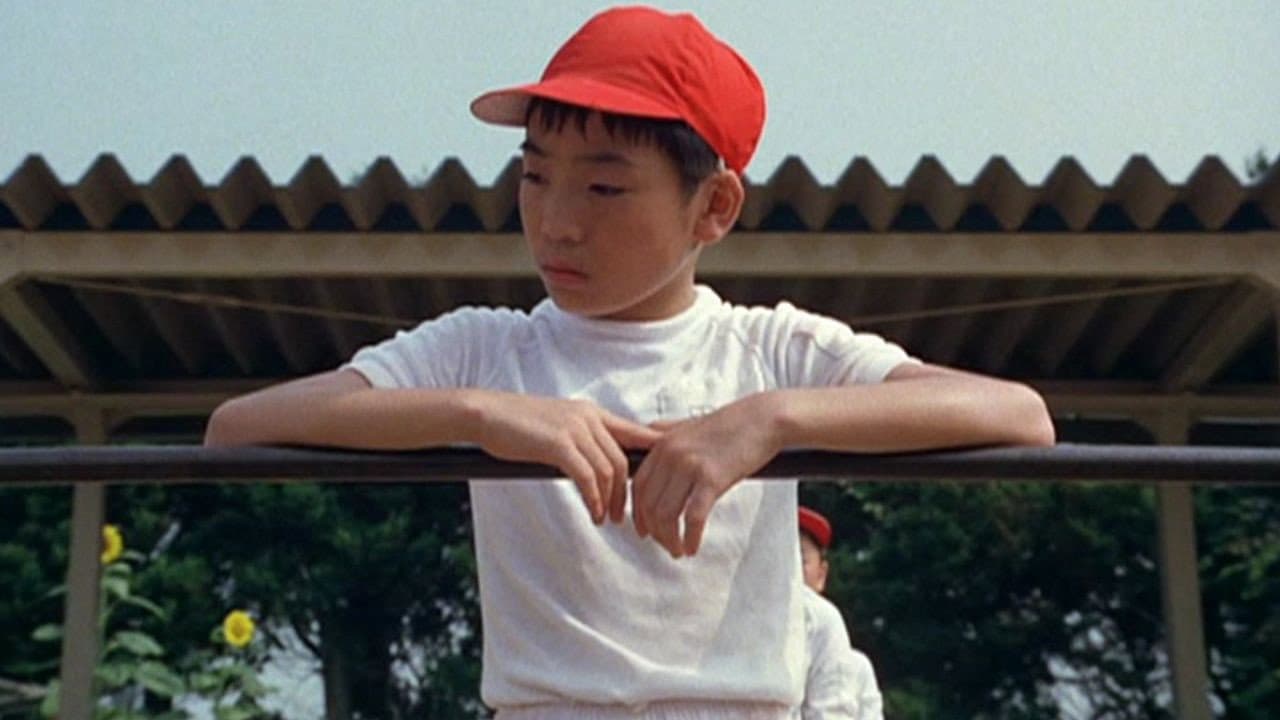
Happy-Go-Lucky unfolds around a seemingly mundane moment in a Japanese elementary school gymnasium. Takashi and four of his classmates—all fourth-graders—find themselves unable to execute a forward pullover around a horizontal bar, a basic gymnastics skill their P.E. teacher has deemed essential. Rather than let this slide, the teacher issues an ultimatum that cuts straight to the philosophy of the film: master the move within one week, or accept that you're the kind of person who gives up when things get hard. It's the kind of no-nonsense challenge that might seem harsh by today's standards, but it's also the emotional spine that drives everything that follows. The stakes aren't really about gymnastics at all—they're about character, resilience, and whether these kids will become the type of adults who run away from difficulty or stand and face it.
Behind the making of Happy-Go-Lucky and its production context
Produced by Cinequanon Pictures International Inc., Happy-Go-Lucky arrived in 1997 as a lean, focused drama with a runtime of just 73 minutes. That brevity is no accident—the film's economy of storytelling mirrors the directness of its central conflict. There's no bloat here, no subplot padding. What you get is a tightly constructed narrative that trusts its premise and its young cast to carry the emotional weight. The film's IMDb rating of 7.4/10 reflects solid critical and audience appreciation, suggesting it found resonance with viewers who responded to its unironic faith in the power of personal challenge and growth. While specific box office figures and major awards recognition aren't extensively documented in mainstream databases, the film's continued availability on streaming platforms and its presence in the international cinema conversation speaks to its staying power. This is the kind of film that doesn't require a massive marketing push or celebrity names to justify its existence—it simply works because it understands something true about how kids develop character.
What makes Happy-Go-Lucky stand out as a drama about childhood resolve
What's striking about Happy-Go-Lucky is how earnestly it treats the interior lives of children. This isn't a film that winks at the audience or softens the teacher's challenge with sentiment. Instead, it leans into the genuine anxiety and determination these kids experience over the course of one week. The performances ground everything in authenticity—you're watching real fourth-graders grapple with real fear and real hope, not child actors performing cuteness. There's something almost bracingly unsentimental about that approach; the film doesn't manipulate you into caring about whether they succeed. You care because the characters themselves care so much, and because the film respects their emotional stakes as fully legitimate. The pullover becomes a perfect metaphor precisely because it's so physically concrete—you can't fake a forward pullover, can't talk your way through it, can't negotiate with it. Either you do it or you don't. That clarity, that refusal to soften the edges of the challenge, is what separates this from the run-of-the-mill inspirational school drama. I keep coming back to how the film trusts silence and stillness as much as it trusts dialogue, letting the weight of the moment settle on the viewer without constant reassurance.
Where to stream Happy-Go-Lucky online
Happy-Go-Lucky is currently available on major OTT services, making it accessible to viewers looking to discover international drama outside the typical Hollywood pipeline. Rather than chase down individual rental prices or limited windows, you can check the Where to Watch widget at the top of this page to see exactly which streaming platforms in your region are carrying it right now. Movie OTT tracks current availability across services, so you won't waste time hunting. Since streaming catalogs shift regularly, that widget is your real-time source of truth—availability varies by country and subscription tier. The film's modest 73-minute runtime also means it's an easy fit into an evening, whether you're watching on a smart TV or a tablet during a commute.
Frequently asked questions
Q: Is Happy-Go-Lucky based on a true story?
The film draws from real-world scenarios of childhood physical education challenges and the philosophy that early obstacles build character. While not a strict biographical adaptation, it captures the emotional truth of how these moments shape who we become.
Q: Who directed Happy-Go-Lucky?
The film was produced by Cinequanon Pictures International Inc., though specific directorial credits aren't as widely documented in English-language databases as they might be in Japanese cinema archives. Movie OTT's detailed metadata can help you track down the complete production credits.
Q: How long is Happy-Go-Lucky?
The film runs exactly 73 minutes, making it a brisk, focused narrative that doesn't overstay its welcome. There's no padding—every scene earns its place.
Q: What's the main theme of Happy-Go-Lucky?
At its core, the film explores how early experiences with perseverance and facing challenges shape character development. The pullover challenge becomes a metaphor for how we respond to difficulty throughout our lives.
Q: Is Happy-Go-Lucky appropriate for kids?
Yes. It's a drama centered on fourth-graders and their experiences, though some younger viewers might find the tension of the challenge emotionally intense. It's the kind of film that could spark meaningful conversations about effort and resilience.
Final thoughts on Happy-Go-Lucky
Happy-Go-Lucky doesn't arrive with fanfare or franchise potential. It's a small, specific film about a single week in a Japanese elementary school, built on the belief that character is forged through honest struggle. That's its entire argument, and it makes that argument without apology. If you're tired of films that treat childhood as something to sentimentalize or exploit for easy emotion, this one offers something different—a genuine, unsentimental look at how kids rise to challenges when the adults in their lives refuse to let them off easy. It's worth your 73 minutes.