





The Story of Zatoichi: A Blind Wanderer's Reckoning
The story of Zatoichi begins with a man who sees more clearly than most people ever will. He's a blind traveling masseur and compulsive gambler who drifts from village to village, his walking stick and modest appearance concealing one of cinema's most lethal swordsmen. When Zatoichi arrives in a quiet village, he finds it fractured by territorial gangs locked in a brutal, seemingly endless conflict. The townspeople—merchants, geishas, and ordinary families—are caught in the crossfire, paying protection money and living in fear. What starts as Zatoichi's intention to simply pass through becomes something far more personal when he witnesses the human cost of the violence that's consumed this place. His sword, which made him a hero in other towns, will be tested here in ways that go beyond simple combat.
Behind the Making of Zatoichi: Kitano's Directorial Vision
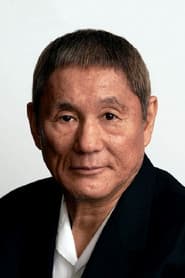
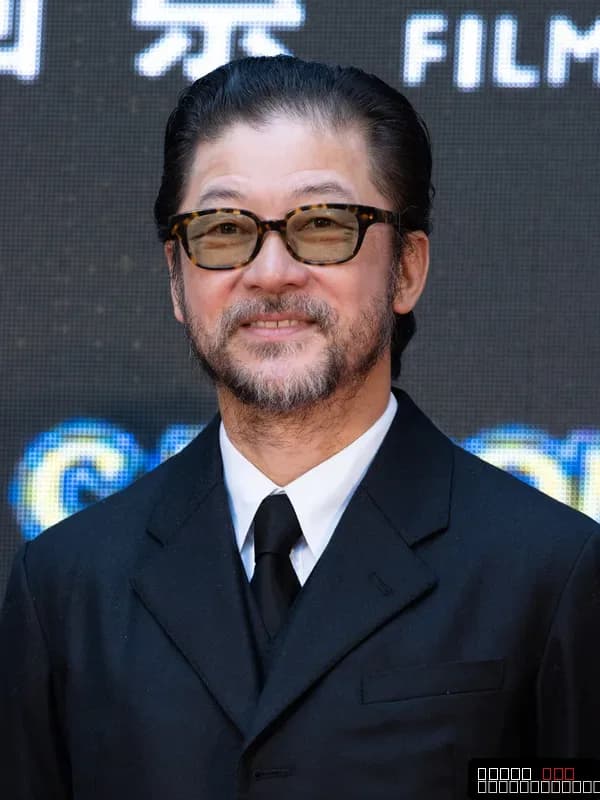
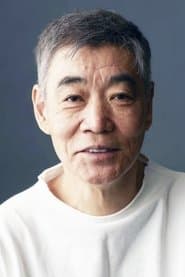
Zatoichi is Takeshi Kitano's eleventh directorial venture, and it represents a filmmaker working at the height of his creative powers. Kitano doesn't just direct—he wrote, co-edited, and starred in the film, giving it a singular artistic vision that's rare in contemporary action cinema. The production brought together some of Japan's most respected studios: Office Kitano, Shochiku, Bandai Visual, and others, signaling this wasn't a modest project but a major statement about the samurai genre itself. Released in 2003, the film earned a strong 7.2/10 on IMDb, reflecting both critical respect and audience engagement. What's striking is that Kitano took the Zatoichi character—a figure who'd already appeared in countless films and TV series dating back decades—and made it entirely his own, stripping away convention and rebuilding the legend from scratch. The 116-minute runtime gives the story room to breathe, balancing explosive action sequences with quieter character moments that reveal Zatoichi's internal conflict. The supporting cast, including Tadanobu Asano, Yui Natsukawa, and Ittoku Kishibe, anchors the narrative with performances that feel lived-in rather than theatrical.
What Makes Zatoichi Stand Out: Performance and Craft
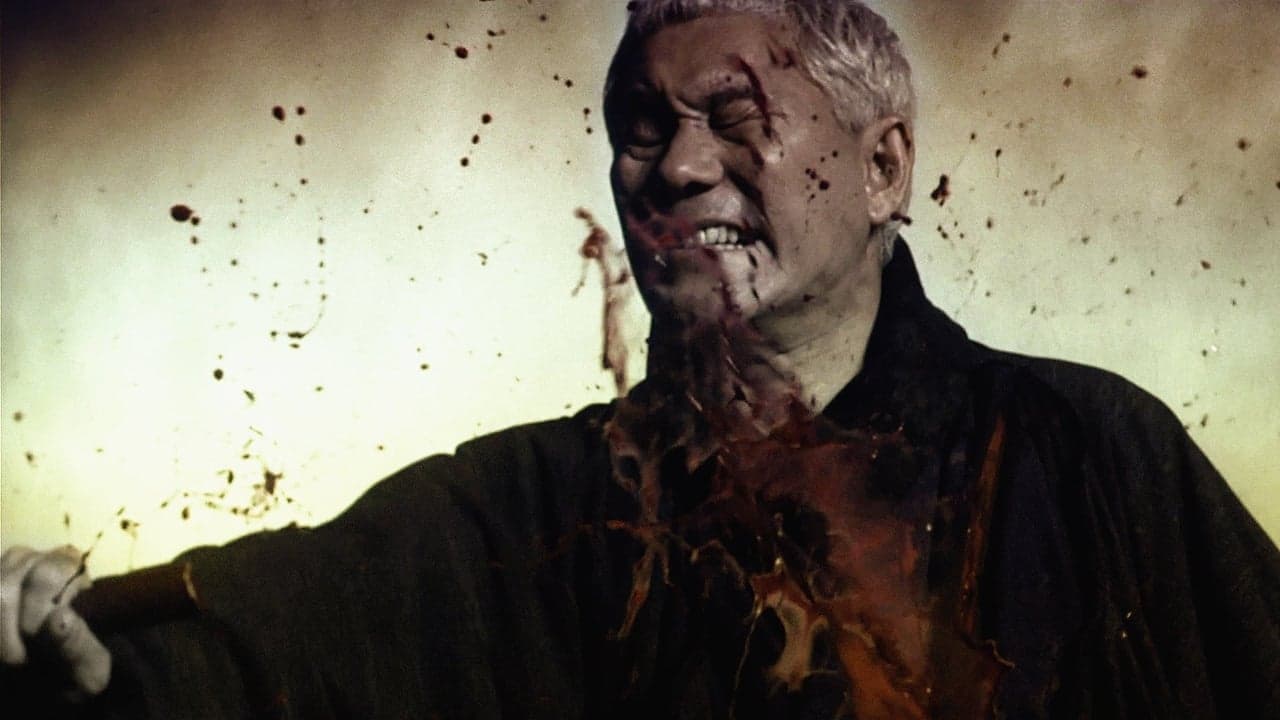
Kitano's performance is deceptively minimalist. He doesn't play Zatoichi as a superhero; instead, there's a weariness to him, a man who's tired of killing but can't seem to stop. When he moves through the village, you feel his blindness not as a gimmick but as a genuine constraint that somehow makes him more dangerous—he's learned to read people through sound, touch, and intuition in ways sighted men never will. The film's action choreography isn't just technically impressive; it's philosophically interesting. Kitano refuses the usual samurai-film heroics. Instead, the violence here is messy, consequential, and morally ambiguous. There's a scene early on where Zatoichi's dice game turns violent—not because he cheats, but because the stakes of chance itself become unbearable in a place where everyone's desperate. What nobody mentions is how the film uses comedy and even moments of absurdity (there's a famous dance sequence that shouldn't work but absolutely does) to humanize its world rather than undercut the drama. I keep coming back to how Zatoichi refuses easy answers. The blind swordsman can't simply cut his way to justice; the village's problems run deeper than any sword can reach. That complexity—the way Kitano holds both the spectacle of action and the weight of consequence in the same frame—is what separates this from standard jidaigeki fare.
Where to Stream Zatoichi Online
Zatoichi is currently available on major OTT services, and you can check Movie OTT to see which platforms have it in your region right now. Streaming availability changes frequently, so if you don't see it on your usual service today, it's worth checking back—the film rotates across platforms regularly. Movie OTT tracks current streaming availability across multiple services, making it easy to find exactly where to watch without hunting through three different apps. The 116-minute runtime makes it perfect for a single sitting, and the film's visual composition really rewards watching on a larger screen if you can manage it.
Frequently asked questions
Q: Who directed Zatoichi and what's his background?
Takeshi Kitano directed, wrote, co-edited, and starred in Zatoichi as his eleventh directorial film. Kitano is a legendary Japanese filmmaker known for his minimalist style and willingness to blend genres—he's equally comfortable with crime dramas, comedies, and action films, and he brings all those sensibilities to this samurai story.
Q: Is Zatoichi based on a true story?
No, but the character of Zatoichi has a long history in Japanese popular culture, appearing in numerous films and television series before Kitano's 2003 version. Kitano's interpretation is a creative reimagining rather than a faithful adaptation of any single source.
Q: What's the runtime and should I know anything before watching?
The film runs 116 minutes and is classified as an action-adventure drama. It's a jidaigeki (period drama) set in feudal Japan, so some familiarity with samurai-film conventions helps, but the story's emotional core is universal enough that newcomers won't feel lost.
Q: How does Zatoichi compare to other samurai films from that era?
Zatoichi stands apart because it subverts many samurai-film tropes. Rather than glorifying violence, it questions it. The protagonist is blind, which forces the filmmaking itself to be more creative about how action is staged and perceived by the audience.
Q: Why is the blind masseur angle important to the story?
Zatoichi's dual identity as both a healer (masseur) and a killer (swordsman) is central to the film's moral tension. He can ease pain, but he also inflicts it—and the village forces him to confront which role he actually wants to play.
Final Thoughts on Zatoichi
Zatoichi isn't just a great action film—it's a meditation on violence, redemption, and the cost of heroism. Kitano takes a legendary character and asks uncomfortable questions about what it means to be a hero in a broken world. The sword made him a legend, sure, but his courage lies in recognizing that sometimes the most dangerous thing a warrior can do is choose not to fight. If you're looking for a samurai film that respects the genre while challenging its assumptions, this is essential viewing.