






The story of Kikujiro
Kikujiro is a film that doesn't announce itself loudly, which is exactly what makes it work. At its heart sits a deceptively simple premise: Masao, a quiet, determined boy who's never met his mother, crosses paths with Kikujiro, a loud-mouthed, opportunistic adult who's the last person you'd expect to become his travel companion. Yet somehow, the two end up on a road trip together—and what begins as a transaction (Kikujiro needs money, Masao needs a guide) transforms into something far more profound. The journey itself becomes the story, populated by quirky strangers, unexpected moments of tenderness, and the kind of humor that sneaks up on you because it's grounded in genuine human awkwardness rather than cheap gags.
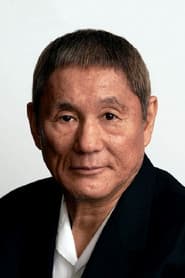
Director Takeshi Kitano—who also stars as Kikujiro—understands that the best road movies aren't really about the destination. They're about who you become while traveling, the conversations you have at rest stops, the way a stranger's small kindness can crack open your chest. This 121-minute film captures that feeling with a lightness that never feels weightless.
Behind the making of Kikujiro
Takeshi Kitano's Kikujiro arrived in 1999 as the product of a filmmaker working at the height of his creative powers. Kitano—already known for his yakuza films and distinctive directorial voice—wrote, directed, co-edited, and starred in the film, a level of creative control that allowed him to shape every frame according to his vision. The production came together through a collaboration between Nippon Herald Films, Bandai Visual, Office Kitano, and Tokyo FM, a Japanese powerhouse coalition that understood Kitano's sensibilities.
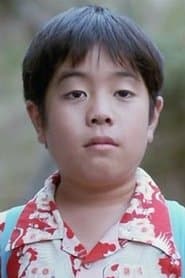
The film's score, composed by Joe Hisaishi, plays a crucial role in establishing the film's emotional tone. Hisaishi's work—already celebrated for his collaborations with Hayao Miyazaki—brings a whimsical, almost fairy-tale quality to the proceedings, which counterbalances Kitano's grittier instincts as a director and actor. The pairing of Kitano with young actor Yusuke Sekiguchi creates an unexpectedly tender dynamic; there's a real chemistry between the brash, world-weary adult and the earnest, vulnerable child that makes their journey feel authentic rather than manufactured.
The film's pedigree was immediately recognized at the international festival circuit. Kikujiro was selected for competition at the 1999 Cannes Film Festival, a significant honor that signaled the film's artistic ambitions. On IMDb, it holds a solid 7.5/10 rating, a score that reflects its appeal to both mainstream audiences and cinephiles who appreciate Kitano's refusal to neatly categorize his work as pure comedy or pure drama. It sits somewhere in between—which is where the best films often live.
What makes Kikujiro stand out
What's striking about Kikujiro is how it refuses to sentimentalize its own premise. A story about a boy and his unlikely mentor could easily tip into treacly territory, all meaningful glances and life lessons delivered with a wink. Kitano doesn't do that. Instead, he lets the characters be messy, contradictory, sometimes selfish—and somehow that makes them feel more real, more worth caring about. Kikujiro himself is genuinely difficult: he's crude, he complains, he's not above using the kid to his own advantage. But underneath that bluster, there's a loneliness that mirrors Masao's own.
The film's genius lies in its tonal control. Kitano moves from slapstick comedy to genuine pathos without ever signaling the shift—you don't realize you've stopped laughing and started feeling something deeper until you're already there. There's a scene early on where Kikujiro attempts to impress some women at a rest stop, and it's played for laughs, but it's also revealing character. You're laughing at him, but you're also seeing his desperation, his hunger for connection. That's the film's sweet spot.
Yusuke Sekiguchi's performance as Masao anchors everything. He doesn't overact or play the kid as a precocious moppet spouting wisdom. He's just a boy—sometimes whiny, sometimes brave, often confused about what he's feeling. Kitano's willingness to let that performance breathe, to not underline every emotional beat, is what separates Kikujiro from more conventional coming-of-age fare. The two actors don't need to say much to convey the growing bond between them; it's there in the way they move together, the way they've learned to tolerate each other's presence.
How to watch Kikujiro online
Kikujiro is currently available across major streaming platforms, and Movie OTT makes it easy to find exactly where it's streaming in your region right now. Rather than hunting across multiple services, you can check our "Where to Watch" widget at the top of this page to see which platform has it available today. Streaming catalogs shift constantly, so what's on one service this month might migrate to another next month—that's where Movie OTT's tracking comes in handy. The film's 121-minute runtime makes it a perfect evening watch, long enough to fully invest in the journey but not so long that you're committing your entire night.
Frequently asked questions
Q: Who directed Kikujiro?
Takeshi Kitano wrote, directed, co-edited, and starred in the film. It was his passion project, and his fingerprints are all over every frame.
Q: When was Kikujiro released?
Kikujiro premiered in 1999 and was selected for competition at the Cannes Film Festival that same year, giving it immediate international recognition.
Q: Is Kikujiro based on a true story?
No, it's an original screenplay written by Takeshi Kitano. However, the emotional authenticity of the characters and their journey feels grounded in real human experience rather than pure fantasy.
Q: What's the runtime of Kikujiro?
The film runs 121 minutes, giving viewers plenty of time to settle into the rhythm of the road trip and the relationship between the two main characters.
Q: Who composed the score for Kikujiro?
Joe Hisaishi composed the film's score, bringing a whimsical, fairy-tale quality that complements Kitano's directorial vision and enhances the film's emotional beats.
Final thoughts on Kikujiro
Kikujiro is the kind of film that sticks with you—not because it's trying to teach you something, but because it trusts you to feel what the characters are feeling. It's a road movie, a buddy comedy, a coming-of-age story, and something that defies easy categorization, all rolled into one. If you're looking for something that'll make you laugh and break your heart in equal measure, this is it. Don't overthink it. Just watch it.