









The story of Crying Out Love in the Center of the World
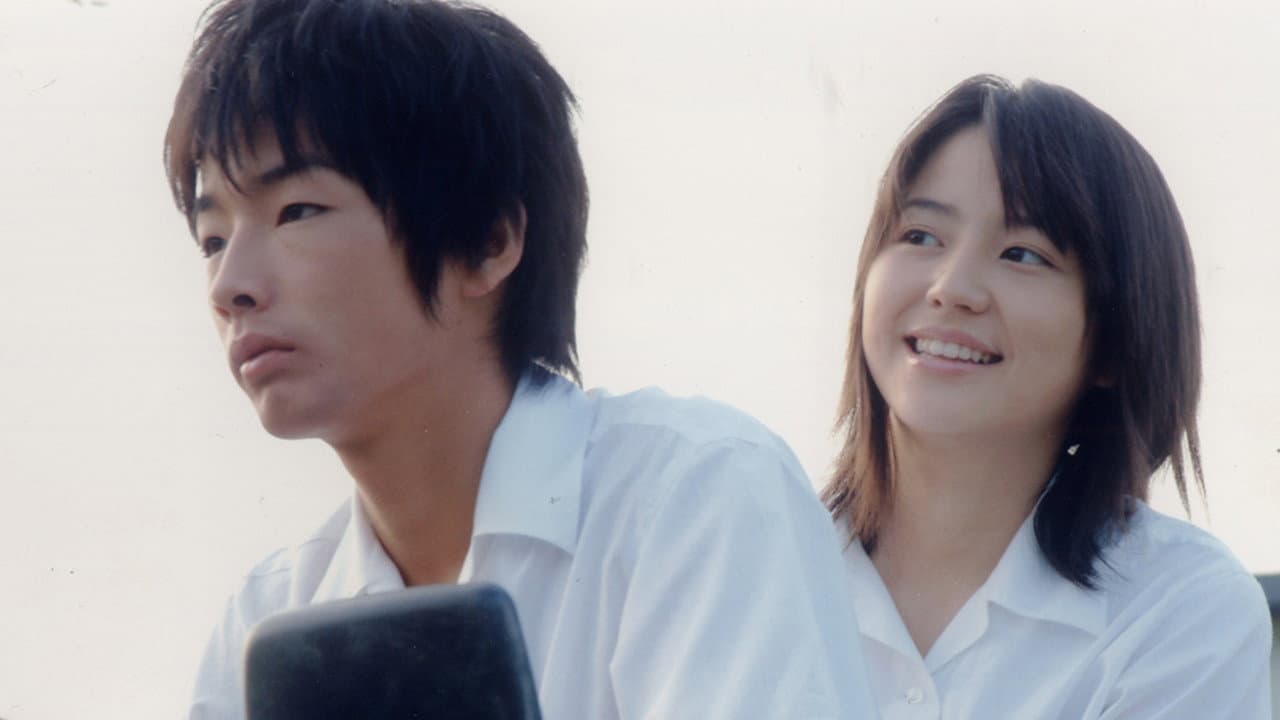
Crying Out Love in the Center of the World follows Sakutarou, a man caught between his present and his past. He's searching for his fiancée Ritsuko when something unexpected happens—he discovers audio diaries recorded by Aki, his high school sweetheart. What unfolds is a meditation on how love, loss, and regret can reshape us across decades. Through these recordings and fragmented flashbacks to his teenage years, Sakutarou begins to understand the void that's haunted him since those formative days. It's a story about first love, yes, but more importantly, it's about what happens when that love ends before we're ready, and how we carry that absence forward into our adult lives.
The film doesn't rush to explain itself. Instead, it moves between timelines with deliberate grace, letting viewers piece together how Aki's story intersects with Sakutarou's present-day crisis. Long-distance relationships, the intensity of teenage romance, athletic ambition, and terminal illness all weave through the narrative—each element adding another layer to why Sakutarou feels so fractured. What makes this approach work is that the film trusts its audience to sit with ambiguity and emotional complexity rather than spelling everything out.
Behind the making of Crying Out Love in the Center of the World
Crying Out Love in the Center of the World is a 2004 adaptation of Kyoichi Katayama's novel Socrates in Love, directed by Isao Yukisada, a filmmaker known for his sensitive approach to intimate human drama. The production brought together some of Japan's most respected studios—Toho Pictures, TBS, Hakuhodo DY Media Partners, Shogakukan, Stardust Pictures, MBS, and Toho Eizo Bijutsu—signaling the project's significance within the Japanese film industry.
With a runtime of 138 minutes, the film takes its time building emotional resonance rather than racing through plot points. The production design and cinematography reflect a melancholic aesthetic that permeates every frame—muted colors, intimate framing, and the symbolic weight given to small objects like the cassette tapes themselves. Yukisada's direction allows actors space to breathe, to let silences carry meaning, which is crucial for a story so dependent on what's left unsaid. The film earned a solid 7.348 rating on IMDb, reflecting its appeal to viewers who appreciate character-driven narratives over spectacle. While not a mainstream blockbuster, it found an audience among those seeking genuine emotional engagement and won recognition within festival circuits for its tender handling of grief and first love.
What makes Crying Out Love in the Center of the World stand out
What's striking about this film is how it refuses easy sentimentality. Yes, it's about loss and longing—heavy themes that could collapse into melodrama in less careful hands—but instead it achieves something rarer: emotional honesty without manipulation. The performances anchor everything. There's a tenderness in how the actors portray both the teenage versions of these characters and their older selves, capturing how the same person can feel like a stranger when separated by years and trauma. I keep coming back to how the film uses Aki's voice on those cassette tapes as a kind of ghost haunting Sakutarou's present. It's not supernatural—it's far more unsettling because it's real. She's speaking from the past, unaware of what her words will mean to him now.
The cinematography plays a crucial role too. The flashbacks don't feel like simple memory sequences; they're integrated so seamlessly that you're never quite sure which timeline you're in, which mirrors Sakutarou's own psychological state. His past and present are bleeding into each other, and the visual language reflects that disorientation. Honestly, what the film captures better than most is how first love isn't just about the relationship itself—it's about who we were during it, and how losing that person means losing a version of ourselves we can never get back. That's the real void the story explores. It's not just about missing someone; it's about missing who we were when we loved them.
Where to stream Crying Out Love in the Center of the World online
Crying Out Love in the Center of the World is available on major OTT platforms, and you can check the streaming availability widget at the top of this page to see exactly which services carry it in your region right now. Movie OTT tracks where this title is currently streaming, so you'll always know where to find it without having to hunt across multiple apps. Availability does shift between platforms, so it's worth checking before you settle in—the last thing you want is to be emotionally prepared for a 138-minute journey only to discover it's moved to a different service. The film's length and emotional depth mean it's best watched when you've got time to sit with it, not as background viewing.
Frequently asked questions
Q: Is Crying Out Love in the Center of the World based on a true story?
No, but it's based on Kyoichi Katayama's novel Socrates in Love, which is a work of fiction. That said, the emotional truths it explores about first love, loss, and regret resonate because they're universal experiences, even if the specific story is invented.
Q: Who directed Crying Out Love in the Center of the World?
Isao Yukisada directed the film. He's known for his sensitive, character-focused approach to drama and has built a reputation for bringing emotional depth to intimate human stories.
Q: What's the runtime, and is it worth the length?
The film runs 138 minutes—just over two hours. For a story this dependent on atmosphere, silence, and the space between dialogue, that length serves the material well rather than feeling bloated. It's not a fast-paced thriller, so patience is required, but the payoff is emotional resonance.
Q: Why does Sakutarou listen to audio diaries from his high school sweetheart?
Aki recorded the tapes during their time apart, and Sakutarou discovers them years later. They become a bridge between his past and present, forcing him to confront memories and feelings he'd buried. The tapes are the emotional engine of the entire film.
Q: What genres does Crying Out Love in the Center of the World fall into?
It's classified as drama and romance, though calling it purely "romance" undersells what it does. It's more accurately a meditation on grief, regret, and emotional healing that uses a love story as its framework.
Final thoughts on Crying Out Love in the Center of the World
Crying Out Love in the Center of the World won't appeal to everyone. If you're looking for plot-driven excitement or feel-good romance, this isn't it. But if you've ever wondered how first love shapes us, how loss lingers, or wanted to watch a film that respects its audience's emotional intelligence—this one's worth your time. It's the kind of film that stays with you, that makes you think about people you've lost and versions of yourself you can't return to. That's powerful stuff. Movie OTT's streaming aggregation makes it easy to find where it's available right now, so there's no reason not to give it a chance if this description resonates with you.