








The story of Dark Waters: What you need to know
Dark Waters tells the story of Robert Bilott, a corporate defense attorney working for a prestigious law firm, who receives a phone call that changes everything. A farmer from West Virginia reaches out asking for help—his livestock is dying, his water is contaminated, and he believes a major chemical company is responsible. What starts as a favor to an old acquaintance spirals into a decades-long legal battle against DuPont, one of the world's largest corporations. The film follows Bilott's journey as he uncovers evidence of systematic pollution and corporate deception, all while discovering that the chemicals involved—perfluorooctanoic acid, or PFOA—may be far more dangerous than anyone realized. It's a story about the price of truth, the power of persistence, and what happens when one person decides that profit shouldn't come at the cost of human lives.
Behind the making of Dark Waters: Production, cast, and critical acclaim
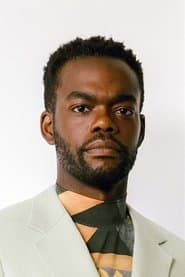
Dark Waters arrived in 2019 as a collaboration between heavyweight production companies including Participant, Willi Hill, Killer Films, and Focus Features. Director Todd Haynes, known for his meticulous approach to character-driven narratives, helmed the project from a screenplay by Mario Correa and Matthew Michael Carnahan. The film runs 127 minutes and carries a PG-13 rating, making it accessible to a broad audience despite its heavy subject matter. Mark Ruffalo anchors the film as Bilott, delivering a performance that earned the movie significant awards recognition—Dark Waters collected 10 nominations across major ceremonies. Anne Hathaway, Tim Robbins, Bill Camp, Victor Garber, Mare Winningham, William Jackson Harper, and Bill Pullman round out an ensemble cast of considerable pedigree. At the box office, the film earned $11.1 million domestically, a modest return that reflects the challenge of marketing serious legal dramas in a crowded marketplace. However, critical reception told a different story: Rotten Tomatoes certified it Fresh with an 89% score, while Metascore awarded it a 73, and IMDb users gave it a solid 7.6 out of 10 across over 120,000 votes. These numbers signal a film that resonated with critics and audiences alike, even if mainstream multiplexes didn't pack the house.
What makes Dark Waters stand out: Performance and the anatomy of corporate corruption
What's striking about Dark Waters isn't just its subject matter—it's how the film refuses to make the villain a cartoon. DuPont isn't portrayed as a shadowy, faceless evil; instead, Haynes shows us the machinery of corporate malfeasance, the way smart people rationalize terrible decisions, the incremental compromises that lead to catastrophe. Ruffalo's performance is deliberately understated. He's not the heroic lawyer who thunders in courtrooms; he's a man grinding through depositions, reading documents, making phone calls, getting ground down by the sheer weight of institutional resistance. There's a scene where Bilott realizes the scope of what he's facing—not just one lawsuit, but evidence suggesting contamination across multiple states—and Ruffalo's face registers something between exhaustion and resolve. That's the film's real power: it doesn't glorify the fight; it shows how relentless and unglamorous it actually is. Anne Hathaway, as Bilott's wife, captures the collateral damage of his obsession with precision and heartbreak. Critics have praised how the film avoids melodrama while still conveying genuine stakes. What audiences consistently mention—and what Movie OTT readers often highlight in reviews—is how the film leaves you genuinely angry at the systems that allow corporations to poison communities and bury the evidence. That's not manipulation; that's clarity.
Where to stream Dark Waters online
Dark Waters is available on major OTT services, and you can check the Where to Watch widget at the top of this page to see which platforms currently have it in your region. Streaming availability shifts regularly, so Movie OTT tracks current placements across Netflix, Prime Video, Hulu, and other major services to help you find where to watch without the guesswork. The film's 127-minute runtime makes it perfect for a weekend viewing, and its PG-13 rating means you can watch it with older teens if you're comfortable with the mature themes of corporate corruption and environmental damage. Whether you're catching it for the first time or revisiting it after a few years, the story feels no less urgent.
Frequently asked questions
Q: Is Dark Waters based on a true story?
Yes. The film dramatizes the real legal case brought by attorney Robert Bilott against DuPont over PFOA contamination in West Virginia. The lawsuit, which began in the late 1990s, is one of the largest environmental settlements in U.S. history.
Q: Who directed Dark Waters?
Todd Haynes directed the film. He's known for character-driven narratives that examine systems of power and individual agency, bringing that sensibility to this legal thriller.
Q: What's the runtime and rating?
Dark Waters runs 127 minutes and is rated PG-13, making it accessible to mature audiences without graphic violence or explicit content.
Q: How was Dark Waters received by critics?
The film earned an 89% Fresh rating on Rotten Tomatoes, a 73 Metascore, and a 7.6 IMDb rating. It collected 10 nominations across major awards ceremonies, though it didn't achieve blockbuster box office numbers.
Q: What chemical is Dark Waters about?
The film centers on PFOA (perfluorooctanoic acid), a chemical used in the manufacturing of Teflon and other products. The story reveals how DuPont used and disposed of PFOA in ways that contaminated drinking water supplies and caused serious health problems.
Final thoughts on Dark Waters
Dark Waters isn't a comfortable watch—and that's precisely why you should watch it. It's a film about systems, about how institutions protect themselves, about the ordinary people who decide to fight anyway. Ruffalo's performance anchors it all, grounding the legal machinery in human exhaustion and quiet determination. If you're looking for a legal thriller that doesn't rely on courtroom theatrics but instead builds tension through documentation and dawning realization, this is essential viewing. It's the kind of film that stays with you, not because it's flashy, but because it's true.