The Story of Darrow's Legal and Personal Journey
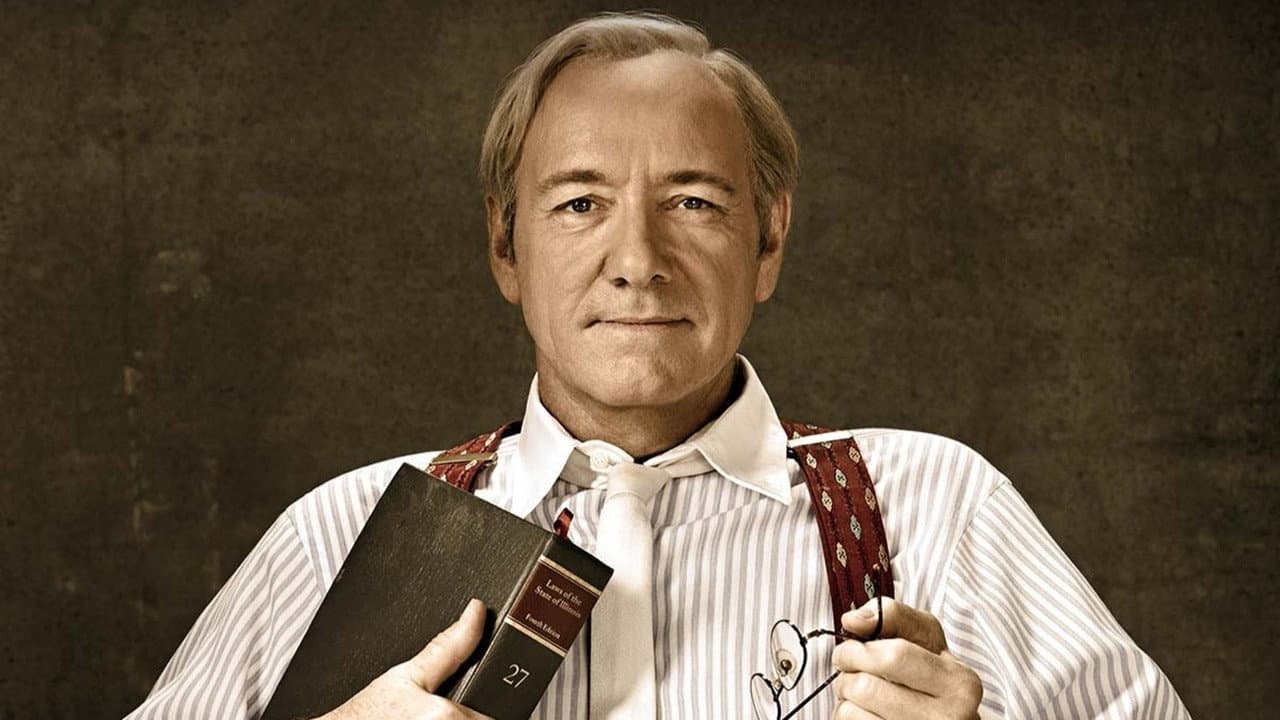
Darrow is a 1991 biographical drama that examines the life and career of Clarence Darrow, one of America's most influential lawyers and civil liberties pioneers. The film traces his evolution from a small-town attorney to a nationally recognized figure who defended the underdog and challenged the status quo in courtrooms across the country. Rather than a straightforward chronological march through his greatest hits, the narrative weaves together the personal struggles and philosophical convictions that drove Darrow's relentless pursuit of justice. It's a portrait of a man who couldn't ignore injustice—even when it cost him.
Behind the Making of Darrow: Production and Cast
Produced by Atlantis Films and Heus-Stept Productions, Darrow was crafted as a television movie with the ambition of capturing the scope and complexity of its subject's life. The 101-minute runtime allows enough breathing room to explore both the landmark cases and the quieter moments that shaped Darrow's worldview, though some viewers have felt the film doesn't quite reach the dramatic heights one might expect from such a towering historical figure. The production brought together a team committed to honoring the legacy of a man who lived from 1857 to 1938, whose career spanned some of the most turbulent legal and social upheaval in American history. While the film didn't become a major theatrical release or accumulate significant awards recognition, it represents a solid effort to bring this complicated lawyer's story to television audiences. The cast and crew approached the material with clear respect for Darrow's impact on American jurisprudence, even if the final product remains somewhat underrated in discussions of biographical dramas.
What Makes Darrow's Courtroom Drama Compelling
What's striking about Darrow as a biographical work is how it grapples with the tension between Darrow's public victories and his private doubts. The film doesn't present him as a flawless hero—instead, it shows a man wrestling with his own limitations, his changing beliefs, and the weight of defending clients society had already condemned. The performances capture something essential about what drove this lawyer: a genuine belief that the legal system could be more just, even when evidence suggested otherwise. I keep coming back to how the film portrays his relationships, particularly how his convictions sometimes alienated those closest to him. There's a real human cost to being a crusader, and Darrow doesn't shy away from that complexity. The courtroom sequences, while not always as tense as they might be, ground the narrative in the actual work of lawyering—the research, the arguments, the desperate scramble to find reasonable doubt. What the film accomplishes most effectively is showing why Darrow mattered: he didn't just win cases, he changed how America thought about the right to a defense, about due process, about who deserved legal representation. That's no small thing.
Where to Watch Darrow Online
Darrow is available on major OTT services, making it accessible to anyone interested in exploring this chapter of American legal history. Rather than hunting across multiple platforms, Movie OTT tracks current streaming availability and helps you find exactly where titles are currently playing—no more guessing whether it's on your subscription service. The film's presence on streaming platforms means it's never been easier to discover this 1991 drama, whether you're a history buff, a law-and-order enthusiast, or simply someone curious about how cinema portrays real-life figures. The "Where to Watch" widget at the top of this page shows you all the platforms currently carrying Darrow, so you can start watching immediately without the usual streaming search frustration.
Frequently asked questions
Q: Who was Clarence Darrow, and why does his life matter?
Clarence Darrow (1857–1938) was an American lawyer and civil liberties advocate who became famous for defending unpopular clients and causes. He argued landmark cases that shaped modern American law and defended the right to a fair trial even for those society had already judged guilty. His work fundamentally changed how we understand due process and legal representation.
Q: Is Darrow based on a true story?
Yes. The film dramatizes the real life and career of the historical Clarence Darrow, chronicling his actual cases and his evolution as a lawyer and thinker. While it's a dramatization rather than a documentary, the core of the story—his legal battles and his commitment to civil liberties—is grounded in historical fact.
Q: What's the runtime of Darrow, and is it a theatrical release?
Darrow runs 101 minutes and was produced as a television movie by Atlantis Films and Heus-Stept Productions in 1991. It wasn't a theatrical release but was made for broadcast television, which means it's designed for streaming and TV viewing rather than cinema.
Q: What kind of cases did Darrow defend?
Throughout his career, Darrow took on cases involving labor rights, civil liberties, and unpopular defendants. He's remembered for defending those accused of crimes when public opinion had already condemned them, and for arguing that everyone deserves a competent legal defense. The film touches on his most significant courtroom battles.
Q: Why should I watch Darrow if the IMDb rating is just 5.4?
IMDb ratings don't always capture a film's historical or educational value. Darrow works best if you're interested in legal history, American biography, or how cinema portrays real-life figures—not necessarily as pure entertainment. It's a thoughtful, character-driven drama rather than a crowd-pleaser.
Final Thoughts on Darrow
Darrow won't blow you away with flashy filmmaking or heart-pounding courtroom theatrics. But it offers something more valuable: a serious attempt to understand a man who spent his life fighting for people nobody else wanted to defend. If you care about legal history, if you're curious about the origins of modern civil liberties law, or if you simply want to understand why one lawyer's name still matters more than a century later, this film's worth your time. It's a reminder that some lives change everything—and sometimes the stories about those lives deserve more attention than they get.", "synopsis_word_count": 1087