
The story of Day of Anger
Day of Anger opens in a small town where Scott, the son of a prostitute, works as a garbage collector—the lowest rung of society, treated with contempt by everyone around him. He's the kind of character you'd normally overlook in a western, someone designed to be invisible. But when the mysterious gunfighter Talby rolls into town, he sees something in this scruffy kid that nobody else does. Talby takes Scott under his wing, teaching him the craft of violence and the psychology of intimidation. What unfolds isn't a traditional hero's journey—it's something far more unsettling. As Scott learns to handle a gun, he begins to understand that power in this world doesn't come from morality or courage. It comes from being willing to do what others won't. The gunman's influence spreads through the town like a stain, and Scott finds himself caught between his own ambitions and the moral abyss opening up beneath his feet.
Behind the making of Day of Anger
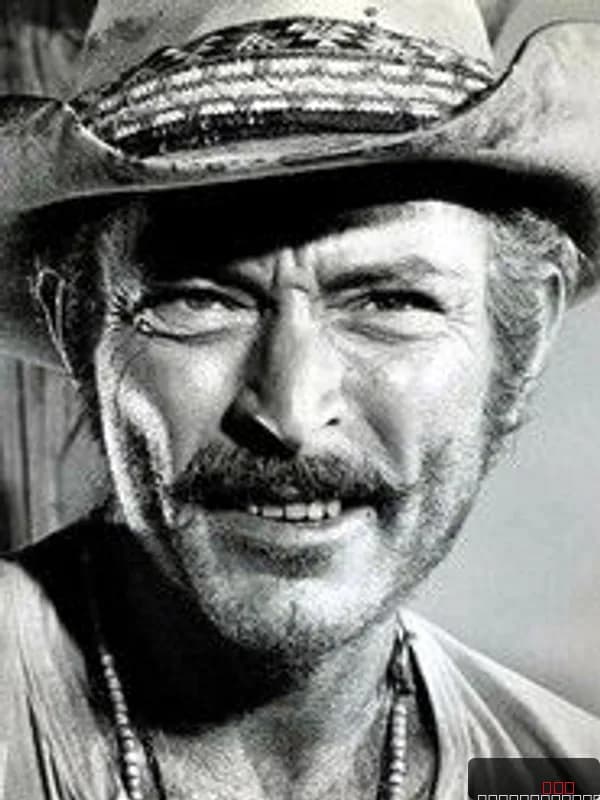
Day of Anger emerged from a 1967 production involving three countries: the Italian Sancrosiap, the German Corona Filmproduktion, and the French Divina-Film. Director Tonino Valerii, working alongside screenwriter Ernesto Gastaldi, crafted what would become one of the more psychologically complex spaghetti westerns of the era. The film's official credits attribute the story to Ron Barker's novel Der Tod ritt dienstags (Death Rode on Tuesdays), though Valerii and Gastaldi later clarified that this credit was largely included to satisfy West German co-producers—the actual film borrowed only partial elements from the source material. The casting of Lee Van Cleef proved crucial. By 1967, Van Cleef had already carved out a niche as one of the genre's most effective villains, and here he's given the kind of layered role that separates a memorable western from a forgettable one. Opposite him, Giuliano Gemma brings a nervous, almost vulnerable energy to Scott, making the power dynamic between mentor and student feel genuinely dangerous. Riz Ortolani's musical score adds an eerie, almost psychological dimension to the proceedings—it's not the rousing orchestral work you'd expect from a typical western. The 113-minute runtime gives Valerii space to develop character and atmosphere rather than rushing through plot beats, a luxury many genre films didn't afford themselves.
What makes Day of Anger stand out in 1960s westerns
What's striking about Day of Anger is how deliberately it deconstructs the mentor-mentee dynamic that audiences thought they understood. This isn't a story about a good man teaching a boy to survive in a harsh world. It's a story about corruption passing from one generation to the next, and Valerii seems fully aware that he's making something darker than the marketing tagline—"Lee Van Cleef has been dirty, 'ugly' and downright mean... now watch him get violent"—might suggest. Van Cleef's Talby isn't just a gunfighter; he's a corrosive influence, and watching Scott absorb his lessons becomes genuinely uncomfortable. The film takes its time with character development in ways that still feel unusual for the spaghetti western subgenre, which often prioritized spectacle over psychology. Audience reviews consistently praise the film's character work—one viewer noted that the film offers "well written development hardly seen in Spaghetti Westerns," and that's accurate. Scott's transformation from a despised outcast to a dangerous gunslinger isn't portrayed as triumphant. It's portrayed as tragic, inevitable, and morally corrosive. The violence itself, when it arrives, carries weight because we've spent time understanding who these people are and what they've become. I keep coming back to the fact that a film this thematically ambitious could exist within the spaghetti western format at all—a genre often dismissed as pure pulp. Yet here's Valerii using that format to explore how power corrupts and how the powerless sometimes become the most dangerous once they taste authority.
Where to stream Day of Anger online
Day of Anger is currently available on major OTT services, and checking Movie OTT will show you exactly which platforms carry it in your region right now. Streaming availability shifts frequently, so that widget at the top of this page is your best bet for current information. The film's 113-minute runtime makes it a manageable evening watch, and the psychological tension builds steadily enough that it rewards a full viewing without interruption. Whether you're a dedicated western fan or someone curious about the genre's more sophisticated entries, you'll find it worth tracking down.
Frequently asked questions
Q: Who directed Day of Anger?
Tonino Valerii directed and co-wrote the film, working alongside screenwriter Ernesto Gastaldi. Valerii's approach to the material emphasizes character and psychological tension over action spectacle, which sets it apart from many genre entries of the era.
Q: Is Day of Anger based on a true story or novel?
The film credits Ron Barker's novel Der Tod ritt dienstags as its source, though Valerii and Gastaldi have stated this credit was included primarily to satisfy West German co-producers. The film borrows only partial elements from the novel and is largely an original work.
Q: What's the runtime of Day of Anger?
The film runs 113 minutes, giving director Valerii ample time to develop character arcs and atmospheric tension rather than rushing through plot.
Q: Who stars in Day of Anger?
Lee Van Cleef plays the gunfighter Talby, with Giuliano Gemma in the lead role of Scott, the garbage boy turned gunslinger. The supporting cast and crew include composer Riz Ortolani, whose eerie score adds psychological depth to the narrative.
Q: What's the IMDb rating for Day of Anger?
The film holds a 7/10 rating on IMDb, reflecting audience appreciation for its character work and thematic complexity, even if it doesn't achieve universal acclaim.
Final thoughts on Day of Anger
Day of Anger deserves more attention than it typically receives. It's a western that trusts its audience to sit with moral ambiguity, to watch a protagonist become corrupted, and to understand that sometimes the most devastating violence is the kind that happens quietly, in the spaces between conversations. Lee Van Cleef's performance alone is worth the time—menacing, intelligent, and absolutely committed to the role's psychological dimensions. If you're tired of conventional westerns where the lines between good and evil stay neatly drawn, this is the film to seek out.