

The story of Dead of Winter
When a struggling actress gets the call for what seems like the role of a lifetime, she drives out to an isolated mansion in upstate New York to prepare. What she expects to be a serious audition—a chance to finally break through—becomes something far darker. The film doesn't waste time with exposition; it drops you into her world of desperation and ambition, then systematically dismantles the safety she thought she'd found. She's not just fighting for a part anymore. She's fighting for her life.
The premise is deceptively simple, but Arthur Penn (the legendary director behind Bonnie and Clyde) uses that simplicity like a trap door. The mansion itself becomes a character—beautiful, isolated, and suffocating. There's nowhere to run, nowhere to hide. The actress soon realizes that the people around her aren't what they claim to be, and the conspiracy she's stumbled into runs deeper than she could have imagined.
Behind the making of Dead of Winter
Dead of Winter arrived in February 1987 as an MGM release, though it didn't exactly set the box office on fire—it pulled in just $2.4 million domestically. That modest return doesn't tell the whole story, though. The film was an uncredited adaptation of Anthony Gilbert's 1941 novel The Woman in Red, which had already been adapted once before as the 1945 film My Name Is Julia Ross. Penn, working with a tight budget and a genre framework, brought his own sensibility to the material.
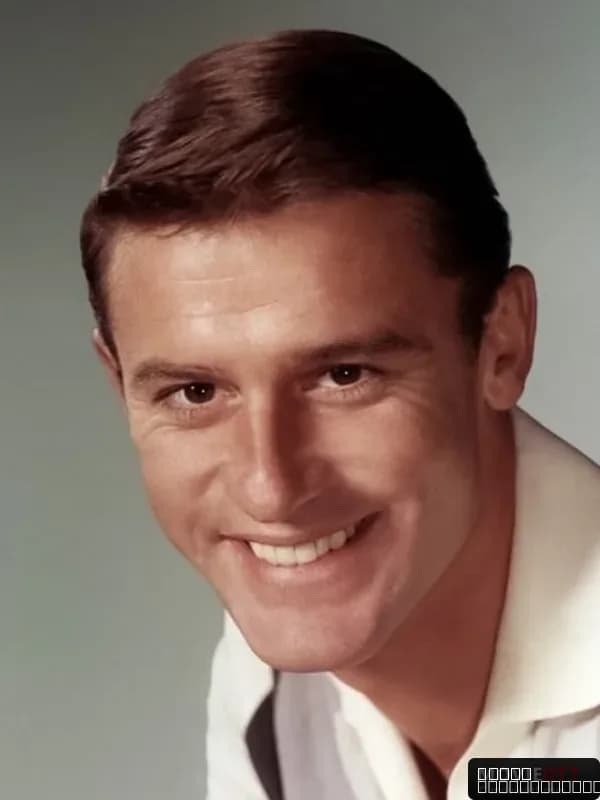
Mary Steenburgen carries the film—and does so in a way that deserves more recognition than it typically gets. She doesn't just play the lead actress; she plays three distinct roles, which is a high-wire act that could've easily tipped into camp. Instead, Steenburgen commits fully to each variation, making the switches feel earned rather than gimmicky. Supporting her is Roddy McDowall, the veteran character actor who'd been working since the 1940s, alongside Jan Rubeš, William Russ, and Ken Pogue. The ensemble cast brings a professional solidity to what could've been a B-movie premise.
The film earned an R rating and ran 100 minutes—long enough to build real dread without overstaying its welcome. While it didn't rack up major awards (it received just one nomination across all major ceremonies), the film found appreciation among critics who valued its craft and commitment to the thriller framework.
What makes Dead of Winter stand out
Here's the thing about Dead of Winter: it works because it doesn't try to be something it isn't. This isn't a prestige drama or a big-budget spectacle. It's a locked-room thriller that understands the power of isolation and paranoia. Steenburgen's performance is what anchors everything—she's credible as someone desperate enough to ignore red flags, smart enough to eventually piece together the conspiracy, and resourceful enough to fight back. The script doesn't ask her to be superhuman; it asks her to be human under impossible pressure.
Critically, the film earned a 77% Fresh rating on Rotten Tomatoes, suggesting audiences and critics alike found something worth praising. The Metascore of 55 indicates mixed-to-favorable professional reviews—which tracks with a film that's solidly entertaining without being revolutionary. What's striking is how the film uses its setting. That mansion isn't just a backdrop; it's a maze designed to trap you. Every room, every corridor, every locked door serves the story. Penn's direction keeps things taut without relying on cheap jump scares or gore. It's psychological—the dread comes from what you don't see, from the slow realization that nothing is safe.
What I keep coming back to is how the film trusts its audience. It doesn't over-explain the conspiracy or spell out every detail. You're figuring things out at roughly the same pace as Steenburgen's character, which creates genuine tension. The mansion's gothic atmosphere—all dark wood and shadowed corners—does heavy lifting that a more modern film might try to achieve through editing tricks or music cues. It's pure production design and cinematography working in concert.
Where to stream Dead of Winter online
If you're looking to watch Dead of Winter, you can find it on Prime Video. That's your current option for streaming this 1987 thriller. The film's availability does shift across platforms over time, so if you're hunting for it in the future, Movie OTT tracks where movies are streaming right now—no guessing games, no dead links. It's worth checking the "Where to Watch" widget at the top of this page for the most up-to-date availability, since streaming rights shuffle around based on licensing agreements.
If you're a fan of psychological thrillers from the '80s or Arthur Penn's work in general, this is worth your time. It's the kind of film that rewards patient viewing—not a quick-hit thriller, but something that builds and sustains its tension across a full 100 minutes.
Frequently asked questions
Q: Who directed Dead of Winter?
Arthur Penn directed Dead of Winter. Penn was known for films like Bonnie and Clyde and Little Big Man, bringing his distinctive style to this 1987 psychological thriller.
Q: Is Dead of Winter based on a true story?
No, it's not based on a true story. The film is an uncredited adaptation of Anthony Gilbert's 1941 novel The Woman in Red, which had previously inspired the 1945 film My Name Is Julia Ross.
Q: What is Dead of Winter rated?
Dead of Winter is rated R, meaning it contains content not suitable for children under 17 without parental guidance.
Q: How long is Dead of Winter?
The film runs 100 minutes, giving it enough time to build genuine dread without feeling bloated.
Q: Why is Mary Steenburgen credited with playing multiple roles?
Steenburgen plays three distinct roles in the film as part of the plot's central mystery and deception. This was a significant acting challenge that she executed without the role becoming campy or distracting.
Final thoughts on Dead of Winter
Dead of Winter isn't a film that gets endless retrospectives or streaming algorithm placement, but it's a solid, well-crafted thriller that deserves rediscovery. Steenburgen's performance anchors everything, Penn's direction is assured and patient, and the isolated mansion setting creates genuine dread. If you're tired of jump-scare horror and want something that builds psychological tension the old-fashioned way—through atmosphere, performance, and smart plotting—this one's worth your evening. It won't blow your mind, but it'll keep you watching.