Actor & Director
Arthur Penn
3 films on Movie OTT · 2 as director · Active 1976–2006
Arthur Penn built one of the more restless, consequential careers in American cinema, working across television, theater, and film from the early 1950s onward and leaving a mark on each medium that's hard to overstate without sliding into hyperbole. Born in Philadelphia on September 27, 1922, he came up through the postwar television boom — directing live drama for NBC's Philco Television Playhouse in the mid-fifties, which was, frankly, one of the best training grounds a director could have asked for at the time, demanding precision and an instinct for performance that studio filmmaking didn't always require.
About Arthur Penn
Arthur Penn built one of the more restless, consequential careers in American cinema, working across television, theater, and film from the early 1950s onward and leaving a mark on each medium that's hard to overstate without sliding into hyperbole. Born in Philadelphia on September 27, 1922, he came up through the postwar television boom — directing live drama for NBC's Philco Television Playhouse in the mid-fifties, which was, frankly, one of the best training grounds a director could have asked for at the time, demanding precision and an instinct for performance that studio filmmaking didn't always require.
His breakthrough came in 1967 with Bonnie and Clyde, the film that essentially broke American cinema open. What's striking is how casually brutal it is — not in a gratuitous way, but in the way real violence tends to feel: sudden, messy, over before you've processed it. The film starred Warren Beatty and Faye Dunaway and earned ten Academy Award nominations, with Estelle Parsons winning Best Supporting Actress. Penn didn't just make a gangster picture; he made something that forced Hollywood to reckon with how movies could look, feel, and end. The final ambush sequence alone rewrote the grammar of screen violence. That film, more than anything else, defines his place in American film history.
Penn returned consistently to questions of American mythology — the frontier, the outlaw, the individual ground down by institutions — and he found collaborators who could carry that weight. He worked repeatedly with actors who brought psychological complexity rather than movie-star smoothness: Dustin Hoffman in Little Big Man (1970), a film that ran to nearly three hours and used the Western genre to say things about Vietnam that a war film couldn't quite get away with. Penn didn't shy away from scale, but he was never really a filmmaker drawn to spectacle for its own sake. The performances were always the engine. Hard to say if that came from his theater background or his live-TV years — probably both.
By the 1980s, Penn's feature output had slowed, and his later work occupied a different register than his sixties peak. Dead of Winter, released in 1987, represents one of his more interesting late-career choices — a psychological thriller starring Mary Steenburgen as a young actress who answers what seems like a routine audition call and finds herself trapped in an isolated country house, slowly realizing she's been brought there as a body double for a woman someone wants dead. It's a tightly wound genre exercise, more Hitchcock than Penn's earlier work, and it doesn't pretend to be anything grander than it is. That restraint is actually one of its quiet strengths. The film won't shake anyone's sense of what cinema can do, but it's a well-made, genuinely tense piece of work, and it showed Penn could still command a set and coax committed performances when the material suited him.
Penn continued working in theater and television through the nineties and into the 2000s, directing episodes of 100 Centre Street for A&E in 2001 — a courtroom drama series that let him return to the kind of intimate, character-driven work he'd done in live television decades earlier. He died on September 28, 2010, one day after his 88th birthday. The thing nobody mentions often enough is how much of what we now take for granted about American movies — the moral ambiguity, the willingness to let the wrong people win — runs directly back through his work.
Currently streaming
2 of 3 on platforms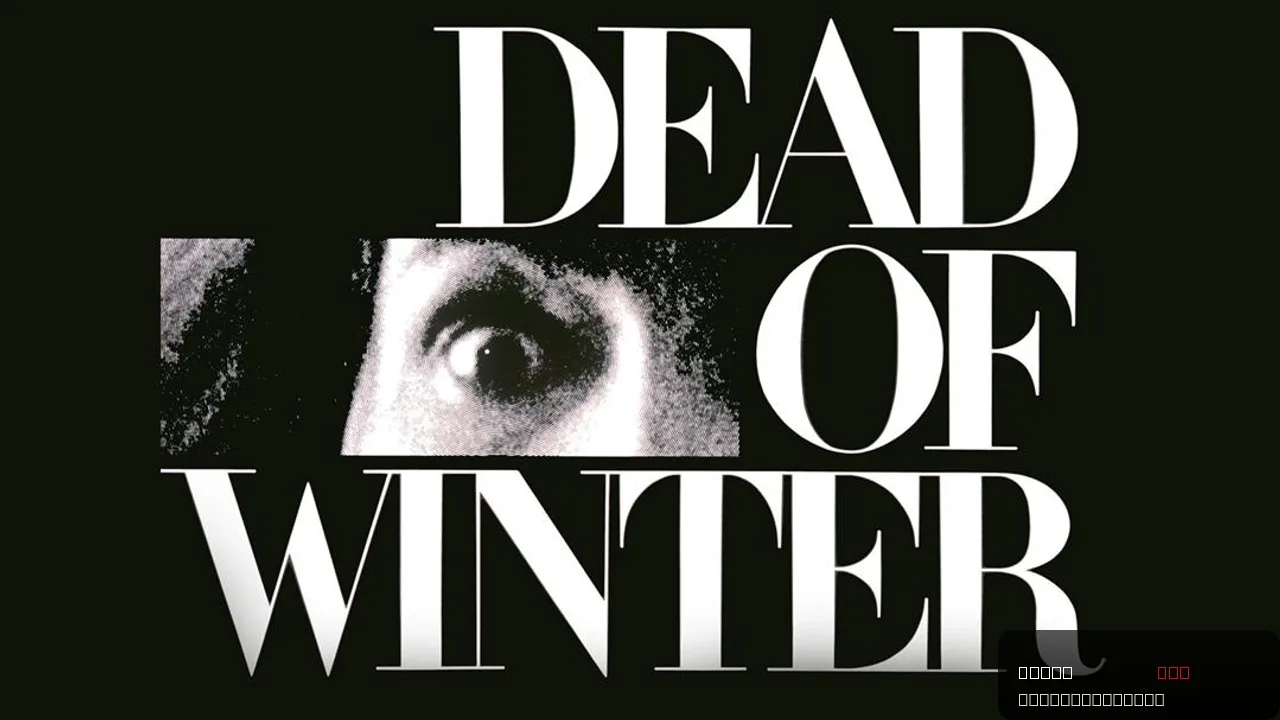

Filmography
Frequently asked questions
When and where was Arthur Penn born?
Arthur Penn was born 1922-09-27 in Philadelphia, Pennsylvania, USA.
What films is Arthur Penn known for?
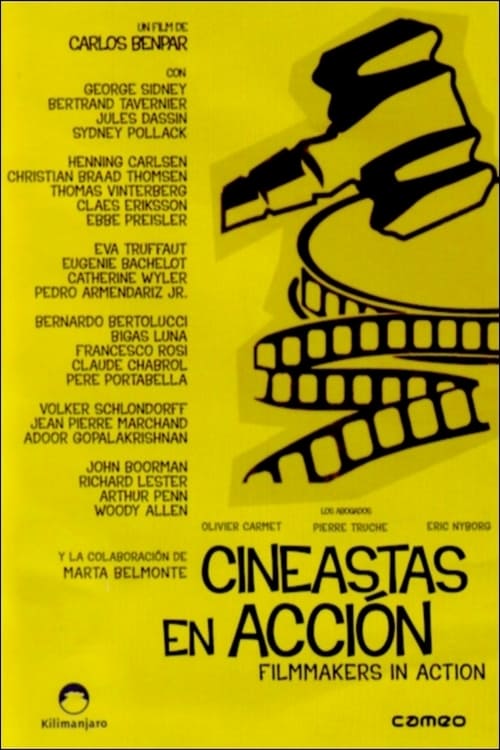
Arthur Penn has 3 titles indexed on Movie OTT, including Filmmakers in Action, Dead of Winter, The Missouri Breaks.
Where can I watch Arthur Penn's films?
2 of Arthur Penn's films are currently streaming, available on Prime Video.
Has Arthur Penn directed any films?
Yes — Arthur Penn has 2 directorial credits indexed on Movie OTT.
How long has Arthur Penn been active?
Arthur Penn's film career on Movie OTT spans from 1976 to 2006 — 30 years of work.