








The story of Denise Calls Up
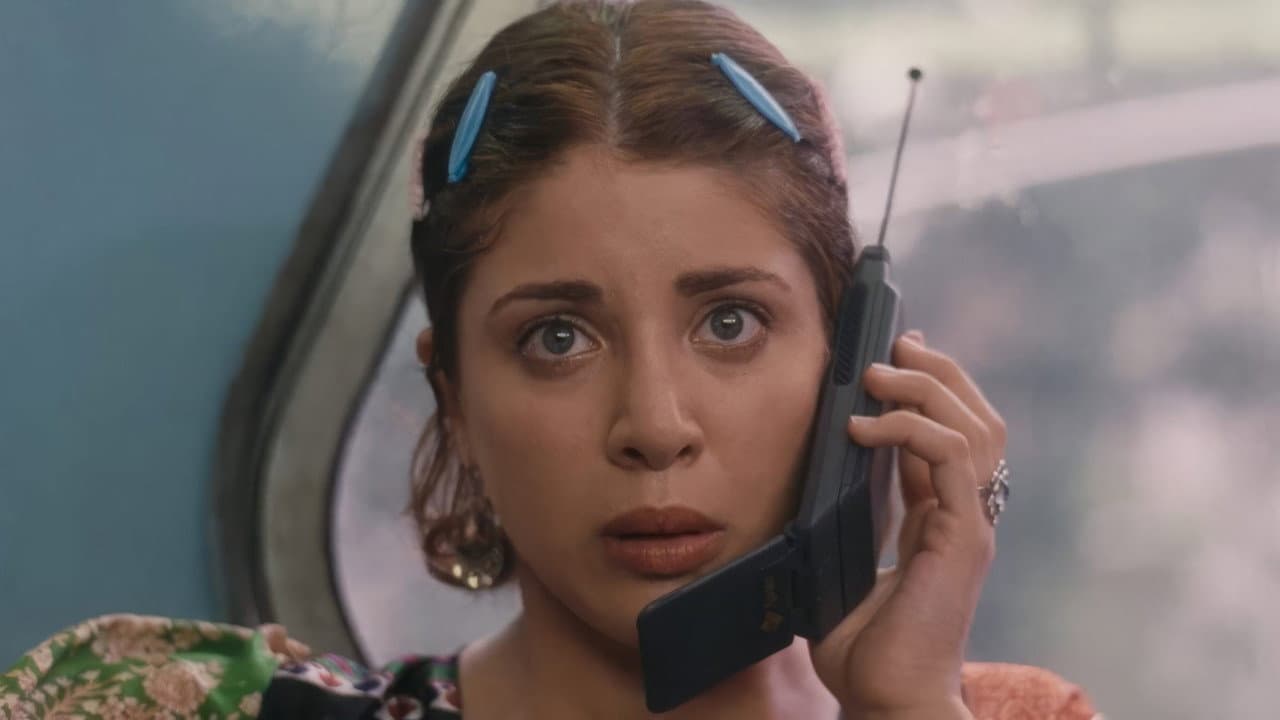
Denise Calls Up is a 1995 comedy that captures something most films from that era completely missed: the way technology was already beginning to mediate human connection. The film follows a group of friends in New York City who've become so absorbed in their work—tapping away at PCs and laptops—that they've stopped meeting in person entirely. Instead, they orchestrate their entire social lives through phone calls, faxes, and computer screens. When Gale decides to play matchmaker between Jerry and Barbara, the courtship unfolds entirely via phone and fax. Meanwhile, Martin receives a mysterious call from someone named Denise, a stranger with extraordinary news, and what develops is a peculiar friendship conducted at a distance. As the ensemble navigates romance, friendship, and the occasional crisis, they remain physically isolated—until a New Year's Eve party invitation forces the question nobody wants to answer: will anyone actually show up?
Behind the making of Denise Calls Up
Written and directed by Hal Salwen, Denise Calls Up emerged from a genuinely original premise at a moment when most audiences were still getting used to email. The film boasts an ensemble cast featuring Liev Schreiber, Timothy Daly, and Alanna Ubach—actors who'd go on to substantial careers in film and television. The production involved three companies: Davis Entertainment, Skyline Entertainment Partners, and Dark Matter Productions, pooling resources to bring Salwen's vision to life across an economical 80-minute runtime. What's striking is that the film found recognition at some of the world's most prestigious festivals despite its modest scope. At the 1995 Cannes Film Festival, Denise Calls Up earned a Special Mention for the Camera d'Or, a nod to cinematographic innovation. The same year, it won the Jury Prize at the Deauville American Film Festival, suggesting that festival juries recognized something prescient in Salwen's satirical take on digital isolation. The cast—particularly Schreiber's understated performance—anchors what could've been a one-joke premise, giving the ensemble chemistry that registers even when they're separated by telephone lines.
What makes Denise Calls Up stand out
The film works because it refuses to be preachy. There's no narrator wagging a finger at technology; instead, Salwen lets the absurdity speak for itself. The characters aren't caricatures—they're recognizable people who've drifted into a pattern of avoidance so gradually that meeting face-to-face has become genuinely uncomfortable. I keep coming back to how the film's central irony cuts both ways: these friends are deeply connected and utterly isolated at the same time. They share hopes, dreams, relationship anxieties, and life-changing news entirely through a wire. The comedy emerges not from broad pratfalls but from the quiet desperation of people trying to maintain intimacy at arm's length. The screenplay finds humor in the mundane—someone typing while on a call, the awkward silence of a fax machine, the way people fill dead air with small talk. What nobody mentions is how genuinely touching the film becomes by its final act. There's real affection between these characters, even if (or maybe because) they've never been in the same room. The performances, particularly the way actors convey emotion through vocal tone alone, become a kind of master class in restraint. The IMDb rating of 6/10 suggests the film divided audiences—some found it clever and touching, others perhaps too slight or too on-the-nose—but that's often the mark of a film trying something genuinely different.
Where to stream Denise Calls Up online
Denise Calls Up is available on major OTT streaming services, and Movie OTT maintains a current tracker of which platforms carry it. Rather than hunting across five different apps, you can check the "Where to Watch" widget at the top of this page to see exactly which services have it available in your region right now. Streaming rights shift frequently, so what's on one platform today might move tomorrow—that's why tools that aggregate this information matter. The film's 80-minute runtime makes it perfect for a weeknight watch, and its comedy doesn't demand a massive screen to land, though it certainly rewards one. If you're a fan of ensemble comedies or interested in how filmmakers imagined digital life in the pre-smartphone era, it's worth tracking down wherever it's currently streaming.
Frequently asked questions
Q: Who directed Denise Calls Up?
Hal Salwen wrote and directed the film. It was his feature directorial debut, and the film's festival recognition—including a Special Mention for the Camera d'Or at Cannes—suggests he brought a distinctive visual approach to what could've been a purely conceptual comedy.
Q: What year was Denise Calls Up released?
The film came out in 1995, a moment when the internet was still relatively new to mainstream audiences and the idea of conducting an entire social life through technology felt genuinely futuristic and absurd.
Q: Is Denise Calls Up based on a true story?
No, it's an original screenplay written by Hal Salwen. The premise is fictional—a satirical exploration of how technology might reshape human connection—though it's proven oddly prophetic in hindsight.
Q: How long is Denise Calls Up?
The film runs 80 minutes, making it a brisk, economical comedy that doesn't overstay its welcome.
Q: Where can I watch Denise Calls Up?
You can stream it on major OTT platforms listed in the "Where to Watch" widget on this page. Check there for current availability in your region, as streaming rights vary by location and change over time.
Final thoughts on Denise Calls Up
What's remarkable about revisiting Denise Calls Up now—in an era when remote work, Zoom fatigue, and digital-first relationships are the norm—is how it doesn't feel dated. If anything, it feels like a prophecy that arrived a decade too early. The film's gentle satire of people choosing screens over presence has only become more relevant. It's not a perfect movie, and it won't be for everyone, but it's a genuinely inventive piece of comedy that trusts its audience to find humor in the quiet spaces between connection and isolation. If you're looking for something that's both funny and unexpectedly poignant, Denise Calls Up deserves your time.