









The story of Justice League: Doom and how Batman's greatest weakness becomes everyone's
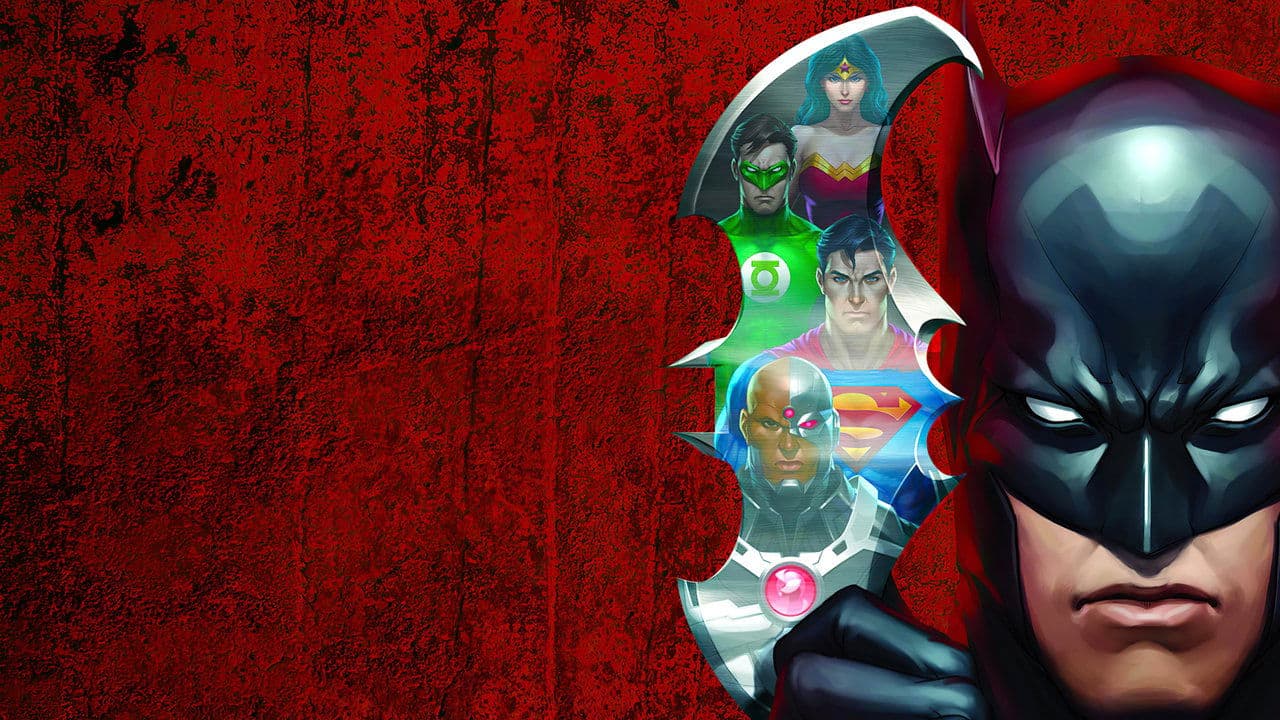
Justice League: Doom opens with a premise that feels almost too clever to work: what if Batman's obsessive contingency planning—those secret files he keeps on every Justice League member, documenting their vulnerabilities—fell into the hands of someone who actually knew how to use them? That's exactly what happens when the immortal villain Vandal Savage steals Batman's meticulously compiled dossier on Superman, Wonder Woman, The Flash, Green Lantern, Hawkgirl, and Martian Manhunter. What unfolds over the film's lean 77 minutes is a tense, surprisingly intimate exploration of trust, paranoia, and whether even the best intentions can justify the worst preparations. The film doesn't just recycle the source material—it distills it, making every plot beat count in a way that feels urgent and earned rather than rushed.
Behind the making of Justice League: Doom and the creative team that brought it to life
Justice League: Doom marks the 13th entry in the DC Universe Animated Original Movies line, arriving in 2012 under the direction of Lauren Montgomery, whose work on previous DC animated projects had already established her as a visual storyteller with real command of action and character. Dwayne McDuffie penned the script—and this matters because McDuffie wasn't just adapting Mark Waid's "Tower of Babel" storyline from the year 2000 JLA comic run; he was distilling it, reshaping it for animation's unique rhythm and constraints. The voice cast reads like a who's who of animation voice acting: Tim Daly as Superman, Kevin Conroy returning as Batman (a role he'd owned since Batman: The Animated Series), Susan Eisenberg as Wonder Woman, and others bringing genuine weight to characters who could've felt like cardboard cutouts in less capable hands. Warner Bros. Animation and Warner Premiere produced the film under the DC banner, and the production values reflect that pedigree—the animation is fluid, the color palette deliberately muted to match the film's darker thematic concerns, and the action sequences are choreographed with actual spatial logic rather than just flashy spectacle. While the film didn't generate major box-office noise (it was direct-to-video, after all), it earned solid critical reception and an IMDb rating of 7.4 out of 10, placing it among the stronger entries in the DC animated canon.
What makes Justice League: Doom stand out among superhero adaptations
Here's what's striking about this film: it takes Batman seriously without making him insufferable. That's harder than it sounds. The character's paranoia—his need to have a plan to take down every ally—could read as petulant or controlling in the wrong hands. Instead, McDuffie and Montgomery treat it as a genuine psychological wound, the logical endpoint of a man who's watched too many things go wrong. When Savage uses Batman's files against the League, we're not watching a revenge plot; we're watching the Justice League confront the possibility that the person they trust most has already decided they can't be trusted. The film doesn't shy away from the moral complexity here. Batman's not portrayed as a visionary or a necessary evil—he's shown as someone caught between his role as a strategist and his role as a teammate, and that tension never quite resolves, which is exactly right. The voice performances anchor everything. Kevin Conroy brings a particular exhaustion to Batman, a man carrying the weight of contingencies he hopes he'll never need. Tim Daly's Superman isn't the boy scout of caricature but someone genuinely hurt by the betrayal of Batman's distrust. What's really working beneath the surface is how the film understands that superheroes aren't just about power—they're about relationships, and relationships require vulnerability, and vulnerability is precisely what Batman can't afford. That contradiction, that impossible bind, is what makes the film feel alive in a way a lot of superhero content doesn't bother attempting.
Where to stream Justice League: Doom online and check current availability
Justice League: Doom is currently available on major OTT services, though specific platform availability can shift seasonally—which is why Movie OTT maintains a real-time "Where to Watch" widget at the top of this page that'll show you exactly where you can stream it right now without the guesswork. The film's 77-minute runtime makes it an ideal fit for streaming; it's long enough to feel substantial but short enough to fit into a weeknight viewing session. Whether you're watching on a platform you already subscribe to or considering adding one specifically for DC's animated catalog, the film justifies the time investment. Movie OTT tracks current streaming availability across major services, so you won't waste time hunting—just check the widget and go.
Frequently asked questions
Q: Is Justice League: Doom based on a comic book story?
Yes. The film adapts Mark Waid's "Tower of Babel" storyline from the JLA comic series, which originally ran in the year 2000. While it stays true to the core premise—Batman's files on the League being weaponized against them—the film streamlines and reshapes the narrative for animation's pacing and format.
Q: How long is Justice League: Doom?
The film runs 77 minutes, making it one of the shorter entries in the DC Universe Animated Original Movies catalog. That lean runtime works in its favor, keeping the plot moving without unnecessary detours.
Q: Who directed Justice League: Doom?
Lauren Montgomery directed the film, with Dwayne McDuffie handling the screenplay. Montgomery's visual approach emphasizes character moments alongside the action sequences, giving the film a more intimate feel than some superhero animations.
Q: What's the main conflict in Justice League: Doom?
Vandal Savage steals Batman's confidential files documenting the weaknesses of every Justice League member. He then uses these vulnerabilities to systematically target each hero, forcing the League to confront not just a powerful enemy but the breach of trust at the heart of their team.
Q: Is Justice League: Doom a standalone film or a sequel?
It's technically a standalone sequel to Justice League: Crisis on Two Earths (2010), but you don't need to watch that film first. Doom works perfectly as an entry point into the DC animated universe.
Final thoughts on Justice League: Doom and who should watch it
Justice League: Doom isn't trying to be everything to everyone. It's a focused, character-driven superhero story that trusts its audience to care about relationships and moral ambiguity as much as action sequences. If you're looking for a film that treats Batman's paranoia as a genuine character flaw rather than a superpower, or if you want to see the Justice League actually struggle with the weight of being trusted—not just physically, but emotionally—this is the film for you. It's also perfect if you're already invested in DC's animated catalog and want something that holds its own against the best entries. Don't sleep on it.