Unraveling the Myth: The Story of Die Nibelungen: Siegfried
Venturing into the rich tapestry of ancient Germanic folklore, Die Nibelungen: Siegfried (1924) invites audiences to witness the legendary hero's fateful journey. The story begins with Siegfried, the valiant son of King Siegmund of Xanten, renowned for his strength and courage. His path leads him to Worms, the majestic capital of the Burgundian kingdom, driven by a singular purpose: to seek the hand of the beautiful Kriemhild, sister to the powerful King Gunther. This quest for love, however, isn't just a simple romantic pursuit; it's a pivotal moment that will entangle Siegfried in a web of alliances, rivalries, and ultimately, an inescapable destiny that unfolds with epic grandeur. Lang's vision, even in these early moments, establishes a world of profound consequence.
Crafting a Legend: The Production of Die Nibelungen: Siegfried
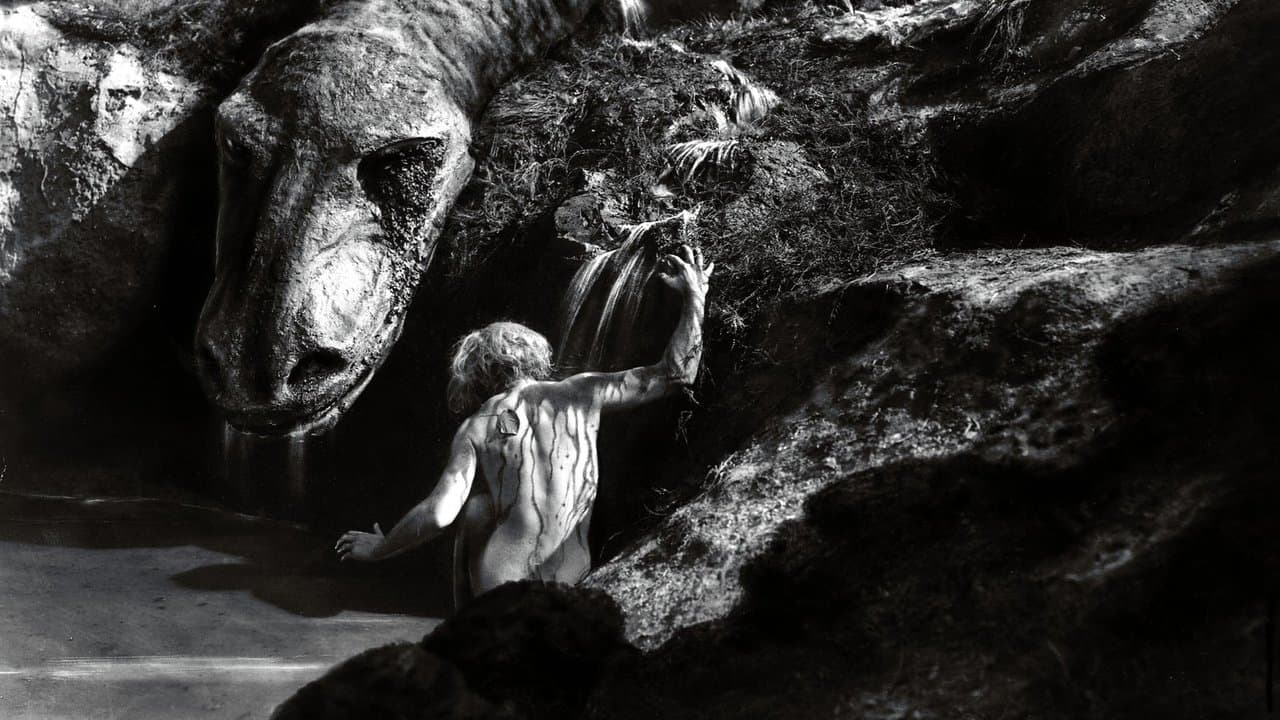
Die Nibelungen: Siegfried is not merely a film; it’s a monumental achievement from the golden age of German silent cinema, released in 1924. Produced by the formidable UFA and Decla-Bioscop studios, this epic stands as the first part of the ambitious Die Nibelungen Collection, a two-part saga masterminded by the visionary director Fritz Lang and his then-wife and screenwriter, Thea von Harbou. Lang, a name synonymous with cinematic innovation, brought an unparalleled scale to this project. Imagine the challenges of bringing such a fantastical world to life in an era devoid of modern CGI—it’s astounding. The film's runtime of 148 minutes allowed for a deliberate pacing, letting the story breathe and the visual storytelling take precedence, a hallmark of silent-era epics. The sheer artistry involved in creating the elaborate sets, the meticulously designed costumes, and the groundbreaking practical effects for its time—such as the iconic dragon Fafnir—demonstrates a commitment to world-building that few films, even today, can match. It wasn't just about telling a story; it was about immersing the audience in an entire mythological universe, crafted with painstaking detail and a grand artistic vision that solidified its place in film history.
The Enduring Power: Why Die Nibelungen: Siegfried Still Captivates Viewers
Over a century since its release, Die Nibelungen: Siegfried continues to enthrall, holding a respectable IMDb rating of 7.747/10, a testament to its timeless appeal. What makes Lang's epic so compelling isn't just its faithful adaptation of ancient myths, but the sheer visual poetry and narrative ambition on display. I keep coming back to the film's extraordinary production design; the sets are architectural marvels, evoking a sense of both grandeur and foreboding. The way Lang uses light and shadow, combined with the stylized performances, creates a dreamlike, almost operatic atmosphere. And that dragon scene? For 1924, it's genuinely remarkable, showcasing a level of special effects ingenuity that pushed boundaries. Film historian Lotte H. Eisner, a keen observer of Lang's work, noted in her book Fritz Lang that the film "created a world of its own, a world of monumental architecture and stylized landscapes, where human beings appear as tiny figures moved by fate." This observation perfectly encapsulates the film's ability to transport viewers into a realm where epic forces dictate human destiny. The themes of heroism, honor, love, and betrayal are universal, delivered through a visual language that transcends the spoken word. It's an experience.
Where to Journey into Die Nibelungen: Siegfried Online Today
For those eager to discover or revisit this cinematic landmark, Die Nibelungen: Siegfried is widely accessible. The film is currently available on major OTT services, making it easier than ever to stream this piece of film history from the comfort of your home. You'll find specific details on where to watch by consulting the "Where to Watch" widget conveniently located at the top of this page. Here at Movie OTT, we pride ourselves on helping you navigate the ever-expanding universe of streaming content, ensuring you can quickly locate your next viewing experience. We track current streaming availability across a multitude of platforms, so you don't have to hunt around. Whether you're a silent film aficionado or a curious newcomer, watching this epic is a must. Don't miss out.
Frequently asked questions
Q: What is Die Nibelungen: Siegfried about?
Die Nibelungen: Siegfried tells the legendary tale of Siegfried, son of King Siegmund of Xanten, as he journeys to Worms to seek the hand of Princess Kriemhild. It's an epic adventure rooted in Germanic mythology, filled with heroism, love, and destiny.
Q: Who directed Die Nibelungen: Siegfried?
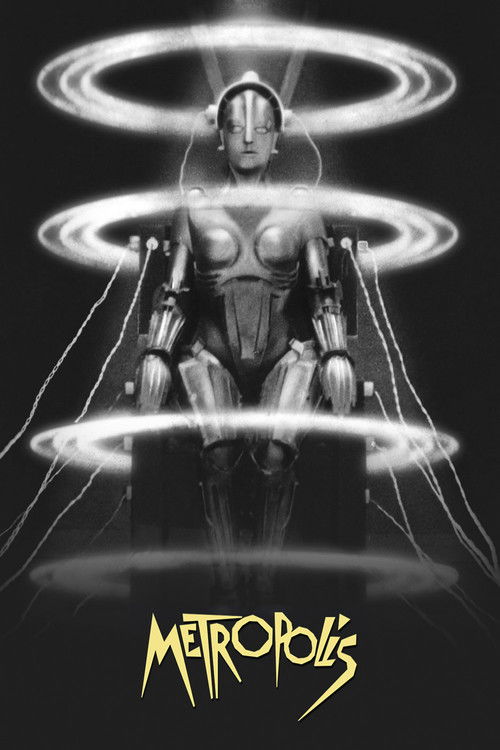
The iconic German filmmaker Fritz Lang directed Die Nibelungen: Siegfried. He is renowned for his visionary work in the silent and early sound eras, creating masterpieces like Metropolis.
Q: How long is Die Nibelungen: Siegfried?
Die Nibelungen: Siegfried has a runtime of 148 minutes. This substantial length allows for a detailed and immersive storytelling experience, characteristic of epic silent films.
Q: Is Die Nibelungen: Siegfried part of a larger series?
Yes, Die Nibelungen: Siegfried is the first part of a two-film saga known as the Die Nibelungen Collection. The second film is titled Die Nibelungen: Kriemhild's Revenge.
Q: Where can I watch Die Nibelungen: Siegfried online?
Die Nibelungen: Siegfried is currently available to stream on major OTT services. For precise streaming options, check the "Where to Watch" widget on the Movie OTT page for this film.
Final Thoughts on Die Nibelungen: Siegfried: A Timeless Epic
To experience Die Nibelungen: Siegfried is to step back in time and witness cinema at its most ambitious and artistic. It's a film that transcends its silent origins, delivering a powerful narrative through breathtaking visuals and evocative performances. For anyone with an appreciation for foundational cinema, epic fantasy, or the sheer artistry of early filmmaking, this 1924 masterpiece is essential viewing. It's a testament to Fritz Lang's genius and the enduring power of myth. We heartily recommend it for its historical significance and its sheer entertainment value, solidifying its place not just as a classic, but as an ever-relevant work of art.