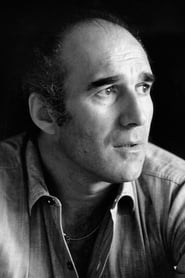
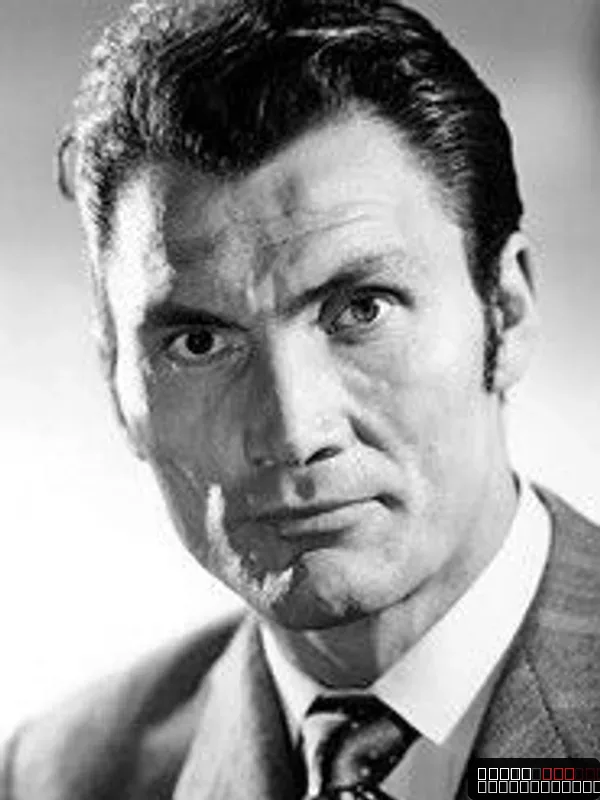
Actor & Director
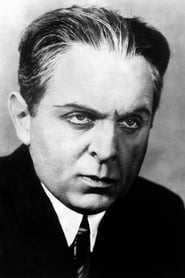
Fritz Lang
45 films on Movie OTT · 38 as director · Active 1917–2015
Fritz Lang — born December 5, 1890, in Vienna, Austria, and dead at 85 on August 2, 1976 — wasn't just a great director. He was the guy who essentially invented the visual language that Hollywood noir would spend decades borrowing without fully crediting. The British Film Institute dubbed him the "Master of Darkness" (Wikipedia), and honestly, it's hard to argue with that. His career stretched from Weimar-era German Expressionism through the Hollywood studio system, and what's striking is how little he compromised the core of what he was doing across that entire span.
About Fritz Lang
Fritz Lang — born December 5, 1890, in Vienna, Austria, and dead at 85 on August 2, 1976 — wasn't just a great director. He was the guy who essentially invented the visual language that Hollywood noir would spend decades borrowing without fully crediting. The British Film Institute dubbed him the "Master of Darkness" (Wikipedia), and honestly, it's hard to argue with that. His career stretched from Weimar-era German Expressionism through the Hollywood studio system, and what's striking is how little he compromised the core of what he was doing across that entire span.
Lang's two towering pre-Hollywood achievements — Metropolis (1927) and M (1931) — don't just hold up; they still feel like they're operating at a frequency most films can't reach. Metropolis was, at the time of its release, the most expensive silent film ever made (TMDB), a dystopian city-symphony that nearly broke its studio. M is the one I keep coming back to, though: Peter Lorre as a child murderer hunted by police and the criminal underworld alike, and Lang using that whistled fragment of Grieg's "In the Hall of the Mountain King" as the most unsettling audio signature in early sound cinema. A trap disguised as a melody.
After fleeing Germany in 1933, Lang landed in Hollywood and — despite studios treating him more like a craftsman than an auteur — produced work that shaped the noir genre from the inside. Andrew Sarris placed him in the "pantheon" of the 14 greatest directors to have worked in the United States, in his influential volume The American Cinema: Directors and Directions 1929–1968 (Wikipedia). Films like Scarlet Street (1945) and The Big Heat (1953) are the proof. Lang's influence on everything that came after him can't be overstated.
Currently streaming
2 of 45 on platformsEarly life & background
Fritz Lang was born Friedrich Christian Anton Lang on December 5, 1890, in Vienna, Austria (TMDB). He would go on to work across both the German and American film industries, becoming one of the most significant figures to emerge from Germany's Expressionist movement. Specific details about his parents, formal education, or early childhood aren't confirmed in the available sources — those biographical particulars — but his Viennese origins clearly shaped the European sensibility he carried into even his most Hollywood-facing work. He's identified in historical records as Austrian-German (Wikipedia), a dual cultural identity that maps fairly directly onto the two major phases of his career.
Career
Cite this page
For Wikipedia, journalism, or academic references — copy the citation below:
Movie OTT. "Fritz Lang." Accessed Sep 17, 2026. https://movieott.com/talent/fritz-langCross-references: Wikipedia
Last updated July 28, 2026 · Sources: tmdb+wikipedia+tmdb-credits+ai-claude
Filmography
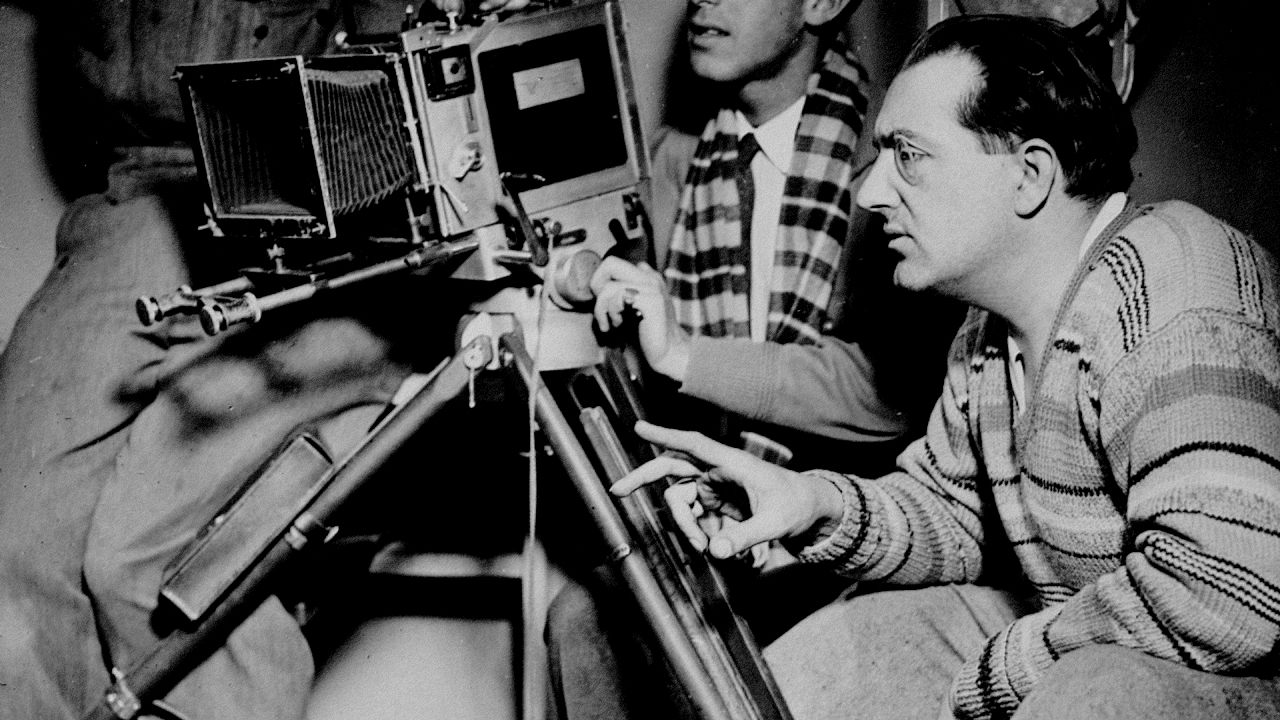
From Caligari to Hitler
2015 · Self - Filmmaker (archive footage)
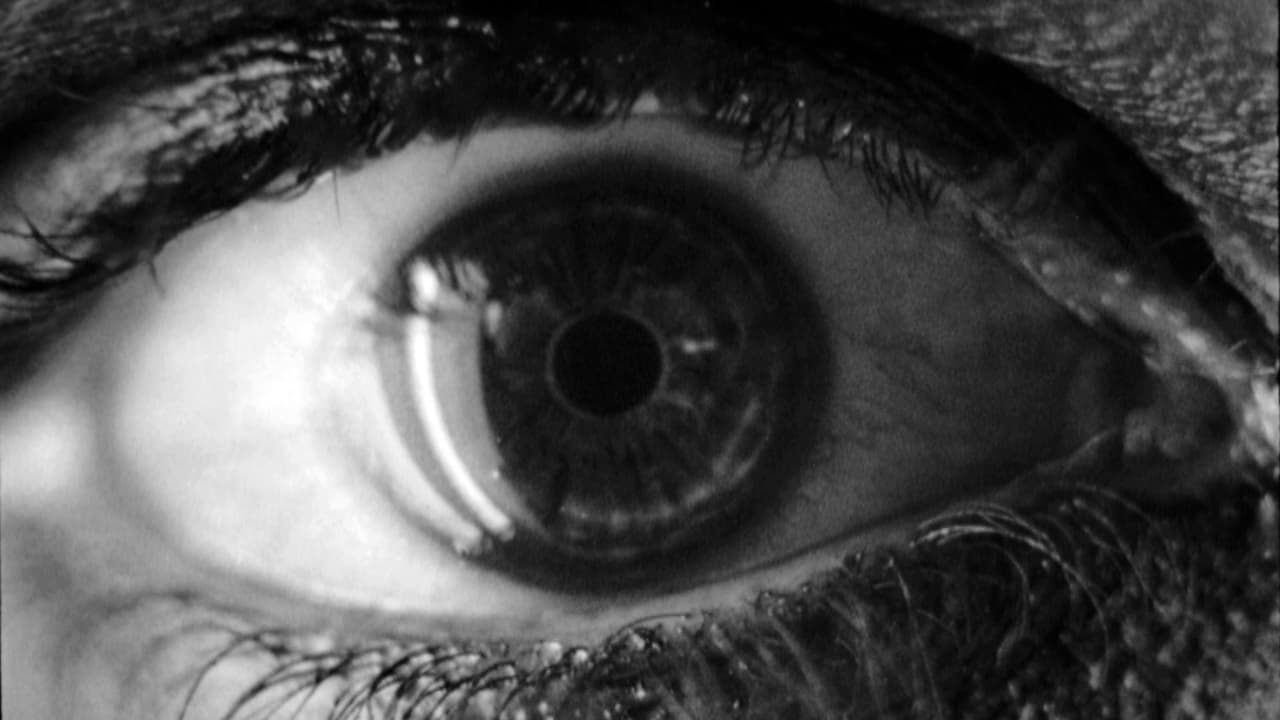
Voyage to 'Metropolis'
2010 · Self (archive footage)
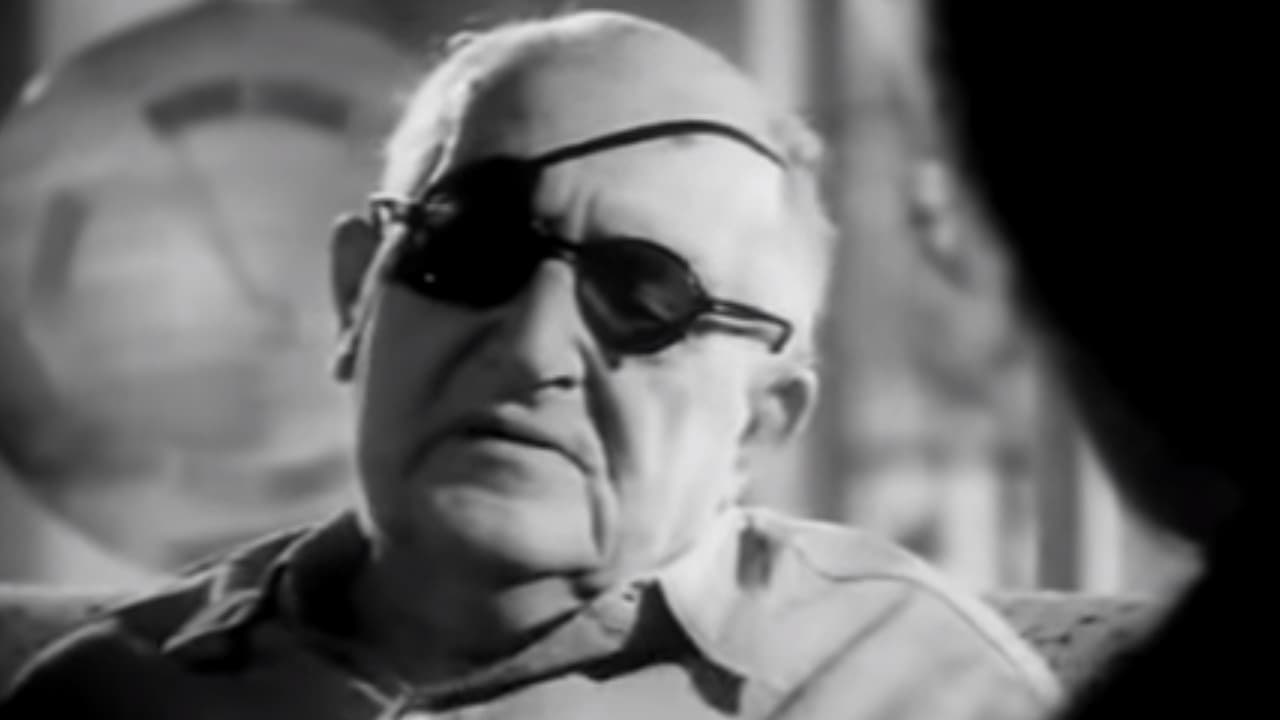
Conversation with Fritz Lang
1975 · Self
Paparazzi
1964 · Self
Bardot et Godard
1964 · Self
Contempt
1963 · Fritz Lang
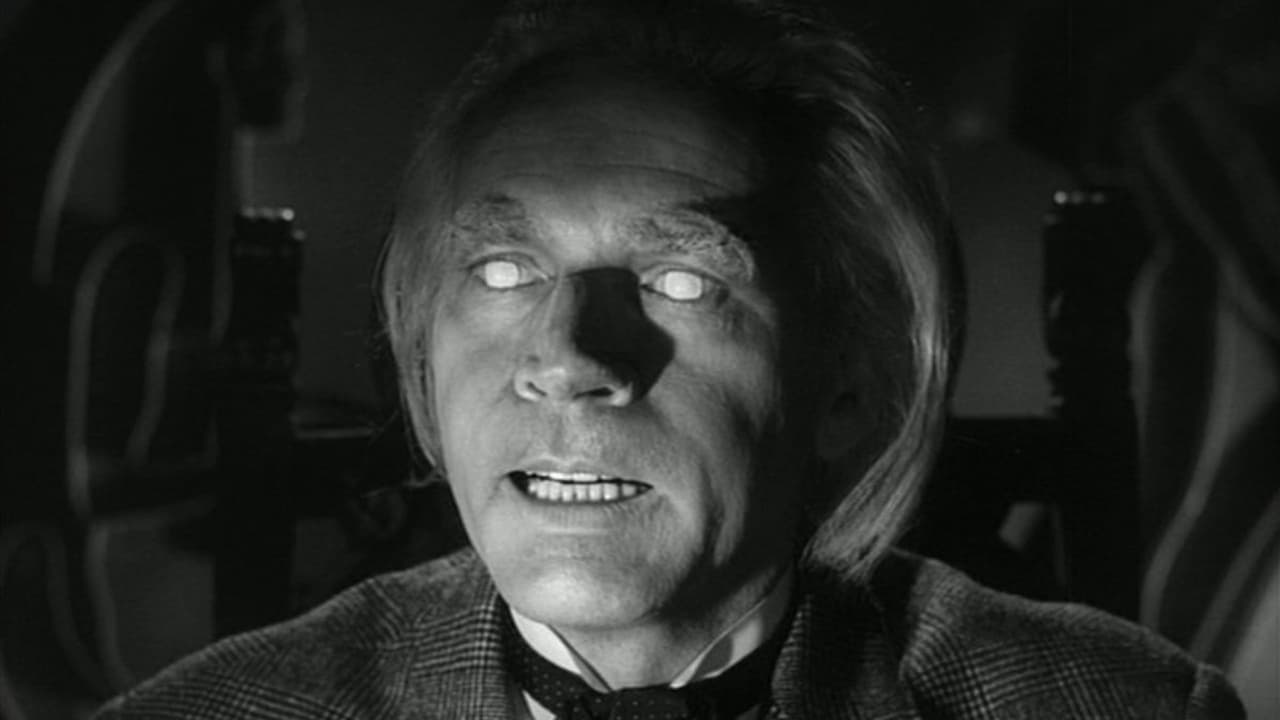
The Thousand Eyes of Dr. Mabuse
1960 · Producer, Director
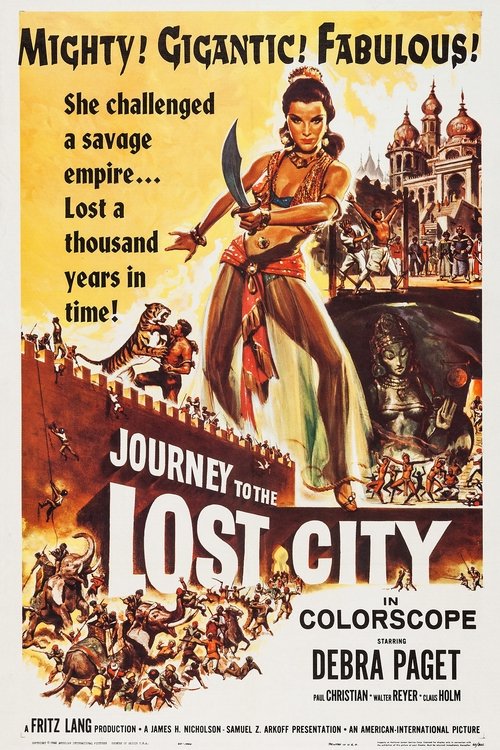
Journey to the Lost City
1960 · Director
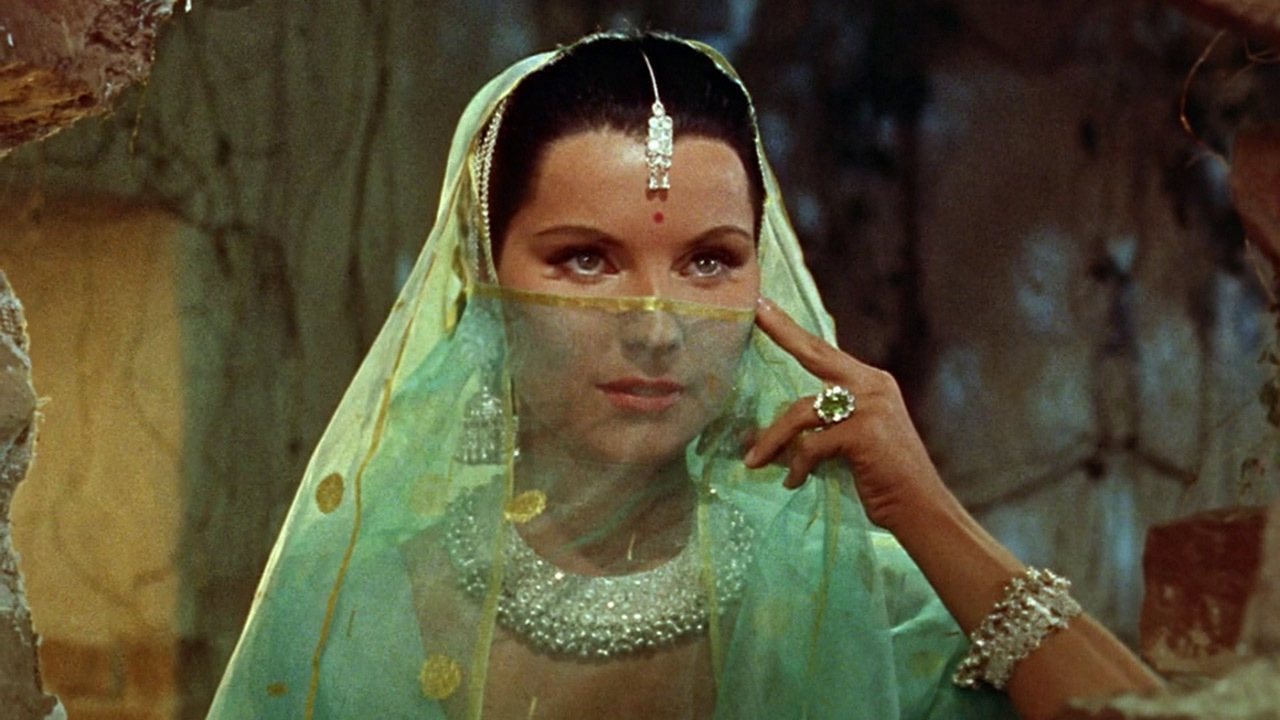
The Tiger of Eschnapur
1959 · Writer, Director
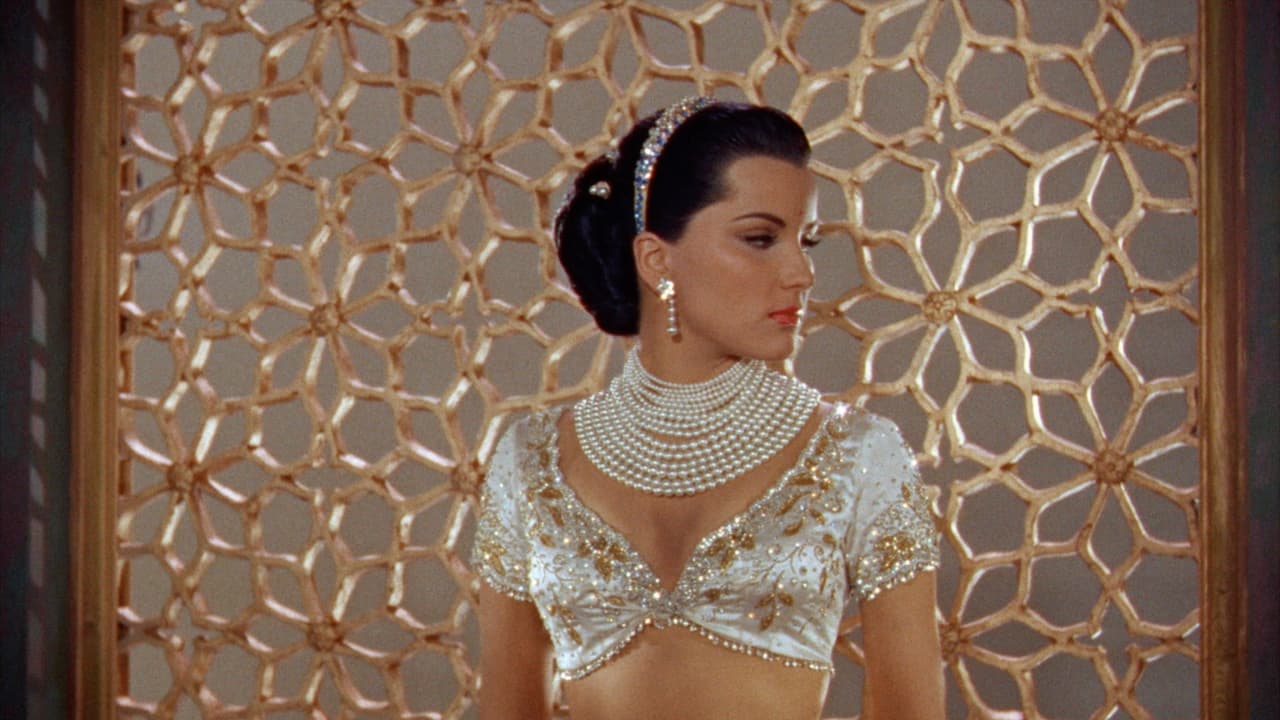
The Indian Tomb
1959 · Writer, Director
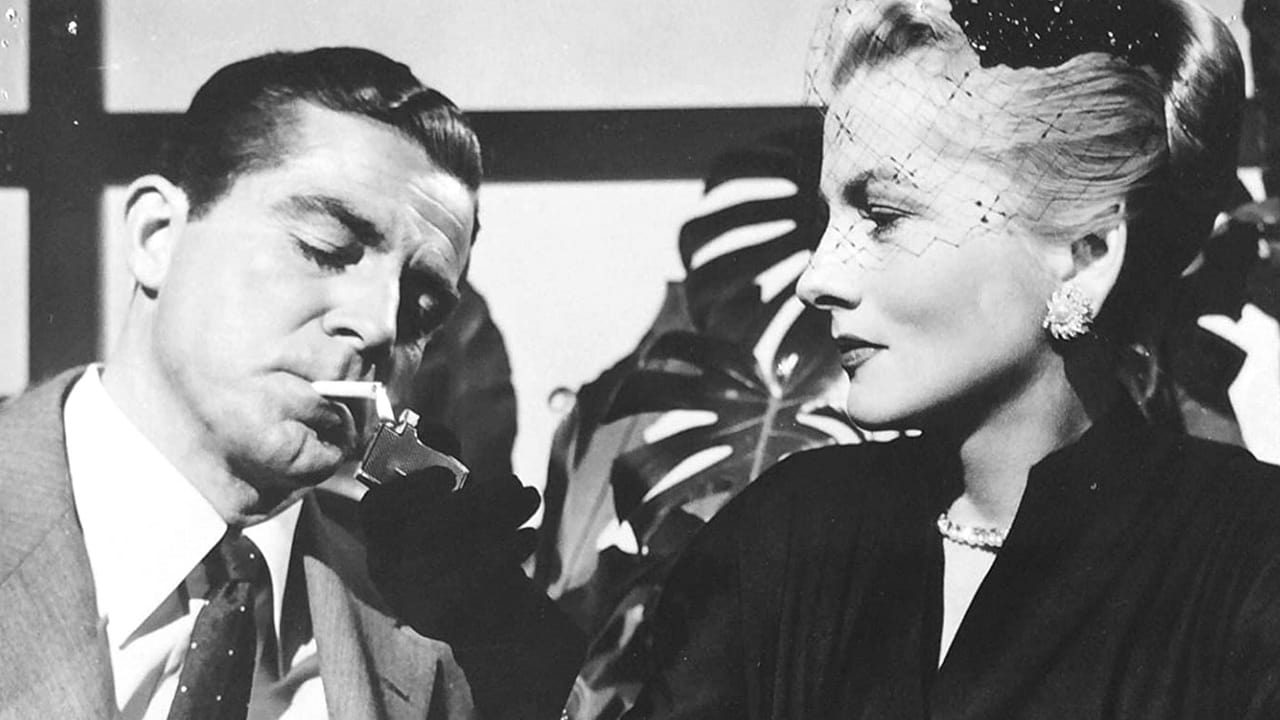
Beyond a Reasonable Doubt
1956 · Director
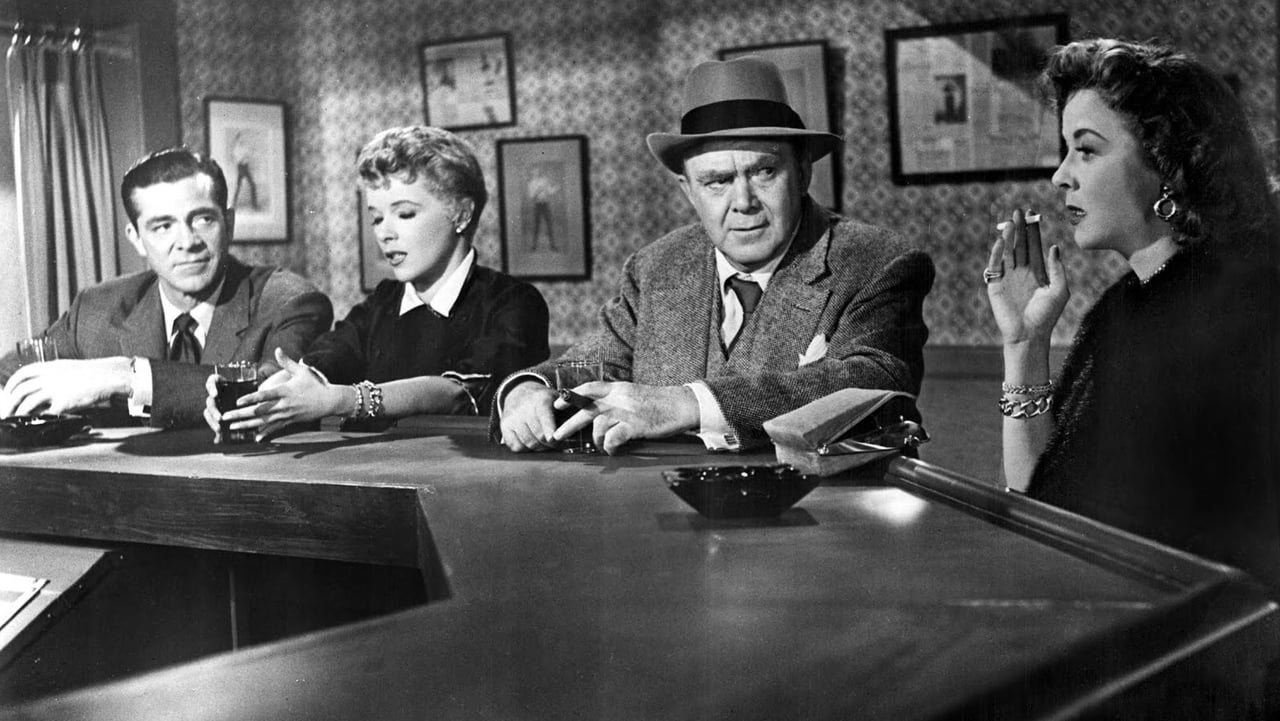
While the City Sleeps
1956 · Director

Moonfleet
1955 · Director
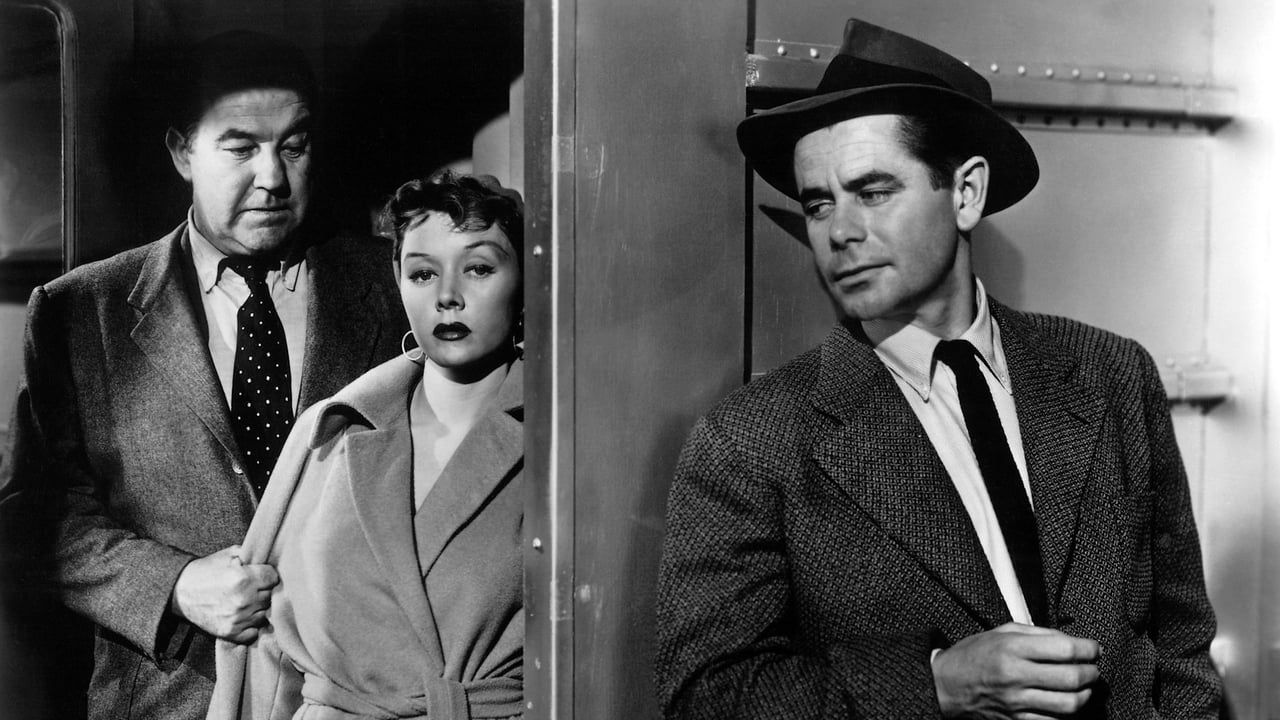
Human Desire
1954 · Director
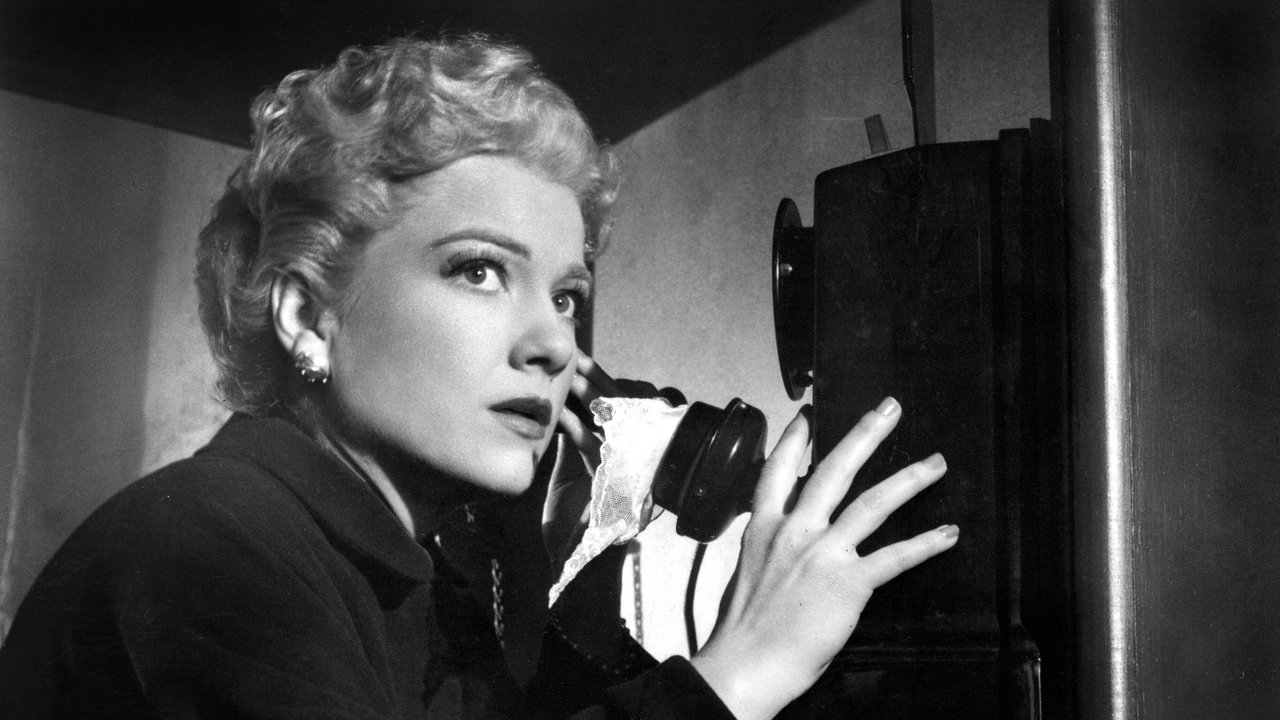
The Blue Gardenia
1953 · Director
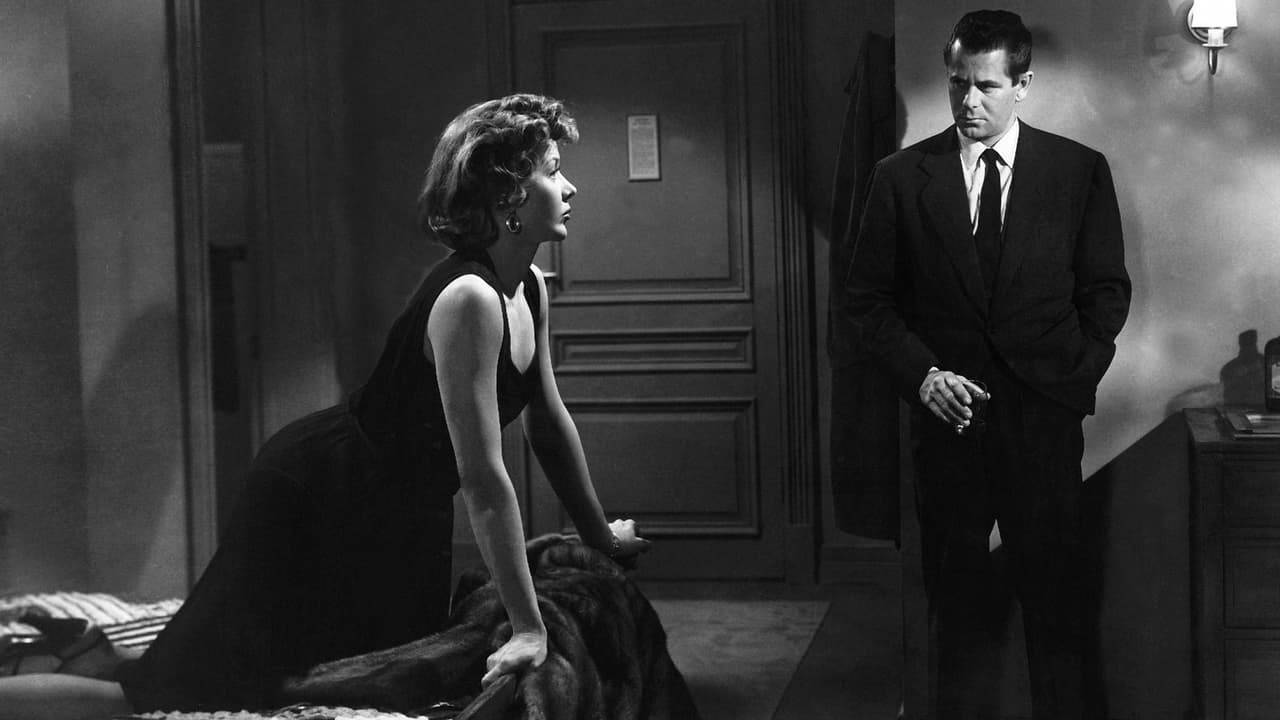
The Big Heat
1953 · Director

Clash by Night
1952 · Director
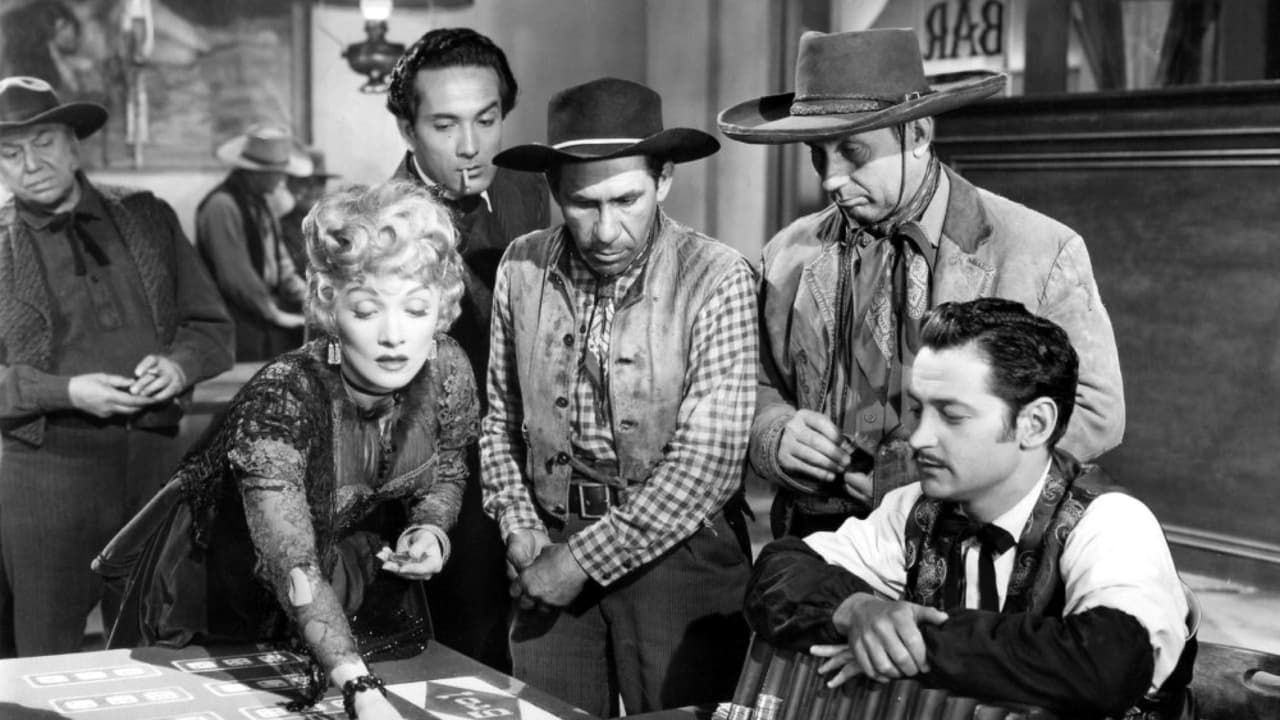
Rancho Notorious
1952 · Director
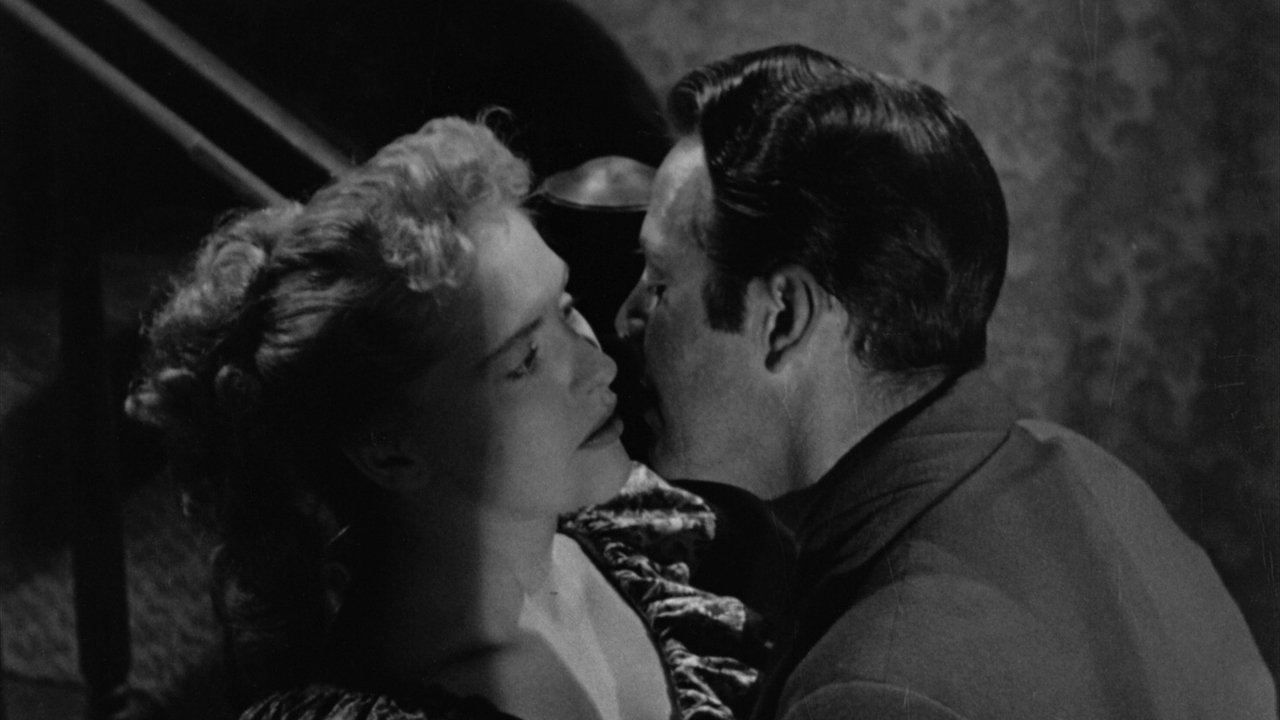
House by the River
1950 · Director
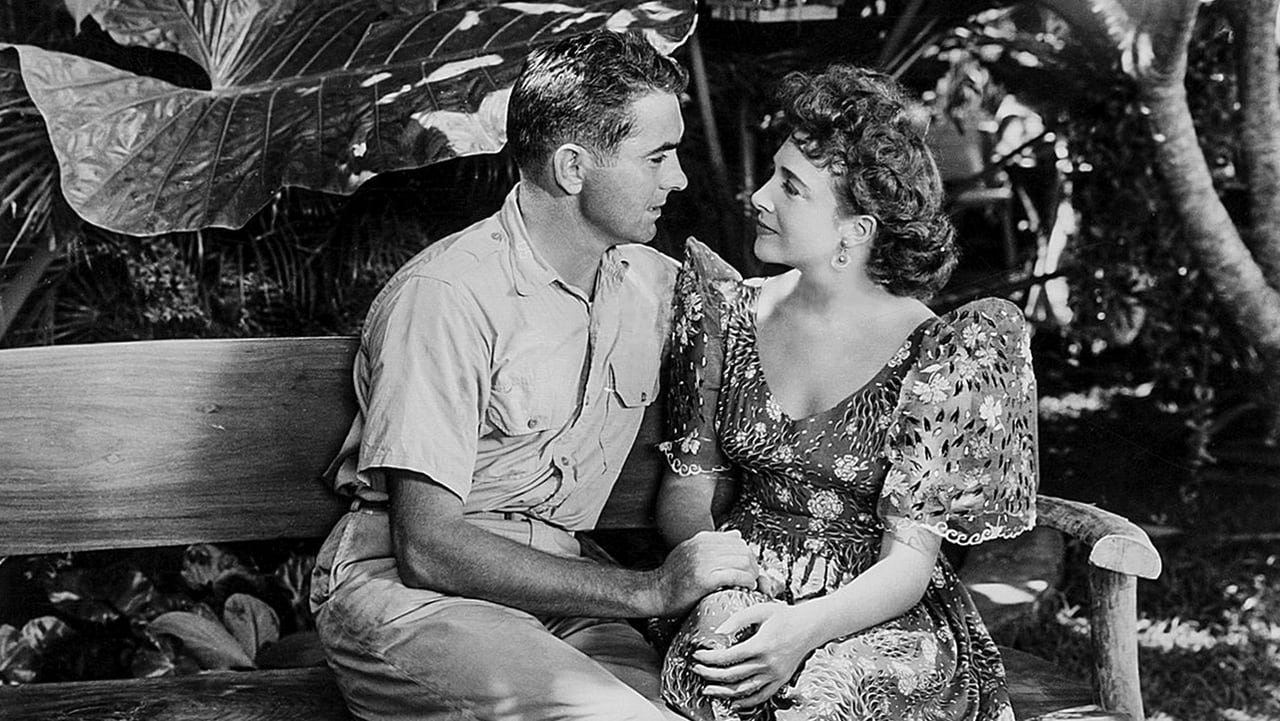
American Guerrilla in the Philippines
1950 · Director
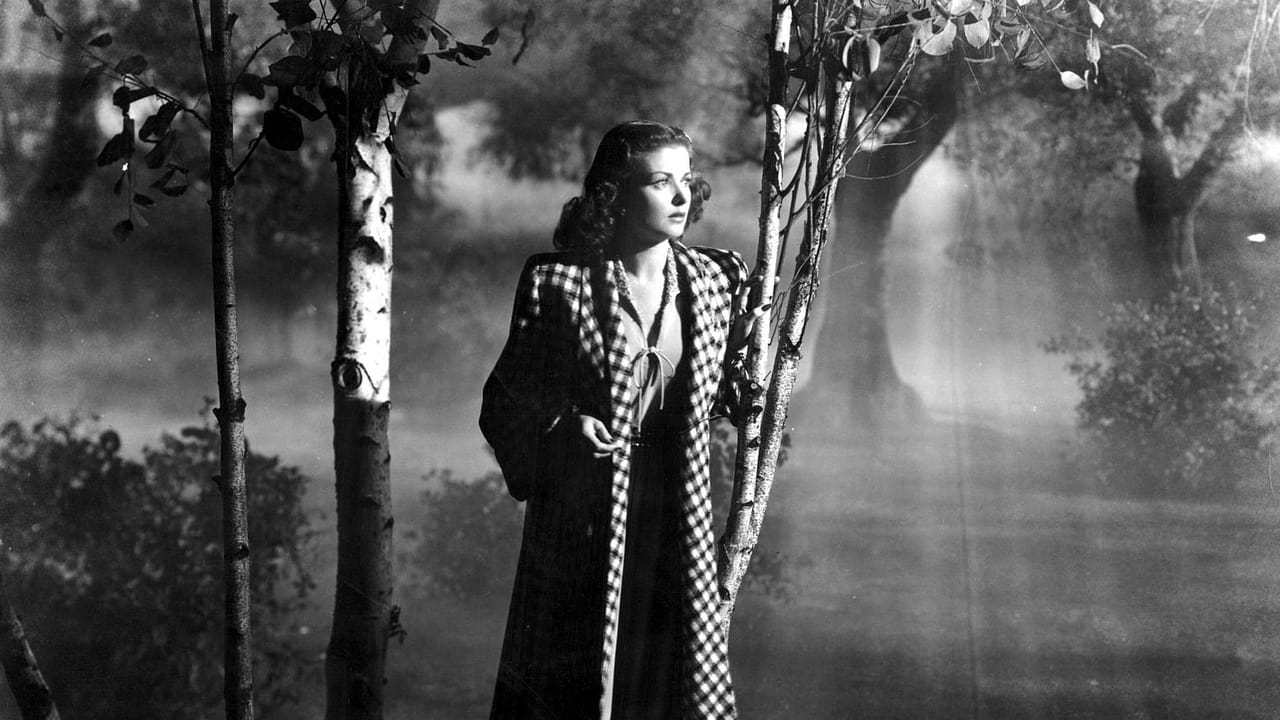
Secret Beyond the Door
1947 · Producer, Director
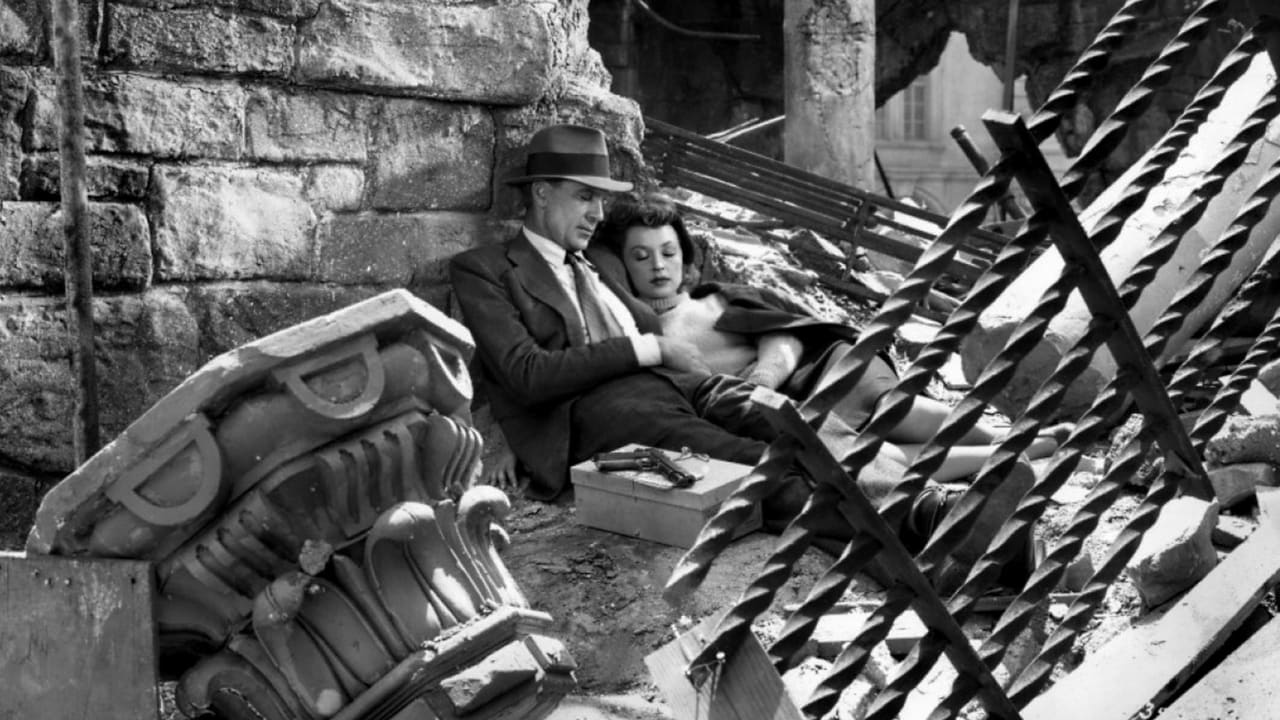
Cloak and Dagger
1946 · Director
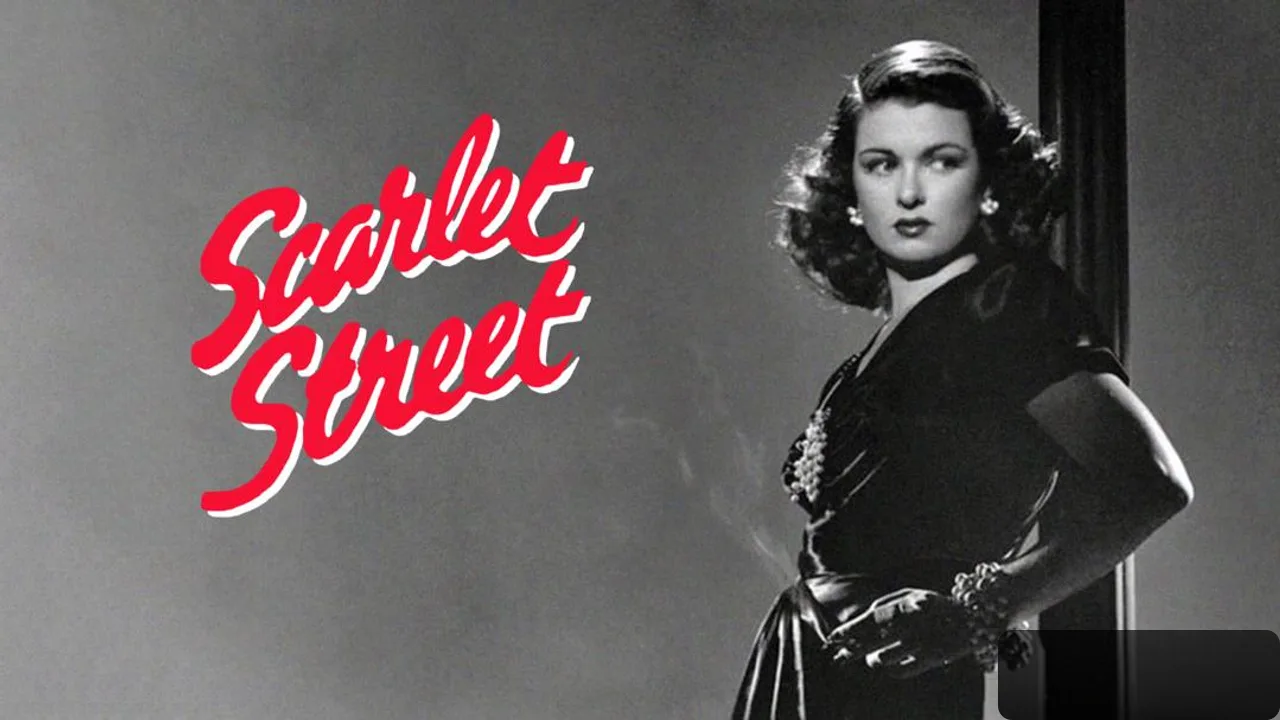
Scarlet Street
1945 · Director
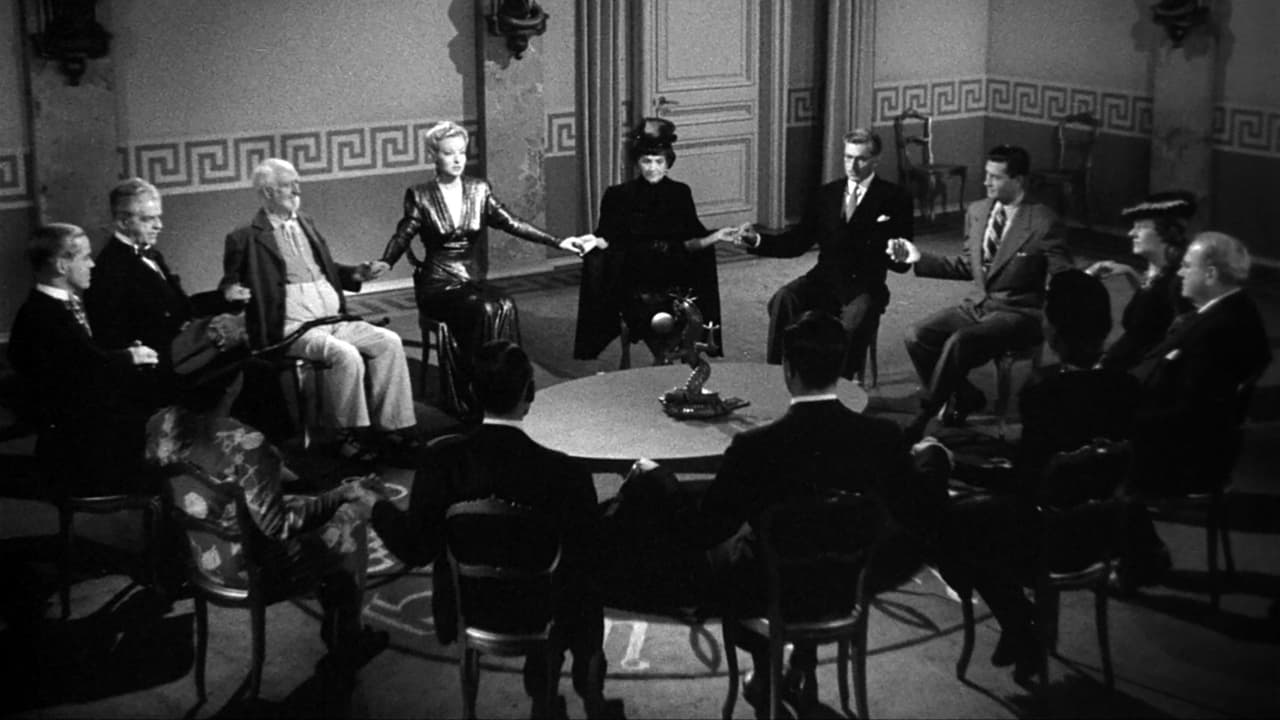
Ministry of Fear
1944 · Director
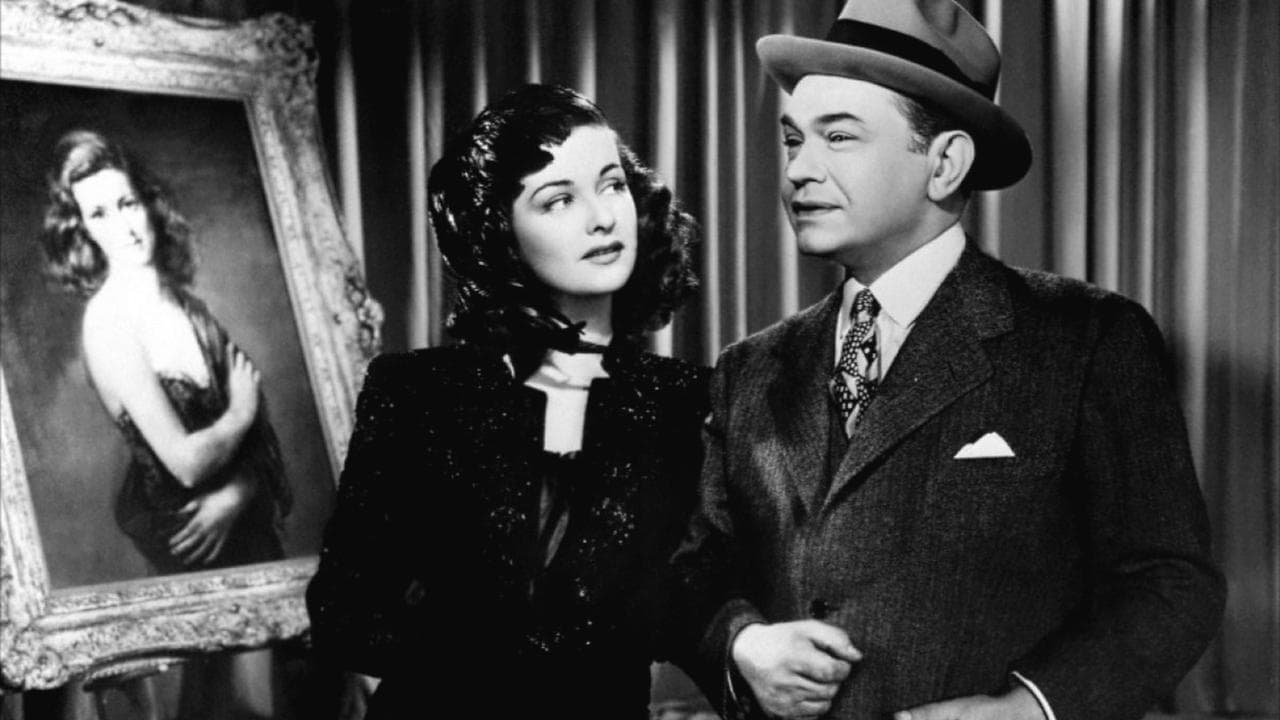
The Woman in the Window
1944 · Director
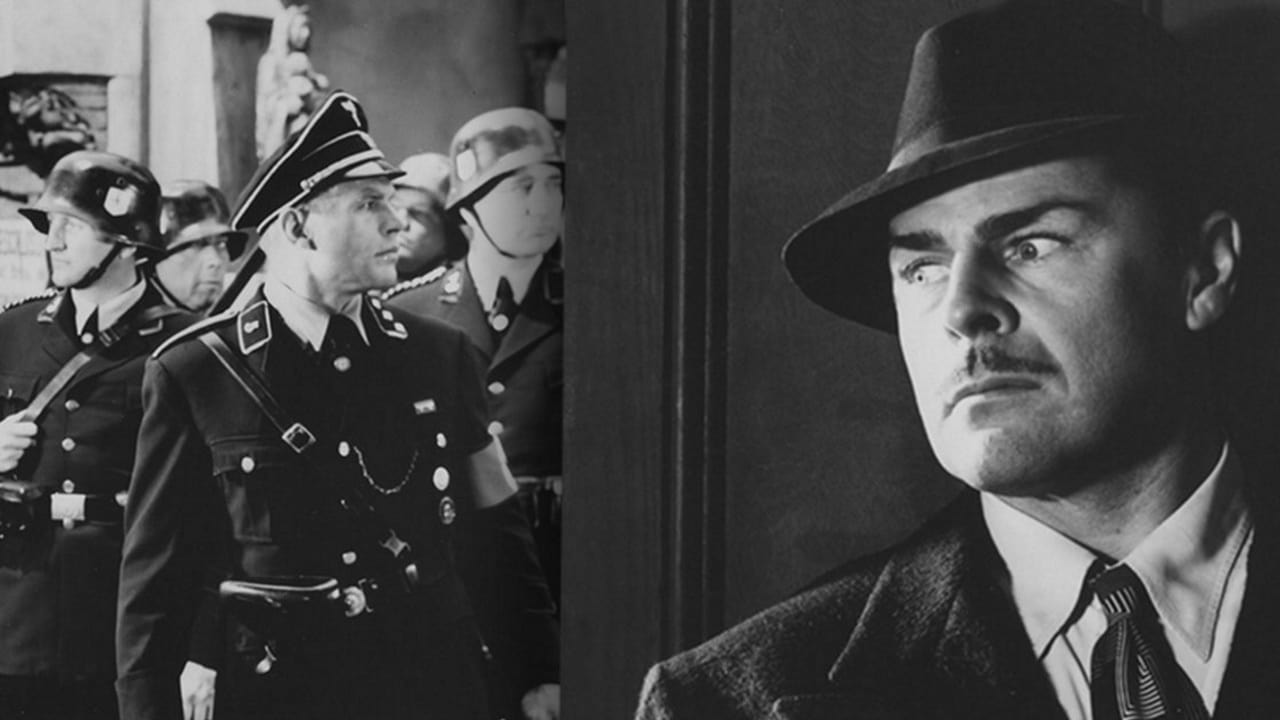
Hangmen Also Die!
1943 · Producer, Director
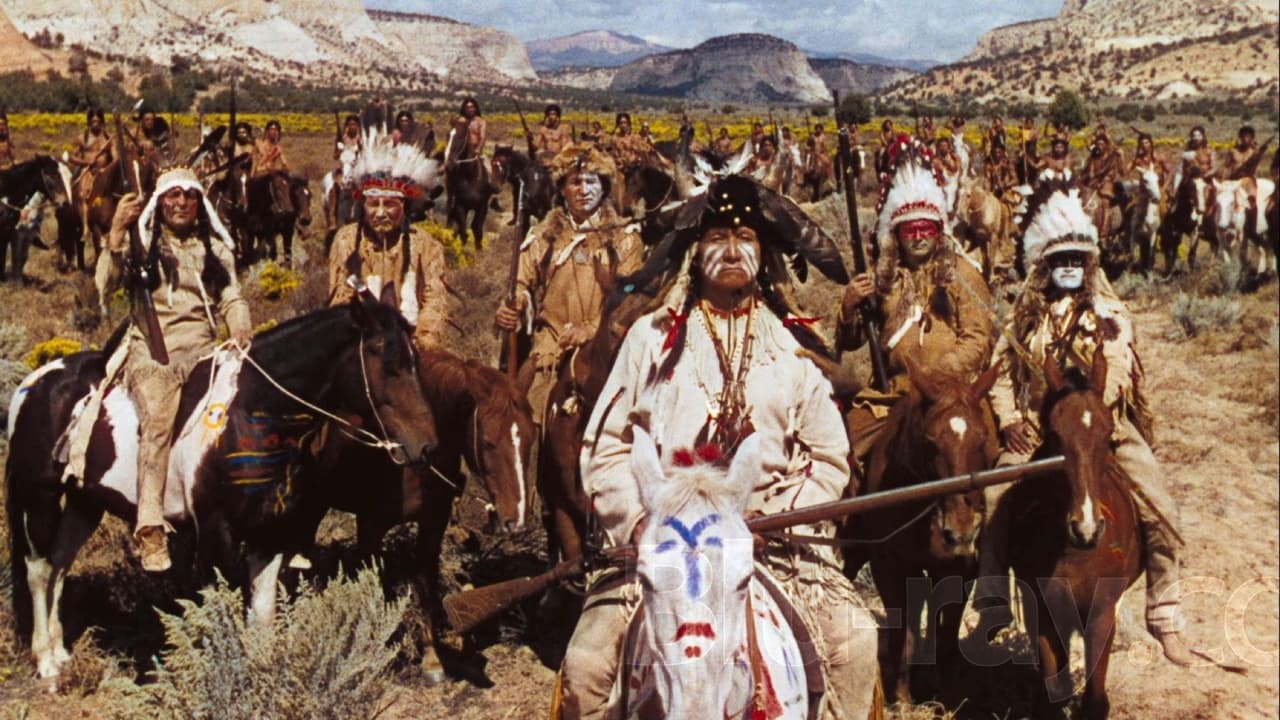
Western Union
1941 · Director
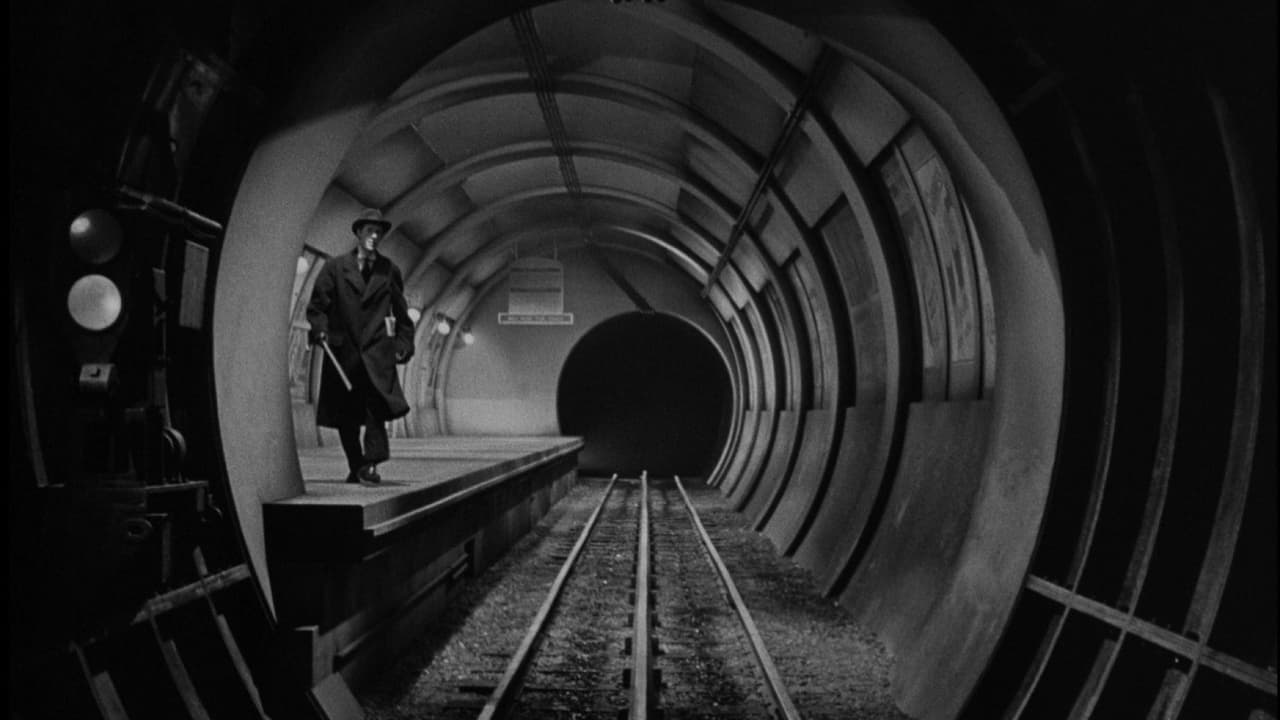
Man Hunt
1941 · Director
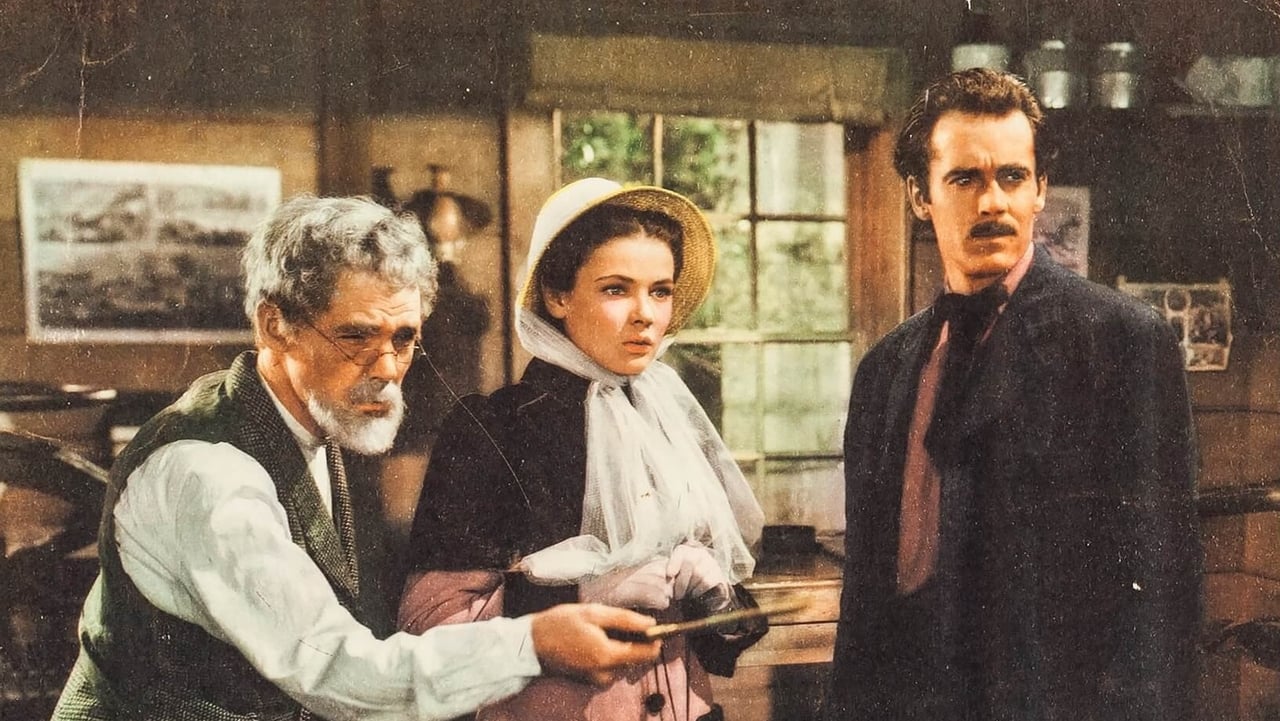
The Return of Frank James
1940 · Director
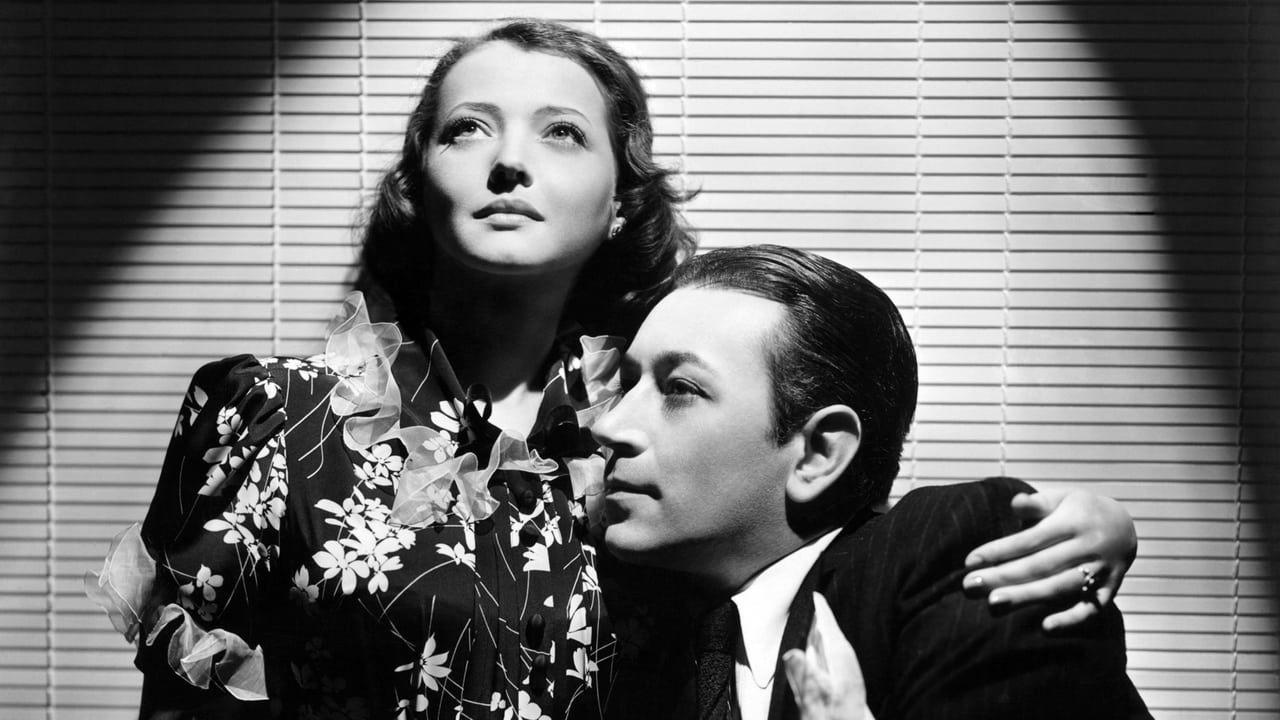
You and Me
1938 · Producer, Director
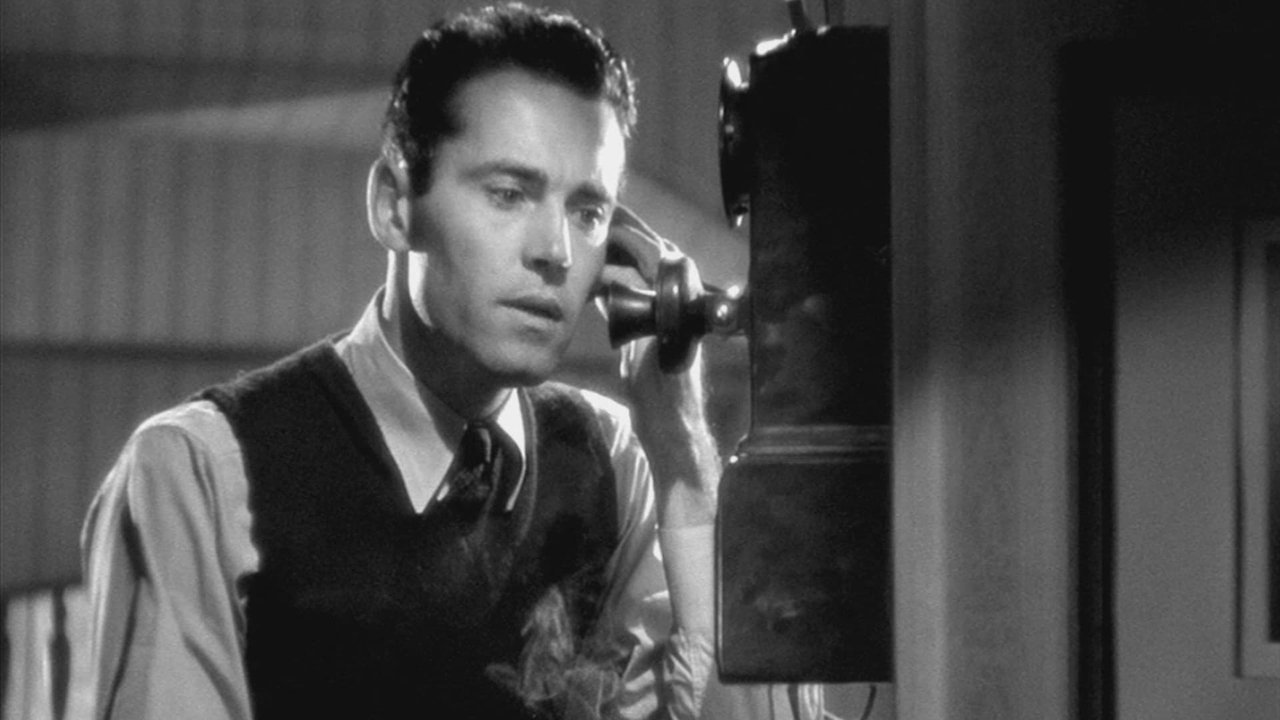
You Only Live Once
1937 · Director

Fury
1936 · Director
Liliom
1934 · Director

The Testament of Dr. Mabuse
1933 · Director, Producer
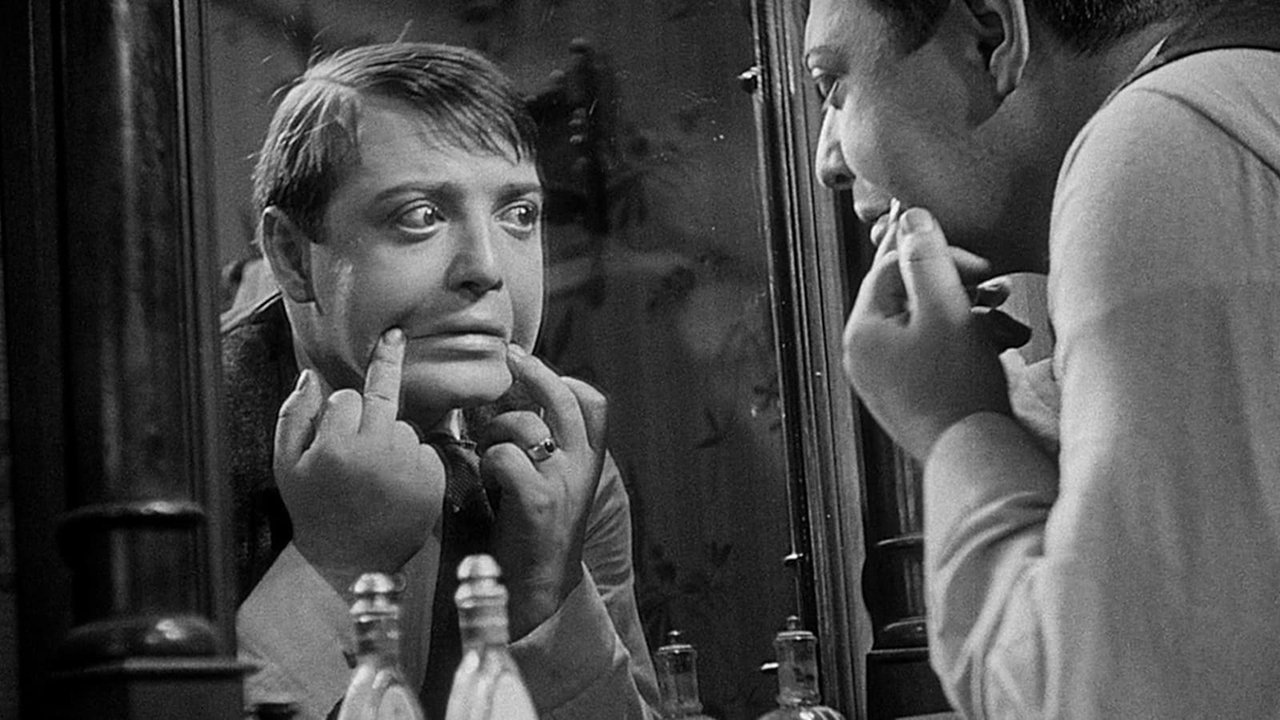
M
1931 · Director
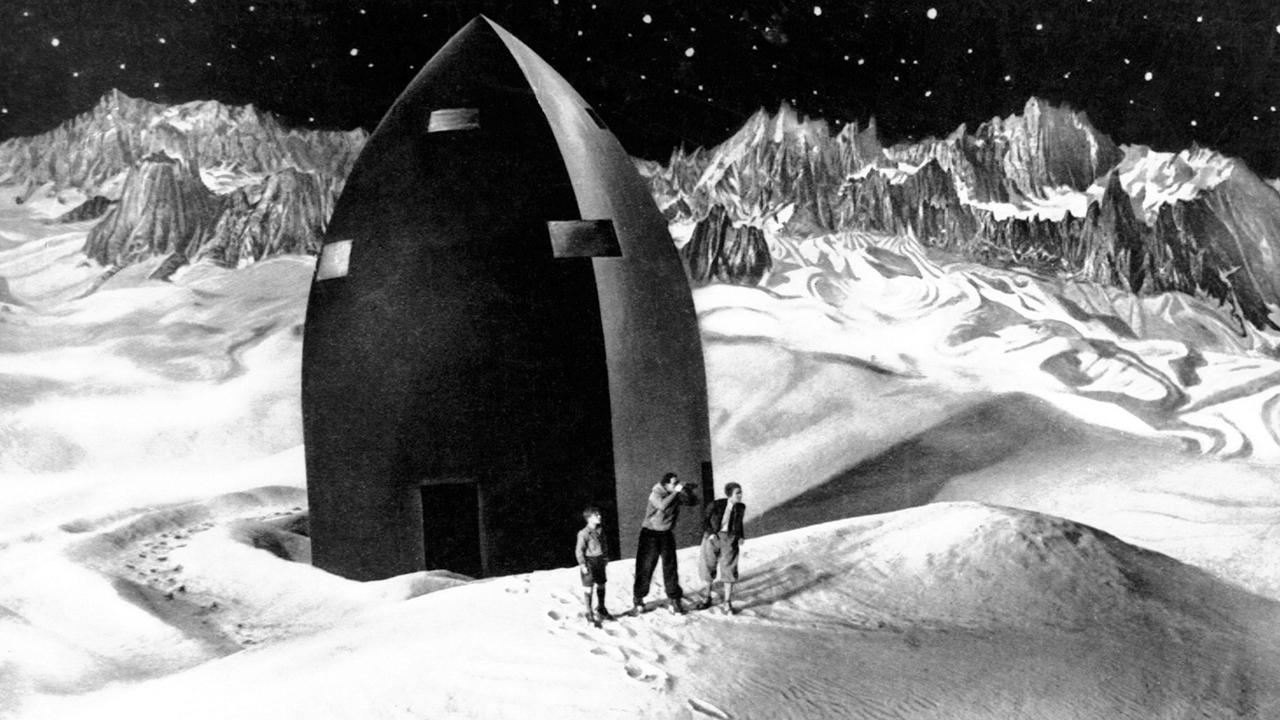
Woman in the Moon
1929 · Producer, Director
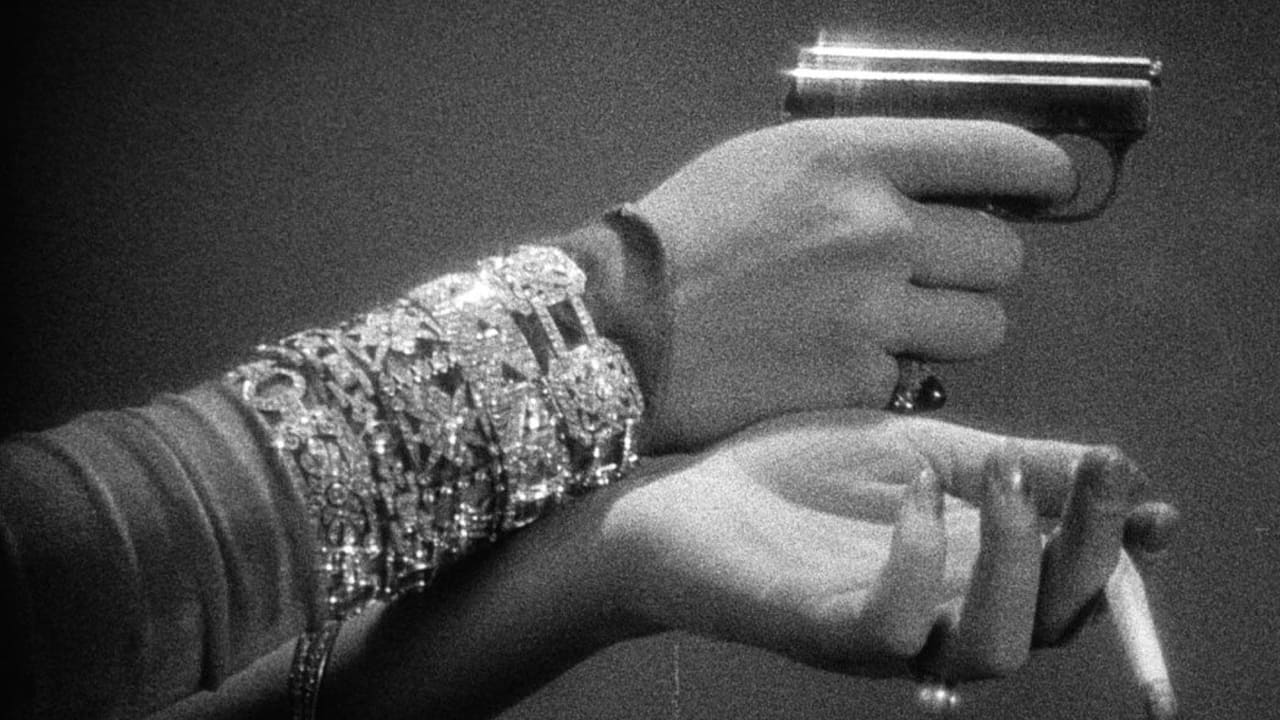
Spies
1928 · Director, Writer

Metropolis
1927 · Director
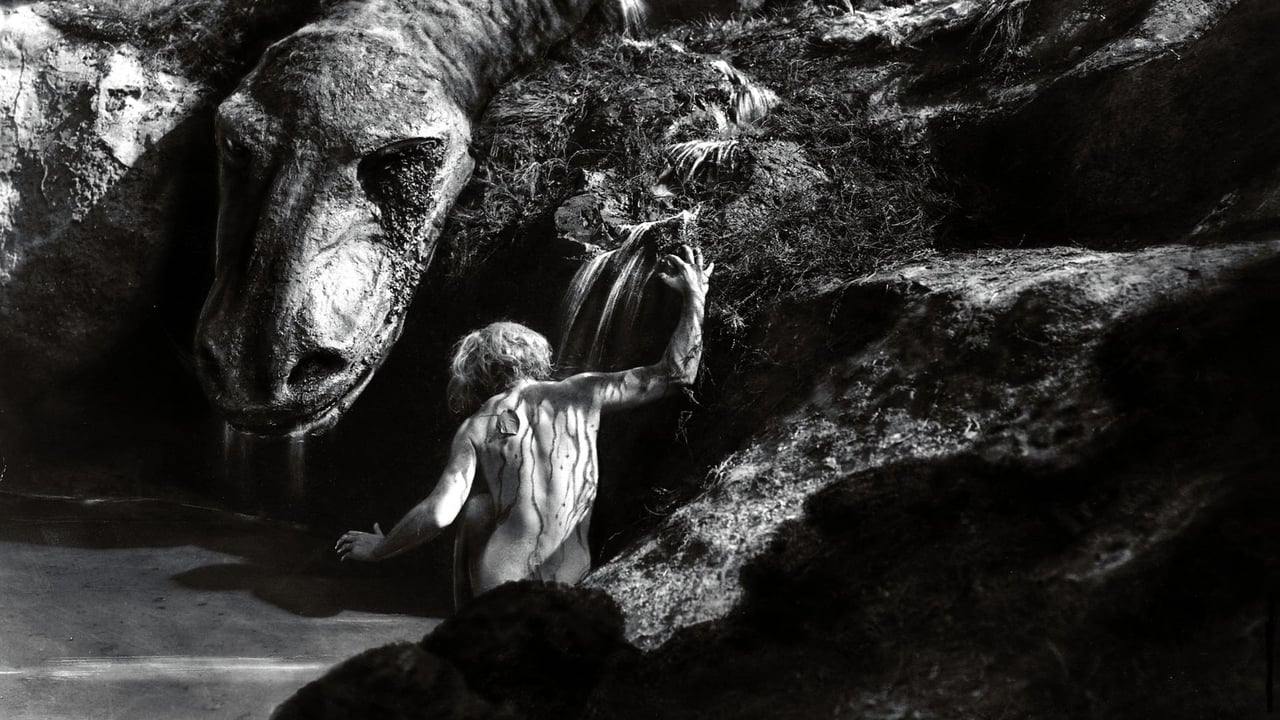
Die Nibelungen: Siegfried
1924 · Director
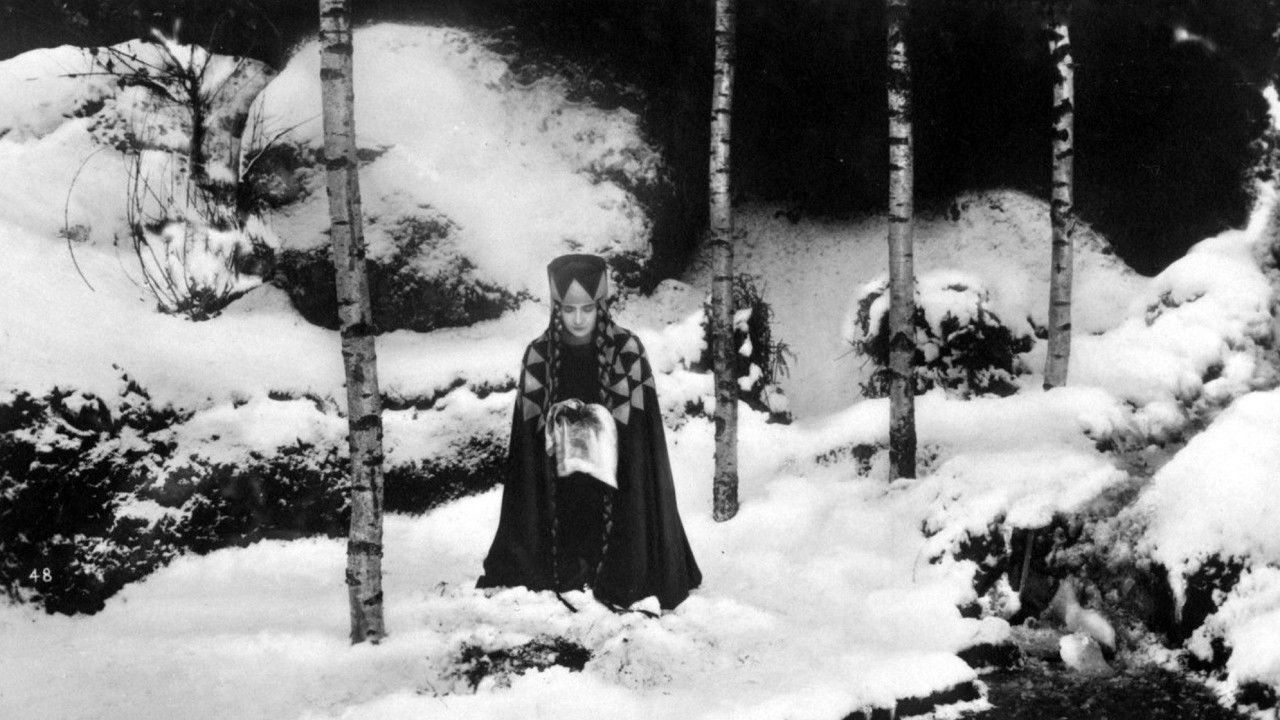
Die Nibelungen: Kriemhild's Revenge
1924 · Director

Dr. Mabuse, the Gambler
1922 · Director
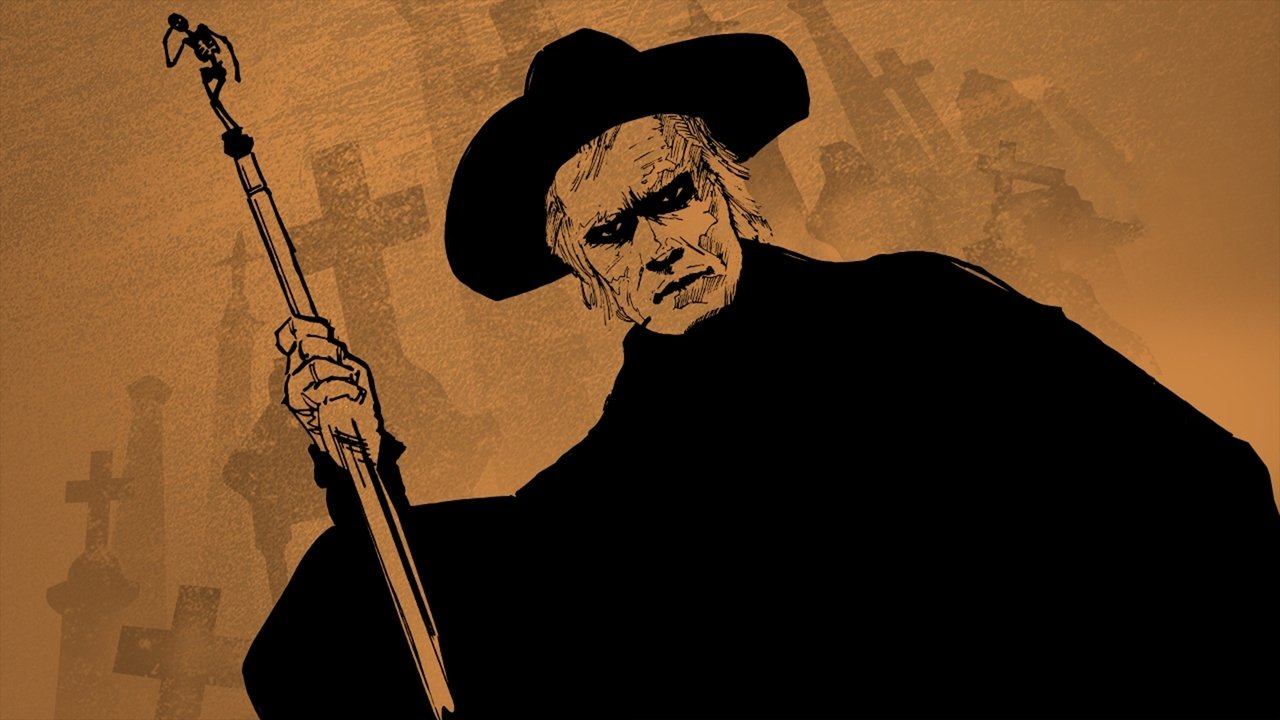
Destiny
1921 · Director, Writer
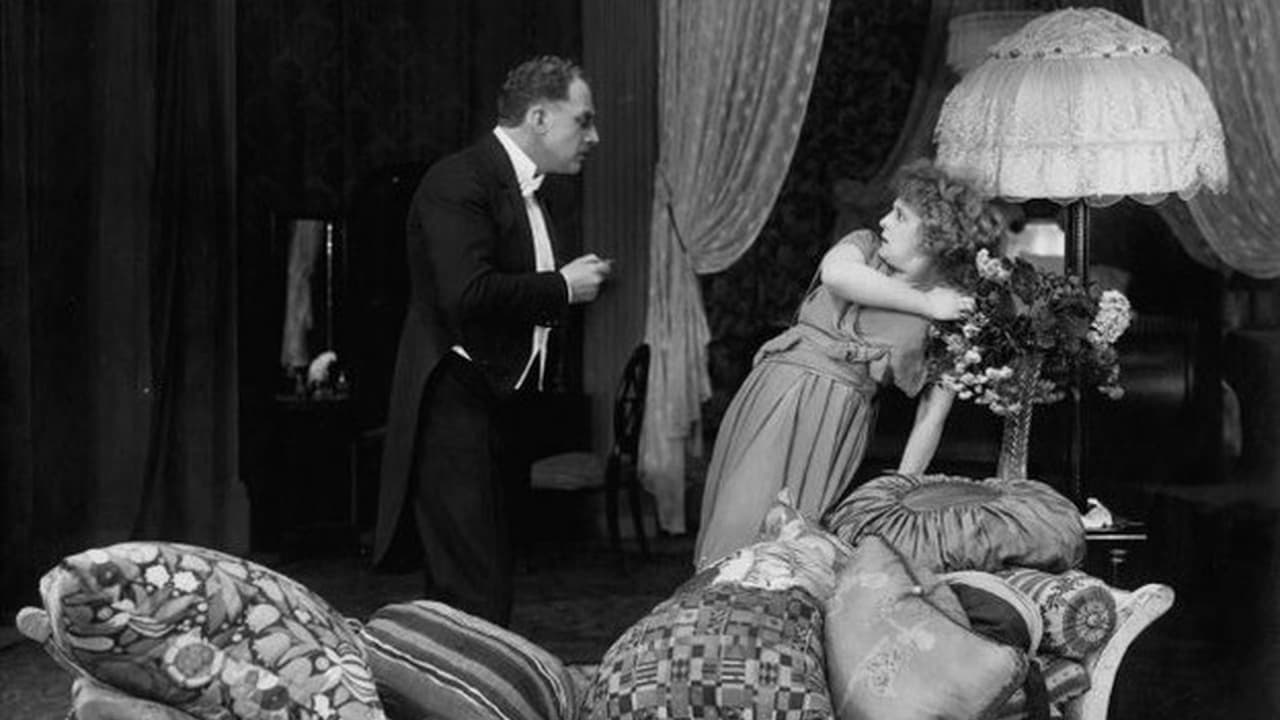
The Wandering Image
1920 · Writer, Director
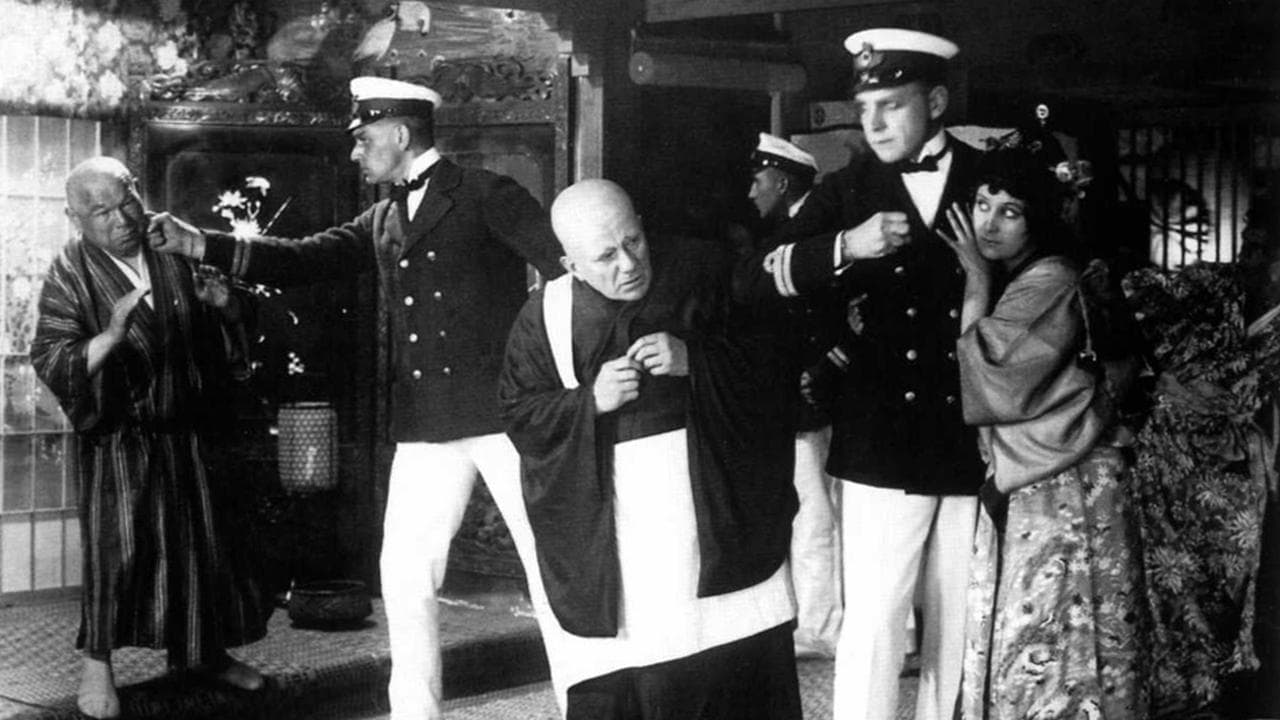
Harakiri
1919 · Director

Hilde Warren and Death
1917 · Cast, Writer
Frequently asked questions
When and where was Fritz Lang born?
Fritz Lang was born 1890-12-05 in Vienna, Austria.
What films is Fritz Lang known for?
Fritz Lang has 45 titles indexed on Movie OTT, including From Caligari to Hitler, Voyage to 'Metropolis', Conversation with Fritz Lang.
Where can I watch Fritz Lang's films?
2 of Fritz Lang's films are currently streaming, available on Acontra Plus, Acontra Plus Amazon Channel, Amazon Prime Video with Ads, Cine+ OCS Amazon Channel .
Has Fritz Lang directed any films?
Yes — Fritz Lang has 38 directorial credits indexed on Movie OTT.
How long has Fritz Lang been active?
Fritz Lang's film career on Movie OTT spans from 1917 to 2015 — 98 years of work.