


The Story of Spies: Love and Betrayal in the Shadows
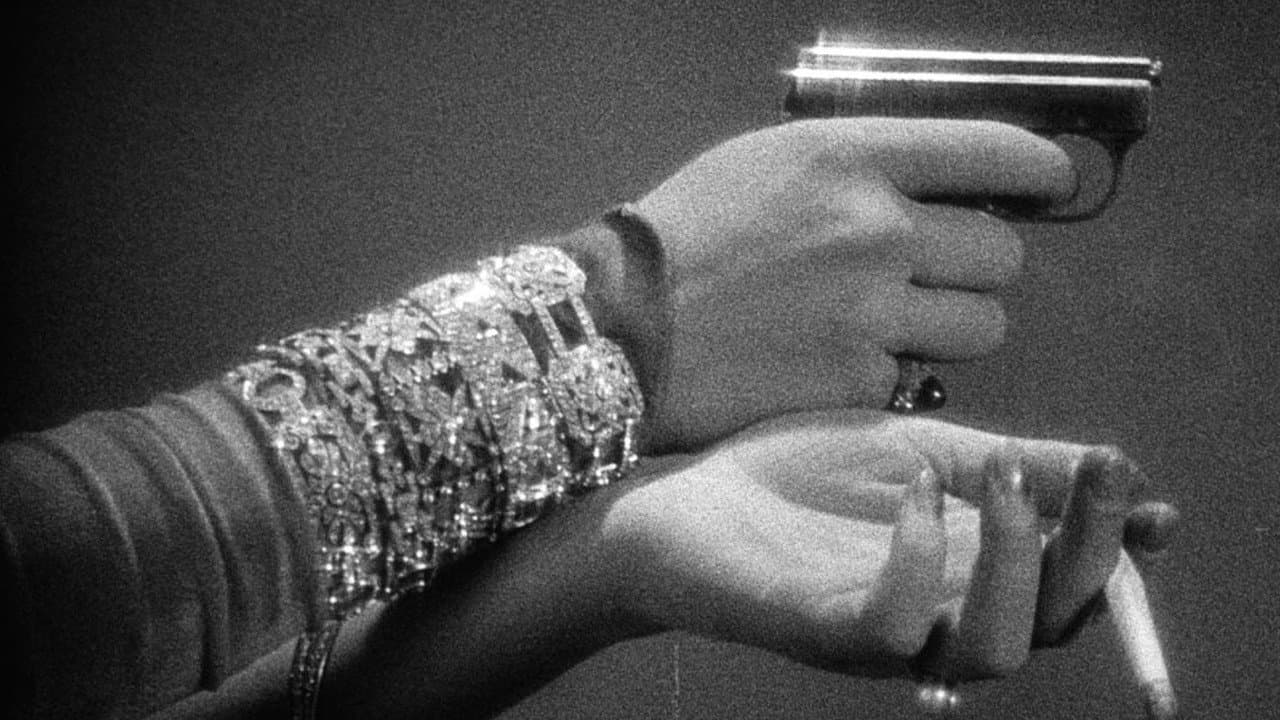
Fritz Lang's Spies unfolds in a world of shadow networks, coded messages, and double agents where trust is a luxury nobody can afford. The film centers on a vast, shadowy intelligence operation run by a brilliant mastermind—a figure of almost mythical power and reach. But that carefully constructed empire begins to crack when one of his most valuable operatives, a woman working deep within the organization, crosses paths with a dashing agent from the government's secret service. What starts as a dangerous flirtation becomes something neither of them can control or deny. As their romance blooms in stolen moments and clandestine meetings, the mastermind discovers the betrayal—and his response threatens to unravel everything. The tension between duty, desire, and survival forms the emotional core of a film that's as much about the cost of espionage as it is about the mechanics of it.
Behind the Making of Spies: Lang's First Independent Production
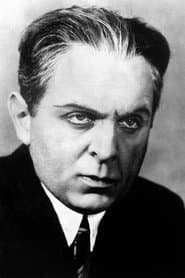
Spies holds a special place in Fritz Lang's filmography. Released in 1928, it was both his penultimate silent film and the inaugural production for his own company, Fritz Lang-Film GmbH—a bold move that gave him complete creative control over the material. Lang co-wrote the screenplay with his wife, Thea von Harbou, who would later adapt the story into a novel published in 1929. The collaboration between husband and wife behind the camera was itself a rarity in Weimar cinema, and their shared vision shaped every frame. Rudolf Klein-Rogge, who'd already become Lang's go-to actor for morally complex villains (he'd played the criminal mastermind in Dr. Mabuse: The Gambler in 1922), returns here as the shadowy intelligence chief—a role that let him explore the psychology of power and paranoia. The film runs 145 minutes, an ambitious runtime for a silent picture, but Lang uses every minute to build atmosphere and character. Shot during the final years of the silent era, Spies demonstrates that the medium hadn't exhausted its possibilities; in fact, Lang was just getting started. The production design captures the gleaming modernity of 1920s Berlin alongside the murky underworld of espionage, creating a visual world that's both seductive and menacing.
What Makes Spies Stand Out: Visual Language and Moral Ambiguity
What's striking about Spies is how Lang uses the camera itself as a storytelling tool. He doesn't just show you events; he makes you feel the paranoia, the surveillance, the constant threat of exposure. The editing is razor-sharp—rapid cuts during moments of tension, lingering shots during scenes of emotional vulnerability. There's a sequence where the mastermind watches his operatives through hidden cameras, and the way Lang frames it—splitting the screen, layering the images—creates a sense of inescapable scrutiny that's genuinely unsettling. Klein-Rogge's performance is masterful; he plays the villain not as a ranting tyrant but as a calculating intelligence operator whose greatest weapon is his ability to see everything and trust no one. The romance between the two agents works because it's not sentimental—it's desperate, almost doomed from the start, and that fatalism gives it weight. I keep coming back to how Lang refuses to let anyone off the hook morally. The government agents aren't heroes, exactly. The female spy isn't a victim. Everyone's compromised, everyone's been corrupted by the game they're playing. That moral complexity—where there's no white hat to root for, just varying shades of gray—was ahead of its time and remains one of the film's most compelling qualities. The IMDb community has rated it 7.4/10, a solid assessment that reflects both its technical brilliance and its refusal to offer easy answers.
Where to Stream Spies Online
Spies is currently available on major OTT services, and you can check the "Where to Watch" widget at the top of this page to see which platforms are carrying it in your region right now. Since this is a 1928 silent film in the public domain in many territories, availability can shift—some streaming services rotate classic films seasonally, while others keep them in their permanent catalog. If you're planning to watch it, I'd recommend checking Movie OTT before you settle in, since the site tracks real-time availability across platforms and can save you the frustration of hunting through five different apps. Silent films often benefit from a good transfer and thoughtful restoration work, so if you have a choice between platforms, look for one that's invested in a clean print. The film's 145-minute runtime means you'll want to set aside a solid evening—but it's worth the commitment.
Frequently Asked Questions
Q: Who directed Spies and when was it released?
Fritz Lang directed Spies in 1928. It was his first film made under his own production company, Fritz Lang-Film GmbH, and marked a significant moment of creative independence for the German filmmaker.
Q: Is Spies a silent film?
Yes, Spies is a silent film—Lang's penultimate work in that medium before sound cinema took over. There's no dialogue, but the visual storytelling and (in most restorations) a carefully curated score make it remarkably engaging by modern standards.
Q: What's the plot of Spies about?
The film follows a master criminal who runs a vast spy operation. Trouble erupts when one of his female operatives falls in love with a government secret service agent, threatening to expose the entire network. It's part espionage thriller, part doomed romance.
Q: Who plays the main villain in Spies?
Rudolf Klein-Rogge plays the mastermind intelligence chief. He'd worked with Lang before in Dr. Mabuse: The Gambler and became the director's favorite actor for morally complex criminal roles.
Q: How long is Spies?
The film runs 145 minutes, which is a substantial runtime even by today's standards. It was an ambitious length for a silent picture, but Lang uses the time to build atmosphere and character development.
Final Thoughts on Spies
If you're curious about the roots of the spy thriller genre—or you just want to see a master filmmaker operating at peak creative power—Spies is essential viewing. It's not a museum piece; it's a living, breathing film that still knows how to build tension and complicate your sympathies. Lang understood that espionage isn't glamorous; it's corrosive. It eats away at everyone it touches. That insight, combined with his visual genius, makes Spies a film that rewards your attention. Settle in with the lights low, give it your full focus, and let Lang pull you into his shadowy world. You won't regret it.