
The story of The Wandering Image and its tangled web of secrets
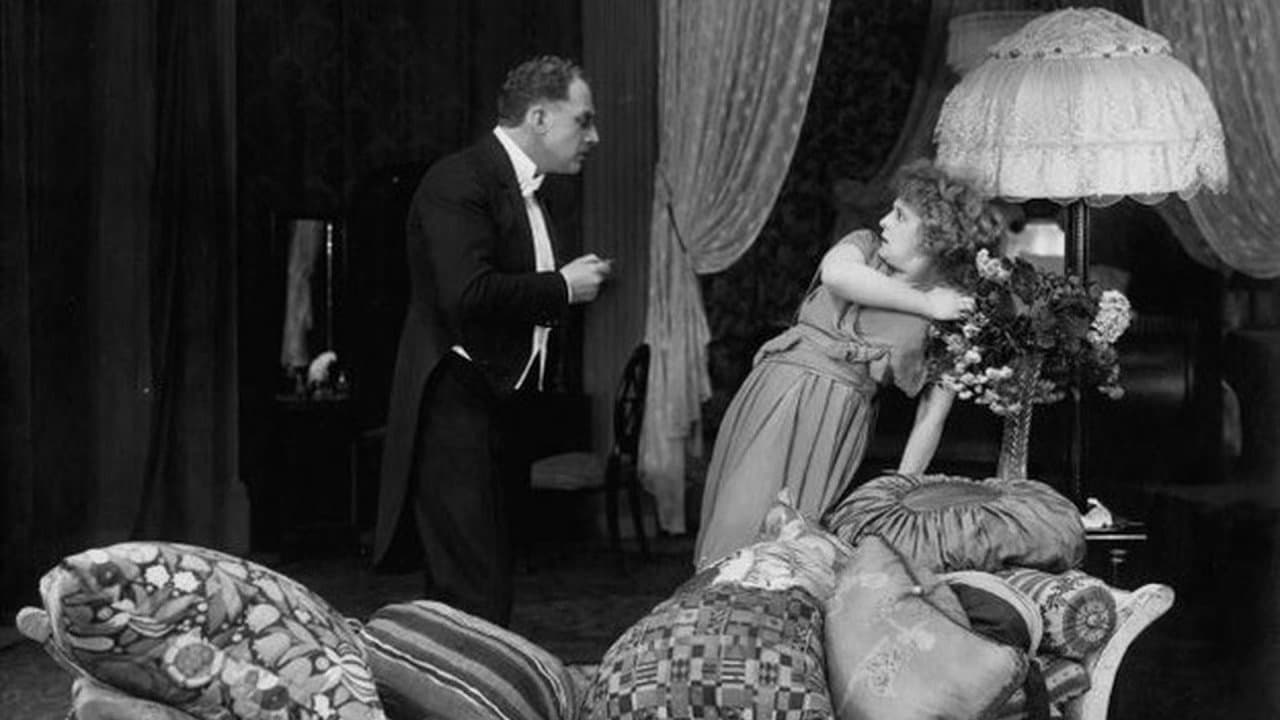
The Wandering Image opens on a choice born from desperation. Irmgard finds herself pregnant by Georg, a man devoted to free-love ideals—the kind of bohemian philosophy that scandalized Weimar-era society. Rather than face shame and ruin, she hatches a dangerous plan: marry Georg's twin brother, John, who'll pose as Georg at the altar. It's a gamble. A single ceremony, a false identity, and suddenly the child has a name, a father (on paper), respectability. But then Georg vanishes. He's declared dead. And Irmgard discovers too late that she's trapped not with a helpful brother-in-law, but with a man consumed by obsession—John, who's fallen hopelessly in love with her. What began as a practical deception becomes a prison. Years pass. John's grip tightens. And when Irmgard can't bear it anymore, she runs—into the mountains, where a stranger offers shelter and, perhaps, a chance at freedom.
This isn't a plot you'd expect from a 1920 film. It's psychologically complex, morally murky, and deeply uncomfortable in ways that still land today. The Wandering Image doesn't offer easy answers about who deserves sympathy or whether Irmgard's lie was justified. That moral ambiguity is what makes it linger.
Behind the making of The Wandering Image and its place in silent cinema
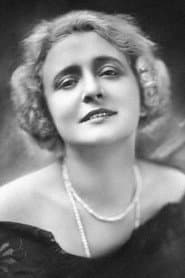
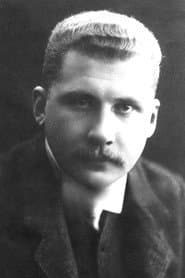
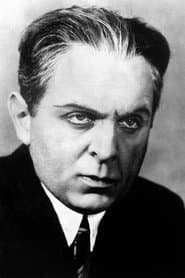
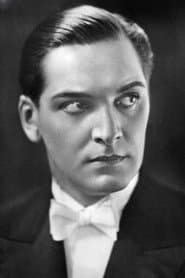
Fritz Lang directed The Wandering Image during a remarkably fertile period of his career. By 1920, Lang was already establishing himself as a master of visual storytelling—a director who understood that silent cinema demanded precision, atmosphere, and the kind of compositional genius that could convey inner turmoil without a single word of dialogue. The film was produced by May-Film, a significant German studio of the era, and starred Mia May in the lead role alongside Hans Marr and Rudolf Klein-Rogge, all accomplished performers of the silent screen. The 67-minute runtime was substantial for its day, allowing Lang to unfold the narrative with patience and psychological depth rather than rushing through plot points.
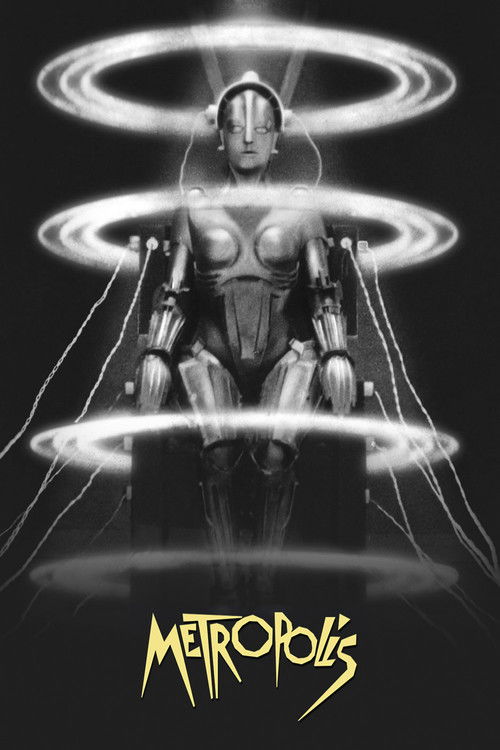
While The Wandering Image didn't achieve the monumental fame of Lang's later masterpieces like Metropolis or M, it remains a crucial artifact of 1920s German cinema—a period when the country's film industry was producing some of the world's most innovative work. The film exists in that fascinating window between Expressionism and psychological realism, where sets and shadows served as extensions of character emotion. According to historical records, the film was released under several alternative titles—The Wandering Picture and The Wandering Shadow among them—a common practice for silent films being distributed across multiple territories. The IMDb rating of 6.1/10 reflects its status as a respected but not universally beloved work, the kind of film that appeals most to serious students of cinema history and those interested in how Lang developed his craft before his most celebrated achievements.
What makes The Wandering Image stand out among silent dramas
What's striking about The Wandering Image is how it refuses to let anyone off the hook. Irmgard isn't a pure victim—she made a choice, even if it came from survival instinct. Georg isn't a villain; he's absent, which is its own kind of cruelty. And John? He's perhaps the most tragic figure of all: a man who tried to help and became a captor, driven by a passion he can't control. This refusal to simplify character motivation was distinctly modern for 1920, and it's what separates the film from melodrama. Lang understood something crucial: the most interesting human conflicts aren't between good and evil, but between people who want incompatible things and can't articulate why.
Mia May's performance carries the entire film. Without dialogue, she had to convey Irmgard's mounting dread, her resignation, her desperation—and crucially, her complicity in her own predicament. There's a scene (I won't spoil the exact moment) where her face registers the dawning horror that she's created a situation that can't be undone, and it's done entirely through the subtle shift of her eyes and the set of her jaw. That's silent acting at its best. The technical craft is equally impressive; Lang uses deep focus and layered composition to create psychological space within the frame, making rooms feel like traps and landscapes like both escape and exile. The mountains in the final act aren't just scenery—they're a visual metaphor for the distance Irmgard needs between herself and the life she's constructed.
For anyone tracking the evolution of psychological drama in cinema, The Wandering Image deserves attention. It shows a director learning to use the grammar of film—shadows, composition, performance—to explore the kind of interior conflict that novels had been examining for centuries. Movie OTT helps viewers navigate where these essential silent films are currently streaming, making it easier to trace the lineage of modern psychological thrillers back to their roots in Weimar cinema.
Where to stream The Wandering Image online
The Wandering Image is available on major OTT services, though availability varies by region and changes seasonally. Check the Where to Watch widget at the top of this page to see which platforms currently have the film in your area. Silent films from the 1920s have become increasingly accessible in recent years as restoration efforts have improved print quality and streaming services have expanded their classic film catalogs. Movie OTT's streaming tracker makes it simple to find where older titles are available without having to search multiple platforms individually. If you're a subscriber to services that specialize in classic and international cinema, there's a good chance The Wandering Image is already in your library.
Frequently asked questions
Q: Who directed The Wandering Image?
Fritz Lang directed The Wandering Image in 1920. This was during his early period, before he became famous for Metropolis and M, but it shows the psychological sophistication that would define his later work.
Q: Is The Wandering Image based on a true story?
No, it's an original screenplay created for the screen. However, it reflects real social anxieties of the 1920s Weimar period—concerns about illegitimacy, marriage, and the clash between traditional morality and modern ideas about love and freedom.
Q: How long is The Wandering Image?
The film runs 67 minutes, a substantial length for a 1920 silent drama that allows Lang to develop the psychological complexity of the story without rushing.
Q: What are the alternative titles for this film?
The Wandering Image is also known as The Wandering Picture and The Wandering Shadow, depending on which version or distribution you encounter.
Q: Why would I watch a 1920 silent film today?
If you're interested in how cinema learned to tell psychological stories, how actors conveyed emotion without dialogue, or how directors used visual composition to create mood and meaning, The Wandering Image is essential. It's also just a genuinely gripping narrative about people trapped by their own choices.
Final thoughts on The Wandering Image
The Wandering Image won't be for everyone. Silent films demand patience, and psychological dramas without clear moral resolution can feel unsatisfying to viewers expecting traditional narrative closure. But if you're willing to meet it on its own terms—to sit with discomfort, to read performance in facial expressions, to let visual storytelling do the heavy lifting—there's something genuinely moving here. A woman running into mountains. A lie that became a life. The impossible weight of consequences. These aren't dated concerns. They're human ones. The film's 6.1 rating on IMDb reflects its status as a work for enthusiasts rather than casual viewers, and that's fine. Not every great film needs to be universally loved. Some are meant to haunt the people who find them.