Actor
Jack Palance
28 films on Movie OTT · Active 1953–2002
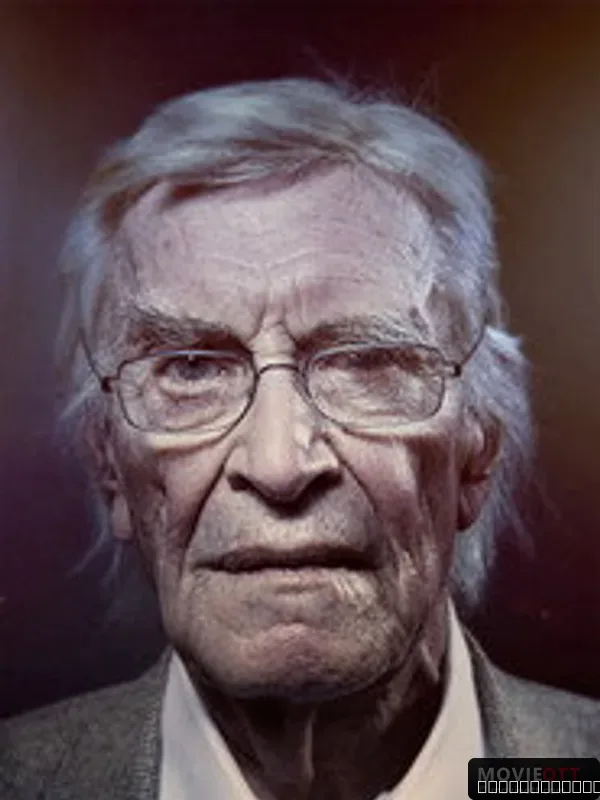
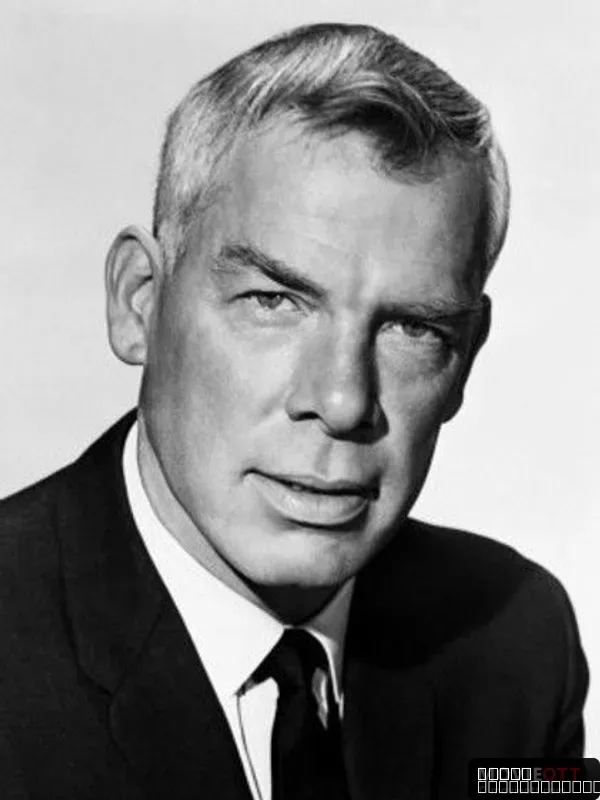
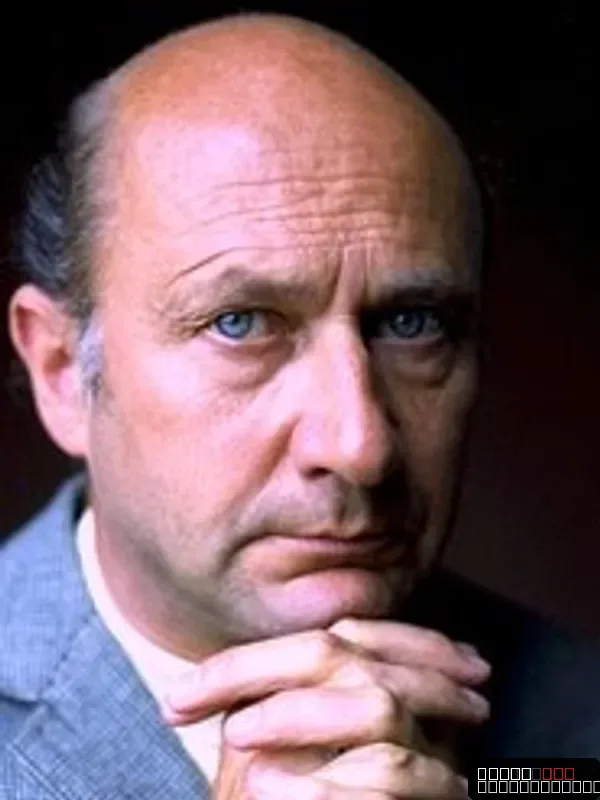
Jack Palance was born Volodymyr Palahniuk on February 18, 1919, in Lattimer Mines, Pennsylvania, the son of Ukrainian immigrant coal miners. That origin — hard-scrabble, physical, rooted in labor — never really left him, and you can feel it in nearly every performance he gave across five decades of film. He's best known for the kind of roles that don't ask for sympathy: gunfighters, criminals, mercenaries, men who occupy a scene through sheer physical threat rather than dialogue. Broad-shouldered, with a face that looked like it had been carved rather than born, Palance became one of Hollywood's most distinctive character presences, capable of stealing a film from its nominal star without appearing to try.
About Jack Palance
Jack Palance was born Volodymyr Palahniuk on February 18, 1919, in Lattimer Mines, Pennsylvania, the son of Ukrainian immigrant coal miners. That origin — hard-scrabble, physical, rooted in labor — never really left him, and you can feel it in nearly every performance he gave across five decades of film. He's best known for the kind of roles that don't ask for sympathy: gunfighters, criminals, mercenaries, men who occupy a scene through sheer physical threat rather than dialogue. Broad-shouldered, with a face that looked like it had been carved rather than born, Palance became one of Hollywood's most distinctive character presences, capable of stealing a film from its nominal star without appearing to try.
His breakthrough came early and it came hard. A 1952 Academy Award nomination for Best Supporting Actor in Shane — playing the cold-eyed hired gun Wilson — announced him as something the industry hadn't quite seen before. Wilson doesn't monologue. He doesn't explain himself. He walks into a muddy frontier street, waits, and shoots a man who doesn't want to draw. What's striking is how little Palance does in that scene and how completely it dominates the film. He received a second nomination the same year for Sudden Fear, which is a remarkable thing to happen to any actor, let alone one still finding his footing in Hollywood. Those twin nominations in a single awards cycle set the terms for his entire career: intensity, economy, and a screen presence that directors kept wanting to put to use even when the material didn't deserve it.
Through the late 1950s and 1960s, Palance worked steadily across war films, westerns, and international productions — the kind of mid-century genre work that doesn't always get its due. He wasn't chasing prestige. He was working, and working seriously, often in European co-productions that gave him more room than the studio system typically allowed. He had a genuine range that his tough-guy reputation sometimes obscured; he did television, theater, and even a stint as host of the documentary series Ripley's Believe It or Not in the 1980s, which introduced him to a whole generation that hadn't grown up with Shane.
Ten Seconds to Hell, the 1959 Robert Aldrich picture in which Palance stars alongside Jeff Chandler as a German bomb-disposal expert in postwar Berlin, sits in an interesting place in his filmography — it's not the film people cite first when they talk about him, but it's got that same quality his best work has, a kind of coiled tension that doesn't need to announce itself. Aldrich knew how to use him. By 1974, Palance was appearing in British horror productions like Craze, a genuinely strange film in which he plays a collector whose devotion to a fetish idol tips into murder. Craze isn't a great film (it can't quite decide what it wants to be), but Palance commits to it fully, the way he tended to commit to things regardless of the budget or the script's ambitions.
He won the Academy Award for Best Supporting Actor in 1992 for City Slickers — a comic performance that surprised people who'd only known him as a heavy, and his one-armed push-up acceptance speech became one of those moments that takes on a life of its own. Hard to say if it helped or complicated how his earlier work gets remembered, but it cemented a late-career goodwill that was genuinely earned. Jack Palance died in November 2006. He left behind a filmography that rewards attention: not a body of work built around a single masterpiece, but one shaped by consistency, physicality, and a refusal to phone it in.
Currently streaming
8 of 28 on platformsFilmography
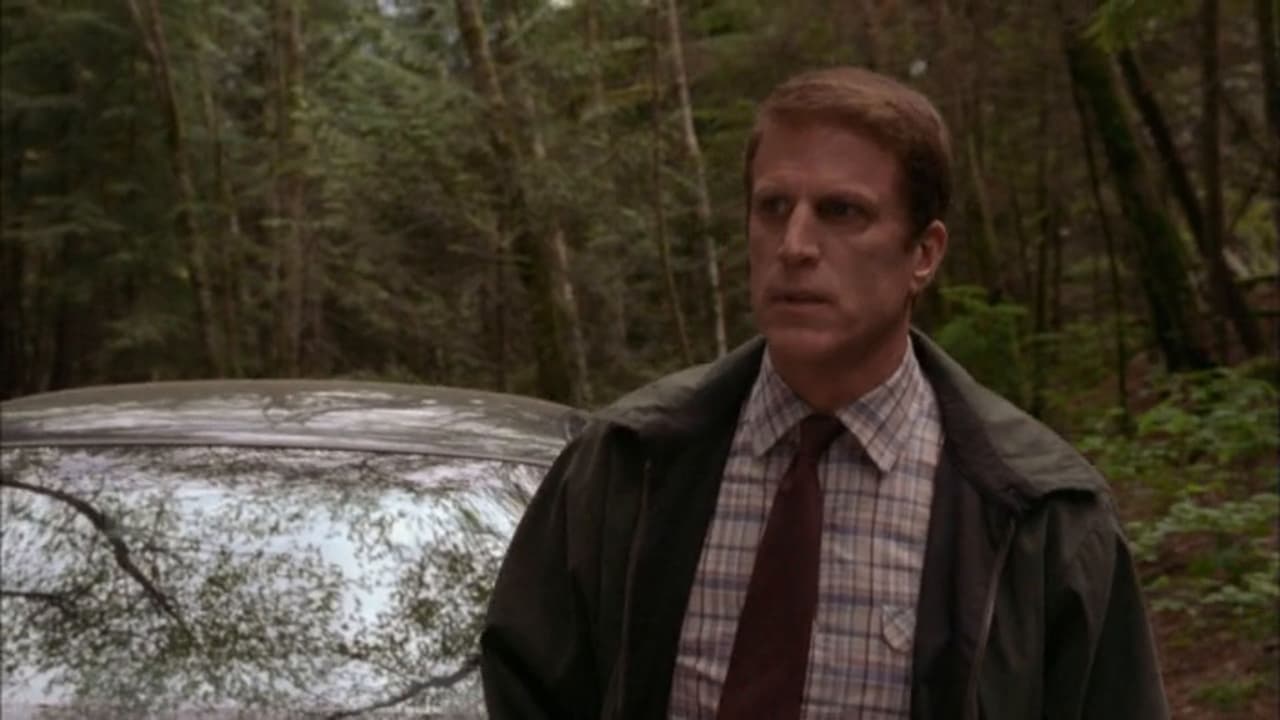
Living with the Dead
2002 · Allan Van Praagh
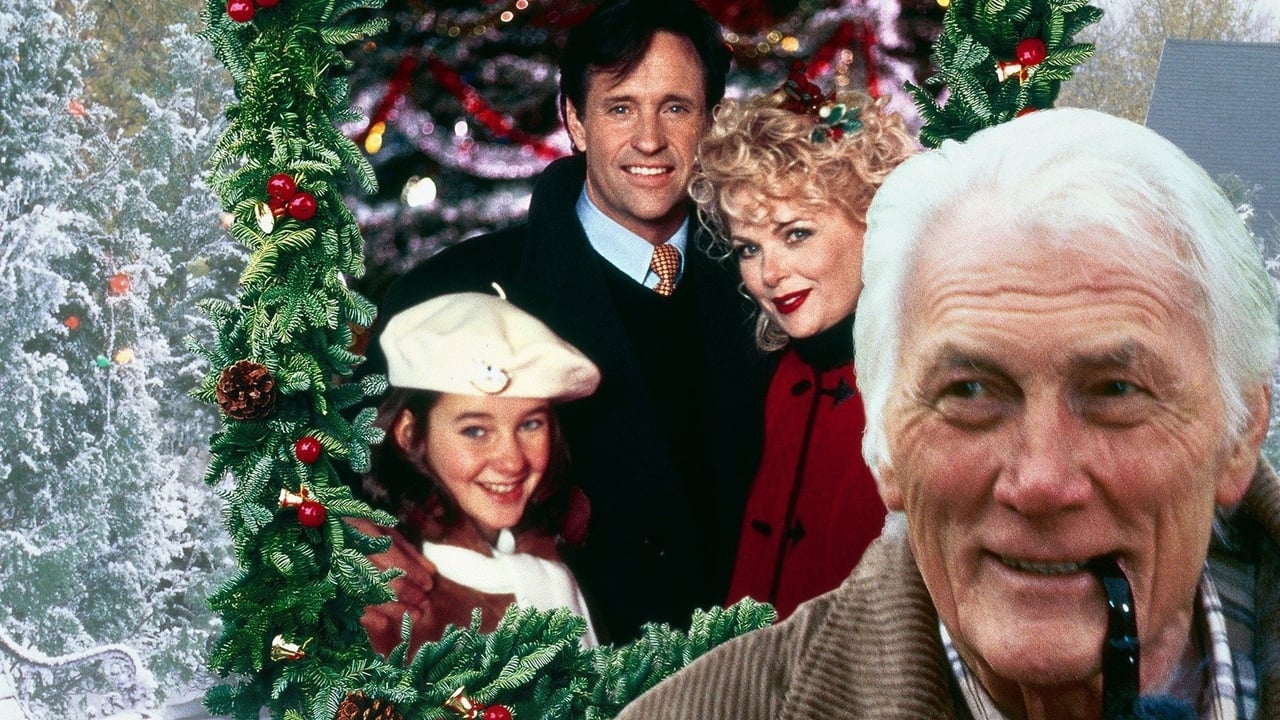
I'll Be Home For Christmas
1997 · Bob Greiser

Buffalo Girls
1995 · Bartle Bone

The Swan Princess
1994 · Lord Rothbart (voice)
The Twilight Zone: Rod Serling's Lost Classics
1994 · Dr. Jeremy Wheaton (segment "Where the Dead Are")
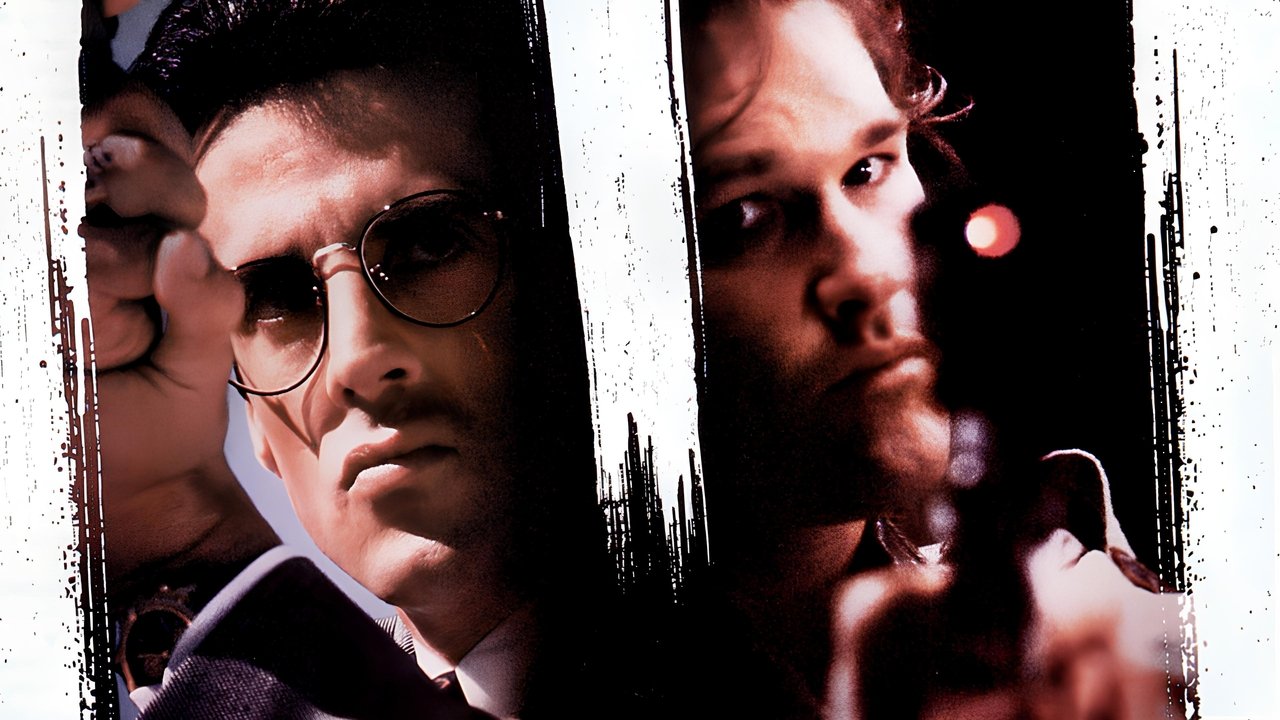
Tango & Cash
1989 · Yves Perret
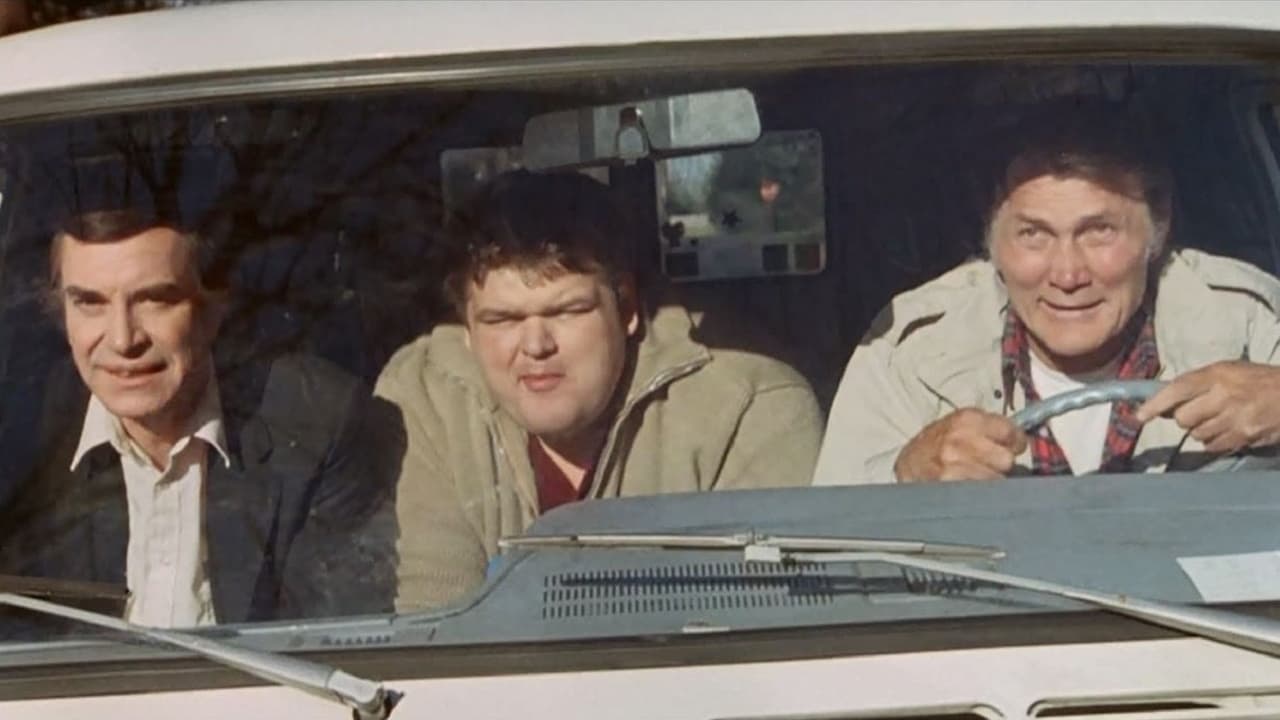
Alone in the Dark
1982 · Frank Hawkes
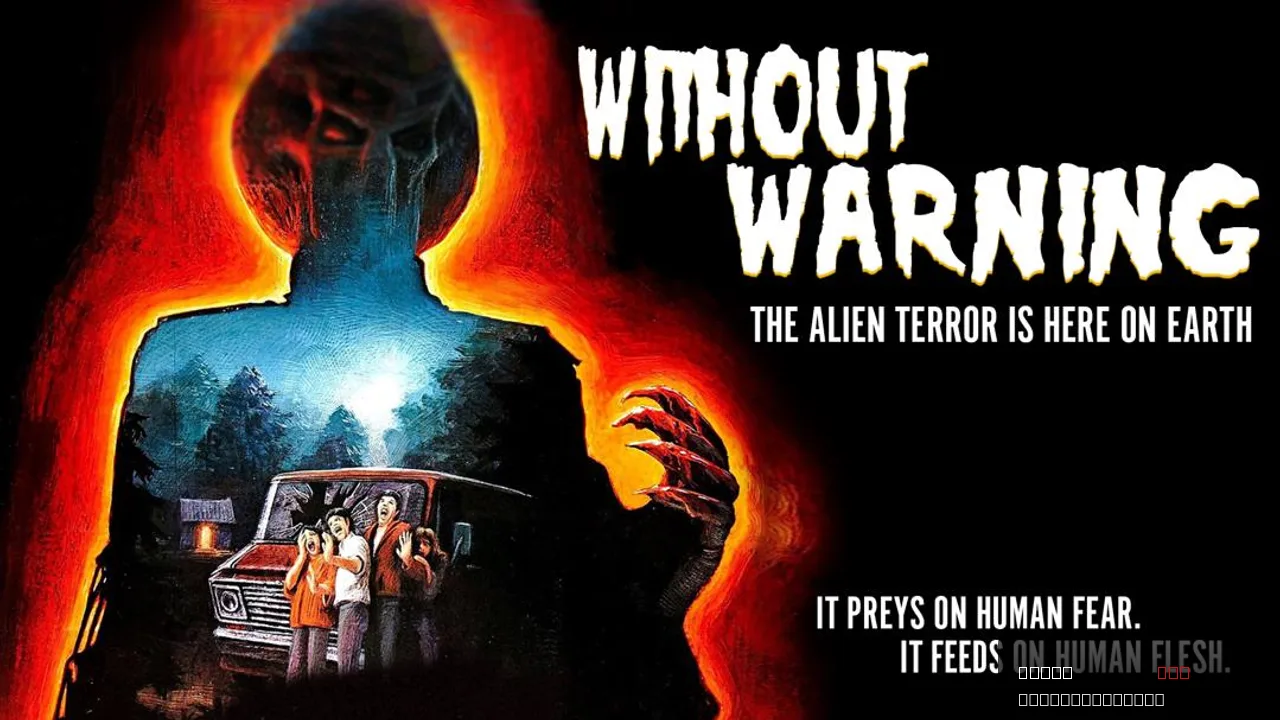
Without Warning
1980 · Cast
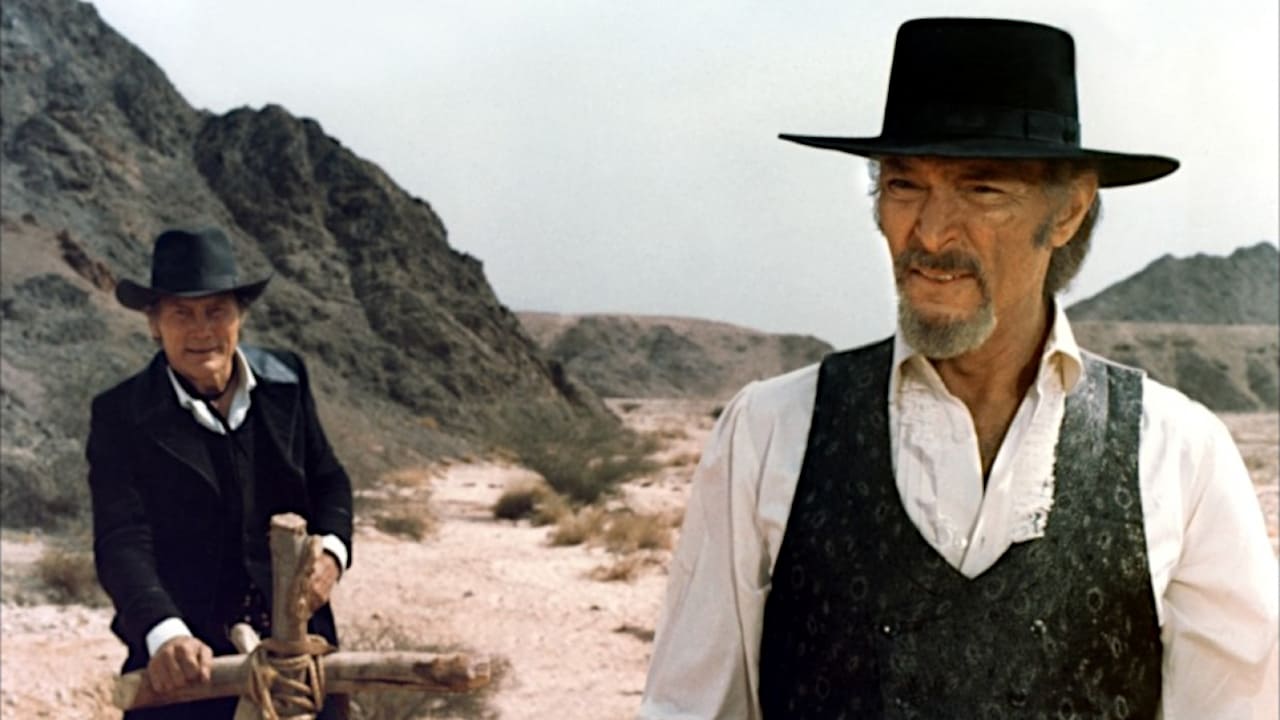
God's Gun
1976 · Sam Clayton
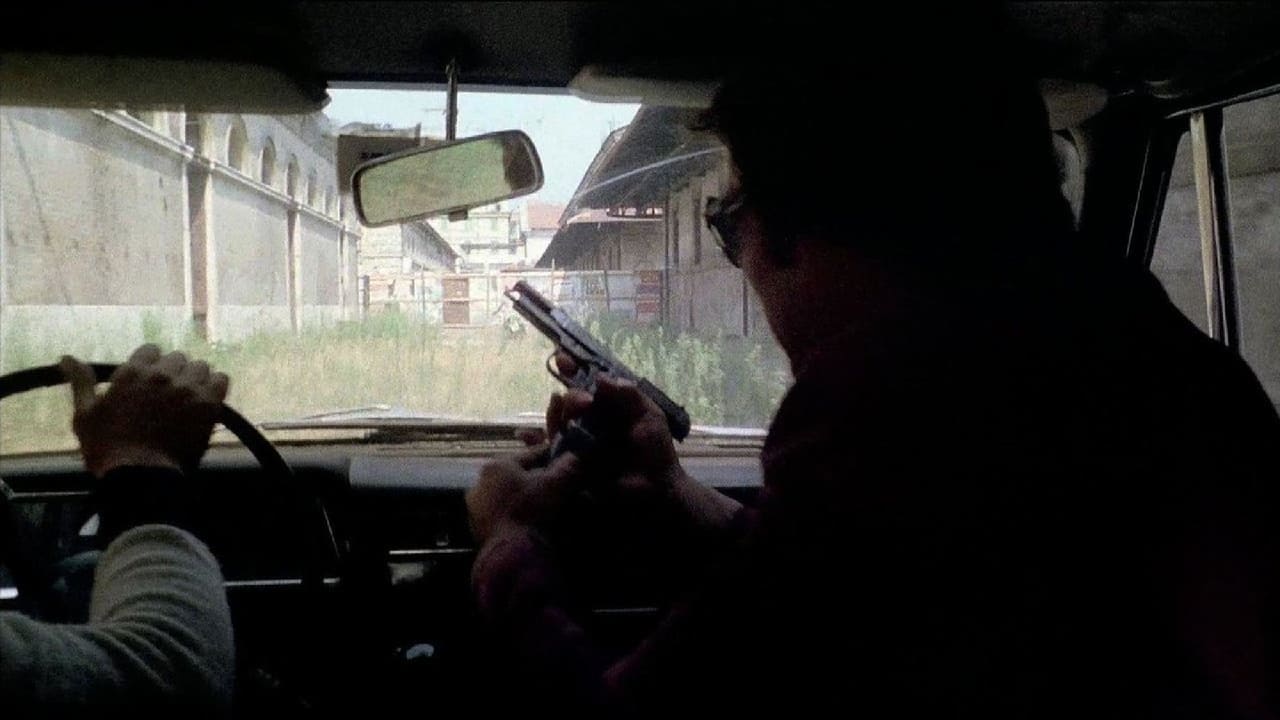
Rulers of the City
1976 · Scarface' Manzari
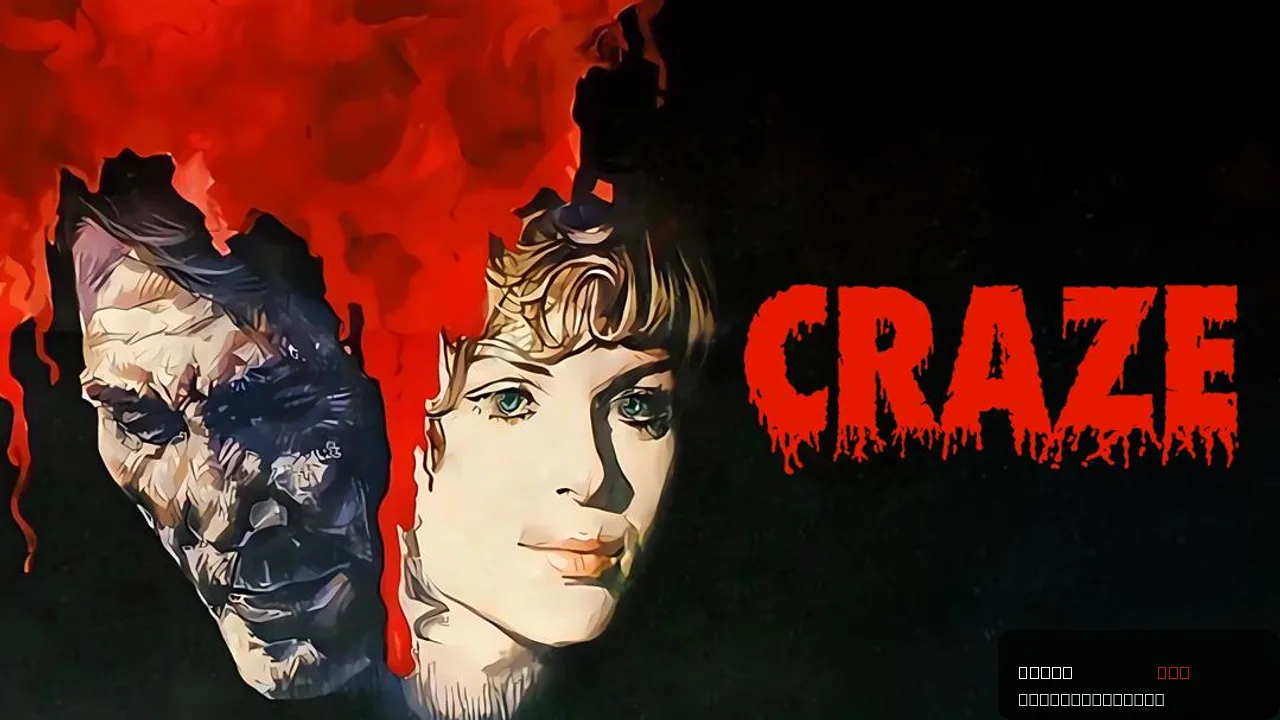
Craze
1974 · Cast
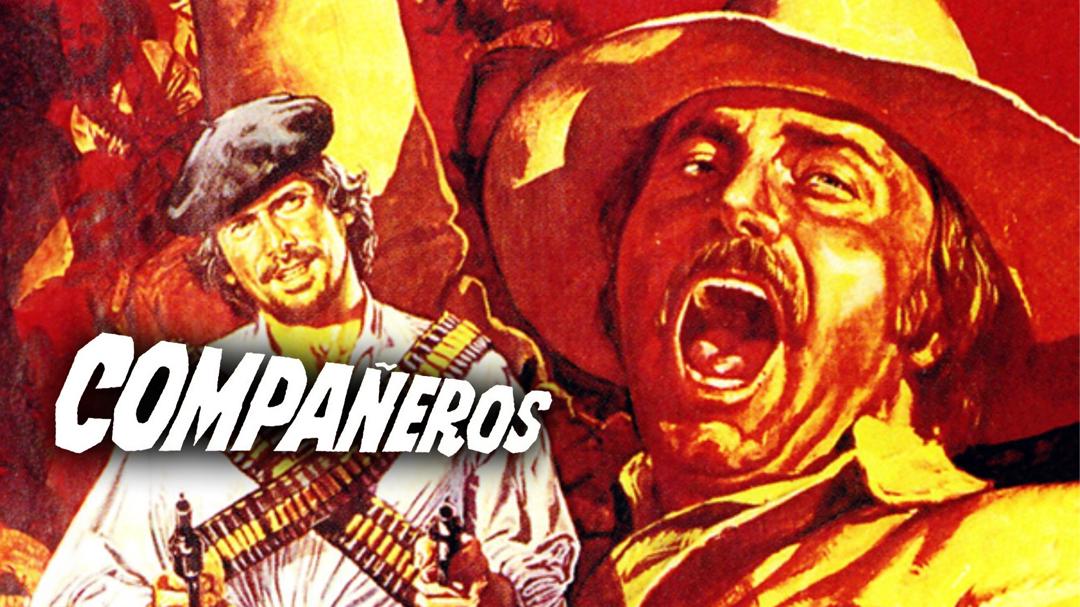
Compañeros
1970 · Cast
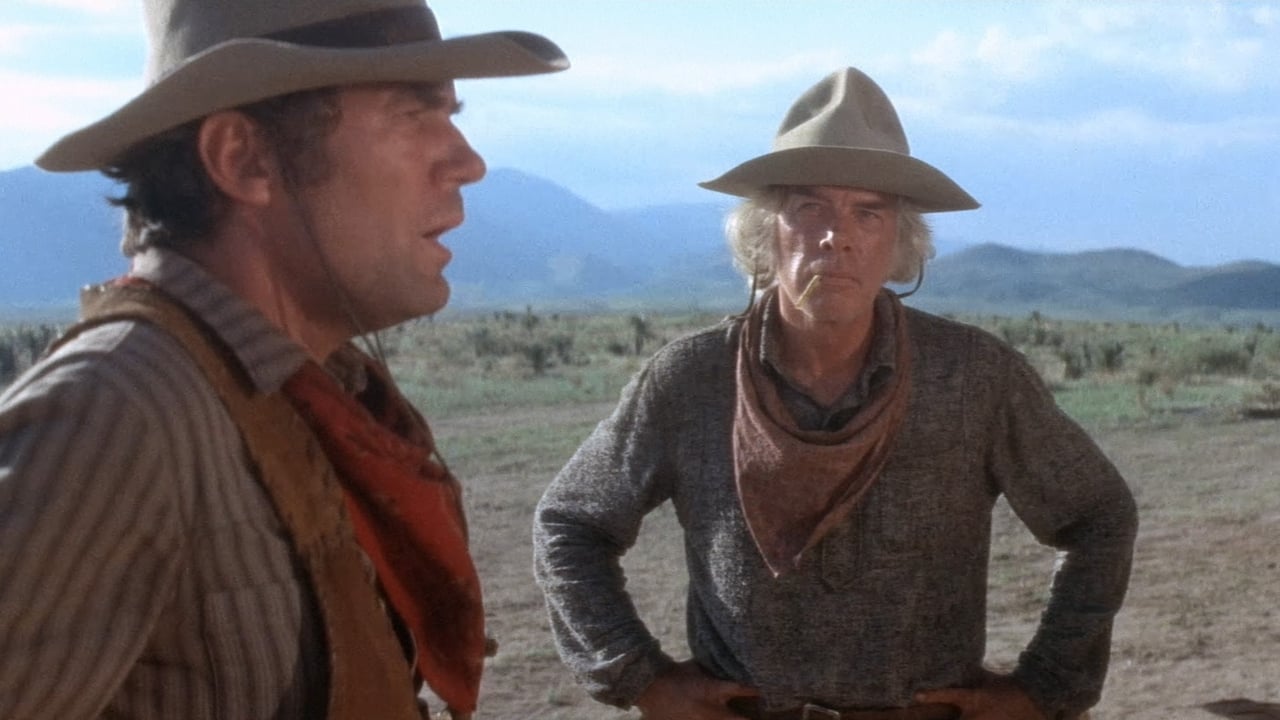
Monte Walsh
1970 · Chet Rollins
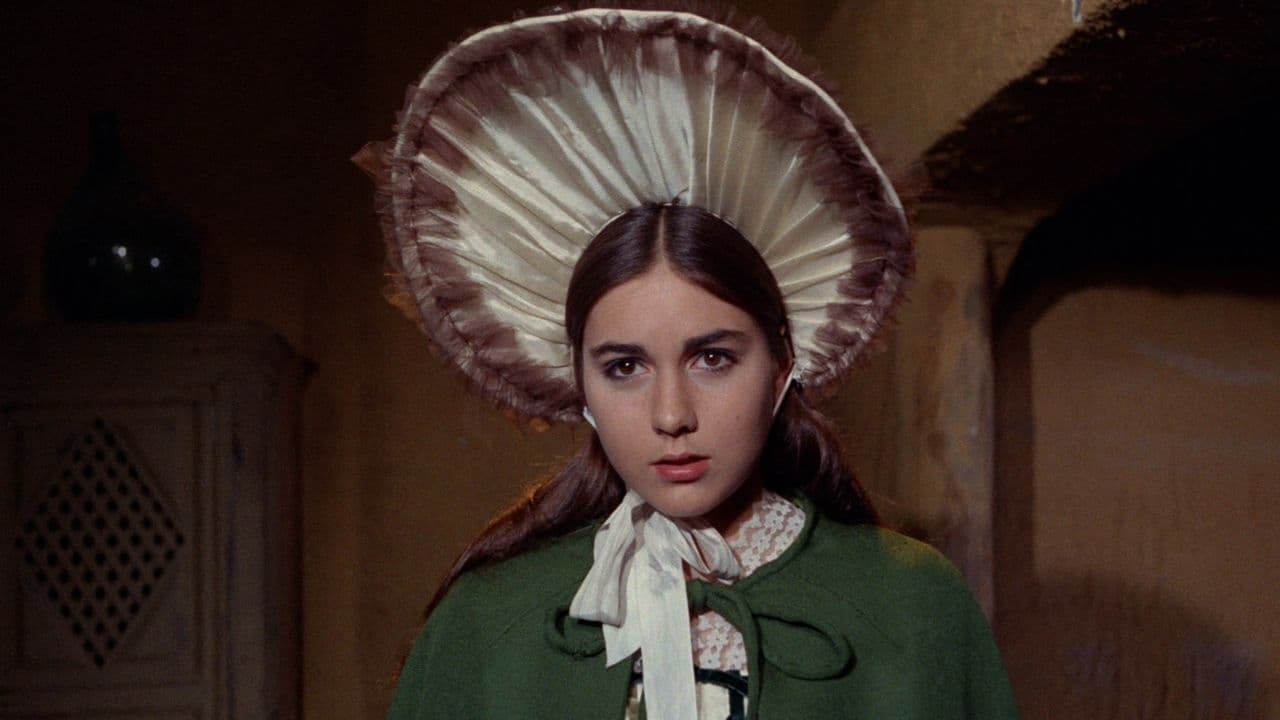
Marquis de Sade: Justine
1969 · Antonin

A Bullet for Rommel
1969 · Cast
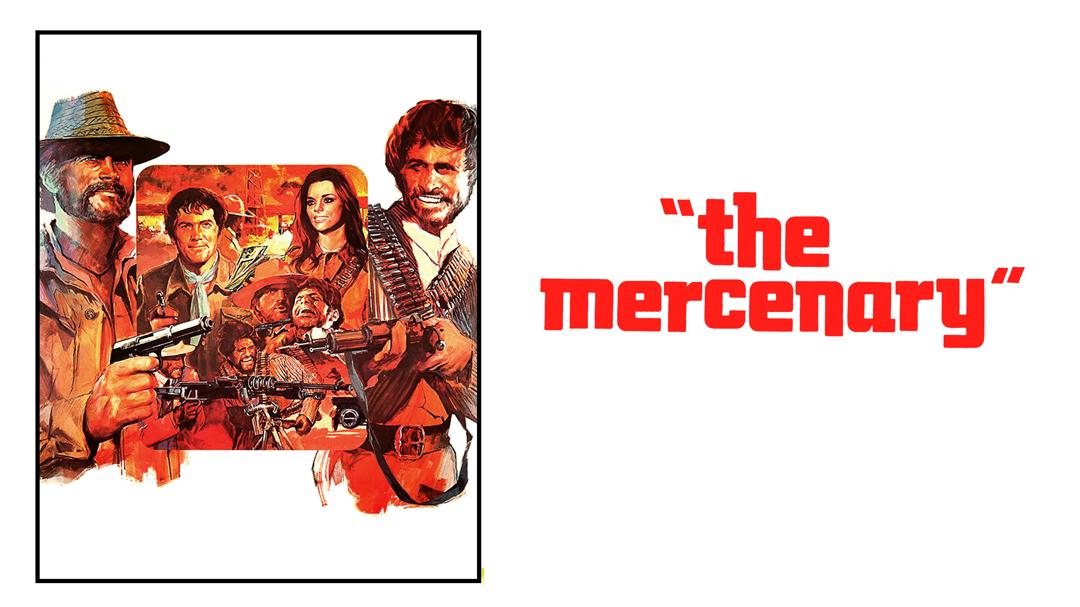
The Mercenary
1968 · Cast
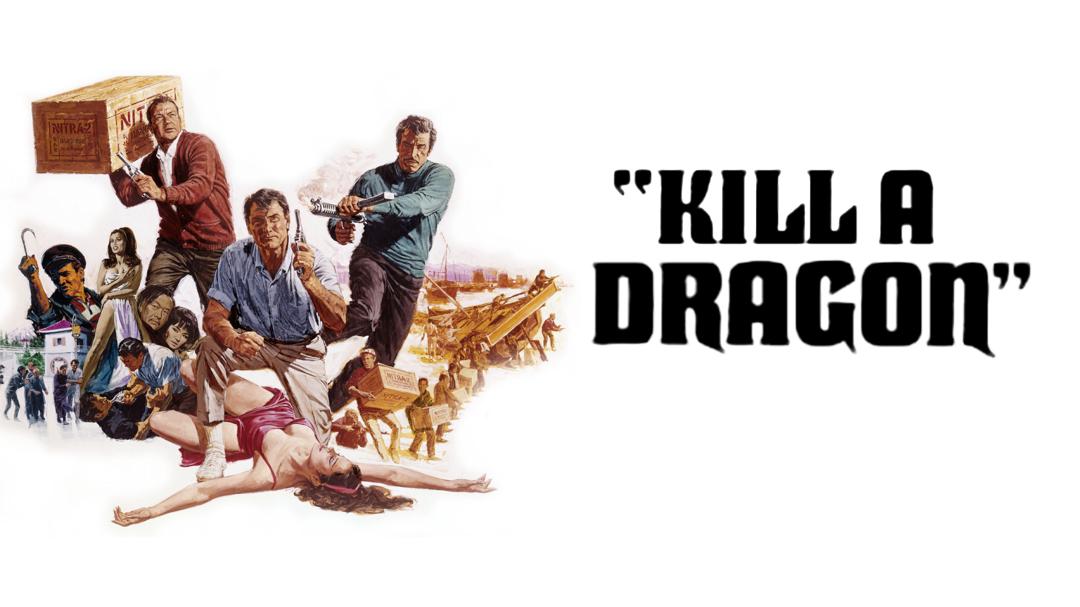
Kill a Dragon
1967 · Cast
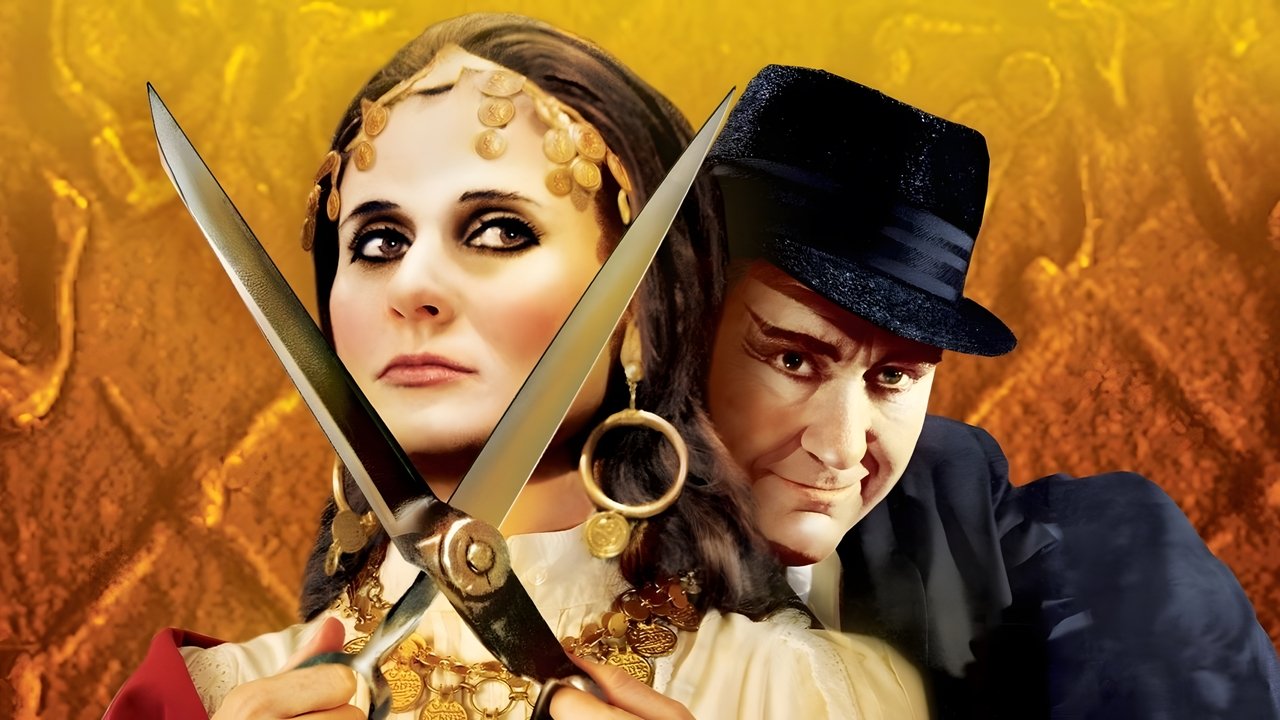
Torture Garden
1967 · Ronald Wyatt (segment 4 "The Man Who Collected Poe")
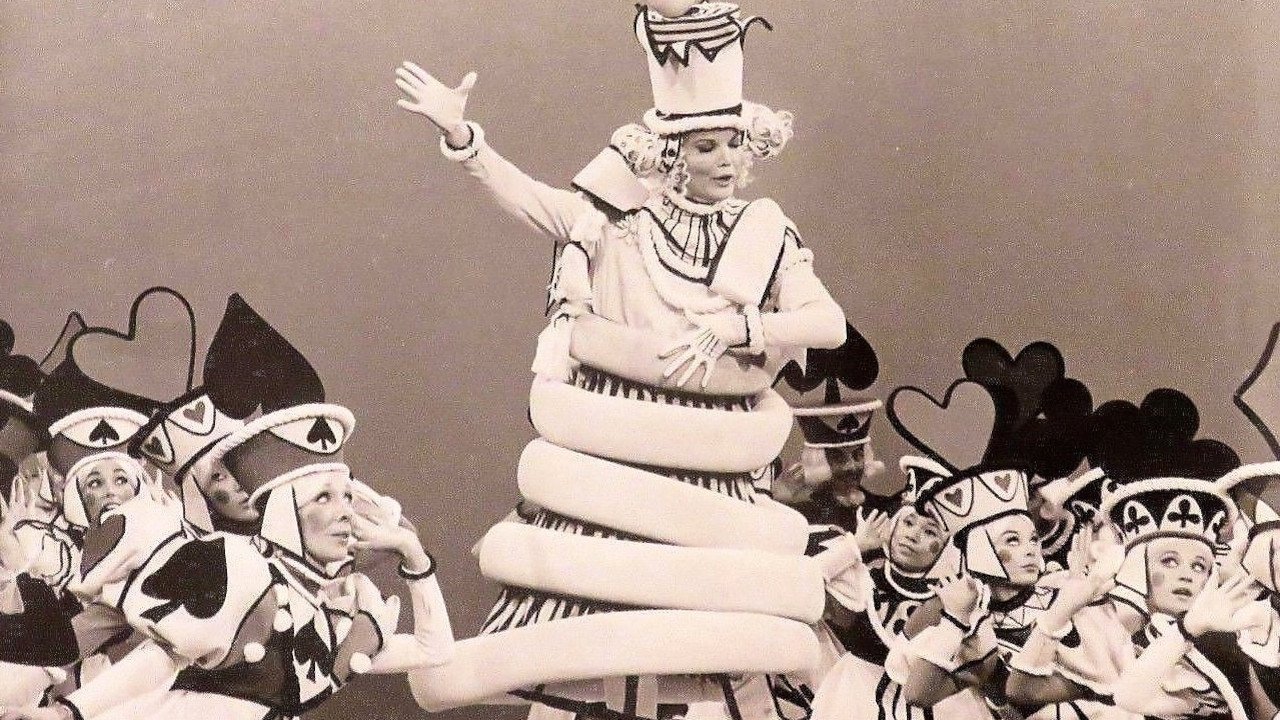
Alice Through the Looking Glass
1966 · Jabberwock
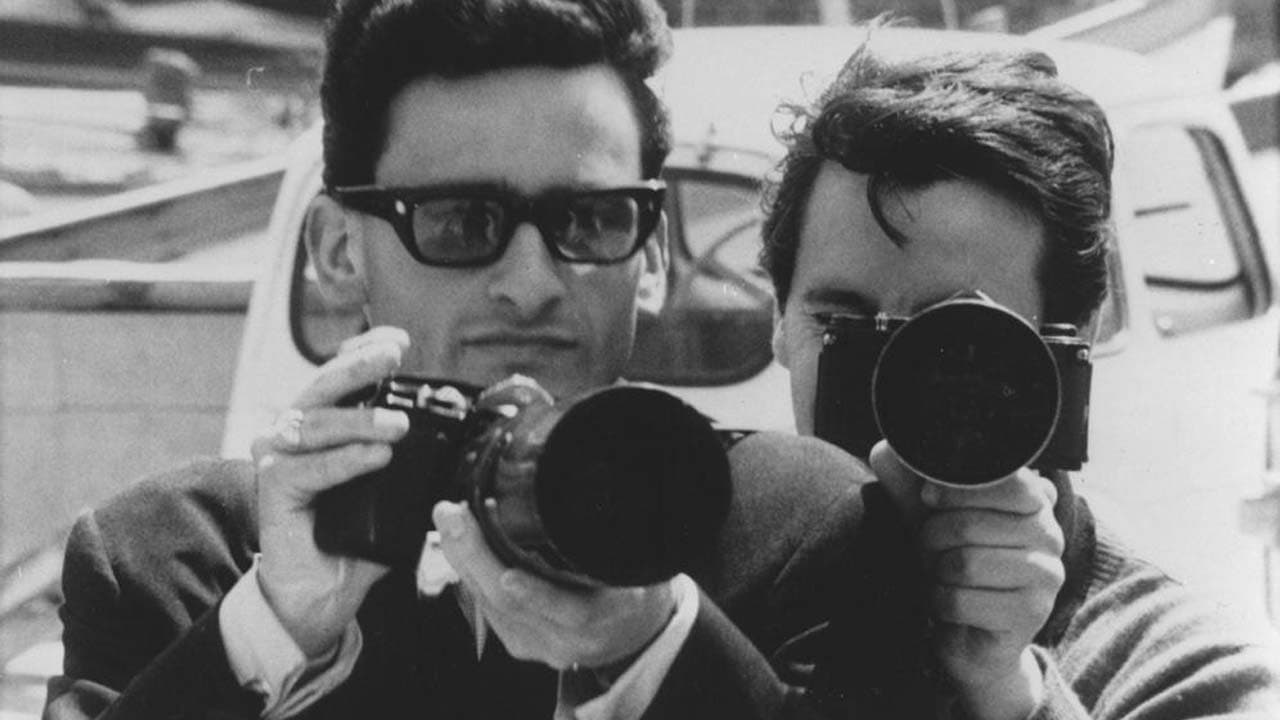
Paparazzi
1964 · Self
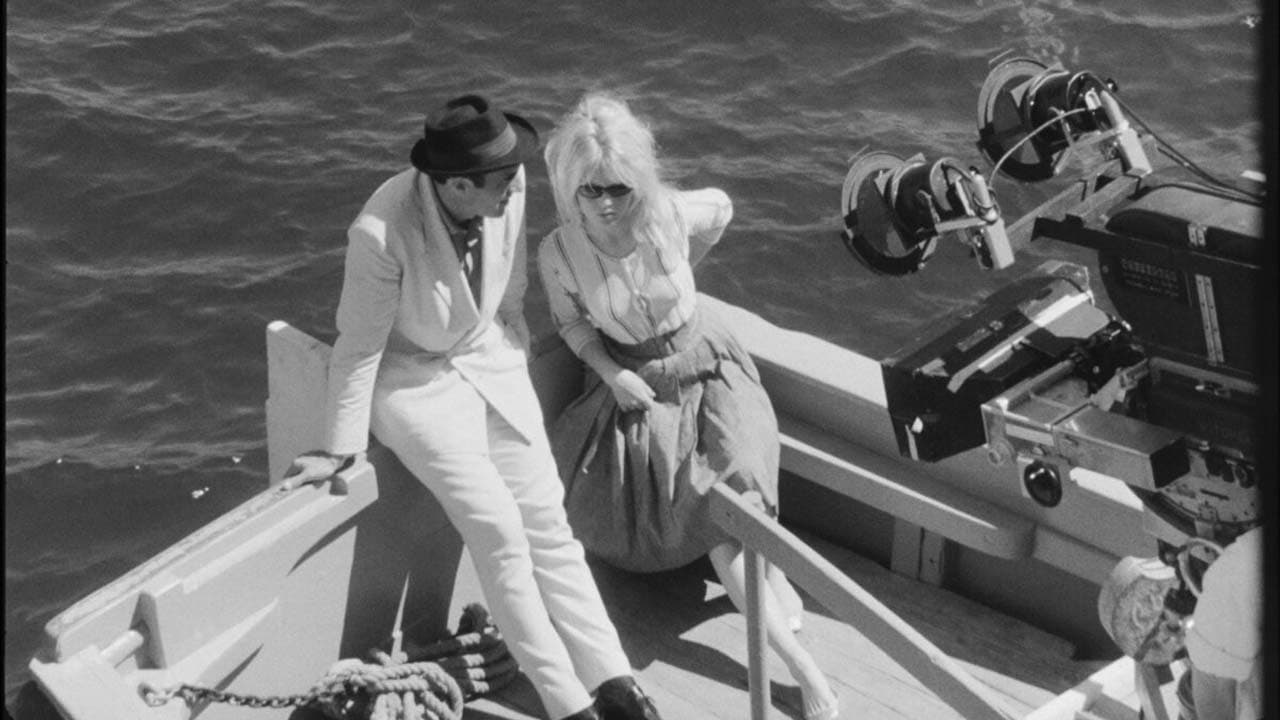
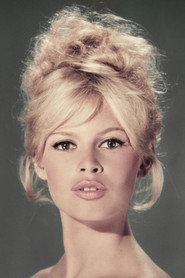
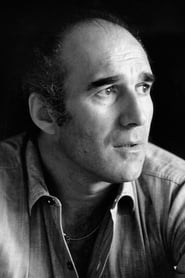
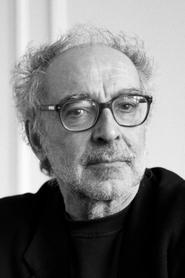
Bardot et Godard
1964 · Self
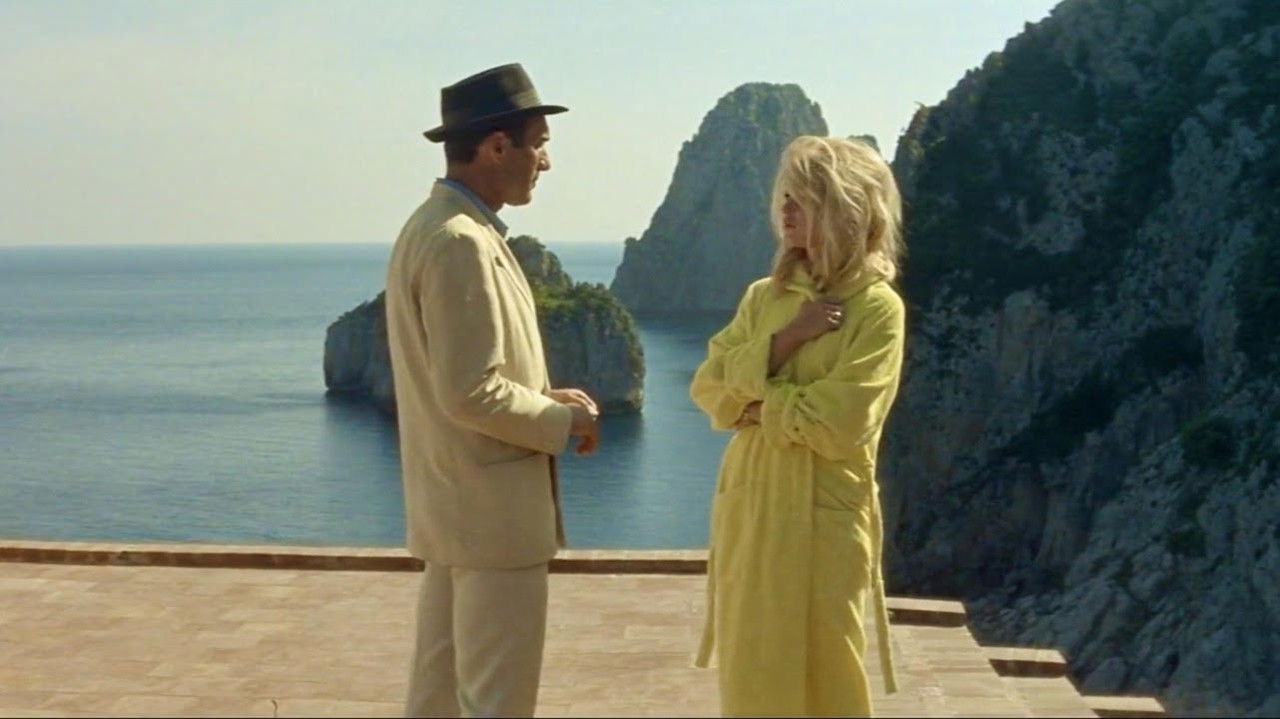
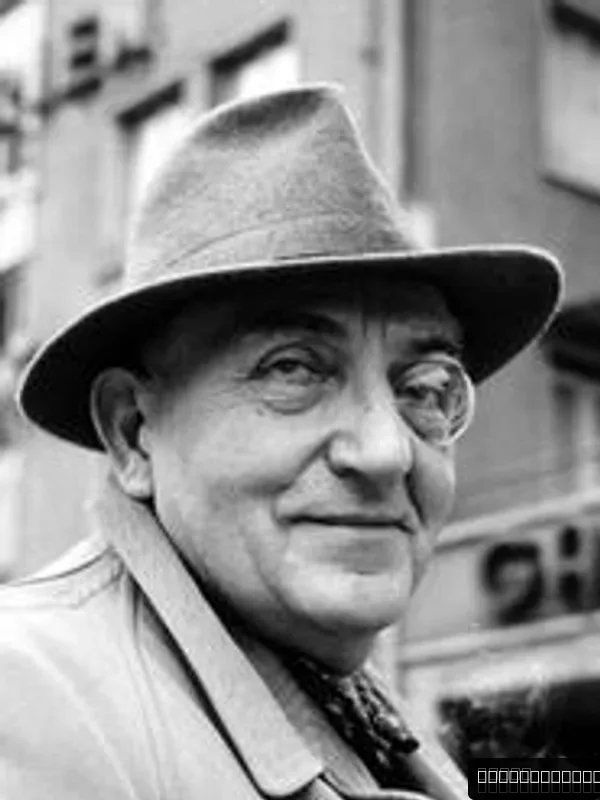
Contempt
1963 · Jeremy Prokosch

Barabbas
1961 · Torvald
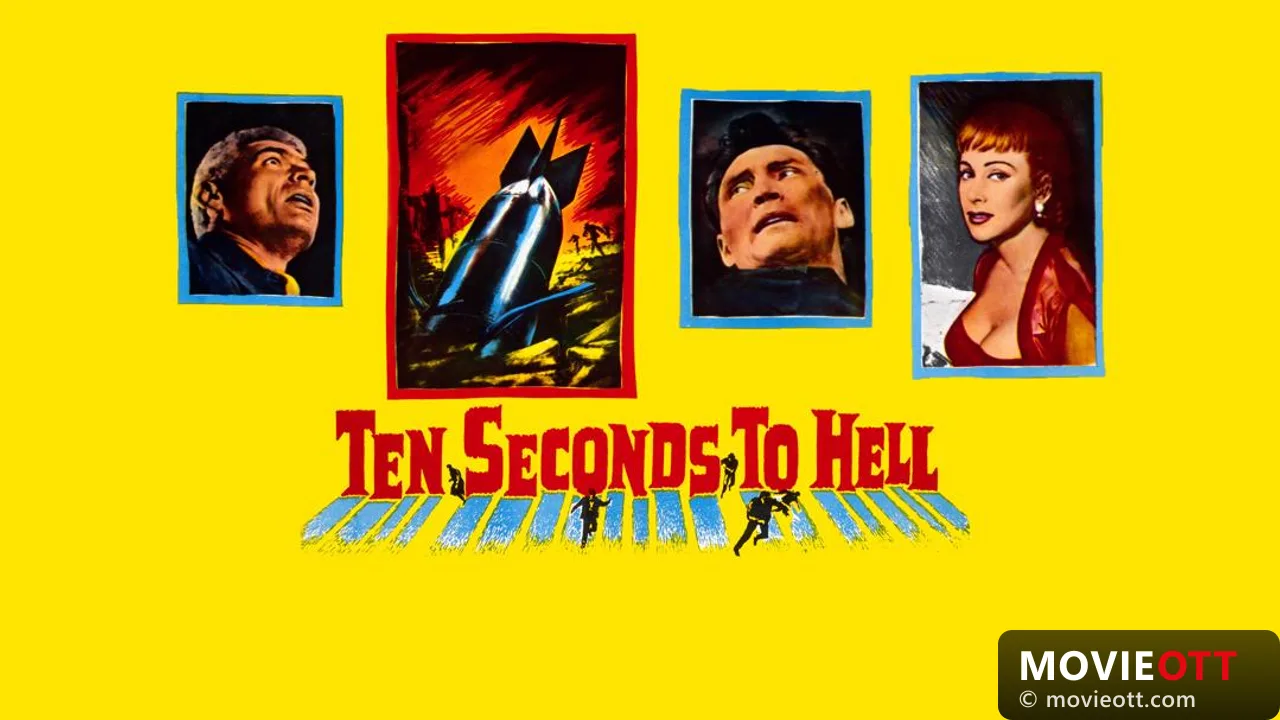
Ten Seconds to Hell
1959 · Cast

The Man Inside
1958 · Milo March
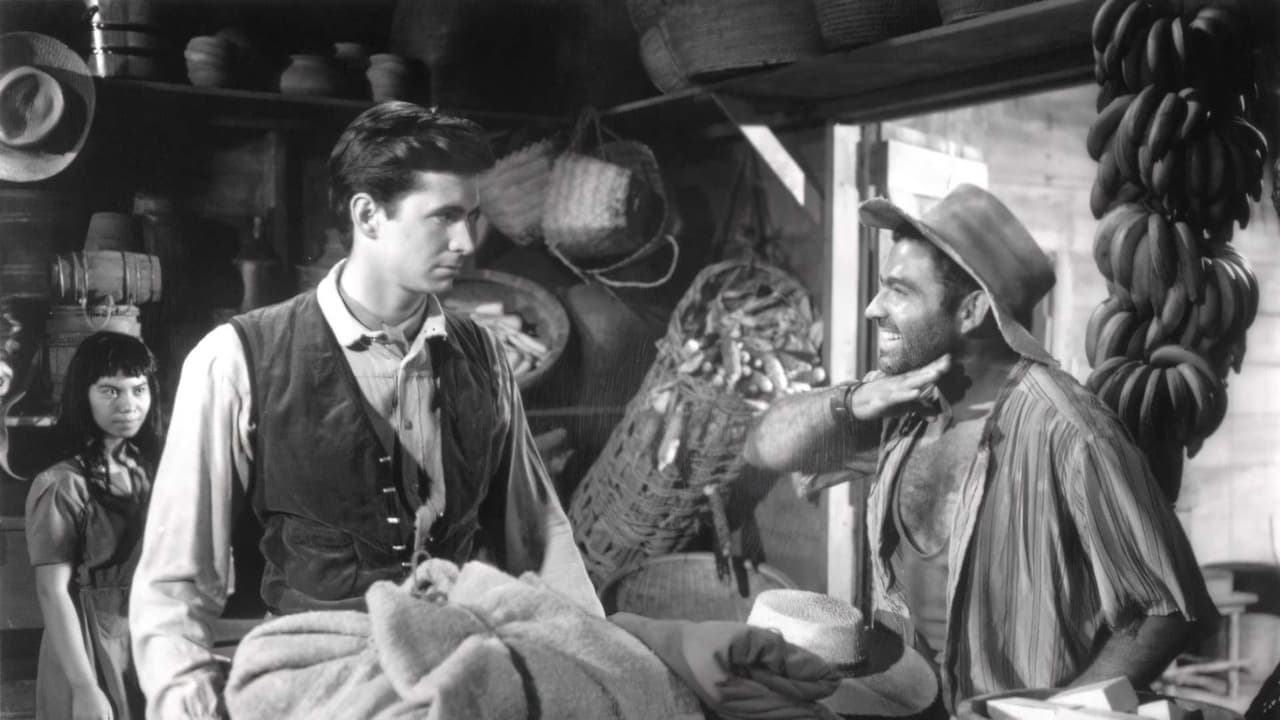
The Lonely Man
1957 · Jacob Wade
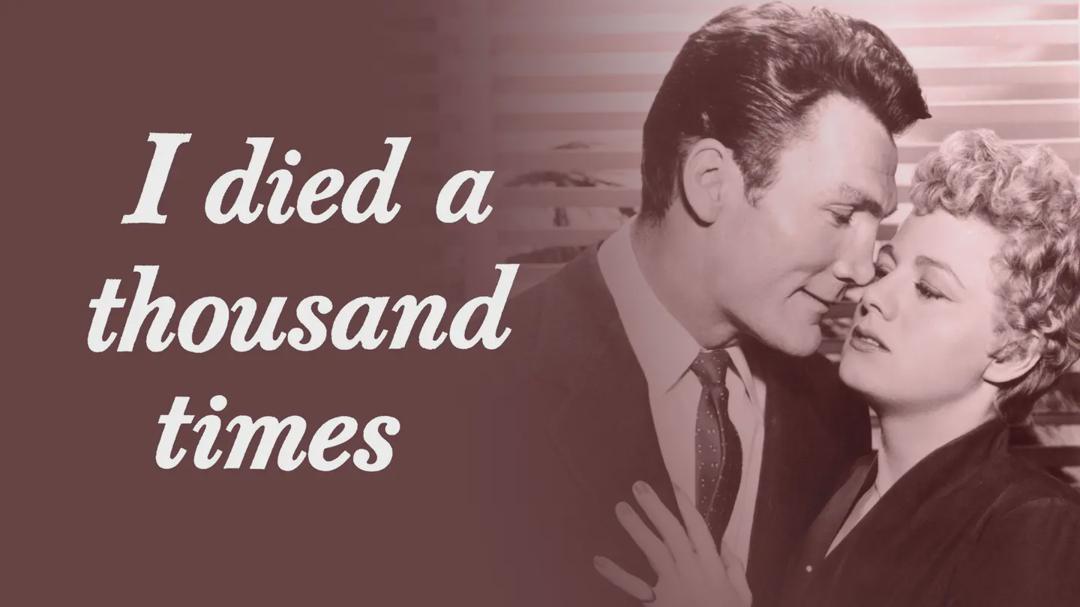
I Died a Thousand Times
1955 · Cast
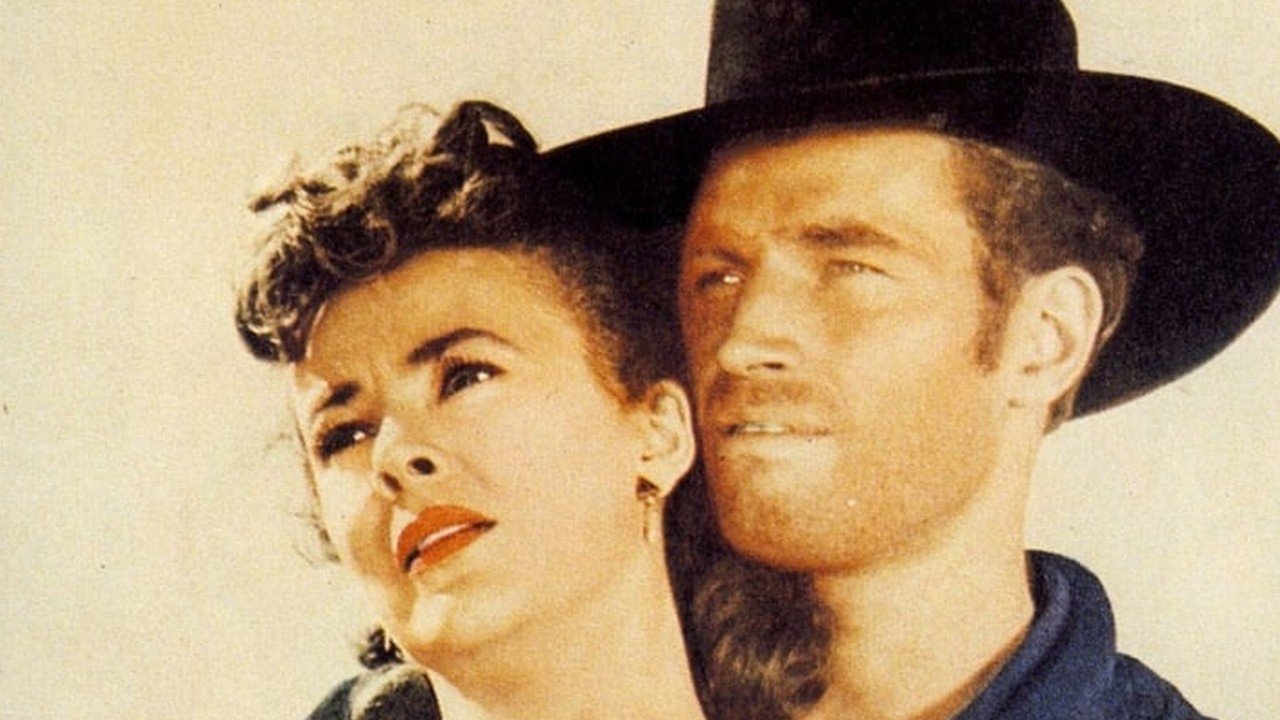
Arrowhead
1953 · Toriano
Frequently asked questions
When and where was Jack Palance born?
Jack Palance was born 1919-02-18 in Lattimer Mines, Pennsylvania, USA.
What films is Jack Palance known for?
Jack Palance has 28 titles indexed on Movie OTT, including Living with the Dead, I'll Be Home For Christmas, Buffalo Girls.
Where can I watch Jack Palance's films?
8 of Jack Palance's films are currently streaming, available on Amazon Prime Video with Ads, Filmin, FlixFling, fuboTV.
How long has Jack Palance been active?
Jack Palance's film career on Movie OTT spans from 1953 to 2002 — 49 years of work.