The Story of Paparazzi and Brigitte Bardot's Private Moment
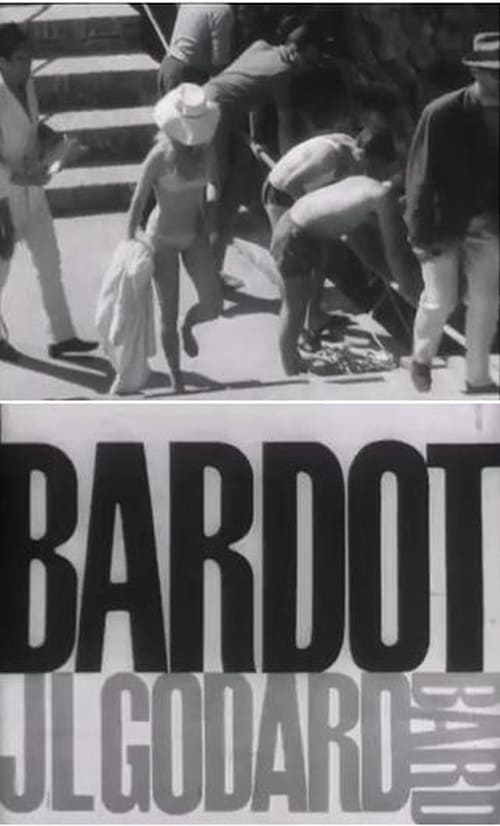
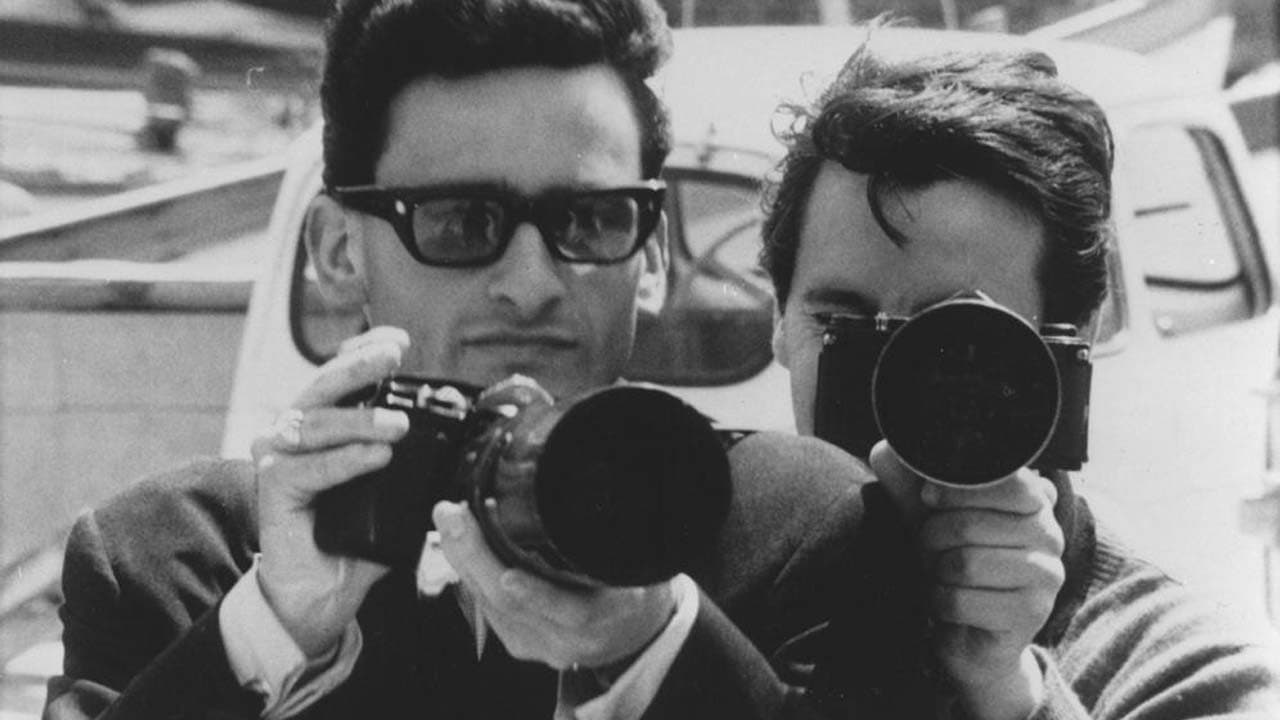
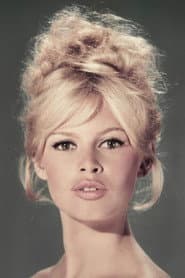
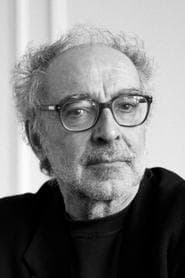
Jacques Rozier's Paparazzi (1964) is a deceptively simple film with a lot to say about fame, privacy, and the machinery that turns actors into commodities. The documentary unfolds on the island of Capri, where Brigitte Bardot is working on Jean-Luc Godard's Le Mépris (Contempt). But Rozier isn't interested in the film-within-the-film—he's focused on what happens off-camera, in the margins. Photographers swarm the set, desperate to capture an unguarded moment of Bardot. Through interviews with the paparazzi themselves, archival footage of Bardot, and still images plastered across magazine covers, Rozier constructs a portrait of celebrity that feels both comic and deeply troubling. At just 22 minutes, it's lean and potent, the kind of short that doesn't overstay its welcome but lingers in your mind long after it ends.
What makes the film's approach so clever is that it doesn't present paparazzi as villains in some straightforward morality play. These photographers aren't cartoonish menaces—they're working professionals with bills to pay and an appetite (from editors and readers alike) to feed. They explain their methods with a kind of weary pragmatism, describing the telephoto lenses, the calculated positioning, the foolishly dangerous stunts they'll pull to get a shot. One moment captures the absurdity perfectly: photographers risk their safety on cliffs and in vehicles, all for an image that might earn them a few hundred francs and a byline. It's exhausting to watch, and that's precisely Rozier's point. The relentless pursuit isn't glamorous—it's a grind, and the human cost, both to the hunted and the hunters, is real.
Behind the Making of Paparazzi and Its Place in Documentary History
Rozier made Paparazzi in 1964 under the production banner of Les Films Fernand Rivers, during a moment when French cinema was in ferment. The New Wave was reshaping how films could be made and what they could be about, and documentaries were part of that conversation. What's striking is that Rozier wasn't making a polemic—he was making an observation, a study in human behavior as much as industrial practice. The film arrived at a time when celebrity culture was accelerating but hadn't yet reached the saturation point it would hit decades later. Bardot herself was at the height of her fame, a sex symbol and serious actress both, which made her an ideal subject for examining how the machinery of celebrity works.
The production is deliberately modest in scale. Rozier uses available light, handheld cameras, and direct sound—techniques that were becoming standard in documentary practice but still felt fresh. There's no grand orchestral score, no narrator imposing a moral framework. Instead, the film lets situations unfold, lets the paparazzi speak for themselves, lets Bardot's image speak for itself. That restraint is a strength. On Movie OTT, where you can explore a vast range of documentaries spanning decades and styles, Paparazzi stands out precisely because it refuses easy answers. The film earned a 6.7 rating on IMDb, a respectable score that reflects its specific appeal—it's not a crowd-pleaser, but it's the kind of film that critics and cinema historians return to when they want to understand how documentary captured the texture of its moment.
What Makes Paparazzi Stand Out as a Study of Celebrity and Obsession
There's something almost prescient about watching this 1964 film now. Rozier captures the fundamental tension at the heart of celebrity culture: the public's hunger for access, the industry's hunger for content, and the individual's right to privacy—all three in collision. The paparazzi aren't wrong to want the photos; readers want to see them. Bardot isn't wrong to want to be left alone; she's a human being trying to work. The system itself is the problem, and Rozier shows how each actor within it is trapped by incentives they didn't create.
What's particularly clever—and I keep coming back to this—is how the film uses still photography and magazine covers as evidence. We see Bardot's face reproduced endlessly, transformed into a product, stripped of context and agency. Then we see the living, breathing woman on set, annoyed and exhausted. The gap between image and reality becomes the film's central subject. The paparazzi aren't just taking pictures; they're manufacturing a version of Bardot that bears only a passing resemblance to the person they're photographing. It's a critique of representation itself, wrapped in a documentary about photographers on Capri.
The interviews are the backbone here. Rozier lets the paparazzi explain their work without editorializing, which makes their rationalizations all the more revealing. They're not monsters—they're professionals doing a job, often in genuinely dangerous conditions, for modest pay. That complexity is what elevates the film beyond simple finger-wagging. It doesn't ask you to choose sides so much as to recognize that there are no clean sides, only competing needs and desires that the system hasn't figured out how to balance. Movie OTT's streaming platform aggregation means you can access this kind of thoughtful, challenging documentary alongside the celebrity gossip it critiques—a nice irony, if you think about it.
Where to Stream Paparazzi Online
Paparazzi is available on major OTT services, and the "Where to Watch" widget at the top of this page will show you exactly which platforms currently have it in your region. Since streaming rights shift frequently, checking that widget is the fastest way to find out if it's on your preferred service right now. Given the film's length—just 22 minutes—it's easy to fit into an evening, whether you're in the mood for a quick documentary or looking to pair it with Godard's Contempt for a double feature about cinema and obsession. Movie OTT tracks current availability across platforms, so you won't waste time hunting.
Frequently asked questions
Q: Who directed Paparazzi and what was his background?
Jacques Rozier directed Paparazzi. He was a French documentary filmmaker working during the height of the French New Wave, and this film is one of his most celebrated works. Rozier's approach was observational and unsentimental, letting situations speak for themselves without heavy-handed narration.
Q: Is Paparazzi based on a true story?
Paparazzi is a documentary, so yes—it's entirely based on real events. Rozier filmed on location in Capri while Brigitte Bardot was actually working on Jean-Luc Godard's Le Mépris, capturing real interactions between the actress and photographers pursuing her.
Q: How long is Paparazzi?
The film runs just 22 minutes, making it a short documentary rather than a feature-length work. That brevity is part of its power—it makes a sharp point without overstaying its welcome.
Q: What is the connection between Paparazzi and Jean-Luc Godard's Contempt?
Paparazzi was filmed on the set of Godard's Le Mépris (Contempt) in Capri. While Godard was making his film about cinema and relationships, Rozier was documenting the circus of photographers surrounding the production, creating a meta-commentary on fame and representation.
Q: Why does Paparazzi still matter today?
The film's exploration of privacy, celebrity, and media ethics feels remarkably current. The questions it raises about who has the right to photograph whom, and what we owe to public figures, haven't been resolved—if anything, they've become more urgent in the age of social media and constant surveillance.
Final Thoughts on Paparazzi
Rozier's Paparazzi is the kind of film that doesn't announce itself loudly but settles into your thinking. It's a 22-minute documentary that asks you to sit with contradiction and complexity rather than offering reassurance. That's rare, and it's valuable. If you're interested in cinema history, celebrity culture, documentary technique, or just the ethics of looking—this film deserves your time. It's not flashy. It won't make you feel good. But it will make you think differently about the images you see and the machinery that produces them.