

The Story of God's Gun and Its Dual Revenge Plot
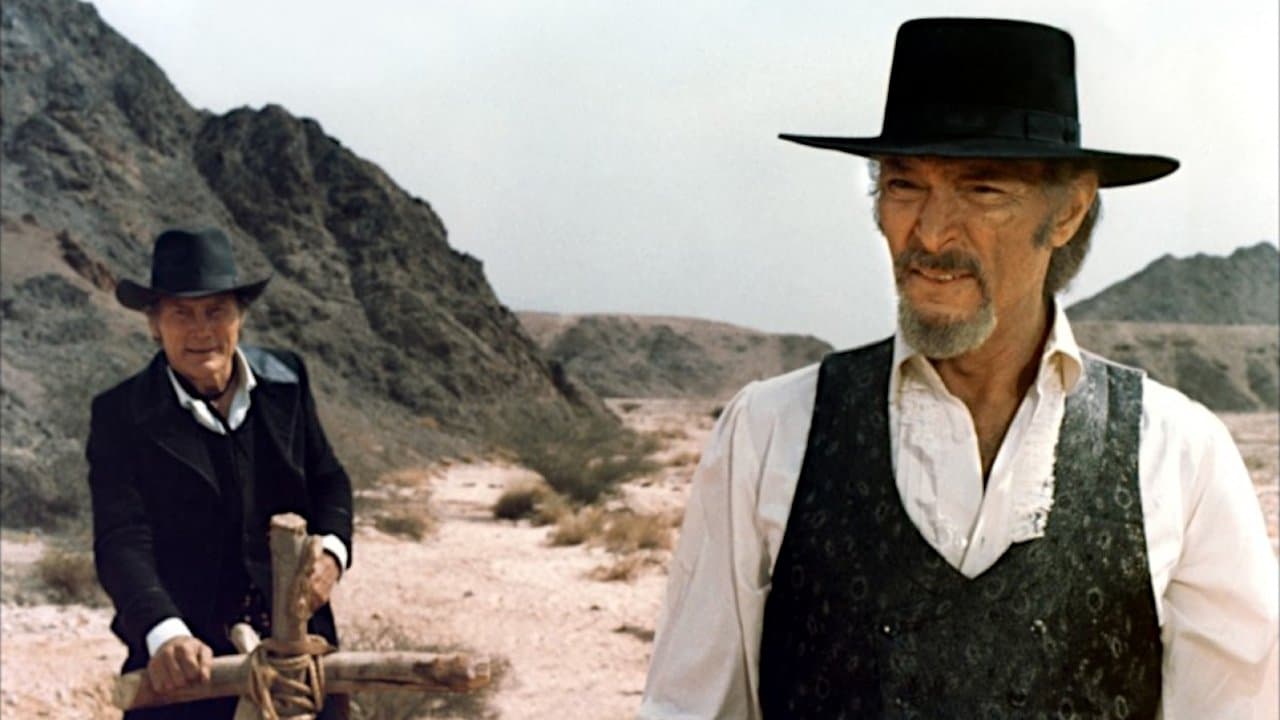
God's Gun unfolds as a tale of two brothers separated by faith and violence, reunited by blood. Father John, a priest who's traded his old gunfighter life for the cloth, ministers to a small town until a vicious gang led by Sam Clayton storms through, kills an innocent man in the local bar, and leaves destruction in their wake. When the gang returns—because they always do in these films—they murder the priest himself, leaving behind a fatherless boy named Johnny who's lost his spiritual anchor. It's this orphaned teenager who becomes the catalyst for the film's central conflict, tracking down the reformed gunslinger (Father John's brother) and dragging him back to town for reckoning. The setup is classic spaghetti western fare: grief as motivation, revenge as narrative engine, and the question of whether violence can ever truly be justified—even in God's name.
Behind the Making of God's Gun: Cast, Crew, and the Golan-Globus Era
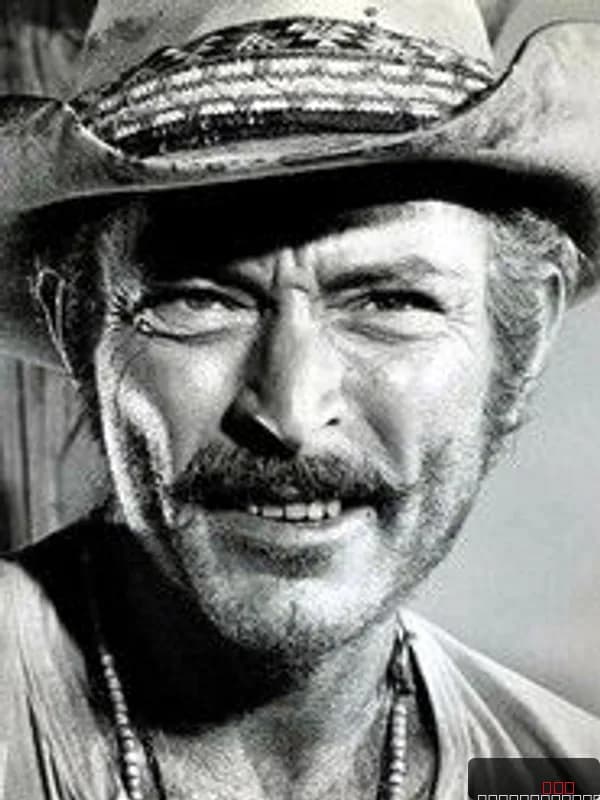
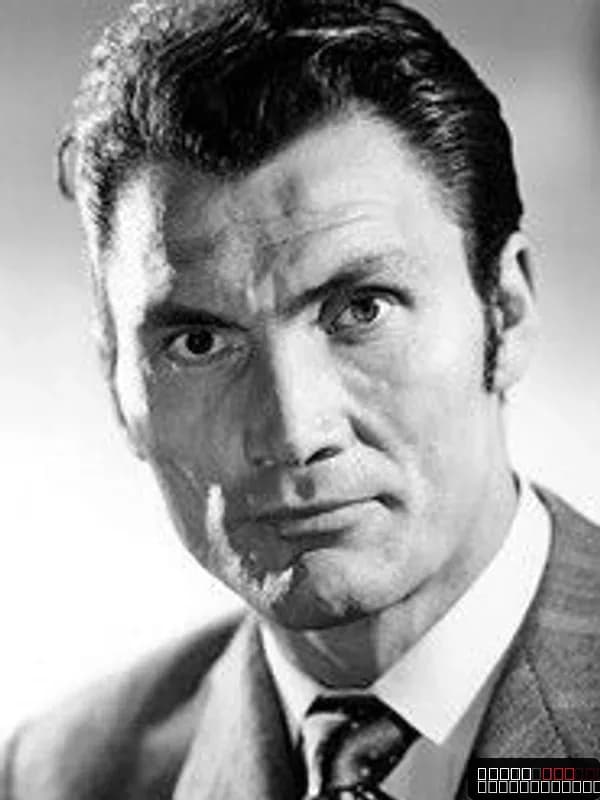
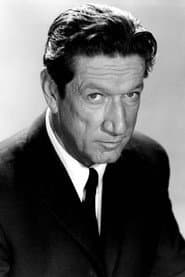
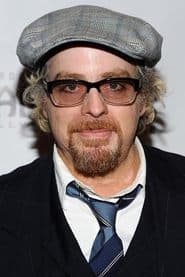
God's Gun arrived in 1976 as part of a fascinating moment in exploitation and B-picture filmmaking, produced by the powerhouse team at Golan-Globus Productions (The Cannon Group) alongside Dunamis Cinematografica and The Irwin Yablans Company. Director Gianfranco Parolini, working from his own screenplay co-written with others, assembled a cast that reads like a who's-who of aging action cinema. Lee Van Cleef—the squint-eyed legend of The Good, the Bad and the Ugly—took on a dual role as both the priest and his gunfighter brother, a choice that gave the film thematic weight even if the execution was uneven. Jack Palance, fresh from his own string of B-westerns and action pictures, embodied the villain with the kind of menacing physicality only he could muster. Leif Garrett, then riding a wave of teen-idol fame from his music career and TV appearances, played Johnny with a raw, untested energy. Richard Boone and the striking Sybil Danning rounded out the ensemble. The 97-minute runtime suggests a tightly plotted revenge narrative, though the film's pacing—like many Italian westerns of the period—meanders in ways that are either meditative or tedious depending on your patience. What's striking is that this was Van Cleef's penultimate western and, chronologically, his last western appearance during his lifetime, making it an odd footnote to a legendary career.
What Makes God's Gun Stand Out in the Spaghetti Western Landscape
The film doesn't shy away from its central moral paradox: a man of God who must become a man of guns. There's genuine tension in watching Van Cleef navigate that contradiction—the priest's collar hanging around the neck of someone who knows how to kill. Palance's performance as Clayton carries a kind of casual cruelty; he's not theatrical about his villainy, which somehow makes it worse. He's just a man who takes what he wants and doesn't apologize. The supporting cast, particularly Garrett's Johnny, brings an earnestness that could've tipped into melodrama but mostly holds. Parolini's direction has moments of real visual interest—dusty town compositions, standoffs framed with actual spatial logic—even if the overall narrative doesn't quite justify its ambitions. The script wants to say something about faith, violence, and redemption, but it's often too busy staging gunfights to sit with those questions. Still, there's something oddly compelling about watching a film this unafraid to be both sincere and silly, to swing from theology to shoot-outs without irony. The IMDb rating of 5.2/10 reflects a certain critical consensus that it's a flawed curiosity rather than a lost masterpiece, but curious it certainly is.
Where to Stream God's Gun Online
Finding God's Gun on your preferred streaming service is easier than it once was. The film's currently available on major OTT platforms, and Movie OTT keeps a real-time tracker of where it's streaming so you don't have to hunt across five different apps. Check the "Where to Watch" widget at the top of this page to see which services in your region are currently carrying it—availability shifts month to month depending on licensing agreements. If you're serious about exploring the spaghetti western canon, this is a title worth tracking down, even if only to understand how the genre was still evolving in the mid-1970s and what Van Cleef was doing in his final years of the form.
Frequently asked questions
Q: Who directed God's Gun and when was it released?
Italian director Gianfranco Parolini co-wrote and directed God's Gun, which premiered in 1976. It was produced by Golan-Globus Productions and other production companies, marking the tail end of the spaghetti western's commercial reign.
Q: Is God's Gun based on a true story?
No, God's Gun is an original screenplay co-written by Parolini. It's a fictional revenge narrative that uses the priest-versus-outlaw setup as a framework to explore themes of faith and violence.
Q: How long is God's Gun?
The film runs 97 minutes, a fairly standard length for action westerns of the era—long enough to develop character and plot, but brisk enough to keep the pace moving between set pieces.
Q: Why is God's Gun significant in Lee Van Cleef's career?
God's Gun was Van Cleef's next-to-last western and his final western appearance during his lifetime. It represents a late-career return to the genre that made him famous, offering a bookend to his iconic spaghetti western legacy.
Q: Where can I watch God's Gun right now?
God's Gun is available on major OTT services. Visit Movie OTT's streaming tracker or check the "Where to Watch" widget on this page to see which platforms currently have it in your region.
Final Thoughts on God's Gun
God's Gun won't change your life, and it probably won't crack anyone's top-ten westerns list. But it's a genuinely interesting artifact—a film that swings for the theological fences while also delivering the gunplay and revenge plotting audiences came for. Van Cleef and Palance alone are worth the 97 minutes, two old pros doing what they do best. If you're a western completist or someone who appreciates the weird, uneven ambition of 1970s B-pictures, don't sleep on it. It's the kind of film that sticks with you not because it's perfect, but because it tried to be more than it had any right to be.