



The Story of Contempt: A Love Lost Amidst Cinematic Chaos
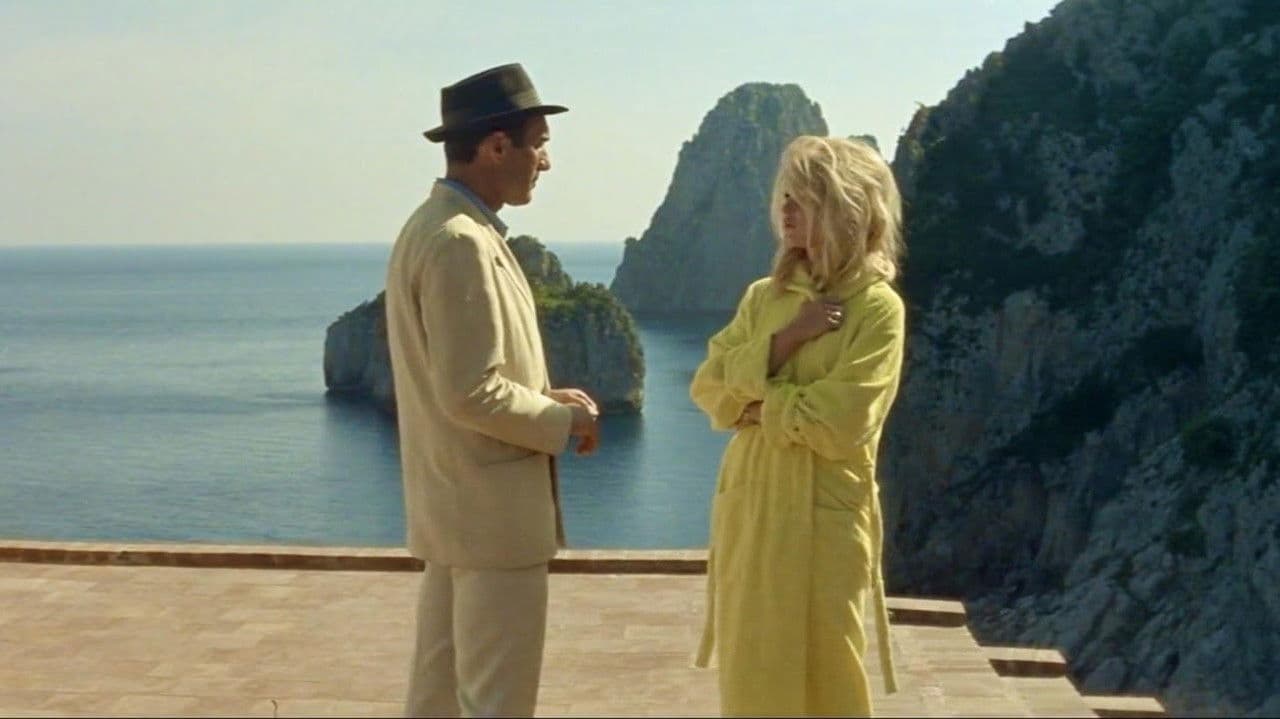
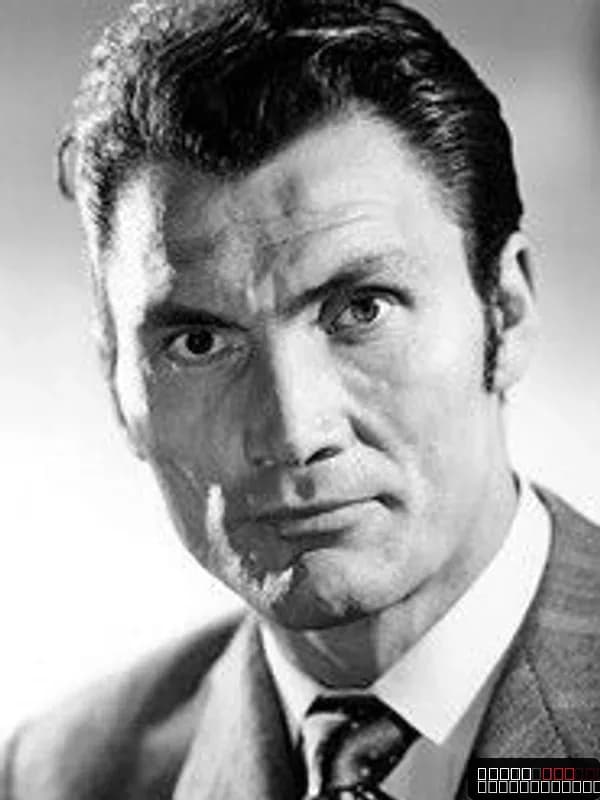
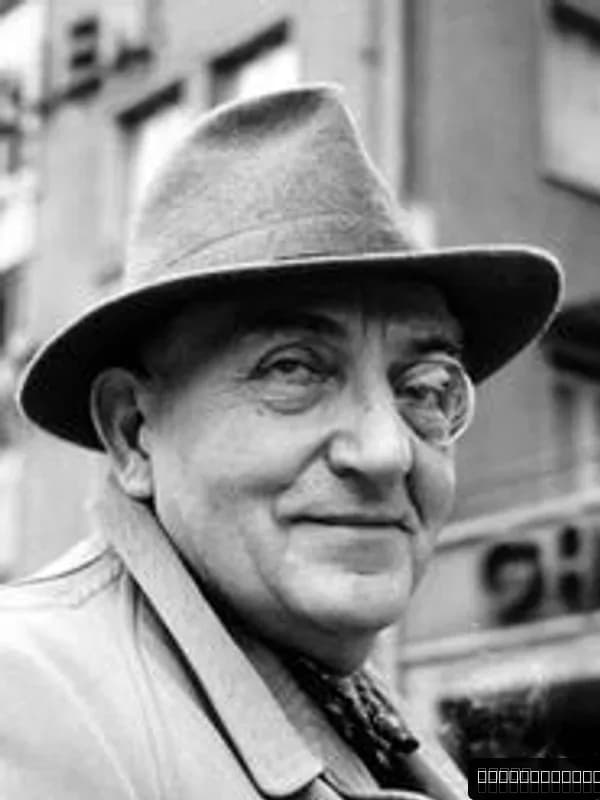
Jean-Luc Godard’s 1963 film, Contempt, plunges viewers into the tumultuous world of Paul Javal (Michel Piccoli), a playwright hired to polish the script for an ambitious film adaptation of Homer's Odyssey. This isn't just any production; it's a grand European co-production bankrolled by the boisterous American producer Jeremy Prokosch (Jack Palance), who's grown increasingly dissatisfied with the legendary director Fritz Lang's (playing himself) artistic vision. Prokosch wants spectacle, something to energize the "peplum genre," while Lang aims for something more profound. As Paul navigates the creative clashes and commercial pressures, his personal life, specifically his marriage to the stunning Camille (Brigitte Bardot), begins to fray. What starts as subtle misunderstandings quickly escalates into a profound emotional chasm, mirroring the artistic compromises unfolding on set.
Behind the Scenes of Contempt: Godard, Bardot, and the Odyssey's Troubled Path
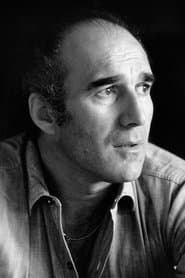
Contempt (original French title: Le Mépris) stands as a towering achievement in the French New Wave, a movement defined by its bold, experimental approach to filmmaking. Written and directed by Jean-Luc Godard, the film is a brilliant adaptation of Alberto Moravia's 1954 novel, Il disprezzo. Godard brought together an incredible international cast, led by the iconic Brigitte Bardot, whose star power was immense at the time—the film’s official tagline, "More bold! More brazen! And much, much more Bardot!", certainly played to her global appeal. Opposite her, Michel Piccoli delivers a nuanced performance as the struggling screenwriter, Paul. The film also features a delightfully bombastic Jack Palance as the American producer, Jeremy Prokosch, whose commercial demands constantly clash with artistic integrity. Perhaps the most intriguing casting choice was the legendary German filmmaker Fritz Lang, appearing as himself, offering a poignant commentary on the very nature of cinema.
Released in 1963, this 103-minute drama-romance quickly cemented its place in cinematic history, earning widespread critical praise even as its themes of marital dissolution and artistic compromise resonated deeply with audiences. While specific box office figures for its original theatrical run are harder to pinpoint with modern accuracy, its enduring legacy and continuous revival screenings speak volumes about its cultural impact and the intricate layers Godard masterfully wove into its narrative. As The New York Times noted in its review, Godard "transforms a conventional melodrama into a profound meditation on the very act of cinematic creation."